
Is a Hybrid Heat Pump Water Heater the Right Choice for Your Chicago Home?
Chicago winters push traditional water heaters to their limits and your energy bills through the roof. A hybrid heat pump water heater offers a different approach by pulling heat from the surrounding air instead of generating it directly. This technology can cut your water heating costs by up to 60 percent but comes with unique considerations for Chicago’s climate and housing stock. Energy Star heat pump water heaters.
Understanding how these units perform in cold basements and whether the long-term savings justify the higher upfront cost matters before making a decision. This guide breaks down everything you need to know about hybrid heat pump water heaters specifically for Chicago homes.. Read more about Understanding Chicago Plumbing Labor Rates and Why Quotes Vary So Much.
How Hybrid Water Heaters Work (The ‘Reverse Fridge’ Concept)
A hybrid heat pump water heater operates like a refrigerator running in reverse. Instead of pushing heat out to cool the inside, it pulls heat from the surrounding air and transfers it to the water tank. The system uses a compressor and refrigerant to extract thermal energy from the basement or utility room air.. Read more about Do You Actually Need a Water Softener for Your Lakeview Home?.
When basement temperatures drop below 40 degrees Fahrenheit the heat pump becomes less efficient. At that point most units automatically switch to standard electric resistance heating to maintain hot water supply. This dual-mode operation gives you the efficiency of a heat pump when conditions allow and the reliability of electric heating when needed.
The units also dehumidify the air as they operate. For Chicago basements prone to moisture this provides an added benefit beyond water heating. The condensate produced during operation requires proper drainage through a floor drain or condensate pump.
Pros of Hybrid Water Heaters
Energy efficiency stands out as the primary advantage. Heat pump water heaters use about one-third the electricity of standard electric models. For a typical Chicago household this translates to annual savings of $200 to $400 depending on usage patterns and local electric rates.
The dehumidification feature helps control basement moisture levels. Chicago’s humid summers and damp basements create perfect conditions for mold and mildew. A hybrid unit pulls approximately one to two gallons of water from the air daily while heating your water.
Federal tax credits through the Inflation Reduction Act provide up to $2,000 back on qualifying heat pump water heater installations in 2026. Local utilities like ComEd and Peoples Gas offer additional rebates that can total $500 or more. These incentives significantly reduce the initial investment. ComEd water heater rebates.
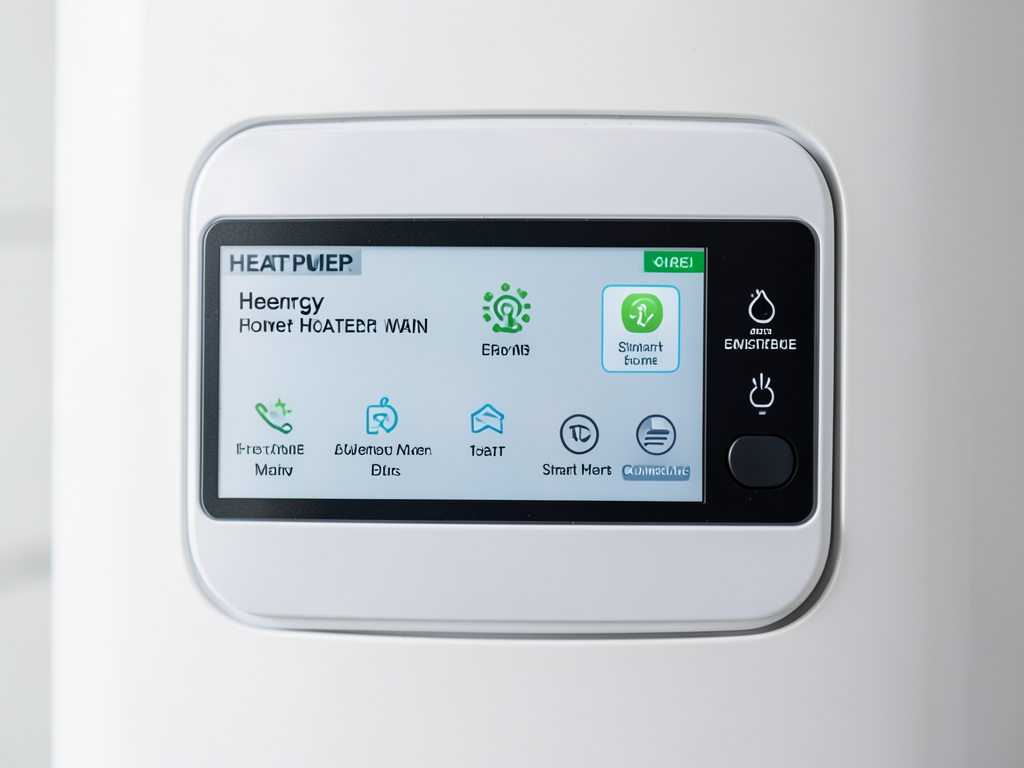
The units typically last 10 to 15 years with proper maintenance. The tanks use corrosion-resistant materials and the heat pump components are designed for continuous operation. Many models include smart controls that let you monitor performance through smartphone apps.
Cons and Challenges to Consider
Noise represents the most common complaint. The compressor and fan generate 50 to 60 decibels during operation. This level compares to a normal conversation and can be noticeable in quiet basements or utility closets near living spaces.
Space requirements limit installation options. These units need 700 to 1,000 cubic feet of air volume to operate efficiently. A typical Chicago bungalow basement might not provide adequate space without modifications. The units also need 6 to 8 feet of ceiling height for proper air circulation.
Recovery time runs longer than traditional gas heaters. When the heat pump mode cannot keep up with demand the electric elements activate but still heat water more slowly than gas burners. Large families might experience temporary hot water shortages during peak usage.
Upfront costs range from $1,500 to $3,000 for the unit alone compared to $500 to $800 for conventional electric models. Installation adds $500 to $1,500 depending on electrical requirements and condensate drainage needs. The total investment often reaches $2,000 to $4,500.
The Chicago Winter Factor
Chicago’s cold climate creates unique challenges for heat pump water heaters. When basement temperatures drop into the 30s and 40s during winter the heat pump efficiency drops significantly. The units compensate by switching to electric resistance heating but this reduces the energy savings you expect.
Most Chicago basements maintain temperatures between 50 and 60 degrees during winter due to ground contact and heating system operation. At these temperatures heat pump water heaters still achieve 150 to 200 percent efficiency compared to 95 to 99 percent for electric resistance heating.
Installing the unit in a conditioned space helps maintain efficiency. Some homeowners place heat pump water heaters in utility closets with supply air from adjacent heated rooms. This configuration maintains higher ambient temperatures and improves performance during cold snaps.
Humidity levels also affect performance. Chicago’s high summer humidity provides more thermal energy for the heat pump to extract. The units actually perform better during humid months even though the air temperature might be higher.
Local Rebates and Incentives (ComEd & Peoples Gas)
ComEd offers rebates up to $500 for qualifying heat pump water heaters through their Energy Efficiency Program. The units must meet specific Energy Star criteria and be installed by participating contractors. Rebates apply to both residential and small commercial installations.
Peoples Gas coordinates with ComEd on dual-fuel incentives. Homes using natural gas for space heating can receive additional rebates when switching water heating to electric heat pump technology. These programs aim to reduce overall carbon emissions in the Chicago area.
The federal 25C tax credit covers 30 percent of installation costs up to $2,000. This credit applies to both the equipment and installation labor when performed by licensed professionals. Keep all receipts and manufacturer certification statements for tax filing.
Illinois offers property tax exemptions for certain energy-efficient home improvements. While heat pump water heaters may not qualify for the full exemption they can contribute to overall home energy efficiency calculations that benefit from tax incentives.
Comparison Table: Hybrid vs. Traditional Gas vs. Tankless
| Feature | Hybrid Heat Pump | Traditional Gas | Tankless Gas |
|---|---|---|---|
| Initial Cost | $2,000 – $4,500 | $800 – $1,500 | $1,500 – $3,000 |
| Annual Operating Cost | $150 – $250 | $250 – $400 | $200 – $350 |
| Space Required | 700+ cubic feet | 18" x 18" footprint | Wall-mounted |
| Recovery Time | 2-3 hours | 30-45 minutes | Unlimited |
| Efficiency (UEF) | 2.5 – 3.5 | 0.6 – 0.8 | 0.82 – 0.94 |
| Noise Level | 50-60 dBA | Silent | Silent |
| Best For | Energy savings, dehumidification | Quick recovery, low upfront cost | Unlimited hot water, space saving |
Installation Considerations for Chicago Homes
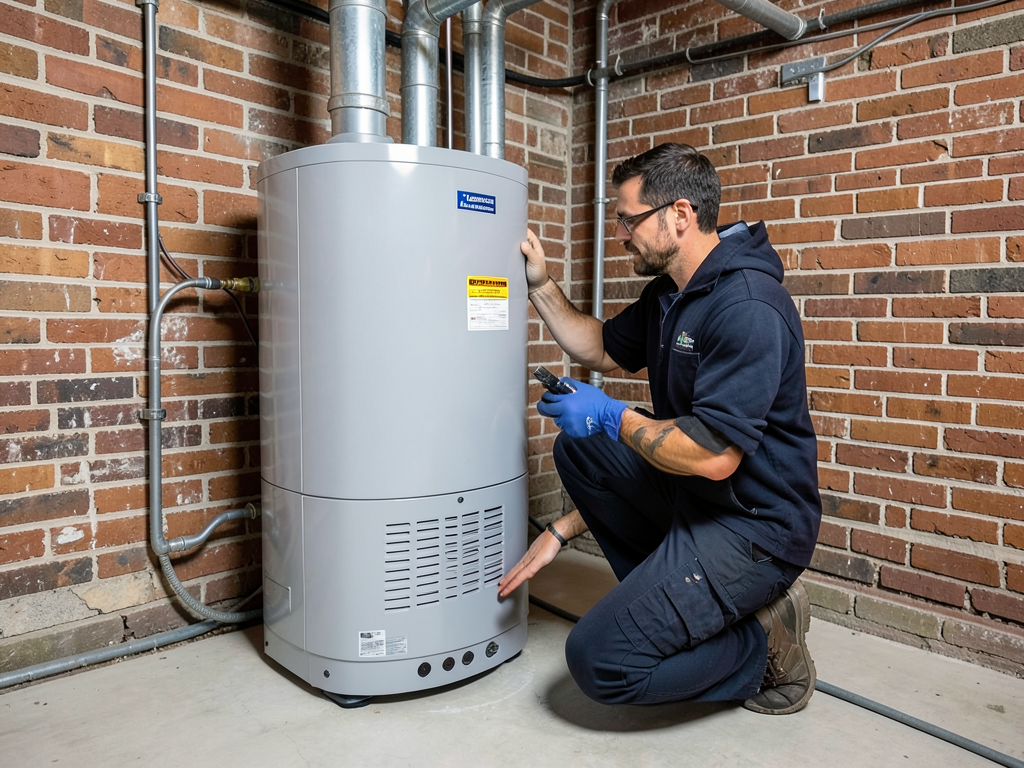
Chicago’s housing stock presents specific challenges for heat pump water heater installation. Many bungalows and two-flats have finished basements with limited utility space. The 700 cubic feet requirement means you might need to dedicate an entire closet or corner of a basement to the unit.
Electrical capacity often requires upgrades. Heat pump water heaters need a dedicated 240-volt circuit. Older Chicago homes might need electrical panel upgrades to support the additional load. A licensed electrician should evaluate your existing service before purchase.
Condensate drainage poses challenges in older homes. Many Chicago basements lack floor drains near potential installation locations. Condensate pumps provide a solution but add $150 to $300 to installation costs. The pump requires its own electrical outlet and periodic maintenance.
Ventilation modifications might be necessary. The units pull air from the surrounding space and exhaust cooler, drier air. In tight utility rooms this air exchange might require dedicated vents or louvered doors to maintain proper airflow.
Permits and inspections follow Chicago Plumbing Code requirements. The city mandates permits for water heater replacements regardless of fuel type. Licensed plumbers must pull permits and schedule inspections before covering any work. Top Rated Plumbers for High Rise Condos in the Gold Coast.
Maintenance Requirements and Longevity
Heat pump water heaters need more frequent maintenance than traditional models. The air filter requires cleaning every three months to maintain efficiency. A clogged filter forces the unit to work harder and reduces energy savings.
The anode rod protects the tank from corrosion and needs inspection every two years. Chicago’s water quality varies by neighborhood but generally contains minerals that accelerate tank degradation. Replacing the anode rod every 4 to 5 years extends tank life significantly.. Read more about Essential Plumbing Inspection Tips Before You Buy a Bungalow in Portage Park.
Condensate drains require periodic cleaning to prevent algae growth and blockages. During Chicago’s humid summers the condensate lines can develop mold or mildew that restricts flow. Annual cleaning with a vinegar solution prevents most issues.
The heat pump components have fewer moving parts than traditional systems but still need occasional professional service. The compressor and fan motors should be checked annually for proper operation and lubrication.
Tanks typically last 10 to 15 years with proper maintenance. The heat pump components often outlast the tank itself. When the tank fails you can replace just the tank section and reuse the heat pump components, reducing future replacement costs.
Making the Right Choice for Your Home
Hybrid heat pump water heaters make sense for specific situations in Chicago. Homes with high hot water usage benefit most from the energy savings. Families of four or more often recoup the higher upfront costs within 3 to 5 years through utility bill reductions.
Basement conditions matter significantly. If your basement stays above 50 degrees year-round and has adequate space the heat pump will operate efficiently. Finished basements with limited airflow might not provide optimal conditions.
Utility rates affect the economics. Chicago’s electric rates average 15 to 18 cents per kilowatt-hour. If your home has access to off-peak rates the savings increase substantially. Time-of-use metering can reduce operating costs by 20 to 30 percent.
Environmental considerations play a role for many homeowners. Heat pump water heaters reduce carbon emissions even when powered by grid electricity. As Illinois increases renewable energy generation the environmental benefits continue improving.
Consider your long-term plans. If you plan to stay in your home for more than five years the energy savings typically justify the investment. For shorter timeframes the higher upfront cost might not provide adequate return.
Frequently Asked Questions
How much can I save with a hybrid heat pump water heater in Chicago?
Most Chicago homeowners save $200 to $400 annually compared to standard electric water heaters. Actual savings depend on household size, hot water usage, and local electric rates. The units use about one-third the electricity of conventional electric models.
Do heat pump water heaters work in cold Chicago basements?
Yes but with reduced efficiency when temperatures drop below 40 degrees. Most units automatically switch to electric resistance heating in cold conditions. Chicago basements typically stay above 50 degrees during winter, allowing heat pumps to maintain good efficiency.
What rebates are available for heat pump water heaters in Chicago?
ComEd offers up to $500 rebates through their Energy Efficiency Program. Peoples Gas provides additional incentives for dual-fuel conversions. The federal 25C tax credit covers 30 percent of costs up to $2,000. Total incentives often reach $1,000 to $1,500.
How noisy are hybrid water heaters?
Heat pump water heaters generate 50 to 60 decibels during operation. This level compares to a normal conversation or background music. The noise comes from the compressor and fan and can be noticeable in quiet spaces.
What space requirements do these units have?
Units need 700 to 1,000 cubic feet of air volume and 6 to 8 feet of ceiling height. This typically means a dedicated utility closet or corner of a basement. Finished basements in Chicago bungalows might not provide adequate space without modifications.
Next Steps for Chicago Homeowners
Evaluating whether a hybrid heat pump water heater fits your Chicago home requires understanding your specific situation. Consider your basement conditions, hot water needs, and available incentives before making a decision.
Professional assessment helps identify potential installation challenges unique to your home. Electrical capacity, condensate drainage, and ventilation requirements vary significantly between properties. A licensed plumber can evaluate these factors during an initial consultation.
Many Chicago homeowners find that the energy savings and environmental benefits justify the higher upfront investment. The combination of utility rebates and tax credits reduces the initial cost substantially. For homes with adequate space and proper conditions these units offer compelling long-term value.
Ready to explore hybrid heat pump water heater options for your Chicago home? Contact A Plus Plumbing Chicago at (773) 514-5111 for a free evaluation. Our experienced team understands the unique challenges of Chicago homes and can help you make the right choice for your family’s needs.. Read more about How to Choose the Right Low-Flow Toilet That Actually Flushes Well Every Time.
Don’t wait until your current water heater fails. Understanding your options now lets you plan for the best solution rather than making rushed decisions during an emergency. A Plus Plumbing Chicago provides honest assessments and quality installations throughout the Chicago area. 24 Hour Emergency Plumbers in Lincoln Park for Immediate Help.
Call (773) 514-5111 today to schedule your consultation. We’ll evaluate your home’s specific needs and help you understand the potential savings and benefits of upgrading to a hybrid heat pump water heater. Your comfort and energy efficiency matter to us.
You may also find this helpful. Navien vs Rinnai — Which Tankless Water Heater Wins for Chicago Winters?.
{
“@context”: “https://schema.org”,
“@type”: “BlogPosting”,
“headline”: “Is a Hybrid Heat Pump Water Heater the Right Choice for Your Chicago Home?”,
“description”: “Discover if a hybrid heat pump water heater fits your Chicago home. Learn about energy savings, ComEd rebates, and cold-weather performance from local experts.”,
“wordCount”: 2122,
“datePublished”: “2026-04-01T13:23:00.000Z”,
“dateModified”: “2026-04-01T13:23:00.000Z”,
“inLanguage”: “en-US”,
“mainEntityOfPage”: {
“@type”: “WebPage”,
“@id”: “https://aplusplumbingchicago.com”
},
“publisher”: {
“@type”: “LocalBusiness”,
“name”: “A Plus Plumbing Chicago”,
“url”: “https://aplusplumbingchicago.com”
},
“author”: {
“@type”: “Organization”,
“name”: “A Plus Plumbing Chicago”,
“url”: “https://aplusplumbingchicago.com”
},
“image”: {
“@type”: “ImageObject”,
“url”: “https://aplusplumbingchicago.com/wp-content/uploads/2026/03/is-a-hybrid-heat-pump-water-heater-the-right-choic-1.png”
}
}
{
“@context”: “https://schema.org”,
“@type”: “Plumber”,
“name”: “A Plus Plumbing Chicago”,
“url”: “https://aplusplumbingchicago.com”,
“address”: {
“@type”: “PostalAddress”,
“addressLocality”: “Chicago”
},
“areaServed”: {
“@type”: “City”,
“name”: “Chicago”
}
}
{
“@context”: “https://schema.org”,
“@type”: “FAQPage”,
“mainEntity”: [
{
“@type”: “Question”,
“name”: “How much can I save with a hybrid heat pump water heater in Chicago?”,
“acceptedAnswer”: {
“@type”: “Answer”,
“text”: “Most Chicago homeowners save $200 to $400 annually compared to standard electric water heaters. Actual savings depend on household size, hot water usage, and local electric rates. The units use about one-third the electricity of conventional electric models.”
}
},
{
“@type”: “Question”,
“name”: “Do heat pump water heaters work in cold Chicago basements?”,
“acceptedAnswer”: {
“@type”: “Answer”,
“text”: “Yes but with reduced efficiency when temperatures drop below 40 degrees. Most units automatically switch to electric resistance heating in cold conditions. Chicago basements typically stay above 50 degrees during winter, allowing heat pumps to maintain good efficiency.”
}
},
{
“@type”: “Question”,
“name”: “What rebates are available for heat pump water heaters in Chicago?”,
“acceptedAnswer”: {
“@type”: “Answer”,
“text”: “ComEd offers up to $500 rebates through their Energy Efficiency Program. Peoples Gas provides additional incentives for dual-fuel conversions. The federal 25C tax credit covers 30 percent of costs up to $2,000. Total incentives often reach $1,000 to $1,500.”
}
},
{
“@type”: “Question”,
“name”: “How noisy are hybrid water heaters?”,
“acceptedAnswer”: {
“@type”: “Answer”,
“text”: “Heat pump water heaters generate 50 to 60 decibels during operation. This level compares to a normal conversation or background music. The noise comes from the compressor and fan and can be noticeable in quiet spaces.”
}
},
{
“@type”: “Question”,
“name”: “What space requirements do these units have?”,
“acceptedAnswer”: {
“@type”: “Answer”,
“text”: “Units need 700 to 1,000 cubic feet of air volume and 6 to 8 feet of ceiling height. This typically means a dedicated utility closet or corner of a basement. Finished basements in Chicago bungalows might not provide adequate space without modifications.”
}
}
]
}
{
“@context”: “https://schema.org”,
“@type”: “BreadcrumbList”,
“itemListElement”: [
{
“@type”: “ListItem”,
“position”: 1,
“name”: “Home”,
“item”: “https://aplusplumbingchicago.com”
},
{
“@type”: “ListItem”,
“position”: 2,
“name”: “Blog”,
“item”: “https://aplusplumbingchicago.com/blog”
},
{
“@type”: “ListItem”,
“position”: 3,
“name”: “Is a Hybrid Heat Pump Water Heater the Right Choice for Your Chicago Home?”
}
]
}
{
“@context”: “https://schema.org”,
“@type”: “Service”,
“serviceType”: “Plumbing”,
“provider”: {
“@type”: “LocalBusiness”,
“name”: “A Plus Plumbing Chicago”,
“url”: “https://aplusplumbingchicago.com”
},
“areaServed”: {
“@type”: “City”,
“name”: “Chicago”
},
“description”: “Discover if a hybrid heat pump water heater fits your Chicago home. Learn about energy savings, ComEd rebates, and cold-weather performance from local experts.”
}