
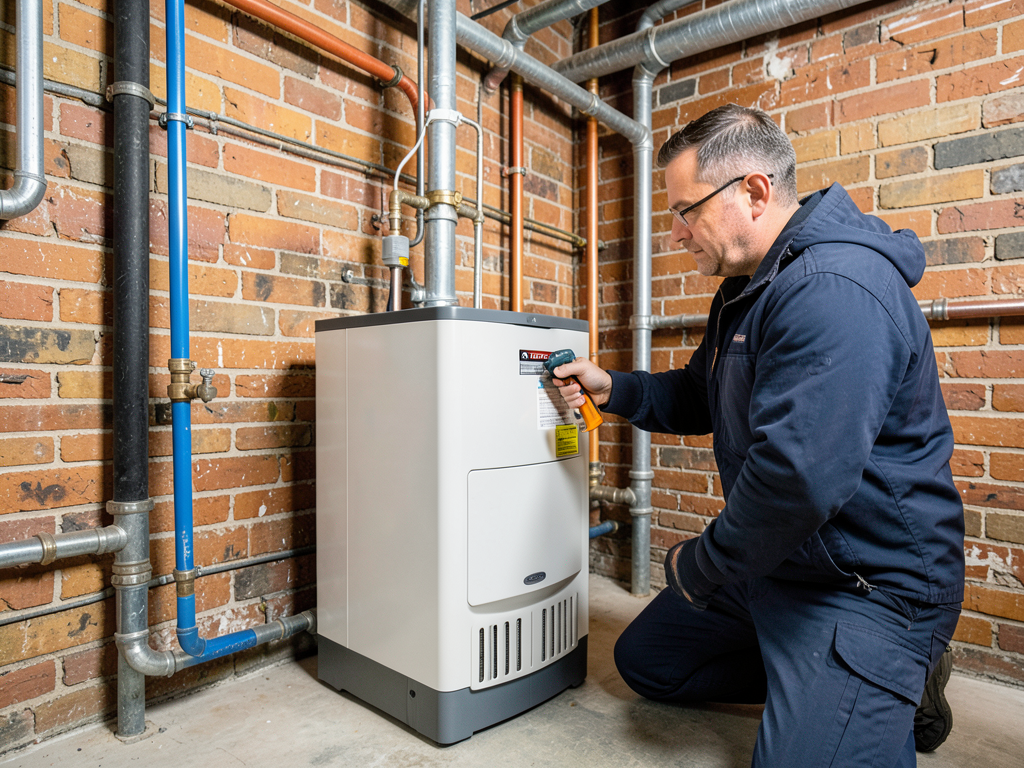
Understanding Chicago’s Water Hardness: The Lake Michigan Factor
Chicago’s water comes from Lake Michigan which has a moderate hardness level. The city’s Department of Water Management reports that Chicago’s water typically measures between 7 and 9 grains per gallon (GPG) of calcium carbonate. This puts our water in the “moderately hard” category according to the U.S. Geological Survey scale. City of Chicago Water Quality Report.
For Lakeview residents this matters because your plumbing systems and appliances deal with this mineral content every day. The calcium and magnesium in the water don’t pose health risks but they do create scale buildup in pipes and fixtures over time. This is especially noticeable in older Lakeview bungalows and two-flats where original plumbing may already be decades old.. Read more about Dealing with Hard Water Stains and Buildup on Your Fixtures in Norwood Park.
The question isn’t whether Chicago water is hard – it’s whether the hardness level in your specific home warrants a water softener investment. Your answer depends on your plumbing fixtures, appliance brands, and personal tolerance for mineral deposits.
Chicago Water Hardness Scale: Lakeview vs. Surrounding Areas
Water hardness varies across Chicagoland. Here’s how different areas compare:
| Location | Average GPG | Hardness Classification |
|---|---|---|
| Lakeview (Chicago) | 7-9 | Moderately Hard |
| Lincoln Park | 7-8 | Moderately Hard |
| Andersonville | 7-9 | Moderately Hard |
| Naperville (Well Water) | 15-20 | Hard |
| Joliet (Well Water) | 18-22 | Very Hard |
Lakeview’s water hardness falls in the middle range. This means you’ll see some scale buildup but not the severe mineral deposits common in suburban well water areas. The lake’s natural filtration through sand and gravel beds before entering the municipal system helps moderate the mineral content.
5 Signs Your Lakeview Home Might Need a Water Softener
Before investing in a water softener system consider these indicators specific to Chicago homes:
- Scale on Faucets and Showerheads – White crusty deposits around fixtures that require frequent cleaning
- Reduced Water Heater Efficiency – Your energy bills rising as mineral buildup insulates heating elements
- Soap Scum in Bathtubs – Difficulty getting soap to lather and persistent film on shower walls
- Dry Skin and Hair – That tight feeling after showering that makes moisturizer necessary
- Appliance Performance Issues – Dishwashers leaving spots on glassware or washing machines needing extra detergent
Many Lakeview homeowners notice these issues more in winter when cold water increases mineral precipitation. The historic homes in the area with their original plumbing are particularly susceptible to scale-related problems.
The Impact of Hard Water on Chicago Plumbing Systems
Chicago’s unique infrastructure creates specific challenges for hard water. The city’s aging water mains some over 100 years old already have reduced flow capacity. Adding scale buildup from hard water can significantly restrict water pressure in older homes.
Modern high-efficiency fixtures suffer differently. Tankless water heaters which many Lakeview homeowners install for energy savings are particularly vulnerable. Scale buildup on heat exchangers can reduce efficiency by 30% within two years without proper treatment.. Read more about Navien vs Rinnai — Which Tankless Water Heater Wins for Chicago Winters?.
The mineral composition of Lake Michigan water – primarily calcium carbonate with magnesium – interacts with Chicago’s typical plumbing materials. Copper pipes handle hard water better than galvanized steel which was common in pre-1960s construction. Many Lakeview homes still have their original galvanized pipes which scale buildup can clog completely.. Read more about Reverse Osmosis vs Carbon Filters — Which Is Right for Your Lakeview Condo?.
Commercial properties in areas like the West Loop face different challenges. High water usage means scale accumulates faster in boilers and cooling towers. Restaurants particularly struggle with hard water affecting coffee makers ice machines and dishwasher performance.
Cost-Benefit Analysis: Is the Investment Worth It for Your Lakeview Home?
Installing a whole-house water softener in Chicago typically costs between $1,500 and $2,500 including professional installation. Annual maintenance including salt replenishment runs about $100 to $200.
The potential savings break down like this:
| Category | Annual Savings | 10-Year Total |
|---|---|---|
| Soap and Detergent | $50-$80 | $650 |
| Energy Efficiency | $75-$150 | $1,125 |
| Appliance Longevity | $100-$200 | $1,500 |
| Plumbing Repairs | $50-$100 | $750 |
| Total Potential Savings | $275-$530 | $4,025 |
These numbers assume moderate water usage and average appliance efficiency. High-efficiency appliances and larger households see greater benefits. The break-even point typically occurs between 4 and 7 years depending on your specific situation.
For Lakeview’s historic homes the calculation shifts. Preventing scale buildup in original plumbing can extend pipe life by 10-15 years potentially saving thousands in repiping costs. The soft water also protects the vintage fixtures many homeowners want to preserve.
Local Regulations and Installation Requirements in Chicago
Chicago’s plumbing code has specific requirements for water softener installations. The city mandates that all residential water softeners include a bypass valve for outdoor spigots since soft water isn’t ideal for lawns or gardens.
Backflow prevention is critical. Chicago requires an approved air gap or reduced pressure principle backflow preventer on the discharge line. This prevents contaminated water from flowing back into the municipal supply during pressure drops.
Brine discharge regulations affect installation location. The wastewater from regeneration cycles must go to the sanitary sewer not the storm drain. This means softeners typically connect to a dedicated drain line rather than a floor drain. Wicker Park Sewer Line Repair Specialists for Older Chicago Homes.
For Lakeview’s older homes with unfinished basements installation is straightforward. Homes with finished basements may need creative solutions for the drain line and salt storage. The city also requires that softeners be installed by licensed plumbers familiar with local codes. Top Rated Plumbers for High Rise Condos in the Gold Coast.
Condo associations in buildings along Lakeview’s busy corridors often have additional requirements. Some buildings restrict where softeners can be installed due to shared plumbing systems and noise considerations from the regeneration cycle.
Alternative Solutions: Salt-Free Conditioners and Point-of-Use Systems
Not every Lakeview homeowner needs a whole-house system. Salt-free water conditioners use template-assisted crystallization to prevent scale without removing minerals. These systems cost $800 to $1,200 and require no salt or electricity.
Point-of-use solutions target specific problems. A tankless water heater filter costs $200 to $400 and protects just that appliance. Under-sink filters for drinking water address taste and odor without softening the entire house.
Reverse osmosis systems provide the purest water but waste 3-4 gallons for every gallon produced. They’re excellent for drinking water but impractical for whole-house use in Chicago’s climate where water conservation matters.
The choice depends on your priorities. If you’re mainly concerned about drinking water taste a simple carbon filter might suffice. If you want to protect a new $2,000 tankless water heater a dedicated filter makes sense. For comprehensive protection throughout a historic Lakeview home a whole-house system often proves most cost-effective.
Making the Right Choice for Your Lakeview Home
The “right” answer depends on your specific situation. Consider these factors:
- Your Water Usage – Larger households see faster payback on softener investments
- Appliance Types – High-efficiency appliances benefit more from soft water
- Plumbing Age – Older galvanized pipes suffer more from scale buildup
- Personal Preference – Some people prefer the feel of hard water on skin
- Environmental Concerns – Salt-based systems discharge brine into the wastewater system
For most Lakeview homes with moderately hard water a water softener isn’t absolutely necessary but it can provide meaningful benefits. The decision becomes more compelling if you have high water usage, valuable appliances, or older plumbing susceptible to scale damage.
Many homeowners start with a water test to establish baseline hardness. This $50 to $100 test provides concrete data about your specific water quality rather than relying on city-wide averages.
Remember that Chicago’s water hardness can fluctuate seasonally. Lake levels, treatment processes, and even weather patterns affect mineral content. What works in summer might need adjustment for winter conditions.
Frequently Asked Questions
Does Chicago’s hard water affect my health?
Hard water poses no health risks. In fact the calcium and magnesium in hard water contribute to your daily mineral intake. The concerns are purely about plumbing and appliance performance not health effects.
How long do water softeners last in Chicago’s climate?
Quality water softeners typically last 10-15 years in Chicago. The resin beads that remove minerals degrade over time especially with Chicago’s variable water quality. Regular maintenance including resin bed cleaning can extend system life.
Can I install a water softener myself?
DIY installation is possible but not recommended. Chicago’s plumbing code requires specific backflow prevention and proper drainage. Professional installation ensures code compliance and often includes warranty protection. The systems also require precise calibration based on your water’s actual hardness level.
Will a water softener remove lead from my pipes?
Water softeners don’t remove lead. If you have lead service lines or plumbing components you need a dedicated lead filtration system. Many Chicago homes built before 1986 may have lead components. The city offers lead testing kits through its Department of Water Management. EPA Water Heater Efficiency Guide.
How much salt does a water softener use annually?
A typical household uses 200-400 pounds of salt per year depending on water hardness and household size. This costs $30-$60 annually. Newer high-efficiency softeners use up to 40% less salt than older models.
Should I soften the water to my outdoor spigots?
No. Softened water contains elevated sodium levels which isn’t good for plants or lawns. Most systems include a bypass for outdoor spigots. You can also use potassium chloride instead of sodium chloride if you’re concerned about plant health.
Ready to Test Your Water Quality?
Understanding your specific water hardness is the first step toward making an informed decision. A simple water test reveals exactly what’s in your Lakeview home’s water and whether treatment makes sense for your situation.
Our licensed Chicago plumbers can test your water provide recommendations and install any necessary treatment systems. We’ll help you understand the costs benefits and maintenance requirements before you commit to anything. 24 Hour Emergency Plumbers in Lincoln Park for Immediate Help.
Call us today at (773) 514-5111 to schedule your water quality assessment. We serve all of Chicago including Lakeview Lincoln Park and surrounding neighborhoods. Our team understands the unique plumbing challenges of Chicago’s historic homes and can recommend solutions that protect your investment while meeting local code requirements.
Don’t wait until scale buildup causes expensive damage. Get the facts about your water quality and make the right choice for your home’s plumbing system.
{
“@context”: “https://schema.org”,
“@type”: “BlogPosting”,
“headline”: “Do You Actually Need a Water Softener for Your Lakeview Home?”,
“description”: “Is a water softener worth it for your Lakeview home? Learn about Chicago’s moderately hard water, the impact on appliances, and the real cost-benefit analysis.”,
“wordCount”: 1670,
“datePublished”: “2026-03-30T15:09:00.000Z”,
“dateModified”: “2026-03-30T15:09:00.000Z”,
“inLanguage”: “en-US”,
“mainEntityOfPage”: {
“@type”: “WebPage”,
“@id”: “https://aplusplumbingchicago.com”
},
“publisher”: {
“@type”: “LocalBusiness”,
“name”: “A Plus Plumbing Chicago”,
“url”: “https://aplusplumbingchicago.com”
},
“author”: {
“@type”: “Organization”,
“name”: “A Plus Plumbing Chicago”,
“url”: “https://aplusplumbingchicago.com”
},
“image”: {
“@type”: “ImageObject”,
“url”: “https://aplusplumbingchicago.com/wp-content/uploads/2026/03/do-you-actually-need-a-water-softener-for-your-lak-1.png”
}
}
{
“@context”: “https://schema.org”,
“@type”: “Plumber”,
“name”: “A Plus Plumbing Chicago”,
“url”: “https://aplusplumbingchicago.com”,
“address”: {
“@type”: “PostalAddress”,
“addressLocality”: “Chicago”
},
“areaServed”: {
“@type”: “City”,
“name”: “Chicago”
}
}
{
“@context”: “https://schema.org”,
“@type”: “FAQPage”,
“mainEntity”: [
{
“@type”: “Question”,
“name”: “Cost-Benefit Analysis: Is the Investment Worth It for Your Lakeview Home?”,
“acceptedAnswer”: {
“@type”: “Answer”,
“text”: “Installing a whole-house water softener in Chicago typically costs between $1,500 and $2,500 including professional installation. Annual maintenance including salt replenishment runs about $100 to $200.”
}
},
{
“@type”: “Question”,
“name”: “Does Chicago’s hard water affect my health?”,
“acceptedAnswer”: {
“@type”: “Answer”,
“text”: “Hard water poses no health risks. In fact the calcium and magnesium in hard water contribute to your daily mineral intake. The concerns are purely about plumbing and appliance performance not health effects.”
}
},
{
“@type”: “Question”,
“name”: “How long do water softeners last in Chicago’s climate?”,
“acceptedAnswer”: {
“@type”: “Answer”,
“text”: “Quality water softeners typically last 10-15 years in Chicago. The resin beads that remove minerals degrade over time especially with Chicago’s variable water quality. Regular maintenance including resin bed cleaning can extend system life.”
}
},
{
“@type”: “Question”,
“name”: “Can I install a water softener myself?”,
“acceptedAnswer”: {
“@type”: “Answer”,
“text”: “DIY installation is possible but not recommended. Chicago’s plumbing code requires specific backflow prevention and proper drainage. Professional installation ensures code compliance and often includes warranty protection. The systems also require precise calibration based on your water’s actual hardness level.”
}
},
{
“@type”: “Question”,
“name”: “Will a water softener remove lead from my pipes?”,
“acceptedAnswer”: {
“@type”: “Answer”,
“text”: “Water softeners don’t remove lead. If you have lead service lines or plumbing components you need a dedicated lead filtration system. Many Chicago homes built before 1986 may have lead components. The city offers lead testing kits through its Department of Water Management. EPA Water Heater Efficiency Guide.”
}
},
{
“@type”: “Question”,
“name”: “How much salt does a water softener use annually?”,
“acceptedAnswer”: {
“@type”: “Answer”,
“text”: “A typical household uses 200-400 pounds of salt per year depending on water hardness and household size. This costs $30-$60 annually. Newer high-efficiency softeners use up to 40% less salt than older models.”
}
},
{
“@type”: “Question”,
“name”: “Should I soften the water to my outdoor spigots?”,
“acceptedAnswer”: {
“@type”: “Answer”,
“text”: “No. Softened water contains elevated sodium levels which isn’t good for plants or lawns. Most systems include a bypass for outdoor spigots. You can also use potassium chloride instead of sodium chloride if you’re concerned about plant health.”
}
},
{
“@type”: “Question”,
“name”: “Ready to Test Your Water Quality?”,
“acceptedAnswer”: {
“@type”: “Answer”,
“text”: “Understanding your specific water hardness is the first step toward making an informed decision. A simple water test reveals exactly what’s in your Lakeview home’s water and whether treatment makes sense for your situation.”
}
}
]
}
{
“@context”: “https://schema.org”,
“@type”: “BreadcrumbList”,
“itemListElement”: [
{
“@type”: “ListItem”,
“position”: 1,
“name”: “Home”,
“item”: “https://aplusplumbingchicago.com”
},
{
“@type”: “ListItem”,
“position”: 2,
“name”: “Blog”,
“item”: “https://aplusplumbingchicago.com/blog”
},
{
“@type”: “ListItem”,
“position”: 3,
“name”: “Do You Actually Need a Water Softener for Your Lakeview Home?”
}
]
}
{
“@context”: “https://schema.org”,
“@type”: “Service”,
“serviceType”: “Plumbing”,
“provider”: {
“@type”: “LocalBusiness”,
“name”: “A Plus Plumbing Chicago”,
“url”: “https://aplusplumbingchicago.com”
},
“areaServed”: {
“@type”: “City”,
“name”: “Chicago”
},
“description”: “Is a water softener worth it for your Lakeview home? Learn about Chicago’s moderately hard water, the impact on appliances, and the real cost-benefit analysis.”
}