
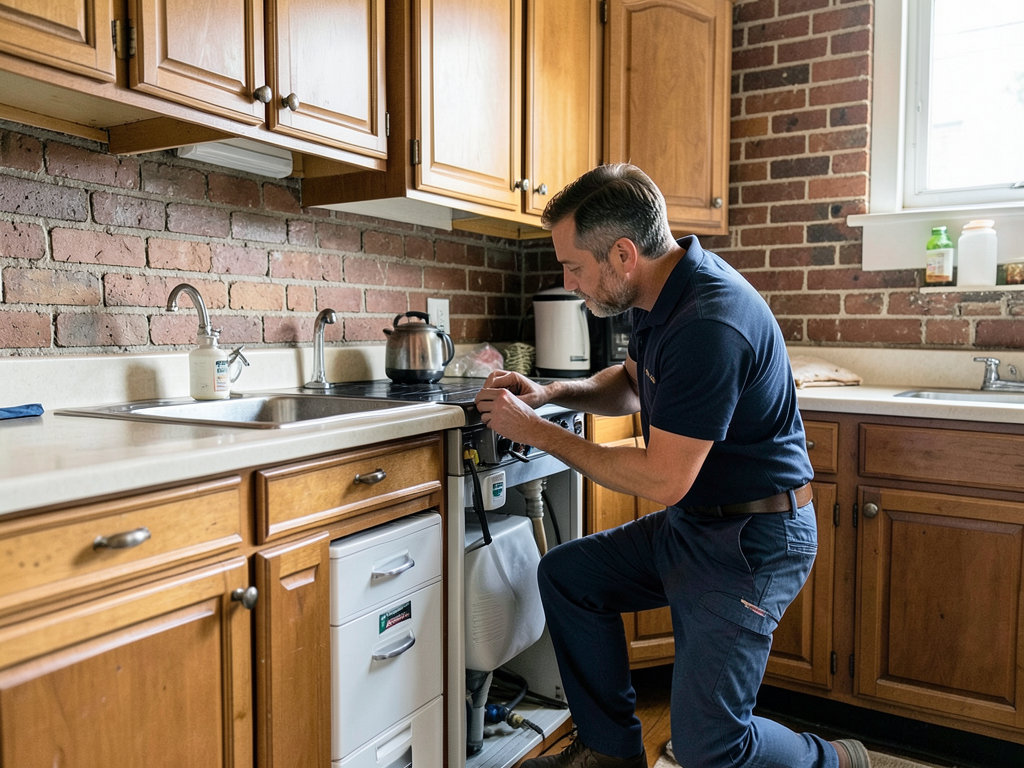
Reverse Osmosis vs Carbon Filters — Which Is Right for Your Lakeview Condo?
Living in a Lakeview condo means enjoying stunning views of Lake Michigan and Chicago’s vibrant neighborhoods. But the water flowing from your tap tells a different story. Chicago’s aging infrastructure and Lake Michigan’s unique composition create specific water quality challenges that most filtration systems don’t address effectively.
Before you invest in any water filtration system, you need to understand what’s actually in your water and which contaminants matter most for your health and your home. The choice between reverse osmosis and carbon filtration isn’t just about taste—it’s about protecting your family from lead, chlorine byproducts, and other pollutants common in Chicago’s water supply.
Chicago’s Water Quality Challenges for Condo Dwellers
Lake Michigan provides Chicago with some of the largest freshwater resources in the world. However the journey from the lake to your Lakeview condo involves multiple potential contamination points. The Chicago Department of Water Management treats water with chlorine to kill bacteria but this leaves behind chemical byproducts that affect taste and potentially health.
More concerning for Lakeview residents are the city’s lead service lines. Chicago has more lead pipes than any other major U.S. city with an estimated 400000 lead service lines still in use. These pipes corrode over time releasing lead into your drinking water. Lead exposure particularly affects children and pregnant women causing developmental delays and other serious health issues.
Your vintage Lakeview building likely has galvanized steel pipes that can also leach contaminants. Combined with the chlorine treatment from the Jardine Water Purification Plant near Navy Pier your tap water contains a cocktail of substances that basic filters can’t remove.
Understanding Reverse Osmosis Systems
Reverse osmosis systems force water through a semipermeable membrane that blocks contaminants larger than water molecules. This technology removes up to 99% of dissolved solids including lead arsenic and fluoride. For Lakeview condos where lead contamination is a real concern RO systems provide comprehensive protection.
RO systems typically include multiple stages: a sediment pre-filter to catch rust and debris a carbon filter to remove chlorine and improve taste and the reverse osmosis membrane itself. Some systems add a post-carbon filter for final polishing. The result is water that’s virtually free of contaminants.
However RO systems have drawbacks for condo living. They require space under your sink for the storage tank and multiple filters. The process wastes water with typical systems using 3-4 gallons to produce one gallon of purified water. The water pressure in older Lakeview buildings can also affect RO system performance requiring booster pumps.
Carbon Filtration Explained
Activated carbon filters work through adsorption where contaminants stick to the carbon surface. These systems excel at removing chlorine volatile organic compounds and improving taste and odor. Carbon block filters can also reduce lead but not as effectively as reverse osmosis.
Carbon filters come in various forms from simple pitcher filters to under-sink systems and whole-house units. For Lakeview condos countertop or under-sink carbon systems offer the best balance of effectiveness and space efficiency. They don’t waste water and maintain the beneficial minerals that RO systems remove.
The main limitation of carbon filtration is that it doesn’t remove dissolved solids heavy metals or microorganisms. If your primary concern is lead from old pipes or total dissolved solids from Lake Michigan’s mineral content carbon alone won’t provide adequate protection.
Space Considerations for Lakeview Living
Lakeview condos often feature compact kitchens with limited under-sink storage. This space constraint significantly impacts your filtration choices. Reverse osmosis systems require 3-5 gallons of storage capacity plus room for the manifold and filters. In a galley kitchen this might mean sacrificing cleaning supplies or trash storage.
Carbon systems offer more flexibility. Countertop units take minimal counter space while under-sink models can be installed alongside existing plumbing with minimal modification. For renters or those who move frequently carbon systems provide easier portability without permanent installation.. Read more about The Safe Way to Install an Ice Maker Line in Your Greektown Kitchen.
Some Lakeview buildings have specific plumbing configurations that complicate installation. Buildings constructed before 1960 often have galvanized pipes that corrode internally affecting water pressure and quality. Understanding your building’s plumbing history helps determine which system will work best.
Cost Comparison Over Time
Initial costs vary significantly between systems. Basic carbon pitcher filters cost $30-50 while quality under-sink carbon systems run $150-300. Reverse osmosis systems typically cost $300-600 for the unit plus $100-200 for professional installation in Chicago.
Operating costs tell a different story. Carbon filters need replacement every 6-12 months costing $50-100 annually. RO systems have more frequent filter changes with pre-filters every 6 months carbon filters annually and the membrane every 2-3 years. Annual maintenance costs $100-150 for carbon versus $150-200 for RO.
Water waste adds hidden costs for RO users. At 3-4 gallons wasted per gallon produced a family using 10 gallons daily wastes 30-40 gallons. This impacts both your water bill and environmental footprint—important considerations in water-conscious Chicago.
Performance Comparison Table
| Contaminant | Reverse Osmosis | Carbon Filter |
|---|---|---|
| Lead | 98-99% removal | 85-95% removal |
| Chlorine | 95-98% removal | 90-95% removal |
| Sediment | 99% removal | 85-90% removal |
| Arsenic | 95-99% removal | 0% removal |
| Fluoride | 90-95% removal | 0% removal |
| Volatile Organics | 95-99% removal | 80-90% removal |
| Bacteria/Viruses | 99.9% removal | 0% removal |
Installation Considerations for Chicago Buildings
Chicago’s building code affects how you can install water filtration. Older Lakeview buildings may have specific requirements for plumbing modifications. Some condo associations restrict permanent changes to plumbing systems requiring approval before installation.
Professional installation ensures compliance with local codes and prevents leaks that could damage your unit or neighboring properties. Chicago plumbers familiar with vintage building plumbing can navigate challenges like old shut-off valves corroded connections and limited access points. Top Rated Plumbers for High Rise Condos in the Gold Coast.
Water pressure in Chicago varies by neighborhood and building age. Lakeview’s older buildings often have lower pressure than newer high-rises. RO systems need adequate pressure to function properly—typically 40-80 PSI. Buildings with pressure below 40 PSI need booster pumps adding complexity and cost.
Maintenance Requirements
Both systems require regular maintenance but the schedules differ significantly. Carbon filters need replacement every 6-12 months depending on usage and water quality. Most systems have indicators showing when filters need changing but Chicago’s water quality means more frequent replacement than manufacturer minimums.
RO systems have multiple maintenance points. Pre-filters need replacement every 6 months carbon filters annually and the membrane every 2-3 years. The storage tank requires periodic sanitization to prevent bacterial growth. Annual professional maintenance costs $100-150 and ensures optimal performance.
Chicago’s water quality means more frequent maintenance than in other cities. The high mineral content and chlorine levels in Lake Michigan water cause filters to clog faster. Planning for biannual rather than annual replacement prevents performance degradation and maintains water quality.
Environmental Impact
Environmental considerations matter for Chicago residents who value the city’s lakefront and green spaces. RO systems waste significant water—up to 75% of incoming water goes down the drain. In a city surrounded by freshwater this might seem less critical but the energy required to pump treat and heat wasted water creates a substantial carbon footprint.
Carbon filters produce minimal waste beyond the filters themselves which can often be recycled. They don’t waste water and require less energy to operate. For environmentally conscious Lakeview residents this efficiency matters especially given Chicago’s commitment to sustainability and water conservation.
The filter waste from both systems eventually reaches landfills. RO systems produce more waste due to frequent filter changes and the membrane itself. Some manufacturers offer recycling programs but participation remains low. Carbon filters generally have a smaller environmental footprint over their lifecycle.
Water Taste and Quality
Taste preferences vary but most Chicago residents notice a difference after filtration. RO water tastes exceptionally clean and pure because it removes virtually all dissolved solids. This can be a pro or con—some people miss the minerals that give water a crisp taste.
Carbon filtration improves taste by removing chlorine and organic compounds but maintains beneficial minerals. The result is water that tastes fresh but still has character. For coffee tea and cooking many chefs prefer mineral content that carbon preserves but RO removes.
Chicago’s water has distinctive characteristics due to Lake Michigan’s mineral content. The high calcium and magnesium levels create hardness that affects both taste and appliance performance. Neither RO nor carbon directly addresses hardness but RO’s comprehensive removal changes water’s fundamental character more dramatically.
Best Use Cases for Each System
Reverse osmosis excels when lead removal is critical such as homes with children or pregnant women. It’s also ideal for people with compromised immune systems who need the highest level of protection from microorganisms and dissolved contaminants. If you’re concerned about total dissolved solids or want the purest possible drinking water RO delivers.
Carbon filtration works best for improving taste and removing chlorine when lead isn’t a primary concern. It’s ideal for renters who need portable solutions or condo owners who want minimal installation impact. If you’re satisfied with your water’s mineral content but dislike the chlorine taste carbon provides an effective solution.
For many Lakeview residents a hybrid approach makes sense. A whole-house carbon filter improves all water while an under-sink RO system provides purified drinking water. This combination addresses both taste concerns and health risks without the waste of whole-house RO.
Making Your Decision
Your choice depends on your specific concerns budget and living situation. Consider getting your water tested through the Chicago Department of Water Management or a certified lab. Testing costs $50-200 but provides concrete data about your water’s composition helping you make an informed decision.
Factor in your building’s characteristics. Vintage Lakeview buildings with lead pipes and galvanized plumbing need more comprehensive filtration than newer construction. Your water pressure affects which systems will work properly. Some buildings have pressure boosters that improve RO performance.
Consider your long-term plans. If you’re renting or plan to move soon carbon’s portability offers advantages. If you own and plan to stay carbon’s effectiveness and lower operating costs provide better long-term value. For families with children or health concerns RO’s superior contaminant removal justifies the higher cost.
Professional Installation Benefits
Professional installation prevents common problems that DIY approaches create. Chicago plumbers understand local building codes and can navigate vintage building plumbing challenges. They ensure proper connections prevent leaks and verify that systems meet manufacturer specifications for warranty coverage. 24 Hour Emergency Plumbers in Lincoln Park for Immediate Help.
Professional installation includes water quality testing before and after setup. This verification ensures your system works as advertised and identifies any additional treatment needs. Many Chicago plumbing companies offer maintenance plans that include regular filter changes and system checks.
Working with a local plumber provides ongoing support. If problems arise they can troubleshoot quickly. They understand Chicago’s water quality patterns and can recommend filter changes based on seasonal variations. This expertise proves valuable for maintaining optimal performance year-round.
Frequently Asked Questions
Does Chicago water really contain lead?
Yes Chicago has more lead service lines than any other U.S. city. The EPA estimates 400000 lead service lines remain in use. While the city treats water to minimize lead leaching corrosion can still release lead into your drinking water especially in older buildings.
Can I install these systems myself?
Basic carbon pitcher filters require no installation. Under-sink systems need plumbing connections that many homeowners can handle. However RO systems involve multiple connections pressure adjustments and potential building code compliance. Professional installation ensures proper function and prevents costly water damage.
How often should I test my water?
Test annually if you have known lead pipes or every 2-3 years for general water quality monitoring. After any plumbing work test again. The CDC recommends testing for lead if you have young children or pregnant women in your home regardless of known pipe materials.
Will filtration affect my water pressure?
Both systems can reduce pressure slightly. Carbon filters typically reduce pressure by 3-5 PSI. RO systems with storage tanks maintain pressure through the tank but can reduce flow rate. In buildings with marginal pressure RO might require a booster pump adding to installation costs.
Next Steps for Clean Water
Clean safe water starts with understanding your specific situation. Test your water identify your primary concerns and consider your living arrangements. Whether you choose reverse osmosis or carbon filtration professional guidance ensures you get the right system for your Lakeview condo.
Ready to improve your water quality? Call A Plus Plumbing Chicago at (773) 514-5111 for a free water quality consultation. Our Chicago plumbing experts understand local water challenges and can recommend the perfect filtration solution for your home. We serve Lakeview and all Chicago neighborhoods with fast professional service that protects your family’s health.
{
“@context”: “https://schema.org”,
“@type”: “BlogPosting”,
“headline”: “Reverse Osmosis vs Carbon Filters — Which Is Right for Your Lakeview Condo?”,
“description”: “Chicago water quality expert compares reverse osmosis and carbon filters for Lakeview condos. Learn which system removes lead and chlorine from Lake Michigan water.”,
“wordCount”: 2096,
“datePublished”: “2026-04-23T12:53:00.000Z”,
“dateModified”: “2026-04-23T12:53:00.000Z”,
“inLanguage”: “en-US”,
“mainEntityOfPage”: {
“@type”: “WebPage”,
“@id”: “https://aplusplumbingchicago.com”
},
“publisher”: {
“@type”: “LocalBusiness”,
“name”: “A Plus Plumbing Chicago”,
“url”: “https://aplusplumbingchicago.com”
},
“author”: {
“@type”: “Organization”,
“name”: “A Plus Plumbing Chicago”,
“url”: “https://aplusplumbingchicago.com”
},
“image”: {
“@type”: “ImageObject”,
“url”: “https://aplusplumbingchicago.com/wp-content/uploads/2026/03/reverse-osmosis-vs-carbon-filters-which-is-right-f-1.png”
}
}
{
“@context”: “https://schema.org”,
“@type”: “Plumber”,
“name”: “A Plus Plumbing Chicago”,
“url”: “https://aplusplumbingchicago.com”,
“address”: {
“@type”: “PostalAddress”,
“addressLocality”: “Chicago”
},
“areaServed”: {
“@type”: “City”,
“name”: “Chicago”
}
}
{
“@context”: “https://schema.org”,
“@type”: “FAQPage”,
“mainEntity”: [
{
“@type”: “Question”,
“name”: “Does Chicago water really contain lead?”,
“acceptedAnswer”: {
“@type”: “Answer”,
“text”: “Yes Chicago has more lead service lines than any other U.S. city. The EPA estimates 400000 lead service lines remain in use. While the city treats water to minimize lead leaching corrosion can still release lead into your drinking water especially in older buildings.”
}
},
{
“@type”: “Question”,
“name”: “Can I install these systems myself?”,
“acceptedAnswer”: {
“@type”: “Answer”,
“text”: “Basic carbon pitcher filters require no installation. Under-sink systems need plumbing connections that many homeowners can handle. However RO systems involve multiple connections pressure adjustments and potential building code compliance. Professional installation ensures proper function and prevents costly water damage.”
}
},
{
“@type”: “Question”,
“name”: “How often should I test my water?”,
“acceptedAnswer”: {
“@type”: “Answer”,
“text”: “Test annually if you have known lead pipes or every 2-3 years for general water quality monitoring. After any plumbing work test again. The CDC recommends testing for lead if you have young children or pregnant women in your home regardless of known pipe materials.”
}
},
{
“@type”: “Question”,
“name”: “Will filtration affect my water pressure?”,
“acceptedAnswer”: {
“@type”: “Answer”,
“text”: “Both systems can reduce pressure slightly. Carbon filters typically reduce pressure by 3-5 PSI. RO systems with storage tanks maintain pressure through the tank but can reduce flow rate. In buildings with marginal pressure RO might require a booster pump adding to installation costs.”
}
}
]
}
{
“@context”: “https://schema.org”,
“@type”: “BreadcrumbList”,
“itemListElement”: [
{
“@type”: “ListItem”,
“position”: 1,
“name”: “Home”,
“item”: “https://aplusplumbingchicago.com”
},
{
“@type”: “ListItem”,
“position”: 2,
“name”: “Blog”,
“item”: “https://aplusplumbingchicago.com/blog”
},
{
“@type”: “ListItem”,
“position”: 3,
“name”: “Reverse Osmosis vs Carbon Filters — Which Is Right for Your Lakeview Condo?”
}
]
}
{
“@context”: “https://schema.org”,
“@type”: “Service”,
“serviceType”: “Plumbing”,
“provider”: {
“@type”: “LocalBusiness”,
“name”: “A Plus Plumbing Chicago”,
“url”: “https://aplusplumbingchicago.com”
},
“areaServed”: {
“@type”: “City”,
“name”: “Chicago”
},
“description”: “Chicago water quality expert compares reverse osmosis and carbon filters for Lakeview condos. Learn which system removes lead and chlorine from Lake Michigan water.”
}