
Understanding Low-Flow Toilets in Chicago Homes
Chicago homeowners face unique plumbing challenges from Lake Michigan’s hard water to the city’s aging sewer systems. Low-flow toilets offer a practical solution to reduce water consumption while maintaining reliable performance. The key lies in understanding which models work best in Chicago’s specific conditions. City of Chicago water conservation.
WaterSense Certification and Performance Standards
The Environmental Protection Agency’s WaterSense label guarantees toilets use 1.28 gallons per flush or less while meeting strict performance criteria. In Chicago where water and sewer rates continue rising, these certified models can save a household hundreds of gallons annually. However not all low-flow toilets perform equally in real-world conditions.. Read more about Upgrading the Plumbing in Your Chicago Bungalow Without Breaking the Bank.
MaP Testing Scores Matter More Than You Think
Maximum Performance testing measures how many grams of solid waste a toilet can flush in a single operation. For Chicago homes with older plumbing systems look for models scoring at least 800 grams. Higher scores indicate better clog resistance and fewer service calls.. Read more about Essential Plumbing Inspection Tips Before You Buy a Bungalow in Portage Park.
Gravity-Fed vs Pressure-Assisted Flush Systems
Gravity-fed toilets dominate Chicago bathrooms due to their quiet operation and simpler maintenance. These models use bowl shape and trapway design to create flushing force. Pressure-assisted units deliver stronger flushes using compressed air but cost more and can be noisy in multi-family buildings common throughout Lakeview and Lincoln Park.. Read more about Choosing the Best ADA Compliant Bathroom Fixtures for Aging in Place.
Key Features That Prevent Clogs in Chicago Homes
Chicago’s clay soil and high water table create unique drainage challenges. Look for these features when selecting a low-flow toilet:
- Wide trapways of at least 2-1/8 inches
- Glazed trapways to prevent waste buildup
- Large water surface area for better bowl cleaning
- Direct-fed jet technology for powerful bowl wash
Top Low-Flow Toilet Categories for Chicago Properties
Best Overall Performance
The Kohler Wellworth stands out for Chicago bungalows and vintage two-flats. Its Class Five flushing technology handles Chicago’s hard water mineral buildup while maintaining 1.28 GPF efficiency. The model’s simple design means fewer parts to replace in older homes where maintenance access can be tricky.
Best Budget Option for Chicago Rentals
Property managers across Wicker Park and Bucktown choose the American Standard Cadet 3 for its durability and low maintenance costs. The EverClean surface resists staining from Chicago’s mineral-rich water and the 1.28 GPF model qualifies for most local utility rebates.
Best for Small Chicago Bathrooms
Chicago’s historic homes often feature compact bathrooms. The TOTO Aquia IV offers a sleek wall-hung design that saves floor space while delivering powerful 1.0 GPF dual-flush performance. Its skirted design also makes cleaning easier in tight spaces.
Best for High-Rise Condos
Residents in Gold Coast high-rises need quiet operation and strong flushing power. The Niagara Stealth uses vacuum-assist technology to deliver whisper-quiet 0.8 GPF performance. Its pressure-assisted design prevents weak flushes that can cause backups in buildings with long waste lines.
Technical Specifications Comparison
| Model | GPF | MaP Score | Flush Type | Chicago Rating |
|---|---|---|---|---|
| Kohler Wellworth | 1.28 | 1,000 | Gravity | Excellent |
| American Standard Cadet 3 | 1.28 | 1,200 | Gravity | Very Good |
| TOTO Aquia IV | 1.0 | 800 | Dual-Flush | Good |
| Niagara Stealth | 0.8 | 900 | Pressure | Excellent |
The Chicago Factor: Hard Water and Plumbing Challenges
Chicago’s water contains high levels of calcium and magnesium that create mineral deposits on toilet valves and jets. This buildup reduces flushing efficiency over time. Models with larger valve openings and rubber components resist clogging better in Chicago’s water conditions.
Installation Considerations for Historic Chicago Homes
Chicago bungalows built before 1950 often have cast iron waste pipes that corrode internally. These homes need toilets with stronger flush volumes to overcome reduced pipe diameter. The 12-inch rough-in dimension common in these homes also limits model choices compared to newer construction.
Chicago Rebates and Incentives
The City of Chicago Department of Water Management offers rebates for WaterSense certified toilets through the MeterSave program. Single-family homes can receive up to $40 per toilet when replacing older 3.5 GPF models. Multi-family buildings qualify for higher rebates based on unit count. EPA WaterSense program.
Installation Timeline and Process
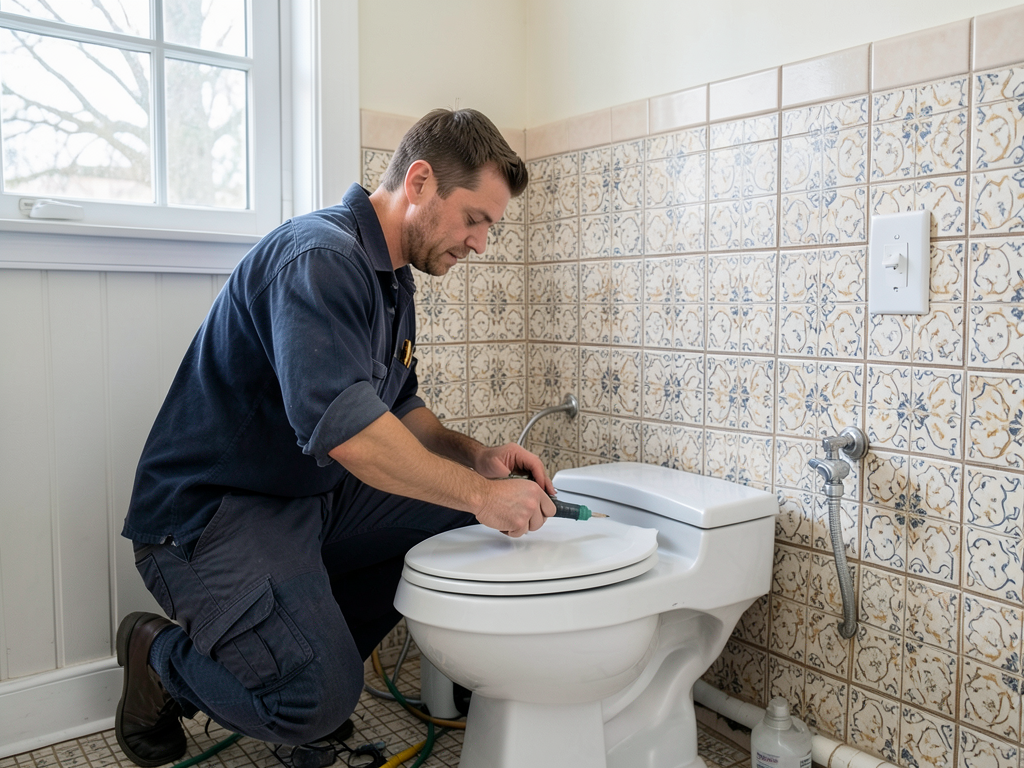
Professional installation typically takes 2-3 hours per toilet. Chicago building code requires licensed plumbers to pull permits for toilet replacements in multi-family buildings. The process includes: 24 Hour Emergency Plumbers in Lincoln Park for Immediate Help.
- Removing old toilet and wax ring
- Inspecting flange and closet bolts
- Installing new wax ring and toilet
- Testing for leaks and proper flush
- Applying for rebate documentation
Maintenance Tips for Chicago Low-Flow Toilets
Chicago’s freeze-thaw cycles can affect toilet seals and valves. Annual maintenance should include:
- Checking flapper for wear and mineral buildup
- Cleaning rim jets with vinegar solution
- Inspecting supply line for corrosion
- Testing flush valve for proper closure
Common Concerns and Solutions
Many Chicago homeowners worry low-flow toilets clog more frequently. This concern stems from early 1990s models with poor engineering. Modern designs with proper MaP scores actually clog less than older 3.5 GPF toilets because they flush waste more completely in a single operation.
Choosing the Right Model for Your Chicago Home
Consider these factors when selecting a low-flow toilet:
| Factor | Recommendation | Chicago Impact |
|---|---|---|
| Building Age | Older homes: 1.28 GPF minimum | Cast iron pipes need stronger flush |
| Water Pressure | Pressure-assisted for low pressure | High-rises benefit from stronger flush |
| Usage Frequency | Dual-flush for busy households | Reduces water bills significantly |
Installation Costs and ROI in Chicago Market
Professional toilet installation in Chicago ranges from $250 to $450 depending on complexity. The return on investment comes through:
- Water bill savings of $50-100 annually
- Rebate programs reducing net cost
- Increased home value with modern fixtures
- Fewer plumber calls for clogs and backups
Frequently Asked Questions
Do low-flow toilets really save money in Chicago?
Yes. Chicago’s high water and sewer rates mean a family of four can save $75-150 annually by switching from older 3.5 GPF toilets to WaterSense models. The savings increase with higher water usage.
Can I install a 1.28 GPF toilet in my 1920s Chicago bungalow?
Most 1920s bungalows can handle 1.28 GPF toilets if the waste pipes are in good condition. However homes with severely corroded cast iron pipes may need 1.6 GPF models or pipe replacement first.
How do I know if my toilet qualifies for Chicago rebates?
Check the EPA’s WaterSense product search tool or look for the WaterSense label on packaging. All qualifying models must use 1.28 GPF or less and pass independent performance testing.
What’s the best low-flow toilet for Chicago’s hard water?
Models with larger valve openings and rubber components resist mineral buildup best. The Kohler Wellworth and American Standard Cadet 3 both perform well in Chicago’s hard water conditions.
How long do low-flow toilets typically last in Chicago homes?
With proper maintenance, quality low-flow toilets last 15-20 years in Chicago. Harsh freeze-thaw cycles and mineral buildup can reduce lifespan if annual maintenance is neglected.
Making Your Decision
Choosing the right low-flow toilet for your Chicago home requires balancing performance, water savings, and local conditions. Start by checking your current toilet’s age and flush volume. If it’s pre-1994 with 3.5 GPF or higher, upgrading will provide immediate benefits.
Consider your home’s specific needs: older plumbing systems need stronger flush models, while modern condos can use ultra-high-efficiency units. Factor in available rebates and the long-term water savings when calculating total cost.
The best low-flow toilet for Chicago homes combines WaterSense certification with strong MaP scores, durable components for hard water resistance, and proper sizing for your bathroom space. Professional installation ensures proper sealing and prevents costly leaks.
Ready to upgrade your Chicago home’s toilet? Call A Plus Plumbing Chicago at (773) 514-5111 for expert advice and professional installation. Our licensed plumbers understand Chicago’s unique plumbing challenges and can recommend the perfect low-flow toilet for your specific needs.
Don’t wait for your old toilet to cause problems. Modern low-flow toilets save water, reduce utility bills, and prevent the frustration of weak flushes. Contact us today to schedule a consultation and take advantage of current rebate programs.
Learn more about our plumbing services in Bucktown
See our work in historic Wicker Park homes
High-rise toilet installation experts
{
“@context”: “https://schema.org”,
“@type”: “BlogPosting”,
“headline”: “How to Choose the Right Low-Flow Toilet That Actually Flushes Well Every Time”,
“description”: “Find the best low-flow toilets for Chicago homes. Learn about MaP scores, flush mechanisms, and local rebates to save water and money.”,
“wordCount”: 1318,
“datePublished”: “2026-03-29T07:00:00.000Z”,
“dateModified”: “2026-03-29T07:00:00.000Z”,
“inLanguage”: “en-US”,
“mainEntityOfPage”: {
“@type”: “WebPage”,
“@id”: “https://aplusplumbingchicago.com”
},
“publisher”: {
“@type”: “LocalBusiness”,
“name”: “A Plus Plumbing Chicago”,
“url”: “https://aplusplumbingchicago.com”
},
“author”: {
“@type”: “Organization”,
“name”: “A Plus Plumbing Chicago”,
“url”: “https://aplusplumbingchicago.com”
},
“image”: {
“@type”: “ImageObject”,
“url”: “https://aplusplumbingchicago.com/wp-content/uploads/2026/03/how-to-choose-the-right-low-flow-toilet-that-actua-1.png”
}
}
{
“@context”: “https://schema.org”,
“@type”: “Plumber”,
“name”: “A Plus Plumbing Chicago”,
“url”: “https://aplusplumbingchicago.com”,
“address”: {
“@type”: “PostalAddress”,
“addressLocality”: “Chicago”
},
“areaServed”: {
“@type”: “City”,
“name”: “Chicago”
}
}
{
“@context”: “https://schema.org”,
“@type”: “FAQPage”,
“mainEntity”: [
{
“@type”: “Question”,
“name”: “Do low-flow toilets really save money in Chicago?”,
“acceptedAnswer”: {
“@type”: “Answer”,
“text”: “Yes. Chicago’s high water and sewer rates mean a family of four can save $75-150 annually by switching from older 3.5 GPF toilets to WaterSense models. The savings increase with higher water usage.”
}
},
{
“@type”: “Question”,
“name”: “Can I install a 1.28 GPF toilet in my 1920s Chicago bungalow?”,
“acceptedAnswer”: {
“@type”: “Answer”,
“text”: “Most 1920s bungalows can handle 1.28 GPF toilets if the waste pipes are in good condition. However homes with severely corroded cast iron pipes may need 1.6 GPF models or pipe replacement first.”
}
},
{
“@type”: “Question”,
“name”: “How do I know if my toilet qualifies for Chicago rebates?”,
“acceptedAnswer”: {
“@type”: “Answer”,
“text”: “Check the EPA’s WaterSense product search tool or look for the WaterSense label on packaging. All qualifying models must use 1.28 GPF or less and pass independent performance testing.”
}
},
{
“@type”: “Question”,
“name”: “What’s the best low-flow toilet for Chicago’s hard water?”,
“acceptedAnswer”: {
“@type”: “Answer”,
“text”: “Models with larger valve openings and rubber components resist mineral buildup best. The Kohler Wellworth and American Standard Cadet 3 both perform well in Chicago’s hard water conditions.”
}
},
{
“@type”: “Question”,
“name”: “How long do low-flow toilets typically last in Chicago homes?”,
“acceptedAnswer”: {
“@type”: “Answer”,
“text”: “With proper maintenance, quality low-flow toilets last 15-20 years in Chicago. Harsh freeze-thaw cycles and mineral buildup can reduce lifespan if annual maintenance is neglected.”
}
}
]
}
{
“@context”: “https://schema.org”,
“@type”: “BreadcrumbList”,
“itemListElement”: [
{
“@type”: “ListItem”,
“position”: 1,
“name”: “Home”,
“item”: “https://aplusplumbingchicago.com”
},
{
“@type”: “ListItem”,
“position”: 2,
“name”: “Blog”,
“item”: “https://aplusplumbingchicago.com/blog”
},
{
“@type”: “ListItem”,
“position”: 3,
“name”: “How to Choose the Right Low-Flow Toilet That Actually Flushes Well Every Time”
}
]
}
{
“@context”: “https://schema.org”,
“@type”: “Service”,
“serviceType”: “Plumbing”,
“provider”: {
“@type”: “LocalBusiness”,
“name”: “A Plus Plumbing Chicago”,
“url”: “https://aplusplumbingchicago.com”
},
“areaServed”: {
“@type”: “City”,
“name”: “Chicago”
},
“description”: “Find the best low-flow toilets for Chicago homes. Learn about MaP scores, flush mechanisms, and local rebates to save water and money.”
}