
Upgrading the Plumbing in Your Chicago Bungalow Without Breaking the Bank
Chicago bungalows built between 1910 and 1940 have unique plumbing systems that require specialized knowledge to upgrade. These historic homes feature the original “Chicago Stack” design with materials like galvanized steel and lead pipes that have reached the end of their lifespan. Many homeowners in neighborhoods like Portage Park and Berwyn face constant plumbing challenges from aging infrastructure. This guide shows you how to modernize your bungalow’s plumbing system while preserving its historic character and staying within budget. Chicago Bungalow Association.
Understanding Your Bungalow’s Original Plumbing System
The Chicago Stack was an innovative plumbing design that served as both the drain and vent system in one vertical pipe. This configuration worked well for decades but now causes multiple issues in vintage homes. The original materials included galvanized steel pipes that corrode from the inside out and lead service lines that pose health risks. Many bungalows also feature cast iron drain pipes that crack over time due to Chicago’s clay soil shifting beneath foundations.. Read more about The Real Pros and Cons of Epoxy Pipe Lining for Chicago Homeowners.
Common problems in these systems include low water pressure from corroded galvanized pipes, frequent clogs from mineral buildup, and the risk of lead contamination in drinking water. The stack design often creates gurgling sounds and slow drainage because the venting system becomes restricted over time. Basement flooding occurs when catch basins fail or when the combined sewer system backs up during heavy rains. Wicker Park Sewer Line Repair Specialists for Older Chicago Homes.
Lead Service Line Replacement: A Critical First Step
Chicago has one of the highest percentages of lead service lines in the nation. The City of Chicago Department of Water Management offers a lead service line replacement program that covers the cost of replacing the city-owned portion of the line. Homeowners are responsible for replacing the private side from the property line to the house. City of Chicago Lead Service Line Replacement Program.
Replacing lead service lines requires permits and must follow specific city guidelines. The process involves excavating the old line, installing new copper piping, and coordinating with the water department for final connection. Most replacements take two to three days and cost between $3,000 and $5,000 for the private portion.
The health benefits of removing lead pipes cannot be overstated. Lead exposure can cause developmental issues in children and various health problems in adults. Modern copper or PEX piping provides clean water delivery without the risks associated with lead contamination.
Galvanized Steel Pipe Replacement Options
Galvanized steel pipes corrode from the inside, reducing water flow and causing rust-colored water. These pipes typically last 40 to 50 years, meaning most bungalow plumbing is well past its useful life. Complete replacement with copper or PEX piping improves water pressure and eliminates the risk of sudden pipe failure.
Copper repiping costs approximately $2 to $4 per linear foot for exposed pipes and $4 to $8 per linear foot for pipes behind walls. PEX piping offers a more affordable alternative at $1 to $3 per linear foot and provides better freeze resistance. The choice between copper and PEX depends on your budget and whether you prefer the durability of copper or the flexibility and cost savings of PEX.
Many homeowners opt for partial repiping, starting with the main water supply line and critical fixtures. This approach spreads the cost over time while still addressing the most problematic areas. Repiping one bathroom or kitchen at a time allows you to budget the project over several years.. Read more about Choosing the Best ADA Compliant Bathroom Fixtures for Aging in Place.
Stack and Vent System Upgrades
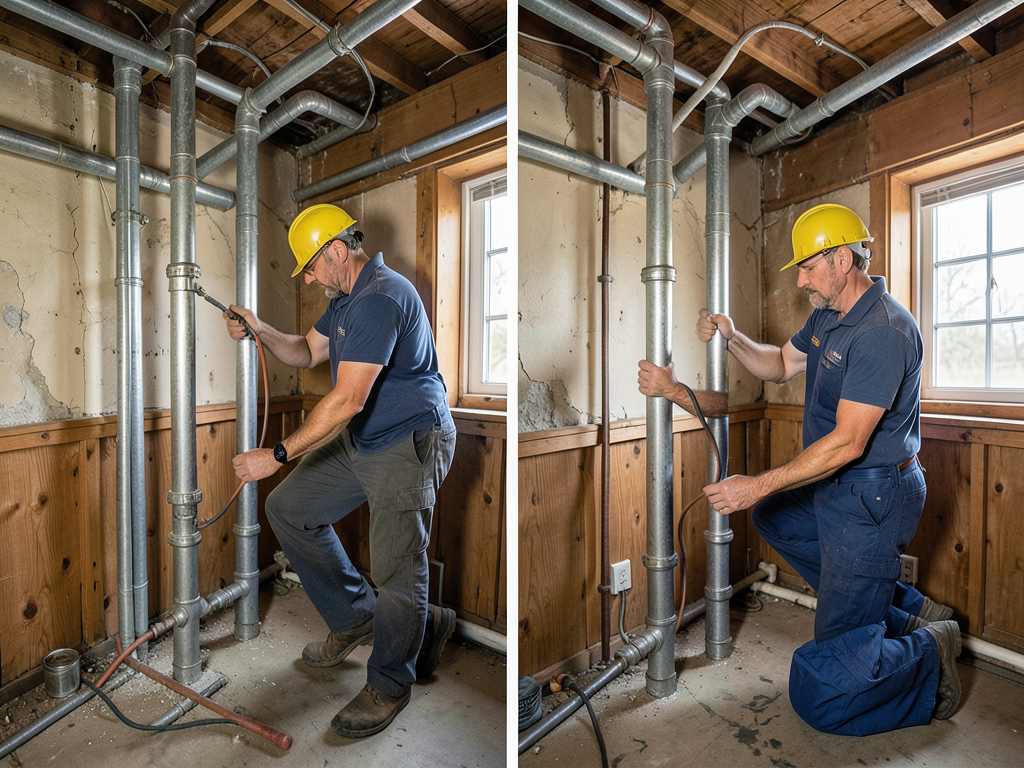
The original Chicago Stack design creates multiple issues in modern homes. Upgrading to a conventional stack and vent system improves drainage and eliminates gurgling sounds. This process involves removing the old stack and installing separate drain and vent pipes that meet current building codes.
Stack replacement typically costs $2,500 to $4,500 depending on the complexity of your home’s layout. The work requires opening walls and ceilings to access the pipes, so many homeowners combine this with other renovation projects to minimize disruption and cost.
Modern vent systems prevent sewer gases from entering your home and ensure proper drainage. The new configuration meets Chicago Plumbing Code requirements and provides better long-term reliability than the original stack design.
Basement Flooding Solutions for Chicago Bungalows
Chicago’s high water table and combined sewer system create flooding risks for bungalow basements. Installing an overhead sewer system provides the most comprehensive protection against basement flooding. This system pumps wastewater up to the main sewer line, preventing backups during heavy rains.
Overhead sewer installation costs $8,000 to $15,000 but can save thousands in potential flood damage. The system includes a new sump pump, check valves, and modified plumbing connections. Many homeowners qualify for Chicago’s Basement Flooding Prevention Program, which offers rebates up to $4,000 for flood control measures.
Flood control valves and backwater preventers provide less expensive alternatives at $2,000 to $4,000. These devices prevent sewer water from flowing back into your home but do not address groundwater seepage. Sump pumps with battery backup systems cost $1,500 to $3,000 and protect against groundwater flooding.
Cost Comparison: Traditional vs. Trenchless Sewer Repair
| Repair Method | Average Cost | Duration | Disruption Level |
|---|---|---|---|
| Traditional Excavation | $4,000 – $10,000 | 2-4 days | High |
| Trenchless Lining | $5,000 – $12,000 | 1-2 days | Low |
| Trenchless Pipe Bursting | $6,000 – $15,000 | 1-3 days | Medium |
Trenchless technology offers less invasive options for sewer line repair. Pipe lining creates a new pipe within the old one without excavation. Pipe bursting breaks the old pipe while pulling a new one through the same path. Both methods work well for bungalows where landscaping and driveways make traditional excavation difficult.
Permit Requirements and City Regulations
Chicago requires permits for most plumbing work including pipe replacement, fixture installation, and water heater replacement. The Department of Buildings issues plumbing permits and conducts inspections to ensure work meets the Chicago Plumbing Code. Lead service line replacement requires coordination with the Department of Water Management.
Historic preservation guidelines may apply if your bungalow is in a designated historic district. The Chicago Bungalow Association provides resources for maintaining historic character while upgrading systems. Some upgrades may qualify for historic preservation tax credits if they meet specific criteria.
Working with a licensed Chicago plumber ensures your project meets all code requirements. Licensed plumbers understand local regulations and can navigate the permit process efficiently. They also carry insurance that protects you from liability during the work. Top Rated Plumbers for High Rise Condos in the Gold Coast.
Financing Options for Plumbing Upgrades
Several financing options exist for plumbing upgrades. Home equity loans and lines of credit offer low interest rates for homeowners with sufficient equity. Personal loans provide quick funding without using your home as collateral. Some contractors offer in-house financing with promotional rates.
The City of Chicago offers various assistance programs for qualifying homeowners. The Single Family Program provides grants for home repairs including plumbing upgrades. The Low Income Home Energy Assistance Program (LIHEAP) helps with energy-related repairs that may include plumbing improvements.
Payment plans allow you to spread costs over time. Many plumbing companies offer 6 to 12-month same-as-cash financing. This option lets you complete necessary repairs immediately while managing payments within your budget.
DIY vs. Professional Plumbing Upgrades
Some plumbing tasks are suitable for DIY while others require professional expertise. Replacing fixtures like faucets and showerheads is straightforward for most homeowners. Installing new supply lines under sinks or toilets can be done with basic tools and careful attention to detail.
Major projects like repiping, stack replacement, and sewer line work require professional plumbers. These tasks involve permits, code compliance, and specialized tools. Incorrect installation can cause water damage, code violations, and expensive repairs. 24 Hour Emergency Plumbers in Lincoln Park for Immediate Help.
Professional plumbers bring experience with bungalow-specific challenges. They understand the original construction methods and know how to work within the constraints of vintage homes. Their expertise prevents common mistakes that could compromise your home’s structure or plumbing system.
Energy Efficiency Improvements
Modern plumbing upgrades can reduce water and energy consumption. Low-flow fixtures save water without sacrificing performance. Tankless water heaters provide hot water on demand, reducing energy costs by up to 30 percent compared to traditional tanks.
Insulating hot water pipes reduces heat loss and can raise water temperature by 2 to 4 degrees. This allows you to lower your water heater thermostat setting, saving additional energy. Pipe insulation costs $1 to $2 per linear foot and pays for itself through energy savings within a year.
Smart water monitors detect leaks early and can shut off water automatically if a major leak occurs. These devices cost $200 to $500 but can prevent thousands in water damage. Some insurance companies offer discounts for homes with leak detection systems.
Maintaining Your Upgraded Plumbing System
Regular maintenance extends the life of your plumbing upgrades. Annual inspections catch small problems before they become major repairs. Drain cleaning prevents clogs and maintains proper flow through your pipes.
Water heater maintenance includes flushing sediment annually and checking the anode rod every three years. This simple maintenance can double your water heater’s lifespan. Sump pump testing before rainy seasons ensures your basement stays dry.
Water pressure testing helps identify problems early. High pressure stresses pipes and fixtures, while low pressure indicates potential blockages or leaks. A pressure gauge costs under $20 and provides valuable information about your system’s health.
Choosing the Right Plumber for Your Bungalow
Experience with vintage homes is crucial when selecting a plumber for your bungalow. Look for contractors who understand historic construction methods and Chicago’s specific building codes. Ask about their experience with lead pipe replacement and stack system upgrades.
Check licenses and insurance before hiring any plumber. Chicago requires a valid plumbing license for most work. Insurance protects you from liability if accidents occur during the project. Request references from similar projects and verify their credentials with the state licensing board.
Transparent pricing and clear communication indicate a professional contractor. Avoid companies that provide vague estimates or pressure you into immediate decisions. A reputable plumber will explain your options, provide detailed quotes, and answer all your questions thoroughly.
Frequently Asked Questions
How long does a complete bungalow plumbing upgrade take?
Most comprehensive plumbing upgrades take one to two weeks depending on the scope of work. Simple projects like fixture replacement take one to two days. Major repiping or sewer work may require three to five days. Your plumber can provide a detailed timeline after assessing your specific needs.
Can I keep my vintage fixtures while upgrading the plumbing?
Yes, many homeowners preserve original fixtures for historic character. However, vintage fixtures often require modifications to work with modern plumbing. Some may need new internal components or adapters to connect to updated supply lines. A skilled plumber can help you determine which fixtures can be preserved and which should be replaced.
What permits do I need for plumbing upgrades in Chicago?
Chicago requires permits for most plumbing work including pipe replacement, fixture installation, and water heater replacement. Lead service line replacement requires coordination with the Department of Water Management. Your licensed plumber typically handles permit applications and inspections as part of their service.
How much should I budget for a complete plumbing system upgrade?
Complete plumbing system upgrades for Chicago bungalows typically cost $8,000 to $20,000 depending on the home’s size and the extent of work needed. Lead service line replacement adds $3,000 to $5,000. Stack replacement costs $2,500 to $4,500. Your specific costs depend on your home’s condition and the materials you choose.
Will upgrading my plumbing increase my home’s value?
Yes, updated plumbing systems increase home value and marketability. Buyers appreciate knowing the plumbing is modern and reliable. Energy-efficient upgrades like tankless water heaters and low-flow fixtures provide ongoing utility savings that appeal to potential buyers. The return on investment varies but typically ranges from 50 to 80 percent of the upgrade cost.. Read more about Converting Your Gas Range to Electric — What You Need to Know About Gas Lines in Ukrainian Village.
How do I know if my bungalow has lead pipes?
Lead pipes are dull gray and soft enough to scratch with a screwdriver. If you scratch the pipe and see shiny silver metal underneath, it may be lead. However, visual inspection alone is not reliable. Professional testing can confirm whether your home has lead service lines or pipes. The City of Chicago also maintains records of lead service line installations. Why River North Business Owners Trust Us for Rapid Commercial Plumbing Repairs.
What’s the difference between copper and PEX piping?
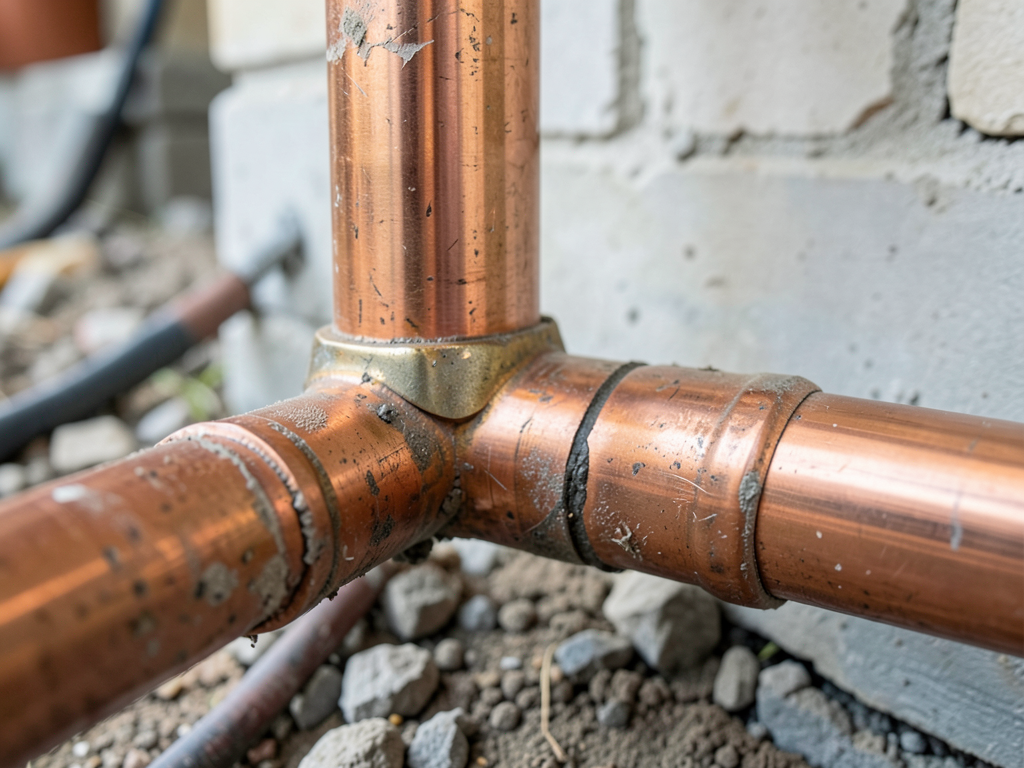
Copper piping lasts 50+ years and handles high temperatures well. It’s more expensive but has a proven track record. PEX piping is flexible, resists freezing, and costs less. It’s easier to install in existing walls but has a shorter lifespan of 30 to 50 years. Both materials meet current plumbing codes when installed properly.
Take the Next Step Toward Reliable Plumbing
Upgrading your Chicago bungalow’s plumbing system protects your home’s value and ensures reliable water service for years to come. Whether you need lead pipe replacement, stack repairs, or a complete system overhaul, professional expertise makes the difference between a temporary fix and a lasting solution.
Don’t wait for a plumbing emergency to address your bungalow’s aging infrastructure. Call A Plus Plumbing Chicago today at (773) 514-5111 for a comprehensive assessment of your home’s plumbing needs. Our experienced team understands the unique challenges of Chicago bungalows and provides transparent pricing with no hidden costs.
We serve homeowners throughout Chicago’s bungalow belt including Portage Park, Berwyn, and surrounding neighborhoods. Our licensed plumbers carry proper insurance and handle all required permits. Schedule your consultation today and take the first step toward worry-free plumbing in your historic home.
{
“@context”: “https://schema.org”,
“@type”: “BlogPosting”,
“headline”: “Upgrading the Plumbing in Your Chicago Bungalow Without Breaking the Bank”,
“description”: “Expert guide to upgrading vintage Chicago bungalow plumbing affordably. Learn lead pipe replacement, stack repairs, and modern solutions for historic homes.”,
“wordCount”: 2262,
“datePublished”: “2026-04-02T10:25:00.000Z”,
“dateModified”: “2026-04-02T10:25:00.000Z”,
“inLanguage”: “en-US”,
“mainEntityOfPage”: {
“@type”: “WebPage”,
“@id”: “https://aplusplumbingchicago.com”
},
“publisher”: {
“@type”: “LocalBusiness”,
“name”: “A Plus Plumbing Chicago”,
“url”: “https://aplusplumbingchicago.com”
},
“author”: {
“@type”: “Organization”,
“name”: “A Plus Plumbing Chicago”,
“url”: “https://aplusplumbingchicago.com”
},
“image”: {
“@type”: “ImageObject”,
“url”: “https://aplusplumbingchicago.com/wp-content/uploads/2026/03/upgrading-the-plumbing-in-your-chicago-bungalow-wi-1.png”
}
}
{
“@context”: “https://schema.org”,
“@type”: “Plumber”,
“name”: “A Plus Plumbing Chicago”,
“url”: “https://aplusplumbingchicago.com”,
“address”: {
“@type”: “PostalAddress”,
“addressLocality”: “Chicago”
},
“areaServed”: {
“@type”: “City”,
“name”: “Chicago”
}
}
{
“@context”: “https://schema.org”,
“@type”: “FAQPage”,
“mainEntity”: [
{
“@type”: “Question”,
“name”: “How long does a complete bungalow plumbing upgrade take?”,
“acceptedAnswer”: {
“@type”: “Answer”,
“text”: “Most comprehensive plumbing upgrades take one to two weeks depending on the scope of work. Simple projects like fixture replacement take one to two days. Major repiping or sewer work may require three to five days. Your plumber can provide a detailed timeline after assessing your specific needs.”
}
},
{
“@type”: “Question”,
“name”: “Can I keep my vintage fixtures while upgrading the plumbing?”,
“acceptedAnswer”: {
“@type”: “Answer”,
“text”: “Yes, many homeowners preserve original fixtures for historic character. However, vintage fixtures often require modifications to work with modern plumbing. Some may need new internal components or adapters to connect to updated supply lines. A skilled plumber can help you determine which fixtures can be preserved and which should be replaced.”
}
},
{
“@type”: “Question”,
“name”: “What permits do I need for plumbing upgrades in Chicago?”,
“acceptedAnswer”: {
“@type”: “Answer”,
“text”: “Chicago requires permits for most plumbing work including pipe replacement, fixture installation, and water heater replacement. Lead service line replacement requires coordination with the Department of Water Management. Your licensed plumber typically handles permit applications and inspections as part of their service.”
}
},
{
“@type”: “Question”,
“name”: “How much should I budget for a complete plumbing system upgrade?”,
“acceptedAnswer”: {
“@type”: “Answer”,
“text”: “Complete plumbing system upgrades for Chicago bungalows typically cost $8,000 to $20,000 depending on the home’s size and the extent of work needed. Lead service line replacement adds $3,000 to $5,000. Stack replacement costs $2,500 to $4,500. Your specific costs depend on your home’s condition and the materials you choose.”
}
},
{
“@type”: “Question”,
“name”: “Will upgrading my plumbing increase my home’s value?”,
“acceptedAnswer”: {
“@type”: “Answer”,
“text”: “Yes, updated plumbing systems increase home value and marketability. Buyers appreciate knowing the plumbing is modern and reliable. Energy-efficient upgrades like tankless water heaters and low-flow fixtures provide ongoing utility savings that appeal to potential buyers. The return on investment varies but typically ranges from 50 to 80 percent of the upgrade cost.”
}
},
{
“@type”: “Question”,
“name”: “How do I know if my bungalow has lead pipes?”,
“acceptedAnswer”: {
“@type”: “Answer”,
“text”: “Lead pipes are dull gray and soft enough to scratch with a screwdriver. If you scratch the pipe and see shiny silver metal underneath, it may be lead. However, visual inspection alone is not reliable. Professional testing can confirm whether your home has lead service lines or pipes. The City of Chicago also maintains records of lead service line installations. Why River North Business Owners Trust Us for Rapid Commercial Plumbing Repairs.”
}
},
{
“@type”: “Question”,
“name”: “What’s the difference between copper and PEX piping?”,
“acceptedAnswer”: {
“@type”: “Answer”,
“text”: “Copper piping lasts 50+ years and handles high temperatures well. It’s more expensive but has a proven track record. PEX piping is flexible, resists freezing, and costs less. It’s easier to install in existing walls but has a shorter lifespan of 30 to 50 years. Both materials meet current plumbing codes when installed properly.”
}
}
]
}
{
“@context”: “https://schema.org”,
“@type”: “BreadcrumbList”,
“itemListElement”: [
{
“@type”: “ListItem”,
“position”: 1,
“name”: “Home”,
“item”: “https://aplusplumbingchicago.com”
},
{
“@type”: “ListItem”,
“position”: 2,
“name”: “Blog”,
“item”: “https://aplusplumbingchicago.com/blog”
},
{
“@type”: “ListItem”,
“position”: 3,
“name”: “Upgrading the Plumbing in Your Chicago Bungalow Without Breaking the Bank”
}
]
}
{
“@context”: “https://schema.org”,
“@type”: “Service”,
“serviceType”: “Plumbing”,
“provider”: {
“@type”: “LocalBusiness”,
“name”: “A Plus Plumbing Chicago”,
“url”: “https://aplusplumbingchicago.com”
},
“areaServed”: {
“@type”: “City”,
“name”: “Chicago”
},
“description”: “Expert guide to upgrading vintage Chicago bungalow plumbing affordably. Learn lead pipe replacement, stack repairs, and modern solutions for historic homes.”
}