
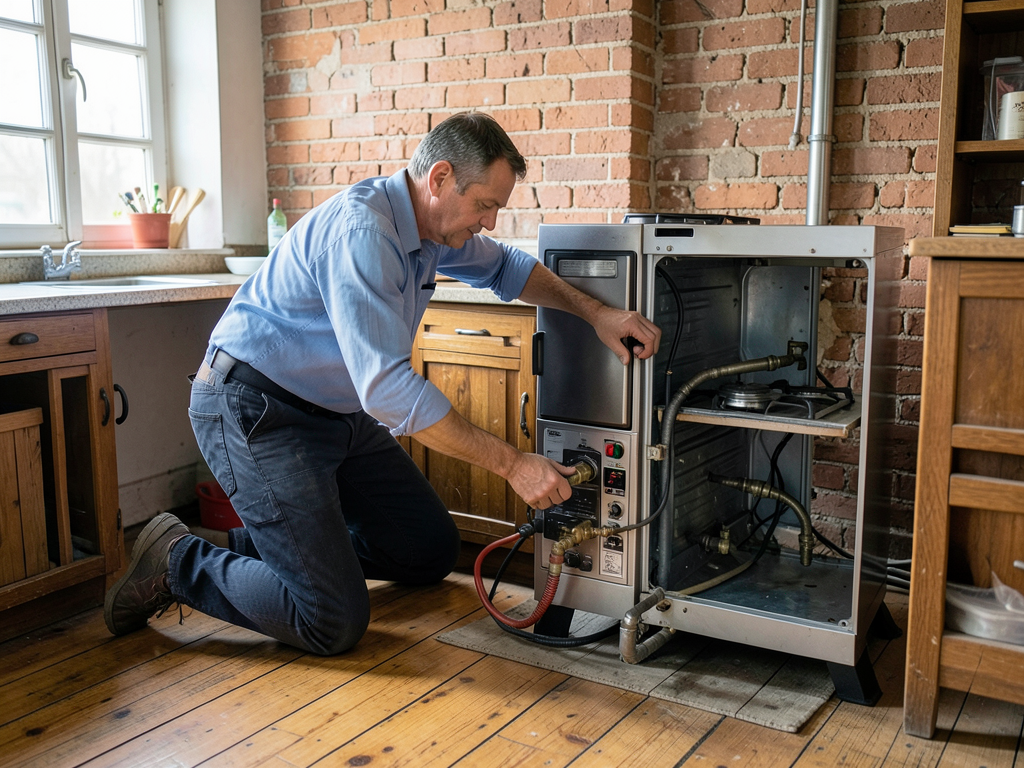
Converting Your Gas Range to Electric — What You Need to Know About Gas Lines in Ukrainian Village
Planning to swap your gas range for an electric model in Ukrainian Village starts with understanding your home’s gas line system. Many Chicago homes in this historic neighborhood have aging gas infrastructure that requires careful handling when making the switch. Before you buy that new electric range you need to address the gas line that currently feeds your stove. Chicago Building Permit Requirements.
Gas lines in Ukrainian Village often run through century-old brick buildings with plaster walls and hardwood floors. These older systems typically use black iron pipe rather than modern CSST tubing. The pipes may have been installed decades ago and could show signs of corrosion or wear. When you remove a gas range you cannot simply cap the line yourself and walk away. Chicago building codes require licensed professionals to handle any gas line modifications.
The first step involves shutting off the gas supply at the main meter. This requires coordination with Peoples Gas since the shutoff valve is often located outside the building. Once the gas is off a licensed plumber will disconnect the line from your range and determine whether the pipe can be capped at that location or needs to be removed entirely back to the manifold. In many Ukrainian Village kitchens the gas line runs through walls or floors making the process more complex than in newer construction. Peoples Gas Safety Guidelines.
Pressure testing follows the capping process. This test verifies the integrity of the entire gas system after modifications. The plumber uses a manometer to check for leaks by pressurizing the line and monitoring for pressure drops over time. Chicago code requires this test even for small modifications like capping a single appliance line. Without proper testing you risk gas leaks that could lead to carbon monoxide poisoning or explosions.
Permits from the City of Chicago Department of Buildings are mandatory for gas line work. The permit process ensures the work meets current safety standards and will be inspected by a city official. In Ukrainian Village many buildings are subject to additional scrutiny due to their historic status. Your plumber should handle the permit process and schedule the final inspection. Skipping permits can result in fines and insurance complications if problems arise later.
The cost of converting from gas to electric varies based on several factors. Simple capping jobs where the line can remain in place might cost a few hundred dollars. More complex scenarios involving pipe removal through finished walls or floors cost significantly more. Electric range installation also requires a dedicated 240-volt circuit which may need to be added if your kitchen lacks one. Factor in these electrical costs when budgeting for your kitchen upgrade.
Ukrainian Village homes present unique challenges due to their age and construction style. Many properties have shared gas meters for multi-unit buildings making coordination with neighbors necessary. The thick brick walls common in this area can make running new electrical circuits difficult. Some homes have converted their heating systems from gas to electric already making the range conversion part of a larger electrification project.
Safety remains the top priority throughout this process. Gas leaks can be deadly and often go undetected until it is too late. Licensed plumbers use electronic leak detectors and bubble solutions to verify all connections are secure. They also check for proper ventilation since electric ranges have different requirements than gas models. The goal is not just to remove the gas line but to ensure your kitchen remains safe for years to come. Top Rated Plumbers for High Rise Condos in the Gold Coast.
Timing matters when planning this conversion. Kitchen remodels often involve multiple contractors working on different aspects of the project. The gas line work should happen after demolition but before new cabinets are installed. This timing allows the plumber to access the area easily and prevents damage to new finishes. Coordinating with your electrician ensures both the gas line removal and electrical circuit installation happen smoothly.
Many Ukrainian Village residents choose to go all-electric as part of a broader sustainability effort. Electric cooking eliminates indoor air pollution from gas combustion and reduces reliance on fossil fuels. However the transition requires careful planning to maintain kitchen functionality during the switch. Having a backup cooking method available during the renovation period helps minimize disruption to your daily routine.
Understanding your specific situation helps determine the scope of work needed. Homes built before 1950 may have different gas line configurations than those from the 1960s or later. Some properties have flexible gas connectors that can be easily disconnected while others require cutting and threading new pipe ends. A professional assessment reveals these details before work begins.
The decision to convert from gas to electric represents a significant change in how you use your kitchen. While the upfront costs and planning may seem daunting the long-term benefits include improved safety, easier cleaning, and often better temperature control for cooking. Taking the time to properly address the gas line ensures your new electric range installation proceeds without complications.
Ready to make the switch in your Ukrainian Village home? Contact a licensed Chicago plumber who understands the unique requirements of your neighborhood’s historic buildings. They will handle the gas line safely, pull the necessary permits, and ensure your kitchen meets all current codes. Call (773) 514-5111 today to schedule your consultation and take the first step toward your electric kitchen upgrade.
Gas Line Safety Requirements for Chicago Homes
Chicago building codes mandate specific safety measures for gas line modifications. These requirements protect residents in dense urban neighborhoods like Ukrainian Village where multiple buildings share infrastructure. Understanding these rules helps you recognize when a contractor follows proper procedures.
All gas line work must be performed by a licensed plumber with a current Illinois Plumbing License. The state requires specific training and testing for gas line certification. Your plumber should readily provide their license number and proof of insurance. This documentation protects you if problems arise during or after the work.
Pressure testing standards require maintaining 1.5 times the normal operating pressure for at least 15 minutes without pressure loss. This test must be witnessed by the property owner or their representative. The plumber documents the test results and provides you with a copy. These records become important if you sell your home later.
Gas shutoff valve accessibility is another code requirement. Every gas appliance must have a readily accessible shutoff valve within six feet. When removing a gas range you need to ensure the existing valve either remains accessible or is properly capped at the manifold. Hidden valves behind walls violate code and create safety hazards.
Ventilation requirements change when switching from gas to electric cooking. Gas ranges produce combustion byproducts that require specific ventilation rates. Electric ranges have different ventilation needs focused on heat and moisture removal. Your contractor should evaluate your current hood and determine if upgrades are necessary.
Leak detection methods have evolved beyond simple bubble tests. Modern electronic detectors can find leaks as small as 1 part per million. These tools provide documentation of leak-free installations. Ask your plumber what detection methods they use and request test results in writing.
Emergency procedures matter even for planned work. Your plumber should know the location of the main gas shutoff and have the tools to close it quickly if needed. They should also have carbon monoxide detectors on site during work. These precautions protect both the workers and your household. 24 Hour Emergency Plumbers in Lincoln Park for Immediate Help.
Documentation requirements extend beyond the initial work. You should receive a written scope of work, material specifications, and warranty information. Keep these documents with your home records. They prove the work was done to code if questions arise later.
Insurance considerations affect how you approach this project. Your homeowner’s policy may have specific requirements for gas line work. Some policies require notification before major modifications. Check with your insurance agent to understand any policy implications before starting work.
Resale value can be impacted by how gas line modifications are handled. Improperly capped lines or missing permits can derail home sales. Future buyers may request documentation of all gas line work. Having proper permits and inspection records makes the selling process smoother.
Comparing Gas and Electric Cooking in Historic Chicago Homes
Ukrainian Village kitchens often feature original details that influence cooking appliance choices. The decision between gas and electric involves more than just personal preference when working with historic properties.
| Feature | Gas Cooking | Electric Cooking |
|---|---|---|
| Installation Complexity | Requires gas line, ventilation, 120V power | Requires 240V circuit, ventilation |
| Heat Control | Instant adjustment, visual flame feedback | Digital controls, slower response |
| Indoor Air Quality | Produces CO, NO2, particulates | No combustion byproducts |
| Energy Efficiency | ~40% efficient, heat loss to room | ~75% efficient with induction |
| Historic Preservation | Maintains original infrastructure | May require invasive electrical work |
| Maintenance Needs | Annual safety checks, igniter replacement | Minimal, surface cleaning |
Gas cooking offers immediate heat adjustment and works during power outages. Many chefs prefer gas for its responsive control and visual feedback. However gas produces combustion byproducts that affect indoor air quality. In tightly sealed historic homes these pollutants can accumulate to concerning levels.
Electric cooking provides consistent heat and easier cleanup. Modern induction cooktops offer rapid heating comparable to gas. They also eliminate combustion risks and improve indoor air quality. The main drawback involves power dependency and potentially higher operating costs depending on local utility rates.
Historic preservation concerns often influence appliance choices in Ukrainian Village. Some homeowners want to maintain original gas infrastructure as part of their home’s character. Others view electrification as an upgrade that improves safety and efficiency. Both approaches can work when properly executed.
Renovation costs differ significantly between the two options. Gas to electric conversion requires both gas line removal and electrical work. Electric to gas conversion involves gas line installation and potentially electrical modifications. The existing infrastructure in your specific home largely determines which direction is more cost-effective.
Resale considerations vary by market segment. Some buyers specifically seek gas cooking capabilities. Others prioritize modern electric appliances. Understanding your target market helps inform your decision if you plan to sell within a few years.
Climate factors affect the gas versus electric debate in Chicago. Winter power outages make gas cooking appealing for emergency preparedness. However gas furnaces and water heaters already provide backup heating capabilities in most homes. The range becomes less critical for emergency cooking needs.
Environmental concerns increasingly influence appliance choices. Electric cooking powered by renewable energy reduces carbon footprint. Gas cooking relies on fossil fuels with associated extraction and distribution impacts. Your personal values and local utility mix may guide this aspect of your decision.
Frequently Asked Questions
Can I cap the gas line myself to save money?
No. Chicago law requires licensed plumbers for any gas line modifications. DIY gas work is illegal and extremely dangerous. The risks include gas leaks, explosions, and carbon monoxide poisoning. Licensed professionals have the training, tools, and insurance to handle these hazards safely.
How long does gas line removal take in a typical Ukrainian Village kitchen?
Most simple capping jobs take 2-4 hours. Complex removals involving wall or floor access may require 6-8 hours or multiple visits. The timeline includes shutoff coordination, pressure testing, and permit-related inspections. Your plumber can provide a more accurate estimate after assessing your specific situation.
Will removing the gas line affect my home’s value?
Properly executed gas line removal should not negatively impact value. In fact, it may improve safety and appeal to buyers who prefer electric cooking. The key is having proper permits, inspections, and documentation. Incomplete or unpermitted work creates problems during resale regardless of the specific improvement.
Do I need to replace my kitchen ventilation when switching to electric?
Possibly. Gas ranges require ventilation for combustion byproducts while electric ranges need ventilation for heat and moisture. Your current hood may work but might not meet current code requirements. A professional assessment determines if upgrades are necessary based on your specific electric range model and kitchen layout.
{
“@context”: “https://schema.org”,
“@type”: “BlogPosting”,
“headline”: “Converting Your Gas Range to Electric — What You Need to Know About Gas Lines in Ukrainian Village”,
“description”: “Thinking about switching from gas to electric cooking in Ukrainian Village? Learn about Chicago gas line safety, permits, and why you need a licensed plumber.”,
“wordCount”: 2017,
“datePublished”: “2026-04-30T06:32:00.000Z”,
“dateModified”: “2026-04-30T06:32:00.000Z”,
“inLanguage”: “en-US”,
“mainEntityOfPage”: {
“@type”: “WebPage”,
“@id”: “https://aplusplumbingchicago.com”
},
“publisher”: {
“@type”: “LocalBusiness”,
“name”: “A Plus Plumbing Chicago”,
“url”: “https://aplusplumbingchicago.com”
},
“author”: {
“@type”: “Organization”,
“name”: “A Plus Plumbing Chicago”,
“url”: “https://aplusplumbingchicago.com”
},
“image”: {
“@type”: “ImageObject”,
“url”: “https://aplusplumbingchicago.com/wp-content/uploads/2026/03/converting-your-gas-range-to-electric-what-you-nee-1.png”
}
}
{
“@context”: “https://schema.org”,
“@type”: “Plumber”,
“name”: “A Plus Plumbing Chicago”,
“url”: “https://aplusplumbingchicago.com”,
“address”: {
“@type”: “PostalAddress”,
“addressLocality”: “Chicago”
},
“areaServed”: {
“@type”: “City”,
“name”: “Chicago”
}
}
{
“@context”: “https://schema.org”,
“@type”: “FAQPage”,
“mainEntity”: [
{
“@type”: “Question”,
“name”: “Can I cap the gas line myself to save money?”,
“acceptedAnswer”: {
“@type”: “Answer”,
“text”: “No. Chicago law requires licensed plumbers for any gas line modifications. DIY gas work is illegal and extremely dangerous. The risks include gas leaks, explosions, and carbon monoxide poisoning. Licensed professionals have the training, tools, and insurance to handle these hazards safely.”
}
},
{
“@type”: “Question”,
“name”: “How long does gas line removal take in a typical Ukrainian Village kitchen?”,
“acceptedAnswer”: {
“@type”: “Answer”,
“text”: “Most simple capping jobs take 2-4 hours. Complex removals involving wall or floor access may require 6-8 hours or multiple visits. The timeline includes shutoff coordination, pressure testing, and permit-related inspections. Your plumber can provide a more accurate estimate after assessing your specific situation.”
}
},
{
“@type”: “Question”,
“name”: “Will removing the gas line affect my home’s value?”,
“acceptedAnswer”: {
“@type”: “Answer”,
“text”: “Properly executed gas line removal should not negatively impact value. In fact, it may improve safety and appeal to buyers who prefer electric cooking. The key is having proper permits, inspections, and documentation. Incomplete or unpermitted work creates problems during resale regardless of the specific improvement.”
}
},
{
“@type”: “Question”,
“name”: “Do I need to replace my kitchen ventilation when switching to electric?”,
“acceptedAnswer”: {
“@type”: “Answer”,
“text”: “Possibly. Gas ranges require ventilation for combustion byproducts while electric ranges need ventilation for heat and moisture. Your current hood may work but might not meet current code requirements. A professional assessment determines if upgrades are necessary based on your specific electric range model and kitchen layout.”
}
}
]
}
{
“@context”: “https://schema.org”,
“@type”: “BreadcrumbList”,
“itemListElement”: [
{
“@type”: “ListItem”,
“position”: 1,
“name”: “Home”,
“item”: “https://aplusplumbingchicago.com”
},
{
“@type”: “ListItem”,
“position”: 2,
“name”: “Blog”,
“item”: “https://aplusplumbingchicago.com/blog”
},
{
“@type”: “ListItem”,
“position”: 3,
“name”: “Converting Your Gas Range to Electric — What You Need to Know About Gas Lines in Ukrainian Village”
}
]
}
{
“@context”: “https://schema.org”,
“@type”: “Service”,
“serviceType”: “Plumbing”,
“provider”: {
“@type”: “LocalBusiness”,
“name”: “A Plus Plumbing Chicago”,
“url”: “https://aplusplumbingchicago.com”
},
“areaServed”: {
“@type”: “City”,
“name”: “Chicago”
},
“description”: “Thinking about switching from gas to electric cooking in Ukrainian Village? Learn about Chicago gas line safety, permits, and why you need a licensed plumber.”
}