
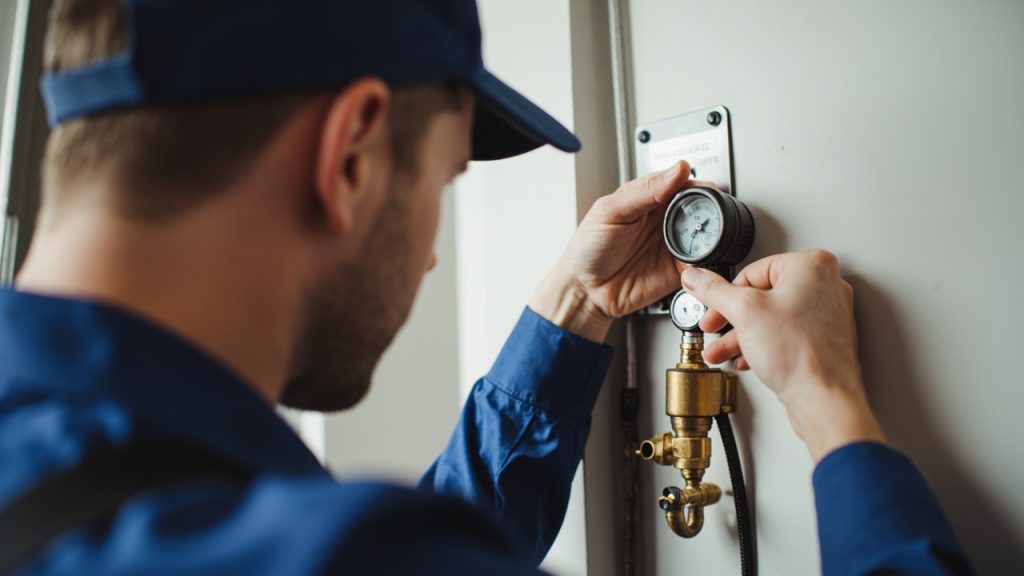
Why Your Uptown Apartment Has Suddenly Lost Water Pressure (And What to Check)
Living in an Uptown apartment should mean reliable water pressure for your daily routines. When that pressure drops suddenly it disrupts everything from morning showers to washing dishes. Before you panic or call your landlord understand that water pressure issues in Chicago apartments often have specific causes tied to the city’s unique building stock and infrastructure.. Read more about Is a Hybrid Heat Pump Water Heater the Right Choice for Your Chicago Home?.
Common Causes of Low Pressure in Apartment Units
Water pressure problems in apartments can stem from several sources. Here are the most frequent culprits that affect Chicago renters.. Read more about Understanding Chicago Plumbing Labor Rates and Why Quotes Vary So Much.
Clogged Faucet Aerators and Showerheads
Mineral buildup from Chicago’s hard water creates the most common and easily fixable pressure problem. The tiny mesh screens inside aerators trap sediment over time. When these become clogged water flow reduces to a trickle even though pressure in the pipes remains normal.. Read more about Do You Actually Need a Water Softener for Your Lakeview Home?.
Showerheads face similar issues. Chicago’s water contains high levels of calcium and magnesium that form scale deposits. These blockages often occur gradually making the pressure loss less noticeable until it becomes severe.. Read more about Dealing with Hard Water Stains and Buildup on Your Fixtures in Norwood Park.
Partially Closed Shut-off Valves
Every apartment has a main shut-off valve controlling water flow. Sometimes maintenance workers partially close these valves and forget to reopen them fully. A valve turned just 90 degrees from fully open can cut water pressure by half.. Read more about Essential Plumbing Maintenance Tips for Landlords Owning Three-Flats in Humboldt Park.
Individual fixture shut-off valves under sinks can also cause problems. If someone recently worked on plumbing and did not reopen these valves completely you will experience pressure drops at specific fixtures.
Pressure Reducing Valve (PRV) Issues
Many Chicago apartment buildings especially those built before 1980 use pressure reducing valves to protect plumbing from high municipal water pressure. These brass valves contain internal springs and diaphragms that wear out over 7 to 12 years.
When PRVs fail they can stick in a partially closed position or allow pressure to fluctuate wildly. You might notice good pressure one minute and almost none the next. Buildings with PRV problems often affect multiple units on the same floor.
Chicago-Specific Plumbing Challenges
Uptown’s mix of vintage buildings and newer construction creates unique pressure situations. Understanding these local factors helps diagnose problems faster.
Galvanized Steel Piping in Vintage Buildings
Many Uptown three-flats and courtyard buildings built between 1920 and 1960 contain galvanized steel water pipes. These pipes have an expected lifespan of 40 to 60 years in Chicago’s climate.
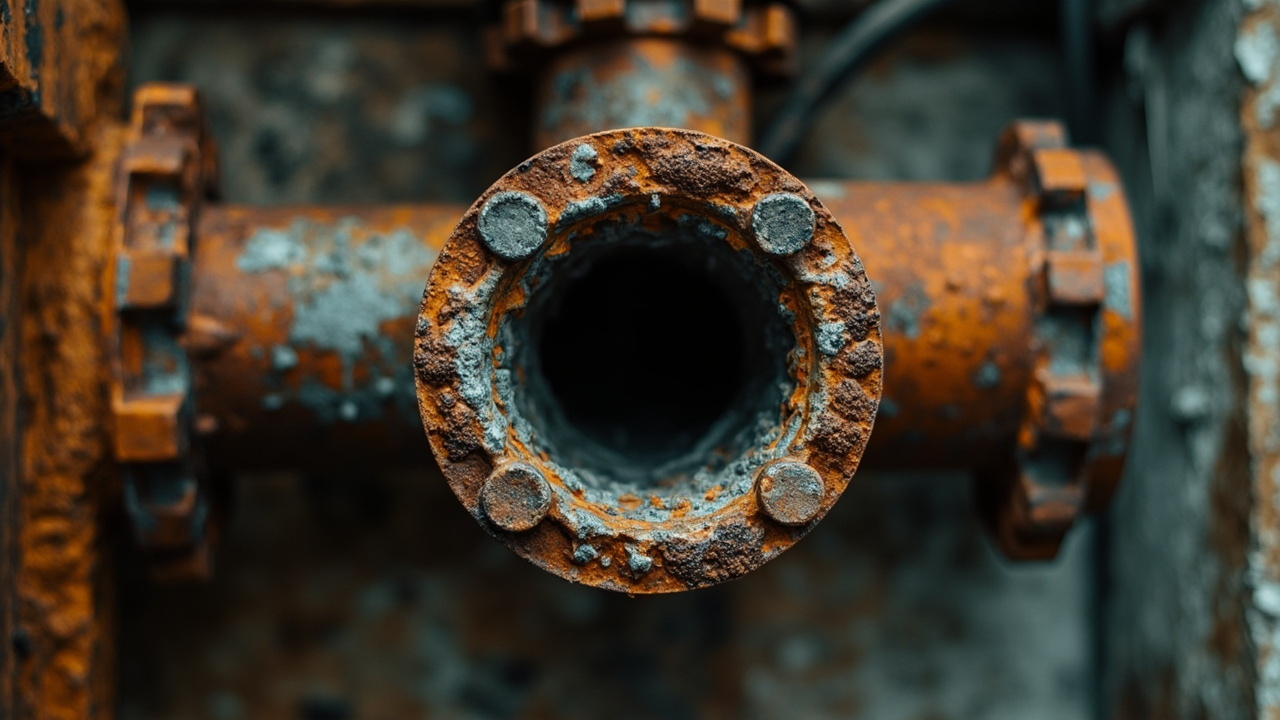
Over time the inside of galvanized pipes corrodes creating rough surfaces where mineral deposits accumulate. This internal buildup reduces pipe diameter from the original 3/4 inch to less than 1/4 inch in severe cases. The result mimics pressure loss but actually represents restricted flow through narrowed pipes.
Buildings near Montrose Beach and along Clarendon Park often have original galvanized systems approaching the end of their useful life. You might notice rust-colored water when pressure returns after being off which indicates internal pipe deterioration.
Booster Pump Failures in High-Rise Buildings
Uptown’s high-rise apartments along Marine Drive and in the Sheridan Park area rely on booster pumps to maintain adequate pressure on upper floors. These pumps work harder in Chicago’s cold winters when water temperature drops.
Booster pumps typically last 8 to 15 years. When they begin failing you will notice pressure loss on upper floors first. The sixth floor might have normal pressure while the twelfth floor barely gets a dribble. Some buildings have multiple pumps with backup systems that engage automatically when primary pumps struggle.
Lead Service Line Replacement Impact
Chicago’s ongoing lead service line replacement program affects water pressure in surrounding buildings. When crews work on main lines they sometimes stir up sediment that travels through pipes and clogs aerators or valve screens.
The city’s program has replaced over 35000 lead lines since 2020. If work occurred on your block within the past month check your aerators first. They likely need cleaning from construction debris.
Tenant vs. Landlord: Who is Responsible?
Understanding responsibility for water pressure issues prevents conflicts with building management. Chicago’s Residential Landlord and Tenant Ordinance (RLTO) provides clear guidelines.
Landlord Responsibilities Under RLTO
The RLTO requires landlords to maintain plumbing systems in working order. This includes water pressure sufficient for normal use. If pressure loss affects multiple units or stems from building systems the landlord must repair it.
Building-wide pressure problems typically involve main supply lines PRVs or booster pumps. These components belong to the landlord as part of the building’s plumbing infrastructure.
Tenant Responsibilities
Tenants must maintain fixtures they use daily. This includes cleaning aerators and showerheads. If pressure loss occurs only at one faucet and cleaning the aerator restores flow the repair falls under tenant responsibility.
Tenants should also report pressure issues promptly. Waiting weeks to report a problem can complicate responsibility since landlords can argue the issue worsened due to tenant neglect.
Emergency Repair Rights
If water pressure drops to unusable levels and the landlord fails to respond within 72 hours tenants can arrange emergency repairs and deduct costs from rent. This applies only when the issue truly prevents normal water use not when pressure is merely inconvenient.
Step-by-Step Troubleshooting Guide
Before calling for professional help run through these steps to identify your pressure problem.
- Check Multiple Fixtures
Test hot and cold water at bathroom sink kitchen sink and shower. If pressure loss affects only hot water the water heater or hot water line has issues. If both hot and cold lose pressure simultaneously the problem likely involves main supply lines.
- Clean Aerators
Unscrew faucet aerators and showerheads. Look for white crusty deposits or dark sediment. Soak them in vinegar for 30 minutes then scrub with an old toothbrush. Reinstall and test pressure again.
- Inspect Shut-off Valves
Locate the main shut-off valve usually near where pipes enter the apartment. Ensure it turns fully counterclockwise. Check under-sink valves by turning them off then back on firmly.
- Test Pressure at Different Times
Check pressure during morning rush hour when many neighbors use water and again mid-afternoon. If pressure drops only during peak usage times the building’s main supply cannot meet demand.
- Ask Neighbors
Politely ask neighbors on your floor and the floor above if they experience similar issues. Building-wide problems indicate main system failures. Isolated problems suggest apartment-specific issues.
Quick Reference Troubleshooting Table
| Symptom | Most Likely Cause | Who Fixes It |
|---|---|---|
| Low pressure at one faucet only | Aerator clog | Tenant |
| Low pressure hot and cold at all fixtures | Main supply issue or PRV failure | Landlord | Good pressure mornings poor afternoons | Building demand exceeds supply | Landlord |
| Pressure varies wildly throughout day | PRV malfunction | Landlord |
| Upper floor has no pressure lower floors fine | Booster pump failure | Landlord |
When to Call a Professional Chicago Plumber
Some pressure problems require professional diagnosis and repair. Here are clear signs you need expert help.
Signs of Pipe Corrosion
Galvanized pipes showing corrosion often need complete replacement. Signs include rusty water when pressure returns discolored water that clears after running for minutes or visible pipe corrosion in basements.
Chicago’s freeze-thaw cycles accelerate pipe deterioration especially in buildings near Lake Michigan where temperature fluctuations are extreme. Pipes in buildings along Marine Drive face harsher conditions than those further inland.
Hidden Leaks
Unexplained water pressure drops combined with higher water bills indicate hidden leaks. These can occur in walls under floors or in crawl spaces common in vintage Chicago buildings.
Professional plumbers use acoustic listening devices and infrared cameras to locate leaks without demolition. This technology saves thousands in repair costs compared to random wall cutting.
Main Line Issues
If pressure loss affects your entire building and the landlord cannot resolve it within 48 hours a professional assessment becomes necessary. Main line problems might involve corroded supply pipes broken valves or issues with the city water main connection.
High-Rise Booster Pump Problems
Booster pump issues in high-rise buildings require specialized knowledge. These systems involve electrical controls pressure switches and sometimes variable frequency drives. Incorrect repairs can damage expensive equipment or create dangerous pressure surges.
Seasonal Pressure Considerations in Chicago
Chicago’s climate creates seasonal pressure patterns that affect apartment buildings differently throughout the year.
Winter Pressure Issues
Freezing temperatures cause water to expand creating pressure on pipes. This can worsen existing leaks or cause weak joints to fail. Buildings with marginal pressure often see complete loss during severe cold snaps.
Winter also brings increased demand as people take longer hotter showers. Buildings with borderline pressure capacity struggle most between December and March.
Spring and Summer Challenges
Spring rains raise the water table affecting buildings with shallow supply lines. Some older buildings near the lake experience pressure fluctuations as groundwater levels change.
Summer brings peak demand for cooling tower makeup water in buildings with central air conditioning. This can reduce available pressure for domestic use especially in large apartment complexes.
City Resources for Water Pressure Problems
Sometimes pressure issues originate with the city water system. Chicago provides resources for reporting and resolving these problems.. Read more about How to Find the Source of a Mystery Spike in Your Chicago Water Bill.
The Chicago Department of Water Management operates a 24/7 emergency line at 311. They investigate reports of low pressure in specific areas and can identify if the problem affects multiple buildings on your block.
During lead service line replacement projects the city often provides temporary pressure boosters for affected buildings. These devices maintain adequate pressure while crews work on main lines.
Chicago’s Building Department can inspect rental properties for plumbing code violations. If your landlord refuses to address persistent pressure issues this agency provides enforcement options.
Preventing Future Pressure Problems
Regular maintenance prevents many pressure issues before they start. Here are preventive steps for Chicago apartment dwellers.
Annual Aerator Cleaning
Clean aerators every spring before summer demand increases. This simple task prevents the gradual pressure loss that many tenants accept as normal.
Monitor Water Bills
Sudden increases in water usage often indicate leaks. Compare monthly bills and investigate any unexpected jumps even if pressure seems normal.
Report Issues Promptly
Document pressure problems with dates and times. This information helps plumbers diagnose intermittent issues and provides evidence if you need to involve building management or city agencies.
Frequently Asked Questions
Why does my water pressure only drop in the morning?
Morning pressure drops usually indicate building demand exceeds supply capacity. Most residents shower between 6 AM and 9 AM creating peak demand that marginal systems cannot meet. This is common in buildings with original 1950s plumbing serving modern water usage patterns.
Can a water pressure booster help my apartment?
Individual apartment boosters rarely solve building-wide pressure issues. These devices work best when building systems function properly but your unit sits at the highest point or farthest from the main supply. Always get landlord permission before installing any pressure modification device.
How much water pressure should my apartment have?
Chicago code requires minimum 40 psi at each fixture with most buildings maintaining 45 to 60 psi. Pressure below 35 psi at any time indicates a problem requiring investigation. Pressure above 80 psi can damage fixtures and should trigger PRV adjustment.
Does hard water affect pressure?
Chicago’s extremely hard water directly causes pressure loss through mineral buildup in pipes and fixtures. The city’s water hardness of 16 to 20 grains per gallon ranks among the highest in the nation. This makes regular cleaning essential for maintaining pressure.
Take Action on Your Water Pressure Today
Low water pressure disrupts your daily life and may indicate serious plumbing problems developing in your building. Start with the simple troubleshooting steps outlined above. Clean your aerators check shut-off valves and talk to neighbors about their experiences.
If these steps do not restore normal pressure or if you notice signs of pipe corrosion hidden leaks or building-wide issues it is time for professional help. A licensed Chicago plumber can diagnose the exact cause and recommend solutions that comply with local codes.
Water pressure problems rarely fix themselves and delays often lead to more expensive repairs. Whether you need a simple aerator cleaning or complete pipe replacement addressing the issue promptly protects your comfort and your security deposit.
Ready to restore strong reliable water pressure to your Uptown apartment? Contact a qualified Chicago plumbing professional today for a thorough diagnosis and lasting solution. Your morning shower and clean dishes depend on it.
You may also find this helpful. How to Choose the Right Low-Flow Toilet That Actually Flushes Well Every Time.
{
“@context”: “https://schema.org”,
“@type”: “BlogPosting”,
“headline”: “Why Your Uptown Apartment Has Suddenly Lost Water Pressure (And What to Check)”,
“description”: “Experiencing low water pressure in your Uptown apartment? Learn the common causes, troubleshooting steps, and when to call a Chicago plumber for expert help.”,
“wordCount”: 2012,
“datePublished”: “2026-03-31T04:33:00.000Z”,
“dateModified”: “2026-03-31T04:33:00.000Z”,
“inLanguage”: “en-US”,
“mainEntityOfPage”: {
“@type”: “WebPage”,
“@id”: “https://aplusplumbingchicago.com”
},
“publisher”: {
“@type”: “LocalBusiness”,
“name”: “A Plus Plumbing Chicago”,
“url”: “https://aplusplumbingchicago.com”
},
“author”: {
“@type”: “Organization”,
“name”: “A Plus Plumbing Chicago”,
“url”: “https://aplusplumbingchicago.com”
},
“image”: {
“@type”: “ImageObject”,
“url”: “https://aplusplumbingchicago.com/wp-content/uploads/2026/03/why-your-uptown-apartment-has-suddenly-lost-water-1.jpg”
}
}
{
“@context”: “https://schema.org”,
“@type”: “Plumber”,
“name”: “A Plus Plumbing Chicago”,
“url”: “https://aplusplumbingchicago.com”,
“address”: {
“@type”: “PostalAddress”,
“addressLocality”: “Chicago”
},
“areaServed”: {
“@type”: “City”,
“name”: “Chicago”
}
}
{
“@context”: “https://schema.org”,
“@type”: “FAQPage”,
“mainEntity”: [
{
“@type”: “Question”,
“name”: “Tenant vs. Landlord: Who is Responsible?”,
“acceptedAnswer”: {
“@type”: “Answer”,
“text”: “Understanding responsibility for water pressure issues prevents conflicts with building management. Chicago’s Residential Landlord and Tenant Ordinance (RLTO) provides clear guidelines.”
}
},
{
“@type”: “Question”,
“name”: “Why does my water pressure only drop in the morning?”,
“acceptedAnswer”: {
“@type”: “Answer”,
“text”: “Morning pressure drops usually indicate building demand exceeds supply capacity. Most residents shower between 6 AM and 9 AM creating peak demand that marginal systems cannot meet. This is common in buildings with original 1950s plumbing serving modern water usage patterns.”
}
},
{
“@type”: “Question”,
“name”: “Can a water pressure booster help my apartment?”,
“acceptedAnswer”: {
“@type”: “Answer”,
“text”: “Individual apartment boosters rarely solve building-wide pressure issues. These devices work best when building systems function properly but your unit sits at the highest point or farthest from the main supply. Always get landlord permission before installing any pressure modification device.”
}
},
{
“@type”: “Question”,
“name”: “Does hard water affect pressure?”,
“acceptedAnswer”: {
“@type”: “Answer”,
“text”: “Chicago’s extremely hard water directly causes pressure loss through mineral buildup in pipes and fixtures. The city’s water hardness of 16 to 20 grains per gallon ranks among the highest in the nation. This makes regular cleaning essential for maintaining pressure.”
}
}
]
}
{
“@context”: “https://schema.org”,
“@type”: “HowTo”,
“name”: “Troubleshooting Apartment Water Pressure”,
“step”: [
{
“@type”: “HowToStep”,
“position”: 1,
“name”: “Check Multiple Fixtures”,
“text”: “Test hot and cold water at bathroom sink kitchen sink and shower. If pressure loss affects only hot water the water heater or hot water line has issues. If both hot and cold lose pressure simultaneously the problem likely involves main supply lines.”
},
{
“@type”: “HowToStep”,
“position”: 2,
“name”: “Clean Aerators”,
“text”: “Unscrew faucet aerators and showerheads. Look for white crusty deposits or dark sediment. Soak them in vinegar for 30 minutes then scrub with an old toothbrush. Reinstall and test pressure again.”
},
{
“@type”: “HowToStep”,
“position”: 3,
“name”: “Inspect Shut-off Valves”,
“text”: “Locate the main shut-off valve usually near where pipes enter the apartment. Ensure it turns fully counterclockwise. Check under-sink valves by turning them off then back on firmly.”
},
{
“@type”: “HowToStep”,
“position”: 4,
“name”: “Test Pressure at Different Times”,
“text”: “Check pressure during morning rush hour when many neighbors use water and again mid-afternoon. If pressure drops only during peak usage times the building’s main supply cannot meet demand.”
},
{
“@type”: “HowToStep”,
“position”: 5,
“name”: “Ask Neighbors”,
“text”: “Politely ask neighbors on your floor and the floor above if they experience similar issues. Building-wide problems indicate main system failures. Isolated problems suggest apartment-specific issues.”
}
],
“image”: “https://aplusplumbingchicago.com/wp-content/uploads/2026/03/why-your-uptown-apartment-has-suddenly-lost-water-1.jpg”
}
{
“@context”: “https://schema.org”,
“@type”: “BreadcrumbList”,
“itemListElement”: [
{
“@type”: “ListItem”,
“position”: 1,
“name”: “Home”,
“item”: “https://aplusplumbingchicago.com”
},
{
“@type”: “ListItem”,
“position”: 2,
“name”: “Blog”,
“item”: “https://aplusplumbingchicago.com/blog”
},
{
“@type”: “ListItem”,
“position”: 3,
“name”: “Why Your Uptown Apartment Has Suddenly Lost Water Pressure (And What to Check)”
}
]
}
{
“@context”: “https://schema.org”,
“@type”: “Service”,
“serviceType”: “Plumbing”,
“provider”: {
“@type”: “LocalBusiness”,
“name”: “A Plus Plumbing Chicago”,
“url”: “https://aplusplumbingchicago.com”
},
“areaServed”: {
“@type”: “City”,
“name”: “Chicago”
},
“description”: “Experiencing low water pressure in your Uptown apartment? Learn the common causes, troubleshooting steps, and when to call a Chicago plumber for expert help.”
}