
How to Safely Connect Your New Dishwasher Without Causing a Leak in the Kitchen
Installing a new dishwasher sounds simple until you realize Chicago’s unique plumbing codes and aging infrastructure can turn a quick swap into a flooded kitchen. Whether you live in a vintage Lincoln Park bungalow or a modern Lakeview condo this guide walks you through the process step by step while highlighting local pitfalls that can cause leaks. Chicago Department of Buildings permit requirements.
Tools and Materials Checklist
- Adjustable wrench
- Channel-lock pliers
- Phillips and flathead screwdrivers
- Utility knife
- Level
- Voltage tester
- Dishwasher installation kit (includes water supply line power cord and drain hose)
- Teflon tape
- Compression fittings
- Safety glasses and gloves
Pre-Installation: Measuring and Checking Chicago Code Requirements
Before touching any tools measure the space where your new dishwasher will sit. Standard dishwashers are 24 inches wide but older Chicago homes especially in Lincoln Park and Lakeview often have slightly smaller or irregular openings. Check the height too since older kitchens may have uneven floors from decades of settling. Home Depot dishwasher installation guide.
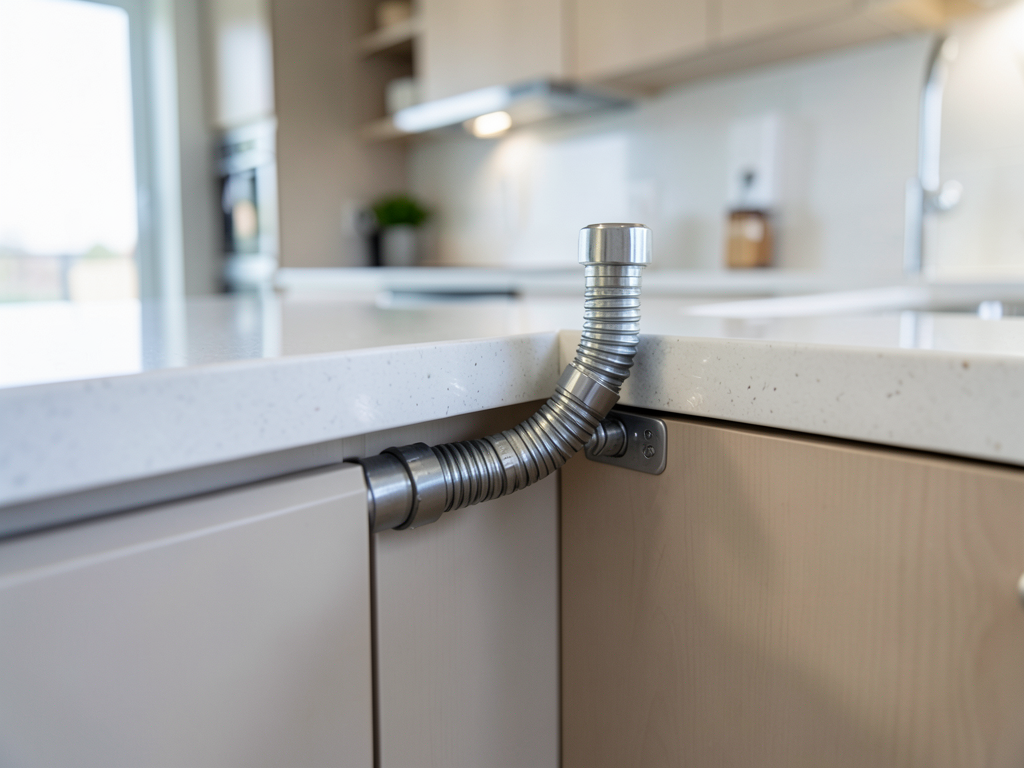
Chicago’s plumbing code requires either an air gap or a high-loop drain configuration to prevent backflow. The air gap is a small cylindrical device that mounts to the sink or countertop and is common in newer construction. The high-loop method loops the drain hose up near the bottom of the countertop and is often used in retrofits where drilling for an air gap isn’t possible.. Read more about Plumbing Requirements for Adding an Outdoor Kitchen to Your Sauganash Backyard.
Also verify that your home’s electrical setup meets current Illinois code. Dishwashers require a dedicated 120-volt GFCI-protected circuit. If your home was built before the 1980s you may need to upgrade the outlet especially in older two-flats common in Lakeview. Illinois Association of Plumbing and Mechanical Officials.
Step-by-Step Instructions: Disconnecting the Old Unit and Prepping the Space
Turn off the power at the circuit breaker and shut off the water supply valve under the sink. Disconnect the old dishwasher’s power cord and drain hose. Place a shallow pan under the water supply line to catch any residual water when you disconnect it.
Remove the mounting screws that hold the dishwasher to the underside of the countertop. Carefully slide the old unit out and inspect the floor and surrounding cabinetry for water damage. This is a good time to clean the area and check for any signs of past leaks.
Electrical and Plumbing Connections: Step-by-Step Wiring and Water Line Attachment
Attach the new water supply line to the dishwasher’s inlet valve using a compression fitting. Wrap the threads with Teflon tape to ensure a watertight seal. Tighten the fitting with an adjustable wrench but avoid over-tightening which can crack the fitting.
For the electrical connection follow the manufacturer’s wiring diagram. Connect the black (hot) wire to the black wire in the power cord white (neutral) to white and green (ground) to green or bare copper. If you’re unsure about wiring stop here and call a licensed electrician. Improper wiring is a common cause of dishwasher failures in Chicago homes.. Read more about Converting Your Gas Range to Electric — What You Need to Know About Gas Lines in Ukrainian Village.
Connect the drain hose to the dishwasher’s drain outlet and secure it with a hose clamp. Route the hose according to your chosen drainage method—either to an air gap or in a high loop. Make sure the hose isn’t kinked or pinched which can cause slow draining and standing water.
The ‘Chicago Difference’: Navigating Local Plumbing Codes and Older Building Infrastructure
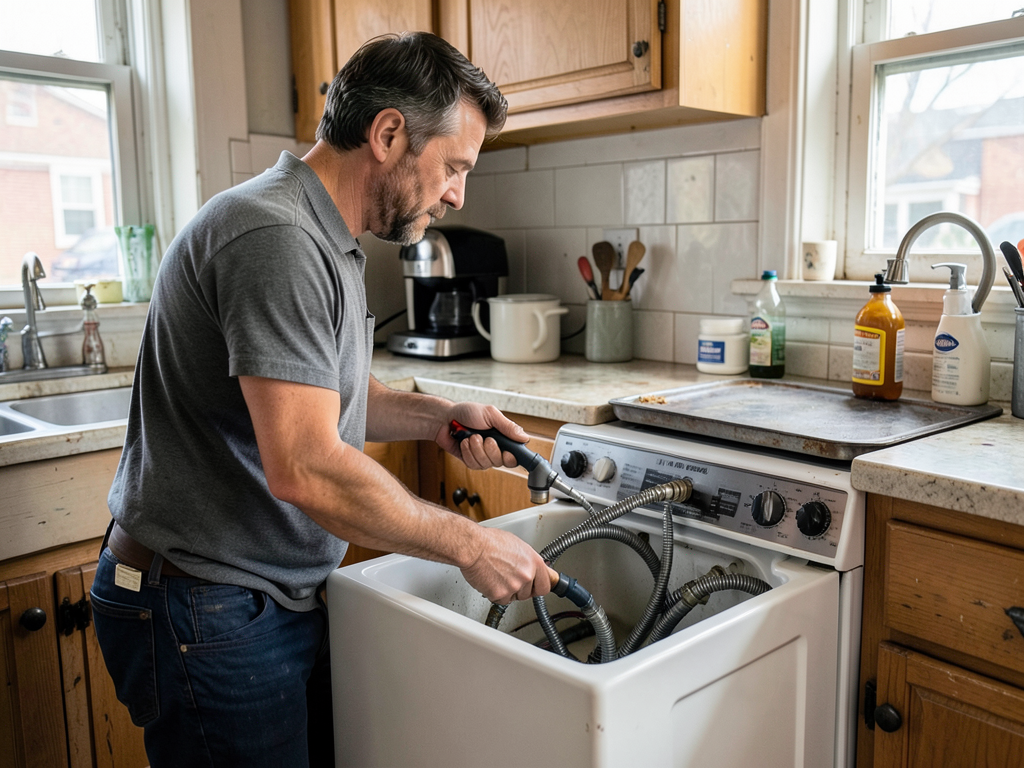
Chicago’s older neighborhoods like Lincoln Park and Lakeview often have galvanized steel supply lines that corrode from the inside out. If your home still has these pipes replacing the supply line with a modern stainless steel braided hose during installation can prevent future leaks.. Read more about Smart Leak Detectors That Can Save Your Lincoln Square Home from Catastrophic Water Damage.
Another local factor is Chicago’s high water table and clay soil which can cause foundation shifts. This means your kitchen floor may not be perfectly level. Use the dishwasher’s adjustable legs to level it front to back and side to side. An unlevel dishwasher can cause door misalignment and leaks.
If your home has a garbage disposal you’ll need to remove the knockout plug inside the disposal’s dishwasher inlet before connecting the drain hose. This step is often missed in DIY installations and can cause water to back up into the dishwasher.. Read more about The Safe Way to Install an Ice Maker Line in Your Greektown Kitchen.
Testing the Installation: How to Check for Micro-Leaks
Once everything is connected turn the water supply back on and plug in the dishwasher. Run a short cycle without dishes to test for leaks. Check under the sink and around the base of the dishwasher for any signs of water. Use a flashlight to inspect the compression fittings and hose connections.
Also listen for unusual noises. A humming or vibrating sound could indicate a problem with the water inlet valve. If you notice water pooling under the dishwasher after the test cycle it’s likely a connection issue or a faulty seal.
When to Call a Professional: Safety Triggers for DIYers
Call a licensed plumber if you encounter any of these situations: your home has old galvanized pipes the electrical outlet isn’t GFCI-protected you’re unsure about local permit requirements or you notice signs of water damage behind the old unit. Also if your dishwasher is built into custom cabinetry or you’re working in a high-rise condo in areas like Lakeview or Lincoln Park where access can be tricky it’s best to hire a pro.
Chicago’s Department of Buildings requires permits for new plumbing and electrical work in many cases. A licensed plumber will know when a permit is needed and can ensure the installation meets all local codes. This protects you from fines and ensures your home insurance remains valid.
Cost Comparison: DIY vs. Professional Installation in Chicago
| Item | DIY Cost | Professional Cost |
|---|---|---|
| Installation kit | $25 – $40 | Included |
| Tools (if needed) | $50 – $100 | N/A |
| Permit fees | $50 – $150 | Handled by pro |
| Labor | $0 | $150 – $300 |
| Total | $125 – $290 | $150 – $300 |
Common Mistakes That Cause Leaks
- Over-tightening compression fittings which cracks the fitting
- Forgetting to remove the garbage disposal knockout plug
- Not leveling the dishwasher causing door misalignment
- Using old or damaged supply lines
- Ignoring signs of corrosion in existing pipes
Final Tips for a Leak-Free Installation
Always test your installation before loading dishes. Run a full cycle and check for leaks at the one-hour and three-hour marks. If you’re in an older Chicago home consider having a plumber inspect your supply lines even if you do the installation yourself. Small preventative steps now can save you from major water damage later.
For residents in Lincoln Park Lakeview and surrounding neighborhoods local plumbers understand the unique challenges of Chicago’s housing stock. Whether you’re dealing with a vintage bungalow or a modern condo the right installation method makes all the difference. Top Rated Plumbers for High Rise Condos in the Gold Coast.
Frequently Asked Questions
Do I need a permit to install a dishwasher in Chicago?
Permits are required if you’re adding new plumbing or electrical lines. Swapping a like-for-like unit usually doesn’t need one but it’s best to check with the Department of Buildings.
What’s the difference between an air gap and a high loop?
An air gap is a physical device that prevents backflow. A high loop is a method of routing the drain hose up near the countertop to achieve the same effect without a device.
How long does a professional dishwasher installation take?
A licensed plumber can typically complete the installation in 1 to 2 hours depending on the complexity of the existing setup.
Can I reuse my old supply line?
It’s not recommended especially if it’s old or shows signs of wear. New stainless steel braided lines are more reliable and less likely to cause leaks.
What should I do if I find water damage behind my old dishwasher?
Stop the installation and call a professional. Water damage can indicate a long-term leak that may have compromised your flooring or subfloor.
Need Help With Your Dishwasher Installation?
If you’re in Lincoln Park Lakeview or anywhere in the Chicago area and want to ensure your new dishwasher is installed safely and to code give us a call. Our licensed plumbers handle everything from simple swaps to complex retrofits in Chicago’s unique housing stock. Call (773) 514-5111 today to schedule your installation and protect your home from costly water damage.
You may also find this helpful. Reverse Osmosis vs Carbon Filters — Which Is Right for Your Lakeview Condo?.
You may also find this helpful. Why Your Wicker Park Coffee Shop Needs a Specialized Grease Trap System.
{
“@context”: “https://schema.org”,
“@type”: “BlogPosting”,
“headline”: “How to Safely Connect Your New Dishwasher Without Causing a Leak in the Kitchen”,
“description”: “Learn how to install your new dishwasher safely with Chicago-specific tips to prevent leaks. Step-by-step guide for DIYers and when to call a professional.”,
“wordCount”: 1376,
“datePublished”: “2026-04-05T12:45:00.000Z”,
“dateModified”: “2026-04-05T12:45:00.000Z”,
“inLanguage”: “en-US”,
“mainEntityOfPage”: {
“@type”: “WebPage”,
“@id”: “https://aplusplumbingchicago.com”
},
“publisher”: {
“@type”: “LocalBusiness”,
“name”: “A Plus Plumbing Chicago”,
“url”: “https://aplusplumbingchicago.com”
},
“author”: {
“@type”: “Organization”,
“name”: “A Plus Plumbing Chicago”,
“url”: “https://aplusplumbingchicago.com”
},
“image”: {
“@type”: “ImageObject”,
“url”: “https://aplusplumbingchicago.com/wp-content/uploads/2026/03/how-to-safely-connect-your-new-dishwasher-without-1.png”
}
}
{
“@context”: “https://schema.org”,
“@type”: “Plumber”,
“name”: “A Plus Plumbing Chicago”,
“url”: “https://aplusplumbingchicago.com”,
“address”: {
“@type”: “PostalAddress”,
“addressLocality”: “Chicago”
},
“areaServed”: {
“@type”: “City”,
“name”: “Chicago”
}
}
{
“@context”: “https://schema.org”,
“@type”: “FAQPage”,
“mainEntity”: [
{
“@type”: “Question”,
“name”: “Do I need a permit to install a dishwasher in Chicago?”,
“acceptedAnswer”: {
“@type”: “Answer”,
“text”: “Permits are required if you’re adding new plumbing or electrical lines. Swapping a like-for-like unit usually doesn’t need one but it’s best to check with the Department of Buildings.”
}
},
{
“@type”: “Question”,
“name”: “What’s the difference between an air gap and a high loop?”,
“acceptedAnswer”: {
“@type”: “Answer”,
“text”: “An air gap is a physical device that prevents backflow. A high loop is a method of routing the drain hose up near the countertop to achieve the same effect without a device.”
}
},
{
“@type”: “Question”,
“name”: “How long does a professional dishwasher installation take?”,
“acceptedAnswer”: {
“@type”: “Answer”,
“text”: “A licensed plumber can typically complete the installation in 1 to 2 hours depending on the complexity of the existing setup.”
}
},
{
“@type”: “Question”,
“name”: “Can I reuse my old supply line?”,
“acceptedAnswer”: {
“@type”: “Answer”,
“text”: “It’s not recommended especially if it’s old or shows signs of wear. New stainless steel braided lines are more reliable and less likely to cause leaks.”
}
},
{
“@type”: “Question”,
“name”: “What should I do if I find water damage behind my old dishwasher?”,
“acceptedAnswer”: {
“@type”: “Answer”,
“text”: “Stop the installation and call a professional. Water damage can indicate a long-term leak that may have compromised your flooring or subfloor.”
}
},
{
“@type”: “Question”,
“name”: “Need Help With Your Dishwasher Installation?”,
“acceptedAnswer”: {
“@type”: “Answer”,
“text”: “If you’re in Lincoln Park Lakeview or anywhere in the Chicago area and want to ensure your new dishwasher is installed safely and to code give us a call. Our licensed plumbers handle everything from simple swaps to complex retrofits in Chicago’s unique housing stock. Call (773) 514-5111 today to schedule your installation and protect your home from costly water damage.”
}
}
]
}
{
“@context”: “https://schema.org”,
“@type”: “BreadcrumbList”,
“itemListElement”: [
{
“@type”: “ListItem”,
“position”: 1,
“name”: “Home”,
“item”: “https://aplusplumbingchicago.com”
},
{
“@type”: “ListItem”,
“position”: 2,
“name”: “Blog”,
“item”: “https://aplusplumbingchicago.com/blog”
},
{
“@type”: “ListItem”,
“position”: 3,
“name”: “How to Safely Connect Your New Dishwasher Without Causing a Leak in the Kitchen”
}
]
}
{
“@context”: “https://schema.org”,
“@type”: “Service”,
“serviceType”: “Plumbing”,
“provider”: {
“@type”: “LocalBusiness”,
“name”: “A Plus Plumbing Chicago”,
“url”: “https://aplusplumbingchicago.com”
},
“areaServed”: {
“@type”: “City”,
“name”: “Chicago”
},
“description”: “Learn how to install your new dishwasher safely with Chicago-specific tips to prevent leaks. Step-by-step guide for DIYers and when to call a professional.”
}