
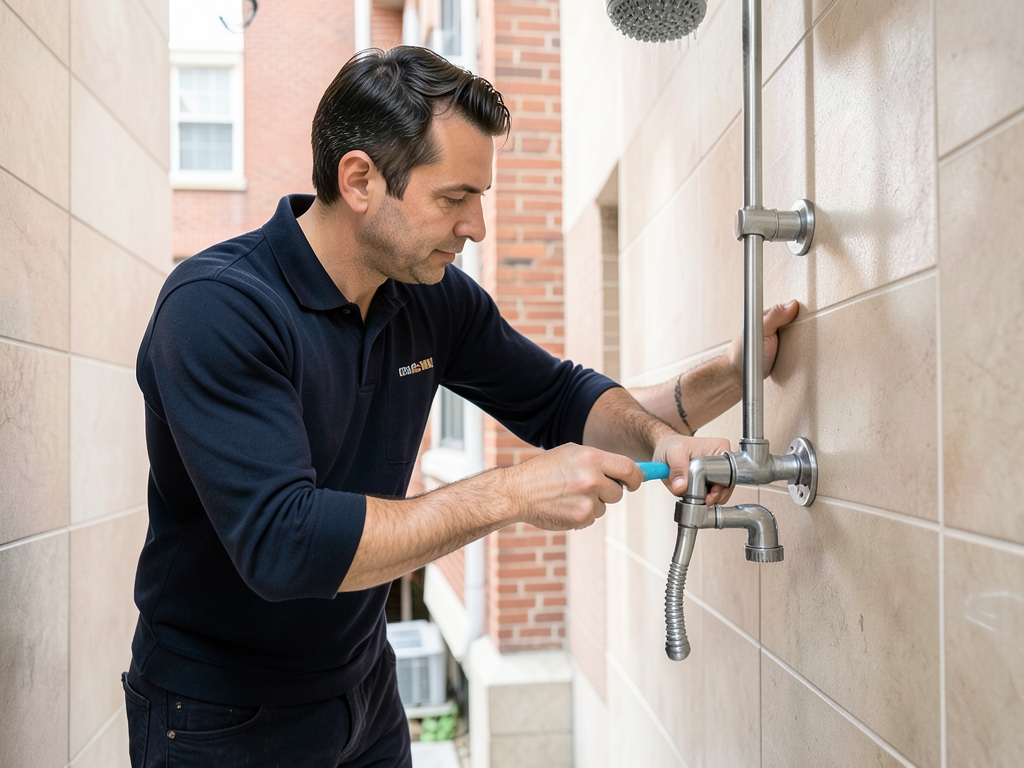
Why Your Chinatown Shower is Suddenly Fluctuating Between Hot and Cold
Your shower should deliver consistent water temperature but when it suddenly shifts between scalding hot and icy cold it becomes more than just an inconvenience. In Chinatown’s older buildings where water pressure fluctuates due to high demand this issue is particularly common.. Read more about Why Your Water Heater is Making a Popping Noise and How to Flush It.
Before you step into another unpredictable shower let’s understand what causes these dangerous temperature swings and how to fix them.
Understanding Pressure-Balanced Valves and Why They Fail
A pressure-balanced valve maintains consistent water temperature by balancing hot and cold water pressure. When someone flushes a toilet elsewhere in your building or starts the washing machine the cold water pressure drops. Without a functioning valve this pressure imbalance sends scalding water through your showerhead.
Common signs of pressure-balanced valve failure include:
- Sudden temperature changes when other fixtures are used
- Difficulty adjusting water temperature
- Visible mineral buildup on valve components
In Chinatown’s older buildings many pressure-balanced valves were installed decades ago and have never been replaced. The mineral-rich water from Lake Michigan accelerates wear on internal components.
Thermostatic Mixing Valves vs Pressure-Balanced Valves
While pressure-balanced valves respond to pressure changes thermostatic mixing valves monitor actual water temperature. They provide superior protection against scalding by maintaining a preset temperature regardless of pressure fluctuations.
| Feature | Pressure-Balanced Valve | Thermostatic Mixing Valve |
|---|---|---|
| Temperature Control | Pressure-based | Temperature-based |
| Scald Protection | Basic | Advanced |
| Cost | $80-$150 | $200-$400 |
| Lifespan | 8-12 years | 15-20 years |
Common Culprits Behind Temperature Fluctuations
Water Heater Issues
Your water heater might be the source of temperature problems. The dip tube directs cold water to the bottom of the tank for heating. When it breaks cold water mixes with hot water at the top creating unpredictable temperatures.
Sediment buildup in tank-style heaters is particularly problematic in Chicago due to our hard water. Minerals settle at the bottom reducing heating efficiency and creating temperature inconsistencies.
Pipe Problems in Older Buildings
Many Chinatown buildings have aging galvanized steel pipes that corrode from the inside. This corrosion creates rough surfaces where mineral deposits accumulate restricting water flow and causing pressure drops.
Cross-connection issues can also cause temperature problems. When hot and cold water lines run too close together or when plumbing modifications bypass anti-scald devices hot water can backfeed into cold lines.
Chicago-Specific Issues: Hard Water and Seasonal Pipe Changes
Lake Michigan water contains high levels of calcium and magnesium. These minerals precipitate out of solution forming scale inside pipes and on valve components. In Chinatown’s older buildings this scale buildup is accelerated by the constant temperature cycling in multi-unit buildings. Top Rated Plumbers for High Rise Condos in the Gold Coast.
Chicago’s extreme seasonal temperature swings also affect your plumbing. In winter incoming cold water can be near freezing while summer water arrives much warmer. These temperature variations stress mixing valves and can cause them to fail prematurely.
The high clay content soil in Chicago’s Chinatown area also contributes to plumbing problems. Shifting soil puts stress on underground pipes causing small leaks that reduce water pressure and create temperature fluctuations.
Safety First: Preventing Scalding and Thermal Shock
Scalding injuries can occur in seconds especially for children and elderly residents. Water at 140°F can cause third-degree burns in just 5 seconds. Most Chicago plumbing codes now require anti-scald devices in new construction and major renovations.
Safe water temperatures should be set to 120°F at the water heater. This temperature kills harmful bacteria while minimizing scald risk. If you have a dishwasher without a booster heater you might need 140°F but should install point-of-use mixing valves at showers and sinks.
Thermal shock from sudden temperature changes can also cause falls in the shower. When water suddenly becomes icy cold or scalding hot people often jump or slip trying to escape the uncomfortable sensation.. Read more about Understanding Thermal Expansion Tanks and Why Your Austin Home Needs One.
Quick Troubleshooting Checklist
Before calling a professional try these steps:
- Check if the problem occurs when other fixtures are used
- Inspect your shower valve for visible mineral buildup
- Test water temperature consistency at different times of day
- Check your water heater’s thermostat setting
- Look for signs of corrosion on visible pipes
If temperature fluctuations happen randomly without any apparent trigger you likely have a failing mixing valve or water heater problem that requires professional diagnosis.
When to Call a Chicago Plumbing Professional
Call a licensed plumber immediately if you experience:
- Temperature swings exceeding 20 degrees
- Water that’s too hot to touch safely
- Fluctuations that occur even when no other fixtures are running
- Visible leaks around your shower valve
- Strange noises from your water heater
In Chinatown’s multi-unit buildings pressure-balancing issues often require building-wide solutions. A professional plumber can test system pressure and identify whether the problem is isolated to your unit or affects the entire building.
Professional diagnosis typically includes pressure testing, valve inspection, and water quality analysis. This comprehensive approach ensures the correct solution rather than just treating symptoms.
Repair Costs vs Replacement Costs
Understanding potential costs helps you make informed decisions:
| Repair Type | Typical Cost Range | Lifespan Extension |
|---|---|---|
| Valve Cartridge Replacement | $150-$300 | 2-4 years |
| Complete Valve Replacement | $400-$800 | 8-12 years |
| Water Heater Dip Tube | $150-$250 | 3-5 years |
| Full Water Heater Replacement | $1,200-$2,500 | 8-12 years |
Most Chinatown buildings have plumbing systems that are 50+ years old. While repairs might seem cheaper initially replacement often provides better long-term value and safety. EPA WaterSense.
Preventing Future Problems
Regular maintenance prevents most temperature fluctuation issues. Annual water heater flushing removes sediment buildup. Valve inspection and cleaning prevents mineral accumulation. Water pressure testing identifies developing problems before they cause damage.
Consider installing a whole-house water softener if you have severe mineral buildup. While this requires upfront investment it extends the life of all plumbing fixtures and reduces repair frequency.
For Chinatown residents in older buildings joining your building’s plumbing committee can help coordinate building-wide upgrades that address systemic issues affecting multiple units.
Local Building Codes and Requirements
Chicago plumbing code requires anti-scald protection in all new residential construction and major renovations. This typically means either thermostatic mixing valves or pressure-balanced valves with scald protection.
Older buildings undergoing significant renovations must often upgrade to meet current code requirements. This protects residents but can add unexpected costs to remodeling projects.
Multi-unit buildings face additional requirements for cross-connection control and backflow prevention. These measures protect the entire building from contamination and pressure-related issues.
Choosing the Right Solution for Your Situation
Your best solution depends on your building’s age, your budget, and your tolerance for temperature fluctuations. For renters temporary fixes like showerhead filters might provide acceptable results. Homeowners should consider long-term solutions that add property value.
In buildings with shared plumbing systems building-wide solutions often provide better results than individual unit repairs. However these require coordination and agreement from multiple stakeholders.
Modern thermostatic mixing valves offer the best protection against scalding and temperature fluctuations but require professional installation and periodic maintenance to function properly.
Frequently Asked Questions
Why does my shower temperature change when someone flushes the toilet?
This happens because toilet flushing diverts cold water from your shower line causing the pressure-balanced valve to struggle maintaining consistent temperature. It’s a classic sign of valve failure or inadequate water supply capacity.
How often should shower mixing valves be replaced?
Quality mixing valves typically last 8-12 years in Chicago’s hard water conditions. Signs of failure include difficulty adjusting temperature, visible mineral buildup, or inconsistent water temperature.
Can I fix temperature fluctuations myself?
Simple fixes like cleaning showerhead filters are DIY-friendly but valve repairs require plumbing expertise. Incorrect repairs can create dangerous scalding conditions or void insurance coverage.
What temperature should my water heater be set to?
Set your water heater to 120°F for safety and energy efficiency. This temperature prevents scalding while still killing harmful bacteria. Higher temperatures waste energy and increase burn risk.
Are temperature fluctuations dangerous?
Yes. Sudden temperature changes can cause scalding burns in seconds or create slip-and-fall hazards when people react to unexpected hot or cold water. Children and elderly are especially vulnerable.
Get Professional Help Today
Don’t risk scalding injuries or continue suffering through unpredictable showers. Our licensed Chicago plumbers understand the unique challenges of Chinatown’s older buildings and can diagnose your specific problem quickly. 24 Hour Emergency Plumbers in Lincoln Park for Immediate Help.
We provide transparent pricing, emergency service when you need it most, and work that meets all Chicago plumbing codes. Whether you need a simple valve repair or a complete system upgrade we’ll recommend the most cost-effective solution for your situation.
Call us now at (773) 514-5111 for same-day service in Chinatown and surrounding neighborhoods. Your safety and comfort are our top priorities. For more information, visit CDC Plumbing Hygiene.
{
“@context”: “https://schema.org”,
“@type”: “BlogPosting”,
“headline”: “Why Your Chinatown Shower is Suddenly Fluctuating Between Hot and Cold”,
“description”: “Experiencing sudden hot and cold water fluctuations in your Chinatown shower? Learn the common causes and when to call a professional plumber.”,
“wordCount”: 1430,
“datePublished”: “2026-05-20T07:25:00.000Z”,
“dateModified”: “2026-05-20T07:25:00.000Z”,
“inLanguage”: “en-US”,
“mainEntityOfPage”: {
“@type”: “WebPage”,
“@id”: “https://aplusplumbingchicago.com”
},
“publisher”: {
“@type”: “LocalBusiness”,
“name”: “A Plus Plumbing Chicago”,
“url”: “https://aplusplumbingchicago.com”
},
“author”: {
“@type”: “Organization”,
“name”: “A Plus Plumbing Chicago”,
“url”: “https://aplusplumbingchicago.com”
},
“image”: {
“@type”: “ImageObject”,
“url”: “https://aplusplumbingchicago.com/wp-content/uploads/2026/03/why-your-chinatown-shower-is-suddenly-fluctuating-1.png”
}
}
{
“@context”: “https://schema.org”,
“@type”: “Plumber”,
“name”: “A Plus Plumbing Chicago”,
“url”: “https://aplusplumbingchicago.com”,
“address”: {
“@type”: “PostalAddress”,
“addressLocality”: “Chicago”
},
“areaServed”: {
“@type”: “City”,
“name”: “Chicago”
}
}
{
“@context”: “https://schema.org”,
“@type”: “FAQPage”,
“mainEntity”: [
{
“@type”: “Question”,
“name”: “Why does my shower temperature change when someone flushes the toilet?”,
“acceptedAnswer”: {
“@type”: “Answer”,
“text”: “This happens because toilet flushing diverts cold water from your shower line causing the pressure-balanced valve to struggle maintaining consistent temperature. It’s a classic sign of valve failure or inadequate water supply capacity.”
}
},
{
“@type”: “Question”,
“name”: “How often should shower mixing valves be replaced?”,
“acceptedAnswer”: {
“@type”: “Answer”,
“text”: “Quality mixing valves typically last 8-12 years in Chicago’s hard water conditions. Signs of failure include difficulty adjusting temperature, visible mineral buildup, or inconsistent water temperature.”
}
},
{
“@type”: “Question”,
“name”: “Can I fix temperature fluctuations myself?”,
“acceptedAnswer”: {
“@type”: “Answer”,
“text”: “Simple fixes like cleaning showerhead filters are DIY-friendly but valve repairs require plumbing expertise. Incorrect repairs can create dangerous scalding conditions or void insurance coverage.”
}
},
{
“@type”: “Question”,
“name”: “What temperature should my water heater be set to?”,
“acceptedAnswer”: {
“@type”: “Answer”,
“text”: “Set your water heater to 120°F for safety and energy efficiency. This temperature prevents scalding while still killing harmful bacteria. Higher temperatures waste energy and increase burn risk.”
}
},
{
“@type”: “Question”,
“name”: “Are temperature fluctuations dangerous?”,
“acceptedAnswer”: {
“@type”: “Answer”,
“text”: “Yes. Sudden temperature changes can cause scalding burns in seconds or create slip-and-fall hazards when people react to unexpected hot or cold water. Children and elderly are especially vulnerable.”
}
}
]
}
{
“@context”: “https://schema.org”,
“@type”: “BreadcrumbList”,
“itemListElement”: [
{
“@type”: “ListItem”,
“position”: 1,
“name”: “Home”,
“item”: “https://aplusplumbingchicago.com”
},
{
“@type”: “ListItem”,
“position”: 2,
“name”: “Blog”,
“item”: “https://aplusplumbingchicago.com/blog”
},
{
“@type”: “ListItem”,
“position”: 3,
“name”: “Why Your Chinatown Shower is Suddenly Fluctuating Between Hot and Cold”
}
]
}
{
“@context”: “https://schema.org”,
“@type”: “Service”,
“serviceType”: “Plumbing”,
“provider”: {
“@type”: “LocalBusiness”,
“name”: “A Plus Plumbing Chicago”,
“url”: “https://aplusplumbingchicago.com”
},
“areaServed”: {
“@type”: “City”,
“name”: “Chicago”
},
“description”: “Experiencing sudden hot and cold water fluctuations in your Chinatown shower? Learn the common causes and when to call a professional plumber.”
}