
Understanding Thermal Expansion Tanks and Why Your Austin Home Needs One
Have you noticed a small tank attached to your water heater or heard about thermal expansion tanks from your plumber? You’re not alone. Many Austin homeowners discover these devices only when something goes wrong. Let’s break down exactly what these tanks do and why they might be crucial for your home.. Read more about Why Your Water Heater is Making a Popping Noise and How to Flush It.

How Water Expands When Heated
When water heats up it expands. This is basic physics. Water volume increases by about 2-3% as it goes from cold to hot. In a closed plumbing system that extra volume has nowhere to go. This creates dangerous pressure spikes that can damage your water heater pipes and fixtures.
Austin’s water supply typically enters homes at 50-60°F. When your water heater warms it to 120-140°F that expansion becomes significant. Without somewhere for that extra water to go pressure builds up throughout your entire plumbing system.
Open vs. Closed Plumbing Systems
Older homes often had open systems where expanded water could push back into the city main. Modern Austin homes have backflow preventers and check valves that create closed-loop systems. These safety devices protect the city water supply but trap expanded water in your home.
Once your system becomes closed that expanded water needs a place to go. Without an expansion tank it creates pressure that can cause leaks damage fixtures and even lead to water heater failure.
Top 5 Benefits of Installing an Expansion Tank
- Prevents dripping temperature and pressure relief valves. These valves are safety devices that release excess pressure. When they drip constantly it means your system needs an expansion tank.
- Protects faucet washers and seals. High pressure wears out these components causing leaks and drips throughout your home.
- Extends water heater life. Pressure spikes stress the tank and heating elements reducing your water heater’s lifespan.
- Prevents pipe bursts. Extreme pressure can cause pipes to burst especially in older Austin homes with galvanized plumbing.
- Maintains consistent water pressure. Your showers and faucets work better when pressure stays stable.
Signs Your Expansion Tank Needs Replacement
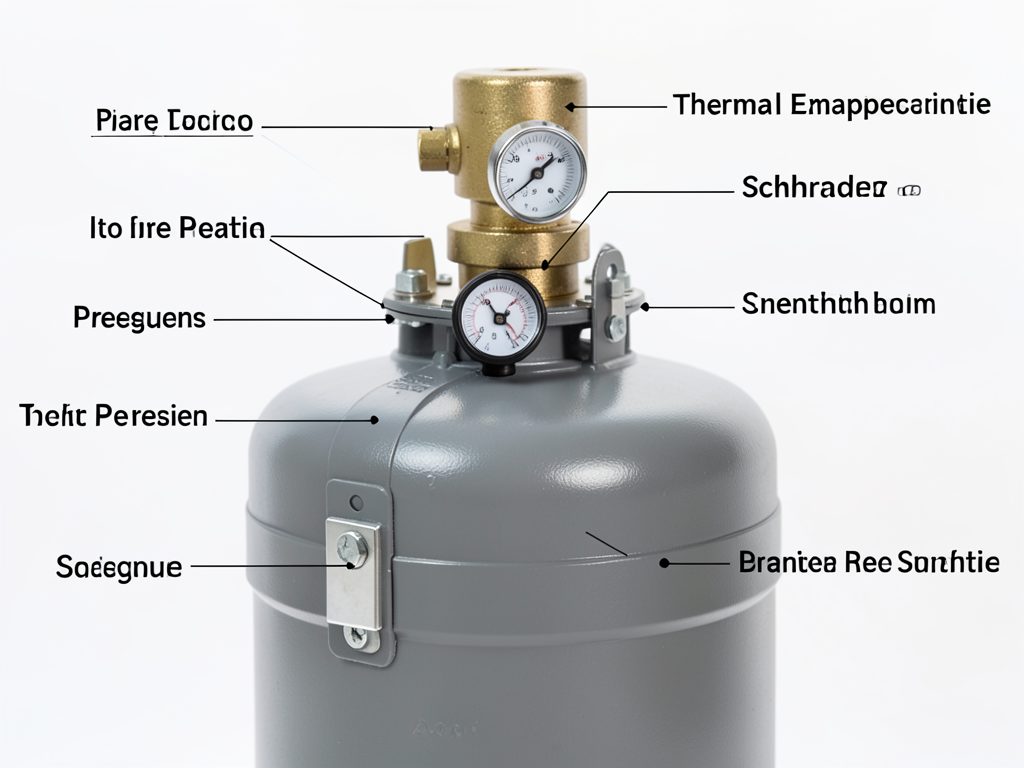
Expansion tanks contain a rubber diaphragm that separates air from water. Over time this diaphragm can fail. Here’s how to check yours: EPA.
- Tap test. Gently tap the tank. A working tank sounds hollow on top and solid on bottom. If it sounds solid throughout the diaphragm has likely failed.
- Schrader valve check. These tanks have an air valve like a tire. Press it. If water comes out instead of air the tank is waterlogged and needs replacement.
- Visible leaks. Water around the tank connections indicates failing seals or a ruptured diaphragm.
Most expansion tanks last 5-10 years depending on water quality and usage. Austin’s hard water can shorten this lifespan.
Choosing the Right Size for Your Home
Expansion tank sizing depends on your water heater capacity and house pressure. Here’s a basic guide:
| Water Heater Size | House Pressure | Recommended Tank Size |
|---|---|---|
| 40 gallons | 40-60 PSI | 2 gallons |
| 50 gallons | 40-60 PSI | 2.1 gallons |
| 75 gallons | 40-60 PSI | 4.5 gallons |
| 80+ gallons | 40-60 PSI | 5 gallons |
House pressure affects sizing too. Homes with pressure over 80 PSI need larger tanks or a pressure reducing valve installed first.
Installation Considerations for Austin Homes
Most expansion tanks mount on the cold water line near the water heater. Installation typically takes 1-2 hours for a professional plumber. The tank needs an air charge matching your house pressure usually between 40-80 PSI.
Austin’s water quality affects tank longevity. The city’s hard water means more mineral buildup which can stress the internal diaphragm. Annual maintenance checks help catch problems early.
Many Austin homes built before 2010 may not have expansion tanks. Modern building codes now require them for closed systems but older homes might still lack this protection.
Cost Factors to Consider
Expansion tank costs vary based on size and installation complexity. Basic tanks range from $50-150. Professional installation adds $150-300 depending on your home’s plumbing configuration.
Factors affecting cost include:
- Accessibility of your water heater location
- Need for pressure reducing valve installation
- Additional fittings or modifications required
- Emergency vs. scheduled installation timing
While this might seem like an added expense it’s far cheaper than repairing water damage from a burst pipe or replacing a failed water heater.
Frequently Asked Questions
Do I really need an expansion tank if my T&P valve isn’t leaking?
Not necessarily. Some homes can handle thermal expansion without issues. However if you have a closed system installing one provides insurance against future problems and extends your plumbing system’s life.
Can I install an expansion tank myself?
While possible for experienced DIYers proper installation requires checking house pressure setting the correct air charge and ensuring proper mounting. Incorrect installation can create more problems than it solves.
How long does installation take?
Most professional installations take 1-2 hours. Complex situations involving pressure reducing valves or difficult access might take longer.
Will an expansion tank affect my water pressure?
No. A properly sized and installed expansion tank maintains your existing water pressure while absorbing the extra volume when water heats up.
How do I know if my home has a closed plumbing system?
Homes built after the 1990s likely have backflow preventers. You can check your water meter for a built-in check valve or have a plumber test your system’s configuration.
Protect Your Home’s Plumbing System
Thermal expansion tanks might seem like a small component but they play a crucial role in protecting your home’s plumbing system. For Austin homeowners with closed-loop plumbing these devices prevent costly damage and extend the life of your water heater and fixtures.
Don’t wait for a dripping T&P valve or worse a burst pipe to discover you need one. If you’re unsure about your home’s expansion tank status or need professional installation call us today for a quick evaluation. Our experienced plumbers can assess your system recommend the right size and install it properly to keep your home protected.
Remember that peace of mind from knowing your plumbing system is protected is worth far more than the cost of installation. Your water heater and pipes work hard every day. Give them the protection they deserve with a properly sized expansion tank. For more information, visit International Association of Plumbing and Mechanical Officials.
{
“@context”: “https://schema.org”,
“@type”: “BlogPosting”,
“headline”: “Understanding Thermal Expansion Tanks and Why Your Austin Home Needs One”,
“description”: “Learn how thermal expansion tanks protect your water heater and plumbing system. Find out if your Austin home needs one and why it’s essential for safety.”,
“wordCount”: 1040,
“datePublished”: “2026-05-14T07:03:00.000Z”,
“dateModified”: “2026-05-14T07:03:00.000Z”,
“inLanguage”: “en-US”,
“mainEntityOfPage”: {
“@type”: “WebPage”,
“@id”: “https://aplusplumbingchicago.com”
},
“publisher”: {
“@type”: “LocalBusiness”,
“name”: “A Plus Plumbing Chicago”,
“url”: “https://aplusplumbingchicago.com”
},
“author”: {
“@type”: “Organization”,
“name”: “A Plus Plumbing Chicago”,
“url”: “https://aplusplumbingchicago.com”
},
“image”: {
“@type”: “ImageObject”,
“url”: “https://aplusplumbingchicago.com/wp-content/uploads/2026/03/understanding-thermal-expansion-tanks-and-why-your-1.png”
}
}
{
“@context”: “https://schema.org”,
“@type”: “Plumber”,
“name”: “A Plus Plumbing Chicago”,
“url”: “https://aplusplumbingchicago.com”,
“address”: {
“@type”: “PostalAddress”,
“addressLocality”: “Chicago”
},
“areaServed”: {
“@type”: “City”,
“name”: “Chicago”
}
}
{
“@context”: “https://schema.org”,
“@type”: “FAQPage”,
“mainEntity”: [
{
“@type”: “Question”,
“name”: “Do I really need an expansion tank if my T&P valve isn’t leaking?”,
“acceptedAnswer”: {
“@type”: “Answer”,
“text”: “Not necessarily. Some homes can handle thermal expansion without issues. However if you have a closed system installing one provides insurance against future problems and extends your plumbing system’s life.”
}
},
{
“@type”: “Question”,
“name”: “Can I install an expansion tank myself?”,
“acceptedAnswer”: {
“@type”: “Answer”,
“text”: “While possible for experienced DIYers proper installation requires checking house pressure setting the correct air charge and ensuring proper mounting. Incorrect installation can create more problems than it solves.”
}
},
{
“@type”: “Question”,
“name”: “How long does installation take?”,
“acceptedAnswer”: {
“@type”: “Answer”,
“text”: “Most professional installations take 1-2 hours. Complex situations involving pressure reducing valves or difficult access might take longer.”
}
},
{
“@type”: “Question”,
“name”: “Will an expansion tank affect my water pressure?”,
“acceptedAnswer”: {
“@type”: “Answer”,
“text”: “No. A properly sized and installed expansion tank maintains your existing water pressure while absorbing the extra volume when water heats up.”
}
},
{
“@type”: “Question”,
“name”: “How do I know if my home has a closed plumbing system?”,
“acceptedAnswer”: {
“@type”: “Answer”,
“text”: “Homes built after the 1990s likely have backflow preventers. You can check your water meter for a built-in check valve or have a plumber test your system’s configuration.”
}
}
]
}
{
“@context”: “https://schema.org”,
“@type”: “BreadcrumbList”,
“itemListElement”: [
{
“@type”: “ListItem”,
“position”: 1,
“name”: “Home”,
“item”: “https://aplusplumbingchicago.com”
},
{
“@type”: “ListItem”,
“position”: 2,
“name”: “Blog”,
“item”: “https://aplusplumbingchicago.com/blog”
},
{
“@type”: “ListItem”,
“position”: 3,
“name”: “Understanding Thermal Expansion Tanks and Why Your Austin Home Needs One”
}
]
}
{
“@context”: “https://schema.org”,
“@type”: “Service”,
“serviceType”: “Plumbing”,
“provider”: {
“@type”: “LocalBusiness”,
“name”: “A Plus Plumbing Chicago”,
“url”: “https://aplusplumbingchicago.com”
},
“areaServed”: {
“@type”: “City”,
“name”: “Chicago”
},
“description”: “Learn how thermal expansion tanks protect your water heater and plumbing system. Find out if your Austin home needs one and why it’s essential for safety.”
}