
Adding a master suite to your Portage Park attic sounds like the perfect way to create extra living space in your Chicago bungalow. But before you start dreaming about marble countertops and walk-in closets, you need to understand the hidden plumbing challenges that can turn your renovation into a nightmare. The unique construction of Portage Park homes combined with Chicago’s strict building codes creates a complex puzzle that requires expert navigation. Chicago Building Permits.
Portage Park’s historic charm comes with vintage plumbing systems that weren’t designed for modern luxury. Most homes in this northwest Chicago neighborhood were built between the 1920s and 1940s, featuring balloon framing and shared wall cavities that make running new pipes a significant challenge. When you’re working in an attic space, you’re not just dealing with distance from your main plumbing stack – you’re fighting gravity, building codes, and the laws of physics. Why River North Business Owners Trust Us for Rapid Commercial Plumbing Repairs.
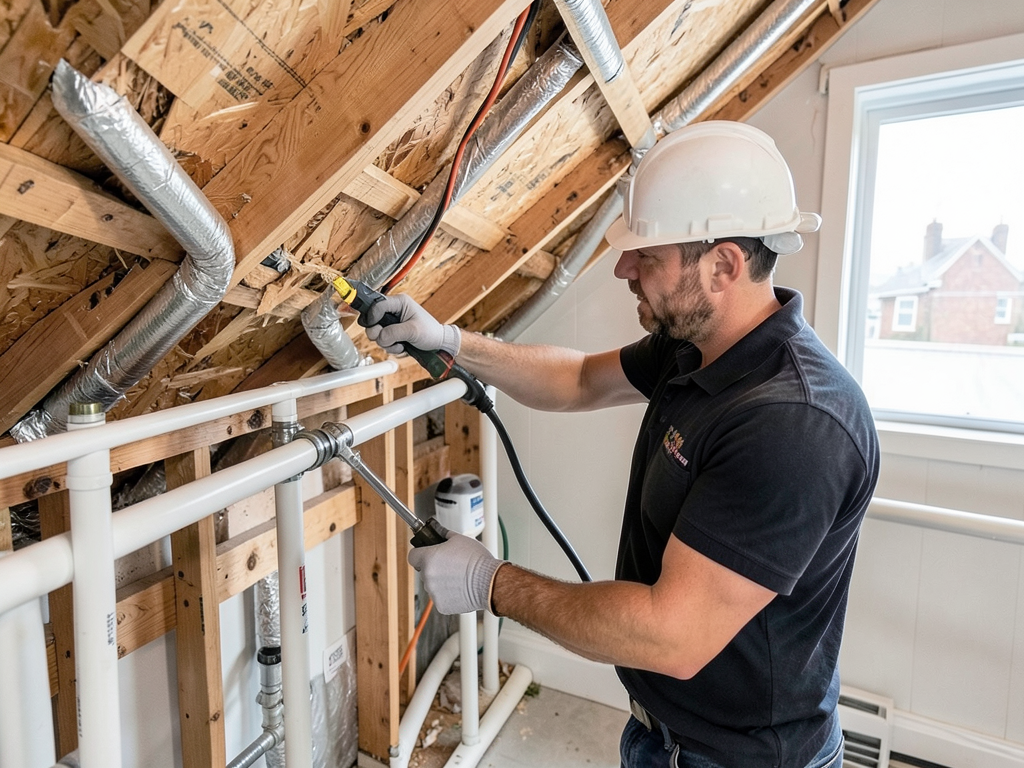
Why Attic Plumbing in Chicago Homes Is More Complex Than You Think
The first challenge you’ll face is the simple fact that water doesn’t flow uphill on its own. When you’re adding a bathroom to an attic, you’re asking your plumbing system to work against gravity to move waste and water to and from your main stack. This requires careful planning of pipe slopes, venting systems, and sometimes the installation of mechanical pumps.. Read more about Modernizing the Plumbing for a Vintage Clawfoot Tub in Your Ravenswood Manor Home.
Chicago’s building code requires a minimum 1/4-inch per foot slope for drain pipes. In an attic conversion, this means you might need to build up your bathroom floor several inches to achieve the proper drainage slope. That’s not just a cosmetic issue – it affects everything from door clearances to the overall height of your finished space.. Read more about How to Navigate Chicago Plumbing Permits for Your Basement Build Out.
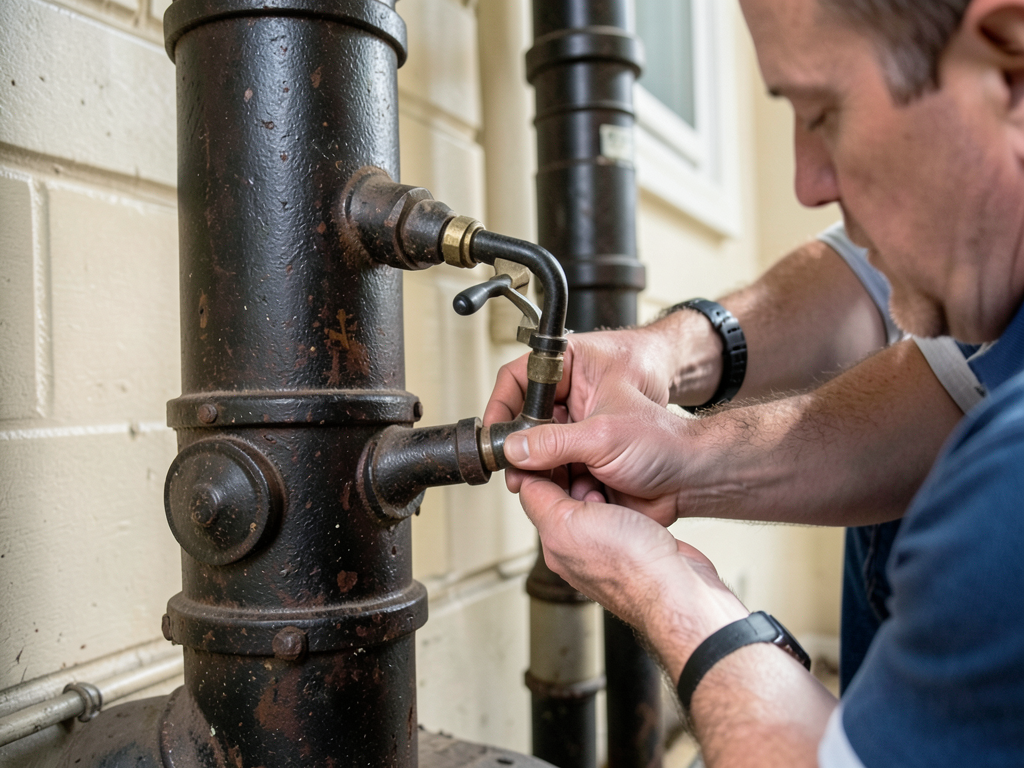
Another hidden challenge is the existing plumbing infrastructure in your Portage Park home. Many of these vintage properties have cast iron drain stacks that are nearing the end of their useful life. When you’re tapping into an old system to add new fixtures, you might discover corroded pipes or inadequate venting that needs to be addressed before you can proceed with your attic conversion.. Read more about Preserving the Historic Plumbing in Your Pullman District Rowhouse.
Chicago Building Codes and Permit Requirements
Chicago’s Department of Buildings has specific requirements for attic conversions that go beyond standard plumbing permits. You’ll need to demonstrate that your proposed bathroom meets minimum ceiling heights, emergency egress requirements, and proper ventilation standards. The city also requires that all new plumbing work be inspected by a licensed master plumber before walls can be closed up. 24 Hour Emergency Plumbers in Lincoln Park for Immediate Help.
One of the most common surprises for homeowners is discovering that their main soil stack isn’t sized to handle additional fixtures. A typical three-bedroom bungalow might have a 3-inch stack that was adequate for the original configuration, but adding a master bathroom suite could require upgrading to a 4-inch or even 6-inch stack to maintain proper flow and prevent backups.
The permit process itself can be a significant hurdle. Chicago requires detailed plumbing plans that show exactly how you’ll connect to the existing system, what materials you’ll use, and how you’ll handle venting. These plans must be stamped by a licensed professional, and the approval process can take several weeks – longer if your plans need revision.
Water Pressure and Supply Line Challenges
Water pressure becomes a critical issue when you’re adding plumbing fixtures on an upper floor. The pressure at your attic bathroom will be significantly lower than at your main floor fixtures due to the height difference. This can result in weak shower spray, slow-filling toilets, and inadequate flow for multiple fixtures running simultaneously.. Read more about Dealing with Gurgling Toilets and Venting Problems in Garfield Park Homes.
To solve this, you might need to install a pressure booster pump or reconfigure your main water service line. Some Portage Park homes have 3/4-inch service lines that were adequate for their original configuration but can’t handle the increased demand of a master suite with multiple fixtures.
Another consideration is the material of your existing supply lines. Many older Chicago homes have galvanized steel pipes that are corroded internally, reducing flow capacity. When you’re adding new fixtures, you might need to replace sections of these old pipes with modern PEX or copper to ensure adequate water delivery to your new bathroom.. Read more about The Danger of Mixing Copper and Galvanized Pipes in Your Archer Heights Home.
Venting Solutions for Attic Bathrooms
Proper venting is essential for any plumbing system, but it becomes particularly challenging in attic conversions. Your bathroom fixtures need to be vented to prevent trap siphoning and allow sewer gases to escape. In a typical attic conversion, you have limited options for running vent pipes through finished spaces. Wicker Park Sewer Line Repair Specialists for Older Chicago Homes.
The most common solution is to extend your main vent stack through the roof. However, this can be complicated in Portage Park’s vintage homes where the existing vent might not be properly sized or might be blocked by structural elements. Sometimes you need to create a new vent path that runs horizontally before turning vertical, which requires careful planning to avoid code violations.
Alternative venting methods like air admittance valves (AAVs) are sometimes used in attic conversions, but Chicago’s code has specific requirements for these devices. They must be accessible for maintenance, properly sized for the fixtures they serve, and installed in approved locations. Not all plumbing contractors are familiar with the nuances of Chicago’s AAV requirements.
Material Selection and Code Compliance
Chicago’s plumbing code has some unique requirements that differ from national standards. For example, the city has historically required copper supply lines in certain residential zones, though PEX is now accepted in many applications. Understanding these local requirements is crucial to avoid costly rework later.
When selecting materials for your attic conversion, you need to consider both code compliance and the specific challenges of unconditioned attic spaces. PEX piping has become popular for its flexibility and resistance to freezing, but it requires careful installation to prevent UV damage and ensure proper support. Copper remains the gold standard for many plumbers but requires more skill to install and can be more expensive. Top Rated Plumbers for High Rise Condos in the Gold Coast.
The choice between these materials often comes down to your specific situation. If you’re working in a tight attic space with many obstacles, PEX might be the better choice due to its flexibility. If you’re in a visible area or have specific code requirements, copper might be necessary despite the higher cost.
Structural Considerations and Load Bearing
Attic spaces weren’t designed to support the weight of a fully equipped bathroom. A typical bathroom with tile, fixtures, and a person can weigh 300-500 pounds per square foot. Your existing attic floor joists might need to be reinforced or sistered to handle this additional load.
This structural work often becomes a hidden cost in attic conversions. You might discover during demolition that your joists are undersized, damaged, or spaced too far apart to meet current building codes. Addressing these issues before you start plumbing work is essential to avoid having to tear out finished work later.
The location of your plumbing fixtures also affects structural requirements. A heavy cast iron tub on one end of the bathroom might require different support than a lightweight shower stall on the other end. Your plumber needs to work closely with your contractor to ensure that plumbing chases and fixture locations don’t compromise the structural integrity of your home.
Insulation and Freeze Protection
Chicago’s brutal winters create unique challenges for attic plumbing. Pipes in unconditioned attic spaces are vulnerable to freezing, which can lead to burst pipes and extensive water damage. Even if your attic will be conditioned as part of the conversion, the plumbing still needs protection from extreme temperature fluctuations.
Proper insulation is critical, but it’s not as simple as just wrapping pipes in foam. You need to consider the entire thermal envelope of your home. This might mean adding insulation to your attic floor before you start plumbing work, or creating a conditioned plumbing chase that stays within your home’s heated envelope.
Another consideration is the location of your main water service line entry. Many Portage Park homes have their water service entering in the basement, which means you’re asking water to travel a significant vertical distance to reach your attic bathroom. This long run increases the risk of freezing and requires careful insulation planning.
Cost Factors and Budget Planning
The hidden costs of attic plumbing conversions often surprise homeowners. While the visible fixtures and finishes might be the most exciting part of your budget, the plumbing work can easily account for 20-30% of your total project cost. This includes not just the materials and labor, but also the cost of permits, inspections, and any unexpected repairs discovered during the process.
Some specific cost factors to consider include the need for pressure boosting equipment, the cost of upgrading your main stack or service line, and the potential need for structural reinforcement. You might also need to budget for temporary water service interruptions during the rough-in phase, which could require you to stay elsewhere for a few days.
It’s also worth considering the long-term costs of your material choices. While PEX might be cheaper upfront than copper, it has a different lifespan and might affect your home’s resale value in different ways. Your plumber should help you understand these trade-offs so you can make informed decisions.
Timeline Considerations
Plumbing work for an attic conversion typically follows a specific sequence that affects your overall project timeline. The rough-in plumbing usually happens after any structural work but before electrical and HVAC rough-in. This means your plumbing work might be delayed if structural issues are discovered or if permit approvals take longer than expected.
After the rough-in is complete, you’ll need to wait for inspections before proceeding with insulation and drywall. This inspection cycle can add several weeks to your project, especially if corrections are needed. The finish plumbing – installing fixtures and connecting appliances – happens near the end of the project, often just before final inspections.
Weather can also impact your timeline. Chicago’s freeze-thaw cycles can affect when certain types of work can be completed, and extreme weather might delay inspections or material deliveries. Building some flexibility into your timeline can help manage expectations and reduce stress.
Working with the Right Professional
Given the complexity of attic plumbing conversions in Chicago homes, choosing the right professional is crucial. You need someone who understands not just plumbing, but also the specific challenges of vintage Chicago construction and the city’s unique building codes.
Look for a licensed master plumber with experience in attic conversions and references from similar projects in Portage Park or nearby neighborhoods like Jefferson Park or Norwood Park. They should be able to explain the entire process clearly, including potential challenges and how they’ll address them.
Ask about their experience with your specific home type. A plumber who has worked extensively on Chicago bungalows will understand the nuances of balloon framing, shared wall cavities, and the common plumbing configurations in these homes. They should also be familiar with the Department of Buildings’ specific requirements for attic conversions.
Comparing Material Options for Your Project
Choosing the right materials for your attic plumbing conversion involves balancing cost, code compliance, and long-term performance. Here’s a comparison of common options:
| Material | Cost Range | Lifespan | Best Use | Chicago Considerations |
|---|---|---|---|---|
| Copper | $3-8 per foot | 50+ years | Supply lines, visible areas | Often required in historic districts |
| PEX | $0.50-2 per foot | 30-50 years | Supply lines, tight spaces | Accepted but check local amendments |
| Cast Iron | $10-20 per foot | 80-100 years | Drain lines, main stacks | Excellent for noise reduction |
| ABS/PVC | $1-3 per foot | 50-80 years | Drain lines, venting | Must meet Chicago temperature ratings |
Common Mistakes to Avoid
Understanding the common pitfalls in attic plumbing conversions can help you avoid costly mistakes. One of the most frequent errors is underestimating the complexity of venting requirements. Homeowners often focus on the visible fixtures and forget that proper venting is essential for the entire system to function correctly.
Another common mistake is choosing the wrong materials for Chicago’s climate. Some homeowners opt for the cheapest options without considering freeze protection or the specific requirements of unconditioned spaces. This can lead to problems that are expensive to fix after walls are closed up.
Finally, many people underestimate the importance of proper slope in drain lines. Even a slight deviation from the required 1/4-inch per foot can cause drainage problems that are difficult to diagnose and fix once the bathroom is finished. Your plumber should use proper leveling tools and techniques to ensure correct slopes throughout the system.
Planning for the Future
When planning your attic master suite, think beyond your immediate needs. Consider how your plumbing choices might affect future renovations or the resale value of your home. For example, installing shut-off valves for each fixture might seem unnecessary now but could save you significant headaches if you need to make repairs later.
You might also want to consider future-proofing your plumbing. If there’s any chance you’ll want to add a laundry room or wet bar in adjacent spaces later, it might be worth installing the necessary rough-in plumbing now while walls are open and access is easy.
Another consideration is water efficiency. Chicago has specific requirements for low-flow fixtures, but you might want to go beyond the minimum to reduce your water bills and environmental impact. Your plumber can help you understand the latest water-saving technologies and how they might fit into your design.
Making Your Dream a Reality
Adding a master suite to your Portage Park attic is a significant investment that can dramatically improve your quality of life and your home’s value. But success depends on understanding and addressing the hidden plumbing challenges before you begin.
The key is to work with professionals who understand the unique aspects of Chicago home construction and the specific requirements of attic conversions. They should be able to guide you through the entire process, from initial design through final inspection, ensuring that your new bathroom is not just beautiful but also fully functional and code-compliant.
Remember that the cheapest option isn’t always the best value. Quality plumbing work done right the first time will save you money and headaches in the long run. Take the time to understand your options, ask questions, and choose materials and methods that will serve you well for decades to come.
Your Portage Park attic has the potential to become the master suite of your dreams, but only if the plumbing is done right. With proper planning, the right professionals, and an understanding of the challenges ahead, you can create a beautiful, functional space that adds both comfort and value to your Chicago home.
Frequently Asked Questions
How much does it typically cost to add plumbing to an attic bathroom in a Chicago home?
The cost varies widely depending on your specific situation, but most homeowners in Portage Park can expect to spend between $8,000 and $15,000 on the plumbing work alone. This includes rough-in plumbing, fixtures, permits, and inspections. Complex projects requiring stack upgrades or pressure boosting systems can cost more.
Can I use PEX piping for my attic bathroom in Chicago?
Yes, PEX is generally accepted for attic plumbing in Chicago, but there are some important considerations. PEX must be protected from UV exposure, properly supported in unconditioned spaces, and installed according to local amendments to the plumbing code. Some historic districts might have specific requirements that favor copper.
How long does the plumbing work take for an attic bathroom conversion?
The rough-in plumbing typically takes 3-5 days, but the entire process from start to finish usually takes 4-6 weeks when you factor in permit approvals, inspections, and any necessary structural work. Weather and the complexity of your specific situation can affect these timelines.
Do I need a special permit for attic plumbing in Chicago?
Yes, you need both a plumbing permit and a building permit for an attic conversion in Chicago. The plumbing permit covers the actual pipe work, while the building permit addresses structural changes, egress requirements, and overall code compliance. Both permits require detailed plans submitted by a licensed professional.
What’s the biggest challenge most homeowners don’t expect when adding attic plumbing?
Most homeowners are surprised by the complexity of venting requirements. They often focus on getting water to the new bathroom but don’t realize that proper venting is equally important for the system to function. This can lead to unexpected costs if new vent paths need to be created through finished spaces. For more information, visit International Association of Plumbing and Mechanical Officials.
{
“@context”: “https://schema.org”,
“@type”: “BlogPosting”,
“headline”: “The Hidden Plumbing Challenges of Adding a Master Suite to Your Portage Park Attic”,
“description”: “Adding a master suite to your Portage Park attic? Discover the hidden plumbing challenges, from Chicago code compliance to venting and pressure issues in vintage homes.”,
“wordCount”: 2762,
“datePublished”: “2026-06-10T08:11:00.000Z”,
“dateModified”: “2026-06-10T08:11:00.000Z”,
“inLanguage”: “en-US”,
“mainEntityOfPage”: {
“@type”: “WebPage”,
“@id”: “https://aplusplumbingchicago.com”
},
“publisher”: {
“@type”: “LocalBusiness”,
“name”: “A Plus Plumbing Chicago”,
“url”: “https://aplusplumbingchicago.com”
},
“author”: {
“@type”: “Organization”,
“name”: “A Plus Plumbing Chicago”,
“url”: “https://aplusplumbingchicago.com”
},
“image”: {
“@type”: “ImageObject”,
“url”: “https://aplusplumbingchicago.com/wp-content/uploads/2026/03/the-hidden-plumbing-challenges-of-adding-a-master-1.png”
}
}
{
“@context”: “https://schema.org”,
“@type”: “Plumber”,
“name”: “A Plus Plumbing Chicago”,
“url”: “https://aplusplumbingchicago.com”,
“address”: {
“@type”: “PostalAddress”,
“addressLocality”: “Chicago”
},
“areaServed”: {
“@type”: “City”,
“name”: “Chicago”
}
}
{
“@context”: “https://schema.org”,
“@type”: “FAQPage”,
“mainEntity”: [
{
“@type”: “Question”,
“name”: “How much does it typically cost to add plumbing to an attic bathroom in a Chicago home?”,
“acceptedAnswer”: {
“@type”: “Answer”,
“text”: “The cost varies widely depending on your specific situation, but most homeowners in Portage Park can expect to spend between $8,000 and $15,000 on the plumbing work alone. This includes rough-in plumbing, fixtures, permits, and inspections. Complex projects requiring stack upgrades or pressure boosting systems can cost more.”
}
},
{
“@type”: “Question”,
“name”: “Can I use PEX piping for my attic bathroom in Chicago?”,
“acceptedAnswer”: {
“@type”: “Answer”,
“text”: “Yes, PEX is generally accepted for attic plumbing in Chicago, but there are some important considerations. PEX must be protected from UV exposure, properly supported in unconditioned spaces, and installed according to local amendments to the plumbing code. Some historic districts might have specific requirements that favor copper.”
}
},
{
“@type”: “Question”,
“name”: “How long does the plumbing work take for an attic bathroom conversion?”,
“acceptedAnswer”: {
“@type”: “Answer”,
“text”: “The rough-in plumbing typically takes 3-5 days, but the entire process from start to finish usually takes 4-6 weeks when you factor in permit approvals, inspections, and any necessary structural work. Weather and the complexity of your specific situation can affect these timelines.”
}
},
{
“@type”: “Question”,
“name”: “Do I need a special permit for attic plumbing in Chicago?”,
“acceptedAnswer”: {
“@type”: “Answer”,
“text”: “Yes, you need both a plumbing permit and a building permit for an attic conversion in Chicago. The plumbing permit covers the actual pipe work, while the building permit addresses structural changes, egress requirements, and overall code compliance. Both permits require detailed plans submitted by a licensed professional.”
}
},
{
“@type”: “Question”,
“name”: “What’s the biggest challenge most homeowners don’t expect when adding attic plumbing?”,
“acceptedAnswer”: {
“@type”: “Answer”,
“text”: “Most homeowners are surprised by the complexity of venting requirements. They often focus on getting water to the new bathroom but don’t realize that proper venting is equally important for the system to function. This can lead to unexpected costs if new vent paths need to be created through finished spaces. For more information, visit International Association of Plumbing and Mechanical Officials.”
}
}
]
}
{
“@context”: “https://schema.org”,
“@type”: “BreadcrumbList”,
“itemListElement”: [
{
“@type”: “ListItem”,
“position”: 1,
“name”: “Home”,
“item”: “https://aplusplumbingchicago.com”
},
{
“@type”: “ListItem”,
“position”: 2,
“name”: “Blog”,
“item”: “https://aplusplumbingchicago.com/blog”
},
{
“@type”: “ListItem”,
“position”: 3,
“name”: “The Hidden Plumbing Challenges of Adding a Master Suite to Your Portage Park Attic”
}
]
}
{
“@context”: “https://schema.org”,
“@type”: “Service”,
“serviceType”: “Plumbing”,
“provider”: {
“@type”: “LocalBusiness”,
“name”: “A Plus Plumbing Chicago”,
“url”: “https://aplusplumbingchicago.com”
},
“areaServed”: {
“@type”: “City”,
“name”: “Chicago”
},
“description”: “Adding a master suite to your Portage Park attic? Discover the hidden plumbing challenges, from Chicago code compliance to venting and pressure issues in vintage homes.”
}