
Modernizing the Plumbing for a Vintage Clawfoot Tub in Your Ravenswood Manor Home
The charm of a clawfoot tub adds undeniable character to any Ravenswood Manor bathroom. These freestanding fixtures recall an era when craftsmanship mattered and fixtures were built to last. However, beneath that porcelain exterior often lies plumbing that has weathered nearly a century of Chicago’s freeze-thaw cycles and hard water. Updating these systems requires a careful balance between preserving historic aesthetics and meeting modern performance standards. Chicago Plumbing Code Requirements.
Ravenswood Manor’s tree-lined streets and early 20th-century architecture create a perfect setting for these vintage tubs. Many homes in this North Side neighborhood were built between 1910 and 1930 featuring Arts and Crafts and Prairie School designs. The original plumbing in these homes often includes lead supply lines and cast iron waste pipes that no longer meet current safety standards. Modernizing without destroying the tub’s character requires understanding both the fixture’s construction and Chicago’s specific building requirements. Why River North Business Owners Trust Us for Rapid Commercial Plumbing Repairs.
Common Plumbing Issues in Vintage Clawfoot Tubs
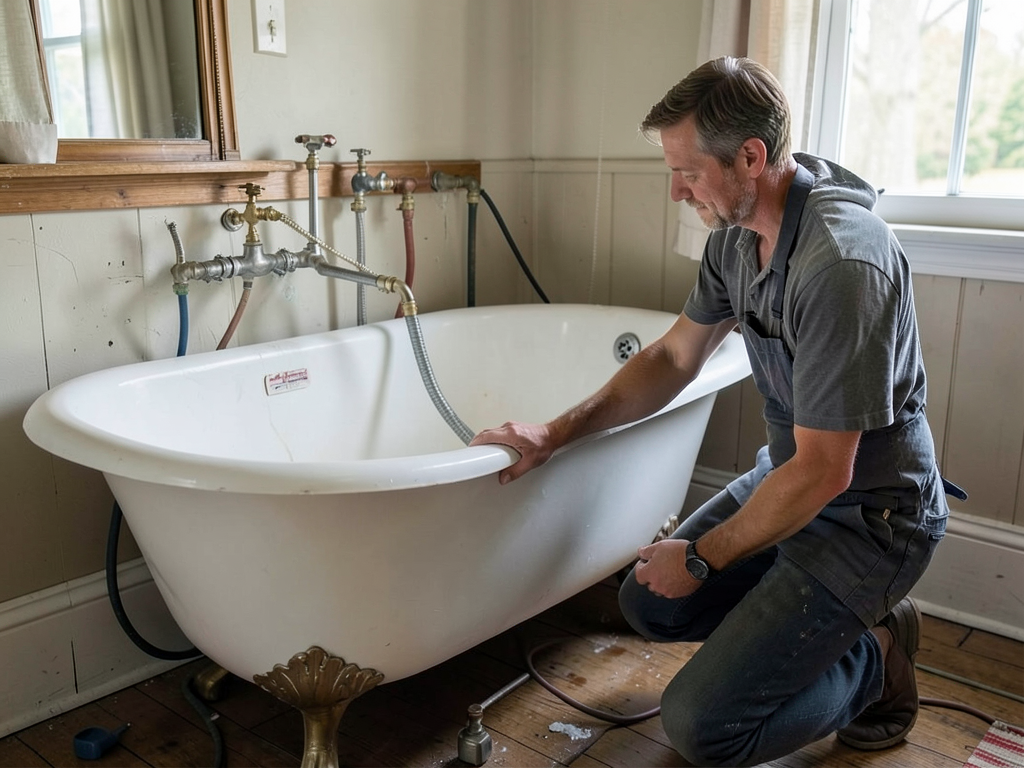
Age creates predictable problems in vintage tub plumbing. The most frequent issue involves the faucet assembly. Original gooseneck faucets often develop slow drips from worn washers or corroded valve seats. These fixtures typically use compression valves rather than modern cartridge systems making repairs more involved. The supply lines running from floor-mounted shut-off valves to the tub often show signs of corrosion after decades of service. Many original lines were made from galvanized steel which deteriorates from the inside out leaving restricted water flow and eventual failure. EPA Lead in Drinking Water Information.
The waste and overflow assembly presents another common failure point. These components sit below the tub’s water level making them vulnerable to constant moisture exposure. Original brass fittings often develop hairline cracks or corroded threads. The rubber gaskets that seal these connections harden and fail over time leading to slow leaks that damage floor structures. In some cases, the entire assembly must be replaced rather than repaired due to unavailable parts or severe corrosion.
Floor-mounted supply lines in older homes often connect to lead pipes within the walls. These connections pose both health and structural concerns. Lead contamination affects water quality while the soft metal connections are prone to compression damage during repairs. Modern building codes require replacing lead service lines which extends to any visible lead piping in the bathroom.
Professional Restoration Process for Vintage Tub Plumbing
A complete restoration follows a systematic approach to ensure both function and preservation. The process begins with a thorough inspection of all visible components. Technicians examine faucet operation water pressure at supply lines and check for active leaks around the tub’s base. This assessment determines whether repair or replacement makes more sense from both cost and preservation standpoints.
Water supply modernization typically starts with replacing floor-mounted shut-off valves. Original valves often use compression fittings that no longer seal properly. Modern quarter-turn ball valves provide more reliable operation and easier maintenance. The supply lines themselves require careful selection. While copper offers durability many restoration specialists recommend flexible stainless steel braided lines for their resistance to kinking and ease of installation around the tub’s curved base.. Read more about The Danger of Mixing Copper and Galvanized Pipes in Your Archer Heights Home.
Faucet restoration presents unique challenges. Original fixtures often use non-standard thread sizes that prevent direct replacement with modern units. In these cases professional rebuilding becomes necessary. This process involves disassembling the faucet replacing all internal rubber components and resurfacing valve seats. For severely corroded fixtures complete replacement with reproduction units that match the original style may prove more practical.
The waste and overflow system requires particular attention to detail. Original assemblies used brass fittings with specific thread patterns now considered obsolete. Modern replacement parts often require adapters or custom modifications to fit properly. The installation must maintain proper drainage slope while ensuring all connections remain accessible for future maintenance. Many technicians recommend installing access panels behind the tub to reach these connections without removing the fixture.
Sourcing Parts for Vintage Clawfoot Tub Restoration
Finding compatible parts challenges even experienced restorers. Original manufacturers like Standard Sanitary Manufacturing Company (now American Standard) Crane and Kohler produced fixtures with unique specifications. Many of these companies no longer support these older designs. Specialized plumbing salvage yards throughout Chicago maintain inventories of vintage components. These businesses often serve as resources for both parts and technical information about specific fixture models.. Read more about Preserving the Historic Plumbing in Your Pullman District Rowhouse.
Reproduction parts offer alternatives when originals prove unavailable. Several manufacturers produce historically accurate faucets and drain assemblies using modern internal components. These units maintain the visual character of vintage fixtures while providing reliable modern performance. Quality varies significantly between manufacturers making professional guidance valuable when selecting reproduction parts.
Online marketplaces and specialty forums connect restorers with rare components. However buyers must exercise caution regarding part condition and compatibility. Many vintage fittings use pipe threads that differ from modern National Pipe Thread standards. Attempting to force incompatible parts together often damages both components. Professional restorers maintain networks of suppliers and can source appropriate adapters or custom-fabricated pieces when necessary.
Chicago Building Code Considerations
Chicago’s plumbing code includes specific requirements for historic home renovations. The city mandates lead service line replacement which extends to any visible lead piping within the home. This requirement affects many Ravenswood Manor homes built before 1940. The code also requires pressure-balancing valves on all shower fixtures to prevent scalding a consideration for tubs with integrated shower conversions. Top Rated Plumbers for High Rise Condos in the Gold Coast.
Water hammer arrestors become necessary when updating older plumbing systems. These devices prevent pipe damage from pressure surges when valves close quickly. Many vintage systems lack these protections making their installation part of any comprehensive restoration. The code also specifies minimum pipe sizes for supply lines with many original installations falling below current standards.
Permitting requirements vary by project scope. Simple faucet repairs typically don’t require permits but replacing supply lines or drain assemblies often does. The Chicago Department of Buildings maintains specific guidelines for work in historic districts though Ravenswood Manor itself falls outside these designated areas. However the neighborhood’s historic character means inspectors often apply stricter scrutiny to visible changes.
DIY vs Professional Restoration: Making the Right Choice
Homeowners often weigh DIY restoration against professional service. Simple tasks like replacing washers or adjusting faucet handles fall within most DIY skill levels. However the complexity increases quickly when dealing with supply line replacement or drain assembly work. Vintage fixtures require specific tools and techniques that casual DIYers rarely possess.
Professional restoration offers several advantages. Technicians bring experience with various vintage fixture brands and their specific failure modes. They possess specialized tools for removing corroded fittings without damaging surrounding surfaces. Most importantly professionals understand how to maintain the tub’s structural integrity during the restoration process. Vintage cast iron tubs weigh several hundred pounds and improper handling causes cracks or breaks.
Cost considerations factor into the decision. Professional restoration typically ranges from $800 to $2500 depending on the work scope. DIY attempts might save labor costs but often lead to additional expenses when mistakes occur. A broken vintage faucet stem or damaged supply line can transform a simple repair into a major project requiring emergency service. 24 Hour Emergency Plumbers in Lincoln Park for Immediate Help.
Time investment also matters. Professional teams complete most restorations within one to two days. DIY projects often stretch across multiple weekends as homeowners research solutions and wait for parts deliveries. For bathrooms serving as the home’s only bathing facility this extended downtime creates significant inconvenience.
Maintaining Your Restored Vintage Tub
Proper maintenance extends the life of restored vintage tub plumbing. Regular cleaning prevents mineral buildup that can seize valve components. Avoid abrasive cleaners that scratch porcelain surfaces creating areas where grime accumulates. Instead use mild soap solutions and soft cloths for routine cleaning.
Annual inspections catch developing problems before they cause damage. Check faucet handles for looseness indicating worn stems. Examine supply line connections for moisture that signals slow leaks. Listen for whistling or humming sounds from faucets which often indicate failing washers or debris in supply lines.
Water quality affects vintage fixture longevity. Chicago’s hard water creates mineral deposits that restrict flow and corrode internal components. Consider installing a whole-house water softener if your home lacks one. These systems protect not just the tub’s plumbing but also extend the life of water heaters and other appliances.
Temperature management prevents stress on vintage components. Avoid sudden temperature changes that cause rapid expansion and contraction of metal parts. This practice proves especially important in winter when cold supply lines meet hot water from the heater. Gradual temperature adjustment reduces stress on aged valve seats and washers.
Weight Considerations for Vintage Clawfoot Tubs
Cast iron clawfoot tubs create significant structural considerations. A typical vintage tub weighs between 200 and 400 pounds empty. Filled with water and an adult occupant total weight can exceed 1000 pounds. Original bathroom floors in homes built before 1940 often used 2×6 joists spaced 24 inches apart. These structures may not meet modern load requirements for such concentrated weight.
Structural assessment becomes necessary before installing vintage tubs in second-floor bathrooms or homes with visible floor deflection. Professional evaluation determines whether existing framing requires reinforcement. Solutions range from adding support posts in basement ceilings to installing new joists between existing ones. These modifications ensure safe installation while preserving the home’s structural integrity.
Floor leveling affects tub stability. Original bathroom floors often settle unevenly creating gaps between the tub’s feet and the floor surface. These gaps cause movement that stresses drain connections and faucet mounting points. Professional installation includes floor leveling and proper support shimming to eliminate movement.
Wall clearance matters for both function and maintenance. Vintage tubs require specific clearances for faucet access and cleaning behind the fixture. Building codes mandate minimum clearances though many older bathrooms fall short of these requirements. Careful planning ensures the tub fits the available space while maintaining necessary access for future repairs.
Cost-Benefit Analysis of Restoration vs Replacement
Financial considerations influence restoration decisions. Complete vintage tub restoration typically costs $1200 to $3000 including parts and labor. This investment preserves the fixture’s historic value and often proves less expensive than premium modern equivalents. High-end contemporary freestanding tubs can cost $5000 or more before installation.
Replacement with modern fixtures offers different advantages. New tubs provide warranties modern water-saving features and guaranteed code compliance. However they lack the character and craftsmanship of vintage pieces. The decision often depends on whether the tub serves as a bathroom focal point or merely provides bathing function.
Property value impacts factor into the equation. In historic neighborhoods like Ravenswood Manor original features often increase home values. Real estate professionals report that well-maintained vintage bathrooms attract buyers seeking authentic historic character. Conversely poorly executed updates to vintage homes can reduce property values by disrupting architectural continuity.
Environmental considerations support restoration. Manufacturing new fixtures requires significant energy and raw materials. Restoring existing components reduces landfill waste and conserves the embodied energy in original manufacturing. Many homeowners find this conservation aspect aligns with broader sustainability goals.
Finding Qualified Vintage Tub Restoration Specialists
Selecting the right professional ensures successful restoration. Look for plumbers with specific experience in vintage fixture work. These specialists understand the nuances of working with century-old components and can source appropriate replacement parts. Ask potential contractors about their experience with clawfoot tubs and request references from similar projects.
Insurance and licensing matter more with vintage work than standard plumbing. The specialized nature of the work increases accident risks from broken fixtures to water damage. Verify that contractors carry adequate insurance and maintain proper Chicago licensing. Request proof of both before beginning any work.
Written estimates should detail the work scope and materials. Vintage restoration often reveals additional problems once work begins. A thorough initial inspection minimizes surprises but some issues only become apparent during disassembly. Discuss how change orders work and establish communication protocols for unexpected findings.
Warranty considerations vary by work type. Faucet rebuilds might carry 90-day warranties while supply line replacements often include longer coverage. Understand what warranty covers and what actions might void it. Some vintage restorations require specific maintenance to maintain warranty coverage.
Local Resources for Vintage Tub Owners
Chicago offers several resources for vintage tub restoration. The Chicago Bungalow Association provides information on maintaining historic homes including plumbing considerations. Their resources help homeowners understand what modifications maintain historic integrity while meeting modern standards.
Local salvage yards specialize in architectural elements from demolished buildings. Facilities in the Ravenswood and Lincoln Square areas often stock vintage bathroom fixtures. These businesses provide both parts and expertise about specific fixture models and their typical failure modes.
Online communities connect vintage home enthusiasts. Forums dedicated to historic home restoration offer advice on specific problems and parts sourcing. These communities often include professionals willing to share knowledge about common issues and solutions.
Professional associations maintain directories of specialists. The National Association of the Remodeling Industry includes members with historic renovation experience. While not all members focus on vintage work many maintain relationships with qualified specialists.
Future-Proofing Your Vintage Tub Installation
Modern technology can enhance vintage tub functionality without compromising aesthetics. Concealed thermostatic mixing valves maintain consistent water temperature while hiding behind walls. These devices prevent scalding and improve comfort without visible modern components. Installation requires wall access but preserves the tub’s exterior appearance.
Water conservation features integrate with vintage designs. Modern flow restrictors reduce water usage while maintaining adequate pressure. These devices install within faucet bodies keeping visible components unchanged. Some manufacturers offer reproduction fixtures with concealed water-saving features meeting current efficiency standards.
Smart home integration approaches vintage bathrooms cautiously. Motion-sensor lighting provides convenience without visible switches. Temperature monitoring systems alert homeowners to potential leaks before major damage occurs. These additions enhance functionality while maintaining historic character.
Accessibility modifications accommodate changing needs. Grab bars designed to match vintage fixtures provide safety without visual disruption. Adjustable-height shower heads offer versatility while mounting in locations that don’t interfere with the tub’s classic lines. These adaptations extend the fixture’s useful life for owners planning long-term residence.
Preserving the Legacy of Vintage Clawfoot Tubs
Vintage clawfoot tubs represent more than bathing fixtures. They embody craftsmanship and design principles from eras when manufacturing emphasized durability over disposability. Preserving these pieces maintains connections to architectural history while providing functional benefits. The restoration process itself often reveals construction techniques and material choices that inform modern building practices.
Community appreciation for vintage features grows as mass-produced alternatives dominate new construction. Homeowners increasingly value the uniqueness and quality of original fixtures. This appreciation drives demand for restoration services and creates markets for reproduction parts that maintain historic aesthetics while meeting modern standards.
Education plays a crucial role in preservation. Understanding how vintage systems work helps owners make informed decisions about updates and maintenance. This knowledge prevents unnecessary replacements and ensures that modifications respect the fixture’s historic character. Professional restorers often serve as educators helping owners understand their vintage investments.
Looking forward vintage tub preservation aligns with sustainable building practices. Extending the life of existing fixtures reduces manufacturing demand and landfill waste. As building codes increasingly emphasize environmental impact restoration becomes both a historic preservation and sustainability choice. This dual benefit ensures continued interest in vintage fixture preservation for future generations.
Frequently Asked Questions
Can I install modern fixtures on my vintage clawfoot tub?
Modern fixtures can work with vintage tubs but compatibility varies. Many original tubs use non-standard spacing and thread patterns. Reproduction fixtures designed for clawfoot tubs offer the best fit while maintaining historic appearance. Professional measurement and assessment prevent costly mistakes.
How long does a complete tub plumbing restoration take?
Most professional restorations require one to two days depending on the work scope. Simple faucet rebuilds might finish in hours while complete supply line and drain replacements take longer. Unexpected issues like corroded fittings can extend timelines. Discuss timeframes with your contractor before beginning work.
Is my vintage tub worth restoring?
Value depends on several factors. Clawfoot tubs in good condition typically justify restoration costs through preserved home value and continued use. Rare designs or manufacturer markings can increase collector interest. Consider restoration costs against replacement options and your long-term plans for the home.
What are signs my vintage tub plumbing needs attention?
Common indicators include dripping faucets reduced water pressure visible corrosion on supply lines and moisture around drain connections. Unusual sounds during operation like whistling or humming suggest internal component wear. Annual inspections help identify problems before they cause significant damage.
Can I move my vintage tub to a different bathroom?
Moving vintage tubs requires careful planning. The fixtures weigh several hundred pounds and often have custom supply line configurations. Moving may necessitate new plumbing connections and floor reinforcement. Professional movers experienced with vintage fixtures prevent damage during transport.
{
“@context”: “https://schema.org”,
“@type”: “BlogPosting”,
“headline”: “Modernizing the Plumbing for a Vintage Clawfoot Tub in Your Ravenswood Manor Home”,
“description”: “Expert guide to updating vintage clawfoot tub plumbing in Ravenswood Manor homes. Learn about lead pipe replacement, antique fixtures, and Chicago code compliance.”,
“wordCount”: 2791,
“datePublished”: “2026-06-13T14:05:00.000Z”,
“dateModified”: “2026-06-13T14:05:00.000Z”,
“inLanguage”: “en-US”,
“mainEntityOfPage”: {
“@type”: “WebPage”,
“@id”: “https://aplusplumbingchicago.com”
},
“publisher”: {
“@type”: “LocalBusiness”,
“name”: “A Plus Plumbing Chicago”,
“url”: “https://aplusplumbingchicago.com”
},
“author”: {
“@type”: “Organization”,
“name”: “A Plus Plumbing Chicago”,
“url”: “https://aplusplumbingchicago.com”
},
“image”: {
“@type”: “ImageObject”,
“url”: “https://aplusplumbingchicago.com/wp-content/uploads/2026/03/modernizing-the-plumbing-for-a-vintage-clawfoot-tu-1.png”
}
}
{
“@context”: “https://schema.org”,
“@type”: “Plumber”,
“name”: “A Plus Plumbing Chicago”,
“url”: “https://aplusplumbingchicago.com”,
“address”: {
“@type”: “PostalAddress”,
“addressLocality”: “Chicago”
},
“areaServed”: {
“@type”: “City”,
“name”: “Chicago”
}
}
{
“@context”: “https://schema.org”,
“@type”: “FAQPage”,
“mainEntity”: [
{
“@type”: “Question”,
“name”: “How long does a complete tub plumbing restoration take?”,
“acceptedAnswer”: {
“@type”: “Answer”,
“text”: “Most professional restorations require one to two days depending on the work scope. Simple faucet rebuilds might finish in hours while complete supply line and drain replacements take longer. Unexpected issues like corroded fittings can extend timelines. Discuss timeframes with your contractor before beginning work.”
}
},
{
“@type”: “Question”,
“name”: “Is my vintage tub worth restoring?”,
“acceptedAnswer”: {
“@type”: “Answer”,
“text”: “Value depends on several factors. Clawfoot tubs in good condition typically justify restoration costs through preserved home value and continued use. Rare designs or manufacturer markings can increase collector interest. Consider restoration costs against replacement options and your long-term plans for the home.”
}
},
{
“@type”: “Question”,
“name”: “What are signs my vintage tub plumbing needs attention?”,
“acceptedAnswer”: {
“@type”: “Answer”,
“text”: “Common indicators include dripping faucets reduced water pressure visible corrosion on supply lines and moisture around drain connections. Unusual sounds during operation like whistling or humming suggest internal component wear. Annual inspections help identify problems before they cause significant damage.”
}
},
{
“@type”: “Question”,
“name”: “Can I move my vintage tub to a different bathroom?”,
“acceptedAnswer”: {
“@type”: “Answer”,
“text”: “Moving vintage tubs requires careful planning. The fixtures weigh several hundred pounds and often have custom supply line configurations. Moving may necessitate new plumbing connections and floor reinforcement. Professional movers experienced with vintage fixtures prevent damage during transport.”
}
}
]
}
{
“@context”: “https://schema.org”,
“@type”: “BreadcrumbList”,
“itemListElement”: [
{
“@type”: “ListItem”,
“position”: 1,
“name”: “Home”,
“item”: “https://aplusplumbingchicago.com”
},
{
“@type”: “ListItem”,
“position”: 2,
“name”: “Blog”,
“item”: “https://aplusplumbingchicago.com/blog”
},
{
“@type”: “ListItem”,
“position”: 3,
“name”: “Modernizing the Plumbing for a Vintage Clawfoot Tub in Your Ravenswood Manor Home”
}
]
}
{
“@context”: “https://schema.org”,
“@type”: “Service”,
“serviceType”: “Plumbing”,
“provider”: {
“@type”: “LocalBusiness”,
“name”: “A Plus Plumbing Chicago”,
“url”: “https://aplusplumbingchicago.com”
},
“areaServed”: {
“@type”: “City”,
“name”: “Chicago”
},
“description”: “Expert guide to updating vintage clawfoot tub plumbing in Ravenswood Manor homes. Learn about lead pipe replacement, antique fixtures, and Chicago code compliance.”
}