
Identifying Common Plumbing Issues in Renovated Kenwood Greystones
Walking through Kenwood’s historic greystones means admiring century-old limestone facades and intricate architectural details. But behind those walls lie plumbing systems that have weathered decades of Chicago’s harsh climate and evolving building codes. Understanding what can go wrong helps you protect your investment and avoid costly surprises during renovations. Chicago Department of Buildings plumbing requirements.
Why Kenwood Greystones Face Unique Plumbing Challenges
These 19th-century homes were built when plumbing technology looked very different than today. Many still contain original materials and configurations that create specific vulnerabilities. The combination of aging infrastructure, Chicago’s freeze-thaw cycles, and the unique construction of greystone buildings means certain problems appear more frequently here than in newer construction.. Read more about The Real Pros and Cons of Epoxy Pipe Lining for Chicago Homeowners.
Kenwood’s greystones typically feature multi-story layouts with shared plumbing stacks, basement floor drains connected to the city sewer system, and foundations that sit close to the water table. These characteristics influence what plumbing issues you’re most likely to encounter. Wicker Park Sewer Line Repair Specialists for Older Chicago Homes.
Common Plumbing Problems in Historic Greystones
Galvanized Steel Pipe Corrosion
Many greystones built before 1960 contain galvanized steel water supply pipes. These pipes corrode from the inside out, restricting water flow and eventually failing completely. You might notice reduced water pressure, especially on upper floors, or rusty water when you first turn on a tap.
The corrosion process happens gradually. A pipe that delivered strong flow in the 1970s might provide barely a trickle today. This affects not just one fixture but the entire branch line, meaning multiple taps suffer simultaneously.
Lead Service Lines and Indoor Lead Piping
Chicago’s older neighborhoods, including Kenwood, commonly have lead service lines connecting homes to the city water main. Lead was also used for indoor plumbing in very old systems. While lead pipes don’t typically burst, they pose serious health risks and are being replaced across the city through the Lead Service Line Replacement program.. Read more about How to Plan the Plumbing for a Kitchen Island in Your West Loop Loft.
Lead pipes become brittle with age and can develop pinhole leaks. They also react with certain water conditions, potentially leaching lead into your drinking water. Testing and replacement should be a priority for any renovation project.
Cast Iron Stack Deterioration
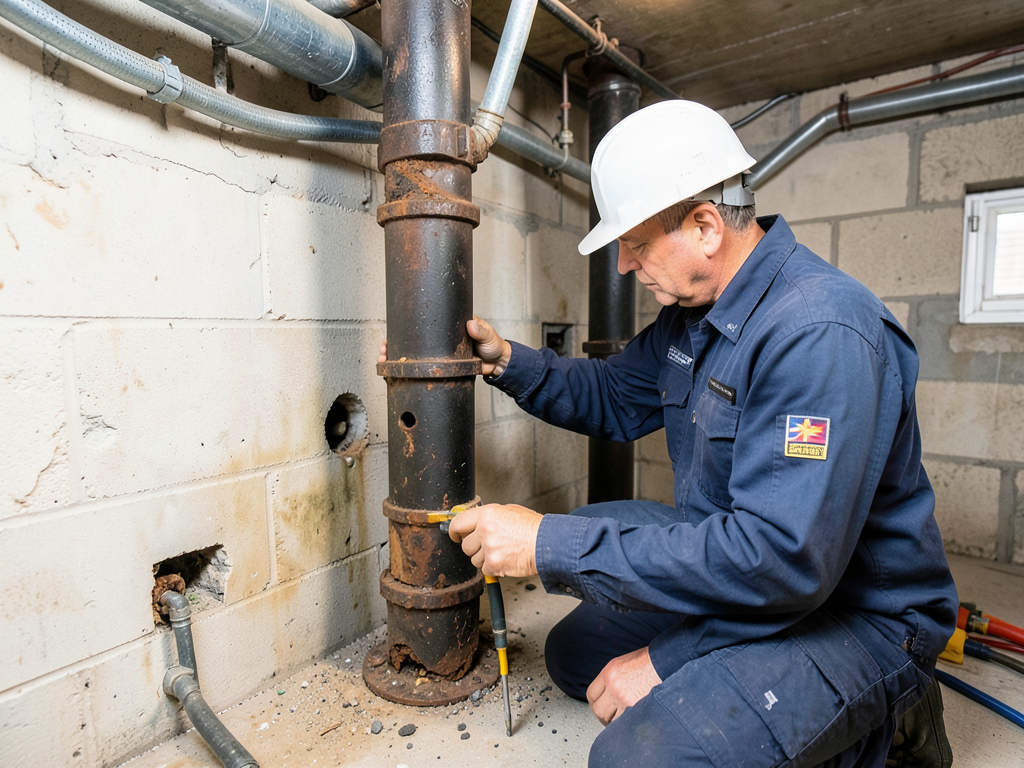
Greystones often use cast iron soil stacks to carry waste from multiple floors down to the sewer. These stacks can last 50-75 years but eventually develop cracks, corrosion, and joint failures. A failing stack might cause sewage odors, slow drains throughout the house, or even sewage backups.. Read more about What to Do When Your Washing Machine Drain Overflows Every Time You Do Laundry.
Cast iron deteriorates from the inside due to hydrogen sulfide gas in sewage. You can’t see this damage without inspection, but symptoms include gurgling sounds, frequent clogs, and water backing up in lower-level fixtures when upper floors are used.
Basement Floor Drain and Ejector Pump Issues
Many Kenwood greystones sit on lots where the basement floor sits below the city sewer line. This means floor drains need ejector pumps to lift wastewater to the main sewer. When these pumps fail, you get sewage backing up through floor drains during heavy rain or when multiple fixtures drain simultaneously.
Chicago’s combined sewer system means heavy rainfall can overwhelm the system. Without proper backflow prevention and working ejector pumps, your basement becomes vulnerable to flooding.
Clay Sewer Lateral Failures
Older greystones often connect to the city sewer through clay pipes laid in sections. These pipes can separate at the joints, crack from soil movement, or become invaded by tree roots. Symptoms include recurring clogs, sewage odors in the yard, or soggy patches where wastewater leaks underground. EPA information on lead service line replacement.
Clay pipes were state-of-the-art when your greystone was built, but they’re not designed to last 100+ years under Chicago’s clay soil conditions.
Modernizing Without Destroying Historic Character
Copper Repiping Strategies
Replacing galvanized pipes with copper requires careful planning in historic homes. The goal is to maintain water pressure throughout multi-story layouts while minimizing damage to original plaster and woodwork. This often means running new lines through existing chases or creating minimal access points.
Modern PEX piping offers another option. It’s flexible enough to route through tight spaces without creating large access holes. However, some landmark districts have restrictions on visible PEX installations.
Stack Replacement in Masonry Walls
Replacing a cast iron stack in a greystone requires working within masonry walls that can be several feet thick. This isn’t a weekend DIY project. It requires cutting through limestone, brick, or concrete, then carefully rebuilding to maintain structural integrity.
Modern PVC stacks can replace cast iron, but the transition requires proper fittings and support systems designed for the specific load requirements of multi-story drainage.
Preserving Original Fixtures While Upgrading Function
Many greystone owners want to keep original clawfoot tubs, pedestal sinks, or period-appropriate fixtures. This is possible by rebuilding internal components rather than replacing the entire fixture. Modern ceramic cartridges can replace old compression valves while maintaining the original look.
For kitchens and bathrooms, reproduction fixtures that meet modern efficiency standards are available in vintage styles. This lets you achieve water savings without compromising the historic aesthetic.
Navigating Chicago Building Codes for Historic Properties
Chicago’s building codes have specific requirements for plumbing in historic districts. The Department of Buildings requires permits for most plumbing work, and landmarked properties face additional scrutiny. Understanding these requirements before starting prevents costly delays and potential fines.
The city’s Lead Service Line Replacement program provides resources and requirements for replacing lead pipes. While participation is voluntary for individual property owners, it’s becoming standard practice during major renovations.
Backflow prevention devices are mandatory for homes with basement plumbing below street level. This protects the city’s water supply and prevents contamination of your own system during pressure fluctuations.
Case Study: Kenwood Greystone Plumbing Renovation
A recent project in the Kenwood district involved a 1905 greystone with chronic basement flooding and low water pressure on upper floors. The home had original lead service lines, galvanized supply pipes, and a deteriorating cast iron stack.
The renovation required replacing the lead service line through the city’s replacement program, installing a new copper supply system while preserving original trim, and replacing the entire cast iron stack with modern PVC. An ejector pump system was added to handle basement drainage, and backflow preventers were installed at key points.
The project took three weeks and cost approximately $28,000, but eliminated chronic flooding issues and restored full water pressure throughout the home. The work was completed under landmark district guidelines, maintaining the home’s historic character while meeting modern plumbing standards.
Preventive Maintenance for Greystone Plumbing
Regular maintenance prevents many common greystone plumbing problems. Annual inspections can catch issues before they become emergencies. Key maintenance tasks include checking for leaks around fixtures, testing sump pumps and ejector pumps, and inspecting visible pipes for corrosion or damage.
Drain cleaning should be done proactively rather than waiting for clogs. Professional hydro-jetting can clear buildup in older pipes without the damage that chemical cleaners can cause. This is especially important for homes with cast iron stacks where internal corrosion is already a concern.
During Chicago’s freezing winters, prevent frozen pipes by keeping cabinet doors open under sinks on exterior walls, letting faucets drip during extreme cold, and maintaining consistent indoor temperatures even in unused areas of the home. Fixing Frozen and Burst Pipes in Bucktown During a Chicago Winter.
Emergency Response Planning
Knowing how to respond to plumbing emergencies can minimize damage in your greystone. Locate your main water shutoff valve and learn how to operate it. In many greystones, this is in the basement near the front of the house where the water main enters.
Keep emergency contact numbers readily available. A plumbing emergency that might be a minor inconvenience in a modern home can cause extensive damage in a greystone with original plaster walls and hardwood floors. 24 Hour Emergency Plumbers in Lincoln Park for Immediate Help.
Consider installing water leak detection systems that can shut off the main supply automatically if they detect unusual flow patterns. These systems can prevent catastrophic damage from burst pipes or failed fixtures.
Cost Considerations for Greystone Plumbing Work
Plumbing work in historic greystones typically costs 30-50% more than in modern homes due to the complexity of working with existing finishes, the need for specialized techniques, and compliance with landmark district requirements.
Simple fixture replacements might cost $200-500, while complete repiping projects can range from $8,000 to $25,000 depending on the home’s size and the extent of work required. Stack replacement in multi-story buildings often costs $15,000 to $35,000.. Read more about Converting Your Gas Range to Electric — What You Need to Know About Gas Lines in Ukrainian Village.
Lead service line replacement through the city program may have partial reimbursement available, but the process takes longer than private replacement. Budget accordingly if you’re planning other renovation work.
Finding Qualified Plumbers for Historic Homes
Not all plumbers have experience with historic greystones. Look for contractors who understand the unique challenges of working in masonry buildings, who are familiar with Chicago’s landmark district requirements, and who have experience with the specific materials and systems common in early 20th-century construction. Top Rated Plumbers for High Rise Condos in the Gold Coast.
Ask potential plumbers about their experience with lead pipe replacement, stack replacement in masonry walls, and basement waterproofing in historic properties. Request references from similar projects in your area.
Verify licensing and insurance, but also ask about specific training or certifications related to historic preservation or working with older building materials.
Future-Proofing Your Greystone Plumbing
As you renovate, consider upgrades that will serve you well for decades. Install access panels in strategic locations to make future maintenance easier. Choose materials and fixtures that balance modern efficiency with the home’s historic character.
Plan for the eventual replacement of major components. If your cast iron stack is 60 years old, budgeting for replacement within the next decade is prudent. The same applies to water heaters, sump pumps, and other components with limited lifespans.
Consider water conservation upgrades that can reduce strain on older pipes while lowering utility bills. Low-flow fixtures, efficient water heaters, and smart water monitors can extend the life of your plumbing system while improving performance.
Protecting Your Investment
Your Kenwood greystone represents a significant investment, both financially and historically. The plumbing system is a critical component that affects everything from daily comfort to property value. Understanding common issues and addressing them proactively protects both your home and your investment.
Whether you’re planning a major renovation or simply want to understand what might be lurking behind those beautiful plaster walls, knowledge is your best tool. The right approach combines respect for your home’s history with the practical needs of modern living.
Ready to address plumbing issues in your historic greystone? Call A Plus Plumbing Chicago at (773) 514-5111 for expert service that understands the unique needs of Kenwood’s historic homes. Our team specializes in preserving the character of your greystone while bringing your plumbing system into the 21st century.
Frequently Asked Questions
How can I tell if my greystone has lead pipes?
Lead pipes are typically dull gray and very soft. You can usually identify them by scraping the pipe gently with a coin – if the scratch reveals a shiny, silver-colored metal underneath, it’s likely lead. However, the safest approach is to have a professional inspection, as lead pipes may be hidden behind walls or under floors.
Is it worth preserving original fixtures in a historic home?
Many original fixtures can be restored and upgraded with modern components while maintaining their historic appearance. Clawfoot tubs, pedestal sinks, and period-appropriate faucets can often be rebuilt rather than replaced, preserving your home’s character while improving function. However, some very old fixtures may be better replaced with accurate reproductions that meet current efficiency standards.
How long does a typical greystone plumbing renovation take?
The timeline varies significantly based on the scope of work. Simple fixture replacements might take a day or two, while complete repiping projects typically require 3-7 days. Major renovations involving stack replacement or basement waterproofing can take 2-3 weeks. Always build in extra time for unexpected discoveries common in historic homes.
What permits are required for plumbing work in Kenwood?
Most plumbing work in Chicago requires permits from the Department of Buildings, including fixture replacements, repiping, and water heater installations. Work in landmark districts may require additional approvals from the Commission on Chicago Landmarks. Your plumber should handle permit acquisition, but it’s wise to confirm this upfront.
How can I prevent basement flooding in my greystone?
Multiple layers of protection work best: ensure your ejector pump is functioning properly, install a battery backup system for the pump, add a backflow prevention valve on your main sewer line, maintain clean gutters and downspouts to direct water away from your foundation, and consider a secondary sump pump system. Regular maintenance of all these components is essential.
You may also find this helpful. Choosing the Best High-Pressure Showerhead for Buildings with Low Water Pressure in South Shore.
You may also find this helpful. Converting Your Tub to a Walk-In Shower in a Small Lincoln Park Bathroom.
You may also find this helpful. Dealing with Whistling or Humming Pipes in Your Little Italy Townhome.
{
“@context”: “https://schema.org”,
“@type”: “BlogPosting”,
“headline”: “Identifying Common Plumbing Issues in Renovated Kenwood Greystones”,
“description”: “Learn to spot common plumbing problems in Chicago’s historic Kenwood greystones including lead pipes, cast iron stacks, and basement flooding risks.”,
“wordCount”: 2115,
“datePublished”: “2026-04-15T14:40:00.000Z”,
“dateModified”: “2026-04-15T14:40:00.000Z”,
“inLanguage”: “en-US”,
“mainEntityOfPage”: {
“@type”: “WebPage”,
“@id”: “https://aplusplumbingchicago.com”
},
“publisher”: {
“@type”: “LocalBusiness”,
“name”: “A Plus Plumbing Chicago”,
“url”: “https://aplusplumbingchicago.com”
},
“author”: {
“@type”: “Organization”,
“name”: “A Plus Plumbing Chicago”,
“url”: “https://aplusplumbingchicago.com”
},
“image”: {
“@type”: “ImageObject”,
“url”: “https://aplusplumbingchicago.com/wp-content/uploads/2026/03/identifying-common-plumbing-issues-in-renovated-ke-1.png”
}
}
{
“@context”: “https://schema.org”,
“@type”: “Plumber”,
“name”: “A Plus Plumbing Chicago”,
“url”: “https://aplusplumbingchicago.com”,
“address”: {
“@type”: “PostalAddress”,
“addressLocality”: “Chicago”
},
“areaServed”: {
“@type”: “City”,
“name”: “Chicago”
}
}
{
“@context”: “https://schema.org”,
“@type”: “FAQPage”,
“mainEntity”: [
{
“@type”: “Question”,
“name”: “How can I tell if my greystone has lead pipes?”,
“acceptedAnswer”: {
“@type”: “Answer”,
“text”: “Lead pipes are typically dull gray and very soft. You can usually identify them by scraping the pipe gently with a coin – if the scratch reveals a shiny, silver-colored metal underneath, it’s likely lead. However, the safest approach is to have a professional inspection, as lead pipes may be hidden behind walls or under floors.”
}
},
{
“@type”: “Question”,
“name”: “Is it worth preserving original fixtures in a historic home?”,
“acceptedAnswer”: {
“@type”: “Answer”,
“text”: “Many original fixtures can be restored and upgraded with modern components while maintaining their historic appearance. Clawfoot tubs, pedestal sinks, and period-appropriate faucets can often be rebuilt rather than replaced, preserving your home’s character while improving function. However, some very old fixtures may be better replaced with accurate reproductions that meet current efficiency standards.”
}
},
{
“@type”: “Question”,
“name”: “How long does a typical greystone plumbing renovation take?”,
“acceptedAnswer”: {
“@type”: “Answer”,
“text”: “The timeline varies significantly based on the scope of work. Simple fixture replacements might take a day or two, while complete repiping projects typically require 3-7 days. Major renovations involving stack replacement or basement waterproofing can take 2-3 weeks. Always build in extra time for unexpected discoveries common in historic homes.”
}
},
{
“@type”: “Question”,
“name”: “What permits are required for plumbing work in Kenwood?”,
“acceptedAnswer”: {
“@type”: “Answer”,
“text”: “Most plumbing work in Chicago requires permits from the Department of Buildings, including fixture replacements, repiping, and water heater installations. Work in landmark districts may require additional approvals from the Commission on Chicago Landmarks. Your plumber should handle permit acquisition, but it’s wise to confirm this upfront.”
}
},
{
“@type”: “Question”,
“name”: “How can I prevent basement flooding in my greystone?”,
“acceptedAnswer”: {
“@type”: “Answer”,
“text”: “Multiple layers of protection work best: ensure your ejector pump is functioning properly, install a battery backup system for the pump, add a backflow prevention valve on your main sewer line, maintain clean gutters and downspouts to direct water away from your foundation, and consider a secondary sump pump system. Regular maintenance of all these components is essential.”
}
}
]
}
{
“@context”: “https://schema.org”,
“@type”: “BreadcrumbList”,
“itemListElement”: [
{
“@type”: “ListItem”,
“position”: 1,
“name”: “Home”,
“item”: “https://aplusplumbingchicago.com”
},
{
“@type”: “ListItem”,
“position”: 2,
“name”: “Blog”,
“item”: “https://aplusplumbingchicago.com/blog”
},
{
“@type”: “ListItem”,
“position”: 3,
“name”: “Identifying Common Plumbing Issues in Renovated Kenwood Greystones”
}
]
}
{
“@context”: “https://schema.org”,
“@type”: “Service”,
“serviceType”: “Plumbing”,
“provider”: {
“@type”: “LocalBusiness”,
“name”: “A Plus Plumbing Chicago”,
“url”: “https://aplusplumbingchicago.com”
},
“areaServed”: {
“@type”: “City”,
“name”: “Chicago”
},
“description”: “Learn to spot common plumbing problems in Chicago’s historic Kenwood greystones including lead pipes, cast iron stacks, and basement flooding risks.”
}