
How to Identify a Failing Water Pressure Regulator in Your Calumet Heights Home
Living in Calumet Heights means dealing with Chicago’s unique water pressure challenges. Your home’s water pressure regulator, also called a pressure reducing valve or PRV, plays a critical role in protecting your plumbing system from the high municipal water pressure that flows through Chicago’s aging infrastructure. When this valve starts to fail, you need to spot the warning signs early before expensive damage occurs.
What Does Your Water Pressure Regulator Actually Do?
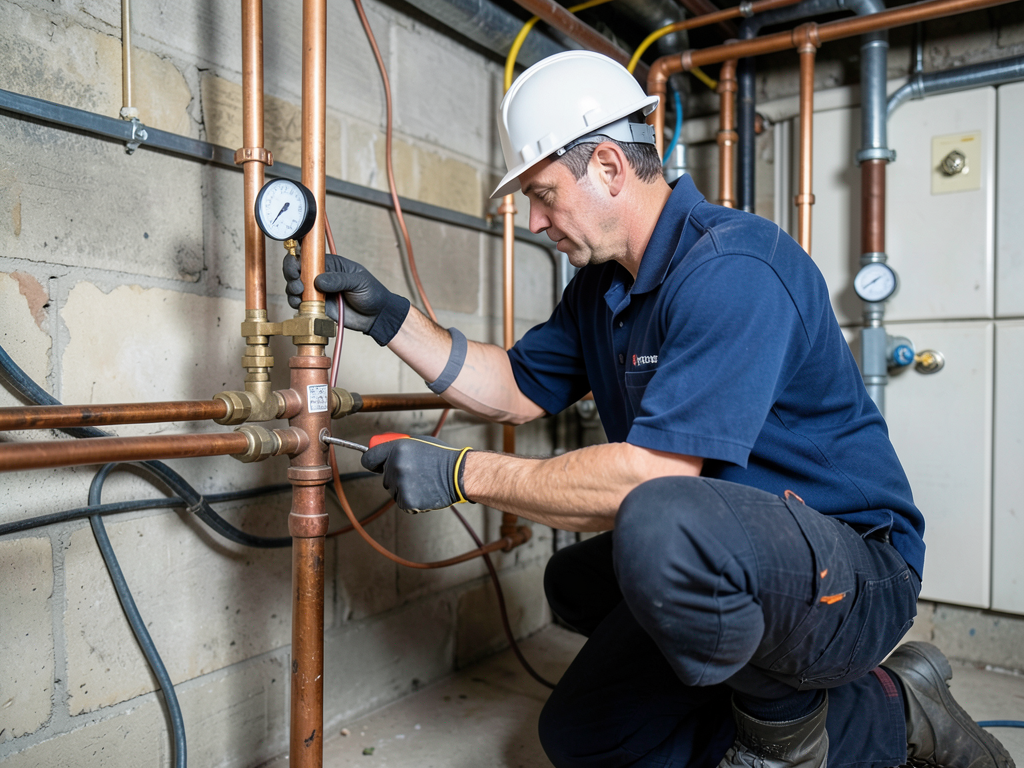
Your pressure reducing valve sits on the main water line where it enters your home. It automatically reduces the high pressure from Chicago’s water mains down to a safe level for your household plumbing. Most homes in Calumet Heights need pressure between 40 and 60 PSI to function properly. Without this valve, the 80-100 PSI that comes from city lines would destroy your pipes, fixtures, and appliances. City of Chicago Water Pressure Requirements.
5 Warning Signs Your PRV is Failing
Watch for these specific symptoms that indicate your water pressure regulator needs attention:
1. Water Pressure That’s Too High
If you notice faucets spraying water with unusual force or toilets filling faster than normal, your pressure might be climbing above 75 PSI. You can test this with a simple pressure gauge from any hardware store. Attach it to an outdoor spigot when no water is running in your house.
2. Banging Pipes and Water Hammer
When you turn off a faucet and hear loud banging throughout your walls, that’s called water hammer. It happens when high pressure causes water to slam to a stop. This isn’t just annoying—it damages pipe joints and can cause leaks over time.
3. Inconsistent Water Flow
Your shower pressure might be fine one minute, then suddenly drop or surge the next. This inconsistency suggests your regulator can’t maintain steady pressure anymore.. Read more about Why Your Chinatown Shower is Suddenly Fluctuating Between Hot and Cold.
4. Leaks Around the Main Shut-off Valve
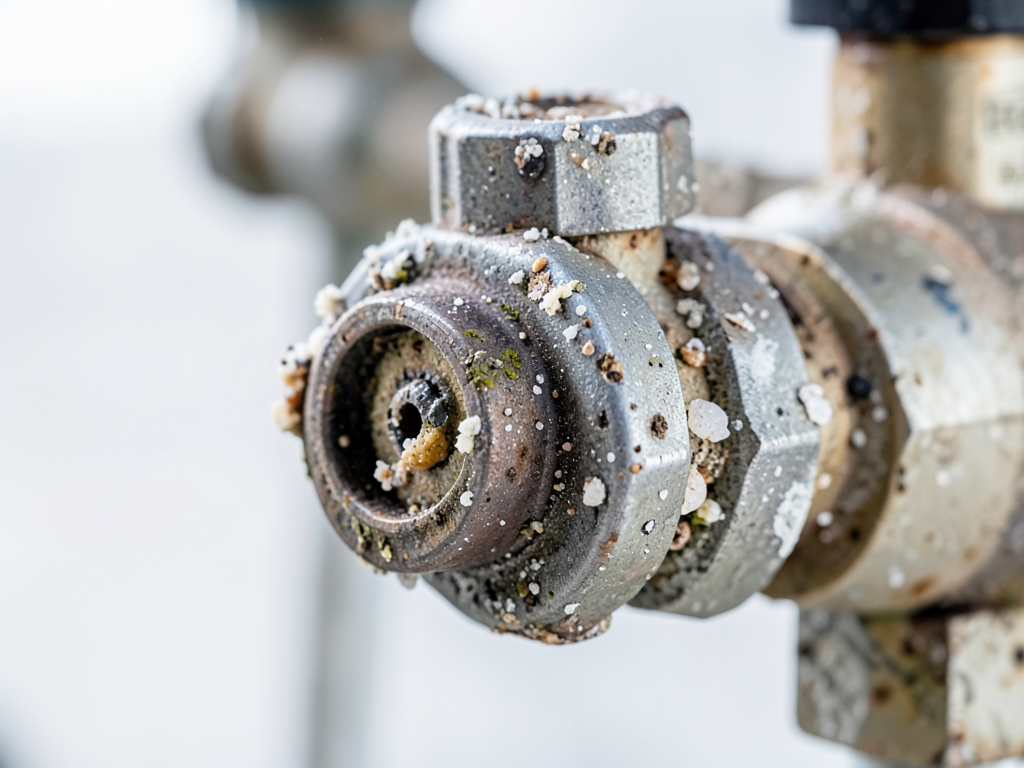
Check where your main water line enters your home. If you see moisture or corrosion around the pressure regulator or main shut-off valve, the failing regulator might be causing excessive pressure that leads to leaks.
5. Vibrating Sounds When Water Runs
High pressure can make your pipes vibrate or hum when you use water. This vibration can loosen fittings and create hidden leaks inside your walls.
Why Calumet Heights Homes Face Unique Pressure Challenges
Calumet Heights sits at a lower elevation compared to many Chicago neighborhoods. This means water pressure from the mains can be significantly higher here than in areas like Beverly or Hyde Park. The neighborhood’s mix of historic bungalows and newer construction also means varying pipe materials and ages, which respond differently to pressure changes.
Chicago’s combined sewer system and high clay content soil in this area can also affect how water pressure fluctuates in your home. During heavy rains, the city’s water mains experience pressure surges that your regulator must handle. Wicker Park Sewer Line Repair Specialists for Older Chicago Homes.
The Real Cost of Ignoring a Failing Regulator
High water pressure doesn’t just waste water—it destroys your plumbing system. Here’s what happens when you ignore the warning signs:
| Component | Damage from High Pressure | Typical Replacement Cost |
|---|---|---|
| Water Heater | Premature tank failure, leaking relief valve | $1,200 – $2,500 |
| Dishwasher | Broken inlet valves, seal failure | $600 – $1,200 |
| Washing Machine | Hose bursts, pump damage | $400 – $800 |
| Toilets | Running constantly, cracked tanks | $150 – $400 each |
| Pipes | Burst pipes, especially in winter | $500 – $5,000+ |
During Chicago winters, the combination of high pressure and freezing temperatures makes pipe bursts much more likely. A single burst pipe can cause thousands in water damage.
How to Test Your Water Pressure Yourself
You don’t need to be a plumber to check your home’s water pressure. Here’s how to do it:
- Buy a Pressure Gauge
Purchase a water pressure gauge with a female hose thread from any hardware store. They cost about $10-15.
- Find an Outdoor Spigot
Choose a hose bib that’s closest to where your main water line enters the house.
- Turn Off All Water
Make sure no water is running anywhere in your home—no toilets filling, no washing machines, no showers.
- Attach the Gauge
Screw the pressure gauge onto the spigot and turn the water on full force.
- Read the Pressure
A healthy reading is between 40-60 PSI. Anything over 75 PSI indicates a problem with your regulator.
When to Call a Professional Plumber
Some pressure regulator issues you can handle yourself, but others require professional help. Call a licensed Chicago plumber if you notice:
- Pressure readings consistently above 75 PSI
- Visible leaks around your main water line
- Water hammer that doesn’t stop after installing hammer arrestors
- Multiple fixtures showing pressure problems
- Your home is over 20 years old and has never had the regulator replaced
What to Expect During Professional Replacement
A licensed plumber will typically follow these steps when replacing your water pressure regulator:
| Step | What Happens | Time Required |
|---|---|---|
| 1. Shut Off Water | Main water supply to your home is turned off | 5-10 minutes |
| 2. Drain System | Open lowest faucets to drain pipes | 10-15 minutes |
| 3. Remove Old Regulator | Cut out the failing pressure valve | 20-30 minutes |
| 4. Install New Regulator | Install and connect new pressure reducing valve | 30-45 minutes |
| 5. Test and Adjust | Set pressure to 50-60 PSI and check for leaks | 15-20 minutes |
| 6. Restore Water | Turn water back on and check entire system | 10-15 minutes |
Chicago-Specific Regulations and Requirements
Chicago has specific requirements for pressure reducing valves that many homeowners don’t know about. The City of Chicago Department of Water Management requires: EPA Drinking Water Information.
All homes with water pressure exceeding 80 PSI must have a functioning pressure reducing valve installed. This isn’t just a recommendation—it’s part of the city’s plumbing code. Additionally, if you’re doing any major plumbing work that involves your main water line, you’ll need a permit from the Department of Buildings.
Chicago’s older neighborhoods like Calumet Heights often have lead service lines that require special handling when working on main water lines. A licensed plumber will know how to navigate these requirements and ensure your replacement meets all local codes.
Preventing Future Pressure Problems
Once you’ve addressed your failing pressure regulator, take these steps to prevent future issues:
- Install a Pressure Gauge
Keep a pressure gauge on an outdoor spigot so you can monitor pressure changes.
- Check Pressure Seasonally
Test your water pressure in spring and fall when municipal systems often adjust their pressure.
- Replace Every 10-15 Years
Even if your regulator seems fine, plan to replace it preventatively every decade or so.
- Consider a Thermal Expansion Tank
If you have a closed plumbing system, a thermal expansion tank prevents pressure buildup when water heats.. Read more about Understanding Thermal Expansion Tanks and Why Your Austin Home Needs One.
FAQ: Common Questions About Water Pressure Regulators
How long should a water pressure regulator last?
Most pressure reducing valves last 10-15 years in Chicago’s climate. Harsh winters and municipal pressure fluctuations can shorten this lifespan. If your home is over a decade old and still has the original regulator, it’s probably due for replacement.
Can I adjust my water pressure regulator myself?
You can try adjusting the pressure screw on your regulator, but be careful. Over-tightening can damage the valve completely. If you’re not comfortable working with your main water line, call a professional. Incorrect adjustments can lead to pipe bursts or appliance damage.
What PSI should my water pressure be?
Ideal water pressure for most Chicago homes is between 40-60 PSI. This provides strong flow for showers and appliances while protecting your plumbing. Never let pressure exceed 80 PSI, as this violates Chicago plumbing codes and risks damage.
Does high water pressure increase my water bill?
Yes. High pressure means more water flows through your fixtures every minute. A faucet that should use 2 gallons per minute might use 3-4 gallons at high pressure, increasing your bill and wasting water.
Should I replace my pressure regulator if I’m remodeling?
If your remodel involves plumbing changes or your regulator is over 10 years old, replacing it during the remodel makes sense. It’s easier to access the main line during construction, and you’ll protect your new fixtures from high pressure damage.
Protect Your Calumet Heights Home Today
Don’t wait until high water pressure causes expensive damage to your Calumet Heights home. If you’re experiencing any of the warning signs we’ve discussed, it’s time to take action. A failing water pressure regulator is a simple fix that prevents major plumbing disasters.
Call A Plus Plumbing Chicago today at (773) 514-5111 for a professional pressure test and regulator inspection. Our licensed Chicago plumbers understand the unique challenges that Calumet Heights homes face and can ensure your plumbing system is protected with the right pressure settings. Top Rated Plumbers for High Rise Condos in the Gold Coast.
We serve Calumet Heights and all surrounding Chicago neighborhoods with fast, reliable service. Don’t let high water pressure damage your home—call us now for peace of mind and professional service you can trust.
{
“@context”: “https://schema.org”,
“@type”: “BlogPosting”,
“headline”: “How to Identify a Failing Water Pressure Regulator in Your Calumet Heights Home”,
“description”: “Learn the warning signs of a failing water pressure regulator in Calumet Heights. Discover how to spot high pressure symptoms and protect your Chicago home’s plumbing.”,
“wordCount”: 1494,
“datePublished”: “2026-06-05T14:41:00.000Z”,
“dateModified”: “2026-06-05T14:41:00.000Z”,
“inLanguage”: “en-US”,
“mainEntityOfPage”: {
“@type”: “WebPage”,
“@id”: “https://aplusplumbingchicago.com”
},
“publisher”: {
“@type”: “LocalBusiness”,
“name”: “A Plus Plumbing Chicago”,
“url”: “https://aplusplumbingchicago.com”
},
“author”: {
“@type”: “Organization”,
“name”: “A Plus Plumbing Chicago”,
“url”: “https://aplusplumbingchicago.com”
},
“image”: {
“@type”: “ImageObject”,
“url”: “https://aplusplumbingchicago.com/wp-content/uploads/2026/03/how-to-identify-a-failing-water-pressure-regulator-1.png”
}
}
{
“@context”: “https://schema.org”,
“@type”: “Plumber”,
“name”: “A Plus Plumbing Chicago”,
“url”: “https://aplusplumbingchicago.com”,
“address”: {
“@type”: “PostalAddress”,
“addressLocality”: “Chicago”
},
“areaServed”: {
“@type”: “City”,
“name”: “Chicago”
}
}
{
“@context”: “https://schema.org”,
“@type”: “FAQPage”,
“mainEntity”: [
{
“@type”: “Question”,
“name”: “What Does Your Water Pressure Regulator Actually Do?”,
“acceptedAnswer”: {
“@type”: “Answer”,
“text”: “Your pressure reducing valve sits on the main water line where it enters your home. It automatically reduces the high pressure from Chicago’s water mains down to a safe level for your household plumbing. Most homes in Calumet Heights need pressure between 40 and 60 PSI to function properly. Without this valve, the 80-100 PSI that comes from city lines would destroy your pipes, fixtures, and appliances. City of Chicago Water Pressure Requirements.”
}
},
{
“@type”: “Question”,
“name”: “How long should a water pressure regulator last?”,
“acceptedAnswer”: {
“@type”: “Answer”,
“text”: “Most pressure reducing valves last 10-15 years in Chicago’s climate. Harsh winters and municipal pressure fluctuations can shorten this lifespan. If your home is over a decade old and still has the original regulator, it’s probably due for replacement.”
}
},
{
“@type”: “Question”,
“name”: “Can I adjust my water pressure regulator myself?”,
“acceptedAnswer”: {
“@type”: “Answer”,
“text”: “You can try adjusting the pressure screw on your regulator, but be careful. Over-tightening can damage the valve completely. If you’re not comfortable working with your main water line, call a professional. Incorrect adjustments can lead to pipe bursts or appliance damage.”
}
},
{
“@type”: “Question”,
“name”: “What PSI should my water pressure be?”,
“acceptedAnswer”: {
“@type”: “Answer”,
“text”: “Ideal water pressure for most Chicago homes is between 40-60 PSI. This provides strong flow for showers and appliances while protecting your plumbing. Never let pressure exceed 80 PSI, as this violates Chicago plumbing codes and risks damage.”
}
},
{
“@type”: “Question”,
“name”: “Does high water pressure increase my water bill?”,
“acceptedAnswer”: {
“@type”: “Answer”,
“text”: “Yes. High pressure means more water flows through your fixtures every minute. A faucet that should use 2 gallons per minute might use 3-4 gallons at high pressure, increasing your bill and wasting water.”
}
},
{
“@type”: “Question”,
“name”: “Should I replace my pressure regulator if I’m remodeling?”,
“acceptedAnswer”: {
“@type”: “Answer”,
“text”: “If your remodel involves plumbing changes or your regulator is over 10 years old, replacing it during the remodel makes sense. It’s easier to access the main line during construction, and you’ll protect your new fixtures from high pressure damage.”
}
}
]
}
{
“@context”: “https://schema.org”,
“@type”: “HowTo”,
“name”: “How to Test Your Home’s Water Pressure”,
“step”: [
{
“@type”: “HowToStep”,
“position”: 1,
“name”: “Buy a Pressure Gauge”,
“text”: “Purchase a water pressure gauge with a female hose thread from any hardware store. They cost about $10-15.”
},
{
“@type”: “HowToStep”,
“position”: 2,
“name”: “Find an Outdoor Spigot”,
“text”: “Choose a hose bib that’s closest to where your main water line enters the house.”
},
{
“@type”: “HowToStep”,
“position”: 3,
“name”: “Turn Off All Water”,
“text”: “Make sure no water is running anywhere in your home—no toilets filling, no washing machines, no showers.”
},
{
“@type”: “HowToStep”,
“position”: 4,
“name”: “Attach the Gauge”,
“text”: “Screw the pressure gauge onto the spigot and turn the water on full force.”
},
{
“@type”: “HowToStep”,
“position”: 5,
“name”: “Read the Pressure”,
“text”: “A healthy reading is between 40-60 PSI. Anything over 75 PSI indicates a problem with your regulator.”
}
],
“image”: “https://aplusplumbingchicago.com/wp-content/uploads/2026/03/how-to-identify-a-failing-water-pressure-regulator-1.png”
}
{
“@context”: “https://schema.org”,
“@type”: “BreadcrumbList”,
“itemListElement”: [
{
“@type”: “ListItem”,
“position”: 1,
“name”: “Home”,
“item”: “https://aplusplumbingchicago.com”
},
{
“@type”: “ListItem”,
“position”: 2,
“name”: “Blog”,
“item”: “https://aplusplumbingchicago.com/blog”
},
{
“@type”: “ListItem”,
“position”: 3,
“name”: “How to Identify a Failing Water Pressure Regulator in Your Calumet Heights Home”
}
]
}
{
“@context”: “https://schema.org”,
“@type”: “Service”,
“serviceType”: “Plumbing”,
“provider”: {
“@type”: “LocalBusiness”,
“name”: “A Plus Plumbing Chicago”,
“url”: “https://aplusplumbingchicago.com”
},
“areaServed”: {
“@type”: “City”,
“name”: “Chicago”
},
“description”: “Learn the warning signs of a failing water pressure regulator in Calumet Heights. Discover how to spot high pressure symptoms and protect your Chicago home’s plumbing.”
}