
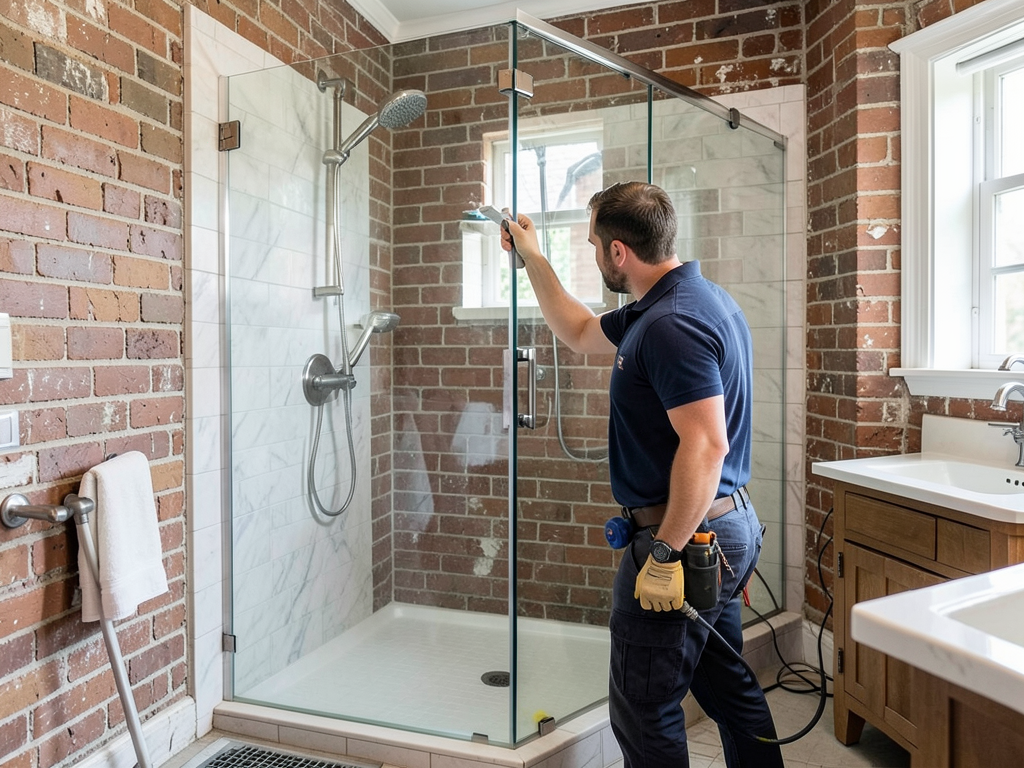
Converting Your Tub to a Walk-In Shower in a Small Lincoln Park Bathroom
Living in a classic Lincoln Park condo or vintage Chicago bungalow often means dealing with a compact bathroom that feels cramped and outdated. The traditional tub that came with your home might be more of a space hog than a relaxation spot. If you’re tired of stepping over a high tub wall or simply want to modernize your space converting your tub to a walk-in shower could be the perfect solution. This guide walks you through everything you need to know about making that change right here in Lincoln Park.. Read more about Everything You Should Consider Before Installing a Smart Toilet in Your Lincoln Park Home.
Why Lincoln Park Homeowners Choose Walk-In Showers
Lincoln Park’s historic homes built in the early 1900s often feature small bathrooms with bulky cast iron tubs. These tubs take up valuable floor space and can be difficult to access especially for older residents or those with mobility issues. A walk-in shower offers several advantages for Chicago homeowners.. Read more about Choosing Between a Floor Mount and Wall Mount Toilet for Your South Loop Renovation.
First the space savings are immediate. Removing a standard 5-foot tub can free up to 15 square feet of floor area making your bathroom feel significantly larger. This matters in Lincoln Park where many homes range from 800 to 1200 square feet total.. Read more about How to Get Rid of Pink Slime in Your McKinley Park Bathroom (And What It Means for Your Water).
Second walk-in showers provide better accessibility. The low or zero-threshold entry eliminates the need to step over a 15-inch tub wall. This feature becomes crucial as homeowners age or if family members have limited mobility. Many Lincoln Park residents choose this conversion specifically for aging-in-place modifications.. Read more about Why Your Chinatown Shower is Suddenly Fluctuating Between Hot and Cold.
Third the modern aesthetic appeals to today’s buyers. Walk-in showers with frameless glass doors and contemporary tile work can increase your home’s appeal and potentially its market value. In a competitive Lincoln Park real estate market these updates can make your property stand out.
Understanding the Conversion Process
Converting a tub to a walk-in shower involves several key steps that require professional plumbing expertise. Here’s what the process typically looks like for a Lincoln Park bathroom.. Read more about The Hidden Plumbing Challenges of Adding a Master Suite to Your Portage Park Attic.
First the demolition phase removes the existing tub surround and any wall materials around it. In older Lincoln Park homes this often reveals water damage or outdated plumbing that needs addressing. The plumbing team will shut off water supply and carefully remove the tub without damaging surrounding walls.. Read more about Modernizing the Plumbing for a Vintage Clawfoot Tub in Your Ravenswood Manor Home.
Next the plumbing modifications begin. The shower valve location might need adjustment and the drain must be moved or resized for proper shower drainage. Chicago’s strict plumbing code requires licensed professionals to handle these changes. The team will also check water pressure and may recommend upgrading supply lines if your home has older galvanized pipes common in Lincoln Park’s pre-war buildings.. Read more about The Best Way to Handle a Slow Draining Bathtub in Your Hermosa Home.
Then the waterproofing phase begins. This step proves critical in Chicago’s climate where freeze-thaw cycles and humidity can cause moisture problems. The installation team applies a waterproof membrane to the shower walls and floor creating a barrier that prevents water damage to your home’s structure.
Finally the finishing work includes installing the shower base or tile floor shower pan, wall surrounds, glass doors, and fixtures. The entire process typically takes 2 to 4 days depending on the complexity and any unexpected issues discovered during demolition.. Read more about The Real Cost of Installing a Bidet Seat in Your South Loop Condo.
Chicago Building Codes and Permit Requirements
Chicago has specific requirements for bathroom remodeling that differ from many other cities. Understanding these rules helps you avoid costly mistakes and ensures your project passes inspection.
The Chicago Department of Buildings requires permits for most bathroom renovations including tub to shower conversions. This applies whether you’re changing the plumbing configuration or simply replacing fixtures. The permit process involves submitting detailed plans showing the new shower layout, plumbing changes, and any structural modifications. EPA WaterSense Showerheads.
Chicago’s plumbing code mandates specific requirements for shower installations. The code requires a pressure-balancing valve to prevent scalding which proves especially important in older homes with inconsistent water pressure. The city also mandates specific drain sizes minimum slope requirements and proper ventilation to prevent moisture buildup. City of Chicago Plumbing Permits.
For Lincoln Park’s historic buildings additional considerations apply. If your home is in a landmark district or has historic designation you may need approval from the Commission on Chicago Landmarks before making exterior changes. While most shower conversions are interior work it’s worth checking if your building has any restrictions.
Working with a licensed Chicago plumber who understands these local requirements saves time and prevents headaches. They handle permit applications coordinate inspections and ensure all work meets current code standards.
Design Options for Small Lincoln Park Bathrooms
Space constraints in Lincoln Park bathrooms require thoughtful design choices. Here are popular options that maximize both function and style.
Corner showers work well in tight spaces using two walls to create a triangular or neo-angle design. This configuration can fit in as little as 36 inches by 36 inches while still providing comfortable showering space. The corner placement leaves more open floor area for movement.
Niche showers with recessed shelving eliminate the need for shower caddies that take up floor space. These built-in storage areas keep toiletries organized and within reach while maintaining clean lines. The niches can be tiled to match or contrast with your shower walls.
Glass door options range from frameless clear glass for an open feel to frosted or patterned glass for privacy. In very small bathrooms a single fixed glass panel with an open side can work better than a swinging door that requires clearance space.
Tile choices impact both appearance and maintenance. Large format tiles with minimal grout lines create a spacious look and are easier to clean. Porcelain tiles rated for wet areas provide durability while offering hundreds of style options from classic white subway to contemporary large format designs. Top Rated Plumbers for High Rise Condos in the Gold Coast.
Fixture finishes should complement your home’s style. Chrome offers a clean modern look and resists corrosion well in Chicago’s varying water conditions. Brushed nickel or matte black provide contemporary alternatives that hide water spots better than polished finishes.
Cost Factors for Tub to Shower Conversions in Chicago
Several variables affect the final cost of your conversion project. Understanding these factors helps you budget appropriately.
The size of your new shower directly impacts material costs. A standard 36-inch by 36-inch shower requires less tile and fewer materials than a 48-inch by 36-inch design. However going too small can make the space feel cramped especially in already compact Lincoln Park bathrooms.
Plumbing complexity significantly affects labor costs. Moving the drain location adds time and materials since the floor must be modified to accommodate the new drain position. Similarly upgrading old supply lines or adding new water lines increases the project scope.
Material choices create wide price ranges. Basic acrylic shower bases and wall surrounds cost less than custom tile work but offer fewer design options. High-end materials like natural stone or imported tiles can double or triple the material budget but provide unique aesthetics.
Accessibility features add functionality but also cost. Grab bars require proper blocking in the wall structure. Built-in seating needs additional framing and waterproofing. These features prove worthwhile for aging-in-place modifications but increase the overall investment.
Permit and inspection fees in Chicago typically range from $200 to $500 depending on project scope. While this adds to upfront costs it ensures your work meets safety standards and prevents issues when selling your home later.
Comparing Conversion Options: Quick vs. Custom
| Conversion Type | Timeline | Cost Range | Best For |
|---|---|---|---|
| One-Day Acrylic Liner | 1 day | $3,000 – $5,000 | Quick updates, rental properties |
| Standard Tile Shower | 3-5 days | $5,000 – $8,000 | Most homeowners, good balance |
| Custom Luxury Shower | 1-2 weeks | $8,000 – $15,000+ | High-end homes, aging-in-place |
Seasonal Considerations for Chicago Remodeling
Chicago’s climate affects when and how you schedule your bathroom remodel. Winter projects require extra planning while summer offers more flexibility.
Winter conversions in Lincoln Park homes built before 1920 often reveal frozen pipes or inadequate insulation. Cold snaps can cause supply lines to freeze if water service is interrupted during demolition. Professional plumbers use temporary heat and insulation to prevent these issues. Fixing Frozen and Burst Pipes in Bucktown During a Chicago Winter.
Summer humidity in Chicago can slow tile adhesive curing times. The extra moisture in the air means adhesives and grout need longer drying periods between steps. This extends project timelines but ensures proper installation that won’t fail later.
Spring and fall offer ideal conditions for bathroom remodeling. Moderate temperatures reduce the risk of frozen pipes and humidity levels support proper material curing. These seasons also tend to have more flexible scheduling with plumbing contractors.
Regardless of season proper ventilation proves crucial. Chicago’s varying humidity levels mean your new shower needs adequate exhaust fan capacity. Building code requires at least 50 cubic feet per minute for bathrooms under 100 square feet which helps prevent mold growth in our climate.
Choosing the Right Contractor in Lincoln Park
Selecting a qualified professional makes the difference between a smooth project and a costly headache. Here’s what to look for when hiring a tub to shower conversion specialist.
Verify proper licensing through the City of Chicago. Plumbers must hold a valid license and any contractor working on your project needs appropriate credentials. Ask to see current license numbers and verify them through the city’s licensing database. 24 Hour Emergency Plumbers in Lincoln Park for Immediate Help.
Experience with Chicago homes specifically matters. A contractor familiar with Lincoln Park’s vintage construction understands common issues like lead pipes outdated electrical systems and structural quirks in older buildings. They know how to handle surprises without derailing your project.
Check references from local projects. Ask to see before and after photos of similar conversions in Lincoln Park or nearby neighborhoods like Lakeview or Wicker Park. Local references prove the contractor understands area-specific challenges. Wicker Park Sewer Line Repair Specialists for Older Chicago Homes.
Clear communication about timelines and budgets prevents misunderstandings. A reputable contractor provides detailed written estimates outlining what’s included and what constitutes an extra charge. They should explain the permit process and who handles inspections.
Warranty coverage protects your investment. Ask about warranties on both materials and workmanship. Many quality contractors offer at least a one-year warranty on installation with longer coverage on fixtures and materials.
Maintaining Your New Walk-In Shower
Proper maintenance keeps your new shower looking great and functioning well for years. Chicago’s hard water and varying humidity levels create specific maintenance needs.
Regular cleaning prevents soap scum buildup and hard water stains. Use non-abrasive cleaners on tile and glass to avoid scratching surfaces. Squeegeeing shower walls after each use reduces water spots and mineral deposits especially important in Chicago’s mineral-rich water.
Check caulk and grout lines annually. Chicago’s temperature swings can cause expansion and contraction that loosens seals over time. Re-caulking worn areas prevents water infiltration that could damage walls or floors beneath your shower.
Monitor for leaks around fixtures and drain areas. Small drips can waste significant water and cause damage over time. Addressing issues promptly prevents costly repairs and keeps your water bills in check.
Ventilation remains crucial year-round. Run your exhaust fan during showers and for 20-30 minutes afterward to remove moisture. This practice prevents mold growth and protects your investment especially important in Chicago’s humid summers.
Accessibility and Aging-in-Place Modifications
Many Lincoln Park homeowners consider tub to shower conversions specifically for accessibility reasons. Chicago’s senior population continues growing and homes need to accommodate changing mobility needs.
Zero-threshold showers eliminate the need to step over any barrier. This design works well for wheelchair users and those with balance issues. The floor must be carefully sloped to ensure proper drainage while maintaining a smooth transition.
Strategically placed grab bars provide support without looking institutional. Modern grab bars come in various finishes and styles that complement your bathroom design while meeting ADA strength requirements of 250 pounds.
Built-in seating offers a place to sit while showering or for caregivers to assist. Fold-down teak or plastic seats save space when not in use while providing stability when needed. The seating area must be properly waterproofed and reinforced to support weight.
Handheld showerheads with sliding bars accommodate users of different heights and abilities. This flexibility proves useful for everyone from children to seniors and makes showering easier for those who need to sit while bathing.
Anti-scald valves prevent dangerous temperature fluctuations. Chicago code already requires these for new installations but they prove especially important for seniors who may have reduced sensitivity to hot water temperatures.
Frequently Asked Questions
How long does a tub to shower conversion take in Chicago?
Most conversions take 2 to 4 days for standard installations. Custom tile work or complex plumbing changes can extend this to 1-2 weeks. Winter weather rarely delays indoor bathroom projects.
Do I need permits for a tub to shower conversion in Lincoln Park?
Yes Chicago requires permits for most bathroom renovations including tub to shower conversions. The permit process ensures your work meets safety codes and passes inspection. Your contractor should handle permit applications.
Can I keep my existing plumbing fixtures?
Often yes but compatibility varies. Older fixtures may not work with new valve systems. A professional plumber can assess your existing fixtures and recommend whether replacement makes sense for your conversion.
What’s the return on investment for a bathroom remodel in Chicago?
Bathroom remodels typically return 60-70% of investment when selling a home. Walk-in showers appeal to many buyers especially in older neighborhoods where modern bathrooms add significant value.
How do I choose between acrylic and tile for my new shower?
Acrylic offers lower cost and easier maintenance but fewer design options. Tile provides unlimited customization but requires more upkeep. Your budget home style and maintenance preferences should guide this decision.
Will a walk-in shower decrease my home’s value?
Not typically. Most buyers prefer at least one bathtub in a home but a well-designed walk-in shower in the main bathroom often increases appeal. Keep one tub elsewhere if possible for maximum flexibility.
How do I handle hard water stains in my new shower?
Chicago’s hard water requires regular cleaning to prevent mineral buildup. Use vinegar solutions or commercial hard water removers monthly. Consider a water softener if stains become problematic.
Next Steps for Your Lincoln Park Bathroom Conversion
Converting your tub to a walk-in shower represents a significant improvement for your Lincoln Park home. The combination of increased space better accessibility and modern aesthetics makes this renovation worthwhile for many homeowners.
Start by assessing your specific needs. Are you remodeling for yourself or considering future resale? Do you need accessibility features now or want to plan for aging in place? Understanding your priorities helps guide design decisions.
Research local contractors who specialize in Chicago bathroom renovations. Look for professionals with experience in vintage Lincoln Park homes who understand the unique challenges these properties present. Check reviews specifically mentioning bathroom work and ask for local references.
Set a realistic budget that accounts for both expected costs and potential surprises common in older homes. Include permit fees in your planning and discuss payment schedules with your contractor before work begins.
Ready to transform your cramped tub area into a beautiful walk-in shower? Contact a licensed Chicago plumber today to discuss your project. Professional guidance ensures your conversion meets code requirements while achieving the look and function you want. Call (773) 514-5111 to schedule a consultation and take the first step toward your new bathroom.
{
“@context”: “https://schema.org”,
“@type”: “BlogPosting”,
“headline”: “Converting Your Tub to a Walk-In Shower in a Small Lincoln Park Bathroom”,
“description”: “Learn how to convert your tub to a walk-in shower in your small Lincoln Park bathroom with expert plumbing advice, local code requirements, and design ideas.”,
“wordCount”: 2551,
“datePublished”: “2026-05-28T15:59:00.000Z”,
“dateModified”: “2026-05-28T15:59:00.000Z”,
“inLanguage”: “en-US”,
“mainEntityOfPage”: {
“@type”: “WebPage”,
“@id”: “https://aplusplumbingchicago.com”
},
“publisher”: {
“@type”: “LocalBusiness”,
“name”: “A Plus Plumbing Chicago”,
“url”: “https://aplusplumbingchicago.com”
},
“author”: {
“@type”: “Organization”,
“name”: “A Plus Plumbing Chicago”,
“url”: “https://aplusplumbingchicago.com”
},
“image”: {
“@type”: “ImageObject”,
“url”: “https://aplusplumbingchicago.com/wp-content/uploads/2026/03/converting-your-tub-to-a-walk-in-shower-in-a-small-1.png”
}
}
{
“@context”: “https://schema.org”,
“@type”: “Plumber”,
“name”: “A Plus Plumbing Chicago”,
“url”: “https://aplusplumbingchicago.com”,
“address”: {
“@type”: “PostalAddress”,
“addressLocality”: “Chicago”
},
“areaServed”: {
“@type”: “City”,
“name”: “Chicago”
}
}
{
“@context”: “https://schema.org”,
“@type”: “FAQPage”,
“mainEntity”: [
{
“@type”: “Question”,
“name”: “How long does a tub to shower conversion take in Chicago?”,
“acceptedAnswer”: {
“@type”: “Answer”,
“text”: “Most conversions take 2 to 4 days for standard installations. Custom tile work or complex plumbing changes can extend this to 1-2 weeks. Winter weather rarely delays indoor bathroom projects.”
}
},
{
“@type”: “Question”,
“name”: “Do I need permits for a tub to shower conversion in Lincoln Park?”,
“acceptedAnswer”: {
“@type”: “Answer”,
“text”: “Yes Chicago requires permits for most bathroom renovations including tub to shower conversions. The permit process ensures your work meets safety codes and passes inspection. Your contractor should handle permit applications.”
}
},
{
“@type”: “Question”,
“name”: “Can I keep my existing plumbing fixtures?”,
“acceptedAnswer”: {
“@type”: “Answer”,
“text”: “Often yes but compatibility varies. Older fixtures may not work with new valve systems. A professional plumber can assess your existing fixtures and recommend whether replacement makes sense for your conversion.”
}
},
{
“@type”: “Question”,
“name”: “What’s the return on investment for a bathroom remodel in Chicago?”,
“acceptedAnswer”: {
“@type”: “Answer”,
“text”: “Bathroom remodels typically return 60-70% of investment when selling a home. Walk-in showers appeal to many buyers especially in older neighborhoods where modern bathrooms add significant value.”
}
},
{
“@type”: “Question”,
“name”: “How do I choose between acrylic and tile for my new shower?”,
“acceptedAnswer”: {
“@type”: “Answer”,
“text”: “Acrylic offers lower cost and easier maintenance but fewer design options. Tile provides unlimited customization but requires more upkeep. Your budget home style and maintenance preferences should guide this decision.”
}
},
{
“@type”: “Question”,
“name”: “Will a walk-in shower decrease my home’s value?”,
“acceptedAnswer”: {
“@type”: “Answer”,
“text”: “Not typically. Most buyers prefer at least one bathtub in a home but a well-designed walk-in shower in the main bathroom often increases appeal. Keep one tub elsewhere if possible for maximum flexibility.”
}
},
{
“@type”: “Question”,
“name”: “How do I handle hard water stains in my new shower?”,
“acceptedAnswer”: {
“@type”: “Answer”,
“text”: “Chicago’s hard water requires regular cleaning to prevent mineral buildup. Use vinegar solutions or commercial hard water removers monthly. Consider a water softener if stains become problematic.”
}
}
]
}
{
“@context”: “https://schema.org”,
“@type”: “BreadcrumbList”,
“itemListElement”: [
{
“@type”: “ListItem”,
“position”: 1,
“name”: “Home”,
“item”: “https://aplusplumbingchicago.com”
},
{
“@type”: “ListItem”,
“position”: 2,
“name”: “Blog”,
“item”: “https://aplusplumbingchicago.com/blog”
},
{
“@type”: “ListItem”,
“position”: 3,
“name”: “Converting Your Tub to a Walk-In Shower in a Small Lincoln Park Bathroom”
}
]
}
{
“@context”: “https://schema.org”,
“@type”: “Service”,
“serviceType”: “Plumbing”,
“provider”: {
“@type”: “LocalBusiness”,
“name”: “A Plus Plumbing Chicago”,
“url”: “https://aplusplumbingchicago.com”
},
“areaServed”: {
“@type”: “City”,
“name”: “Chicago”
},
“description”: “Learn how to convert your tub to a walk-in shower in your small Lincoln Park bathroom with expert plumbing advice, local code requirements, and design ideas.”
}