
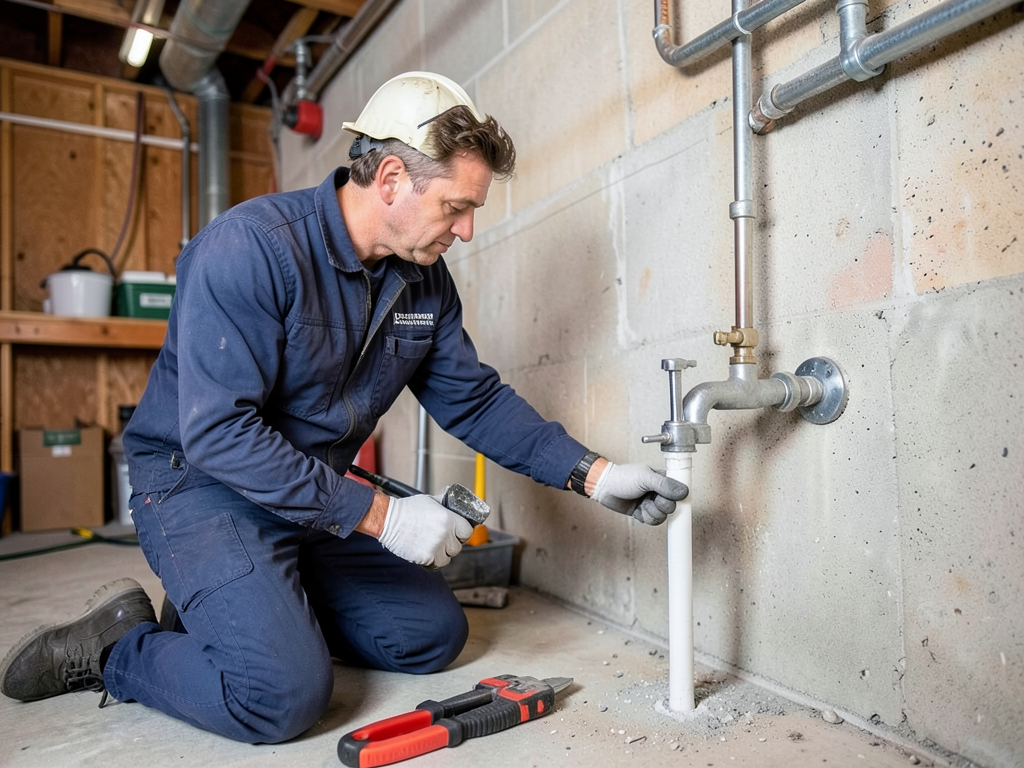
What to Do When Your Outdoor Spigot Leaks Inside Your Jefferson Park Basement
Water seeping through your basement wall near an outdoor faucet creates immediate panic. That damp spot on your drywall might seem small now but can quickly turn into a major flood if you do not act fast. In Jefferson Park many homes have older frost-proof sillcocks that fail internally causing water to spray directly into your basement wall cavity.
The first sign often appears as a musty smell or damp carpet near the exterior wall. You might hear a faint hissing sound behind the drywall or notice your water bill climbing without explanation. These symptoms point to a common Chicago problem where freezing temperatures cause the internal stem of your frost-proof faucet to split. Chicago plumbing permit requirements.
Jefferson Park experiences extreme freeze-thaw cycles that put tremendous stress on outdoor plumbing. When water freezes inside the faucet it expands and creates hairline fractures in the brass body. These cracks remain invisible until the first thaw when pressurized water finds its way through the damaged area.. Read more about The Unique Plumbing Challenges of Living in a West Town Garden Apartment.
Immediate Steps to Stop Water Damage
Time matters more than anything else right now. Every minute of water flowing into your wall cavity increases the risk of mold growth and structural damage.
Find your main water shut-off valve immediately. In most Jefferson Park bungalows this valve sits in the basement near the front of the house where the water main enters. Turn the valve clockwise until it stops. If you cannot locate it check near your water meter or outside by the street.
Once the water stops open all your faucets to drain remaining water from the pipes. This includes both hot and cold lines. Leave them open while you assess the damage.
Move furniture and valuables away from the affected area. Water travels along the path of least resistance so check adjacent rooms for signs of moisture. Use towels to soak up standing water and set up fans to begin drying the area.
Document everything with photos before you start cleanup. Your insurance company will want evidence of the damage and your immediate response efforts.
Signs Your Outdoor Spigot is Leaking Internally
Internal leaks create different symptoms than external drips. You will not see water pouring from the faucet itself but rather evidence inside your home.
Damp drywall near the exterior wall serves as the most obvious indicator. The moisture often appears as a discolored patch that feels cool to the touch. Press gently on the area and watch for water to seep through.
Musty odors develop within twenty four to forty eight hours of water exposure. These smells indicate mold growth beginning in the wall cavity. The odor becomes stronger as you get closer to the source.
High water bills without increased usage point to hidden leaks. Compare your current bill to the same period last year. A sudden spike often indicates a problem somewhere in your plumbing system.
Hissing or dripping sounds behind the wall suggest active water movement. Turn off all household water sources and listen carefully near the affected area. The sound may be faint but consistent.
Peeling paint or bubbling wallpaper indicates moisture trapped between the wall surface and the drywall. This happens when water vapor cannot escape through the exterior wall.
Chicago Freeze Factor: Why Outdoor Faucets Burst
Chicago winters create perfect conditions for pipe failure. When temperatures drop below freezing any water left in your outdoor faucet expands by approximately nine percent. This expansion generates thousands of pounds per square inch of pressure.
Frost-proof sillcocks work by placing the actual valve inside your home where temperatures stay above freezing. A long stem connects the handle outside to the valve inside. When installed correctly with proper slope back toward the house they drain completely when turned off.
Problems arise when homeowners leave hoses attached during fall cleanup. The hose traps water inside the faucet body preventing proper drainage. Water freezes and splits the brass body often right where the valve meets the exterior wall.
January and February bring the most freeze-thaw cycles. Daytime temperatures above thirty two degrees allow ice to melt slightly then refreeze at night. This expansion contraction cycle widens existing cracks until they fail completely.
Jefferson Park homes built before nineteen eighty often have original plumbing that lacks modern freeze protection. The clay soil common in this area also contributes to pipe stress by shifting during freeze-thaw cycles.
The Repair Process: What to Expect
Professional repair involves more than just replacing the faucet. The entire affected area needs assessment to prevent future problems. EPA lead in drinking water guidelines.
Technicians start by removing the damaged sillcock and inspecting the copper pipe inside the wall. They check for additional cracks that might not be visible from the outside. The vacuum breaker assembly often needs replacement even if the main body appears intact.
Accessing the pipe requires cutting drywall either from the interior or removing exterior siding. Interior access allows better visibility of the damage but creates more mess. Exterior access preserves your basement finish but may be impossible with brick or stone facades.
Copper pipe repair involves cutting out the damaged section and soldering in a new piece. Modern PEX piping offers flexibility that resists freeze damage. Many Jefferson Park homes benefit from upgrading to PEX during repairs since it handles Chicago temperature swings better than rigid copper.
Wall repair follows plumbing replacement. This includes replacing damaged insulation removing any mold affected drywall and sealing the exterior wall penetration. Proper flashing prevents future water intrusion even if the faucet itself fails again.
Testing confirms the repair works correctly. Technicians check for leaks under pressure verify proper drainage and ensure the new faucet meets Chicago plumbing code requirements.
Chicago Plumbing Codes and Compliance
Chicago plumbing code exceeds national standards in several key areas. All outdoor faucets must have anti siphon protection to prevent contaminated water from flowing back into your drinking supply.
Vacuum breakers represent the most common anti siphon device. These one way valves allow water to flow out but not back in. Chicago code requires vacuum breakers on all hose bibs installed after nineteen eighty.
Lead content restrictions apply to all new plumbing fixtures. Chicago banned lead service lines and requires fixtures to contain less than point two five percent lead by weight. This protects drinking water quality throughout the distribution system.
Proper insulation around exterior wall penetrations prevents condensation and energy loss. Chicago energy code mandates specific R values for exterior walls based on your home’s construction date and location.
Backflow prevention devices may be required depending on your property type. Multi unit buildings and properties with irrigation systems need additional protection beyond standard vacuum breakers.
DIY vs Professional Repair: When to Call a Chicago Plumber
Simple washer replacement works for minor drips but internal wall leaks require professional tools and expertise. Soldering copper pipes near insulation creates fire hazards most homeowners cannot safely manage.
Risk factors favor professional repair when you notice water inside walls. The damage extends beyond the visible area and may include electrical wiring or structural elements. Professionals have moisture meters and thermal cameras to find hidden problems.
Time sensitivity makes DIY impractical for active leaks. Water damage compounds hourly and mold begins growing within forty eight hours. Professional plumbers carry parts on their trucks and complete most repairs in a single visit. Top Rated Plumbers for High Rise Condos in the Gold Coast.
Building code compliance matters for insurance and resale. DIY repairs that violate code can void insurance coverage and create problems during home inspections. Licensed plumbers guarantee their work meets all local requirements. 24 Hour Emergency Plumbers in Lincoln Park for Immediate Help.
Cost factors favor professional repair for Jefferson Park homes. The average repair including wall restoration costs between three hundred and six hundred dollars. This investment prevents thousands in water damage and mold remediation.
Emergency service availability makes the difference between minor damage and major reconstruction. Professional plumbers offer twenty four seven emergency response while most hardware stores close at night.
Preventing Future Outdoor Faucet Problems
Winterization prevents most outdoor faucet failures. Remove hoses by mid October and store them indoors. Open the faucet to drain any remaining water then close it again.
Install frost-proof sillcocks with proper pitch. The faucet should tilt slightly downward toward the exterior to ensure complete drainage. This simple adjustment prevents ninety percent of freeze damage.
Consider heat tape for problem areas. Self regulating heat cables maintain temperatures above freezing without wasting electricity. They work well for north facing walls that receive minimal sun exposure. Why River North Business Owners Trust Us for Rapid Commercial Plumbing Repairs.
Annual inspections catch minor problems before they become major leaks. Check for corrosion loose handles or difficulty turning the faucet. Early replacement costs less than emergency repair after a burst.
Upgrade older homes with modern plumbing materials. PEX piping handles temperature extremes better than copper and resists the soil movement common in Jefferson Park. The initial investment pays for itself through prevented damage.
Install water alarms near problem areas. These inexpensive devices sound an alert when they detect moisture. Early warning gives you time to shut off water before extensive damage occurs.
Cost Comparison: Repair vs Replacement
| Repair Option | Typical Cost Range | Time Required | Best For |
|---|---|---|---|
| Washer Replacement | $75 – $150 | 30-60 minutes | External drips only |
| Faucet Replacement | $250 – $400 | 2-3 hours | Cosmetic damage |
| Copper Pipe Repair | $300 – $600 | 4-6 hours | Internal leaks |
| PEX Upgrade | $400 – $700 | 6-8 hours | Older homes |
| Full System Replacement | $800 – $1,500 | 1-2 days | Extensive damage |
Emergency Response Timeline
| Time Since Discovery | Damage Level | Recommended Action |
|---|---|---|
| 0-30 minutes | Minimal | Shut off water immediately |
| 30-120 minutes | Moderate | Call emergency plumber |
| 2-6 hours | Significant | Professional assessment needed |
| 6-24 hours | Major | Mold prevention required |
| 24+ hours | Severe | Full restoration likely |
Frequently Asked Questions
How do I know if my outdoor faucet is leaking inside the wall?
Look for damp drywall near exterior walls, musty odors, water stains, or unexplained increases in your water bill. You might also hear dripping sounds behind the wall or see mold growth on surfaces.
Can I fix a leaking outdoor spigot myself?
Simple external leaks might be DIY fixes, but internal wall leaks require professional tools and expertise. Soldering copper pipes and repairing water-damaged walls are best left to licensed plumbers.
How much does it cost to repair a leaking outdoor faucet in Chicago?
Repair costs typically range from $250 to $700 depending on the extent of damage. Simple replacements cost less while repairs involving pipe replacement and wall restoration cost more.
Should I turn off my outdoor faucet for winter?
Yes, disconnect hoses by mid-October and ensure frost-proof faucets drain properly. This simple step prevents most freeze-related damage in Chicago’s harsh winters.
How long does it take to repair a leaking outdoor spigot?
Most repairs take 2-6 hours depending on the damage extent. Emergency repairs are often completed within 24 hours of your call.
Take Action Now Before More Damage Occurs
Water damage spreads quickly and mold begins growing within hours. Every minute you wait increases repair costs and property damage. Do not let a small leak turn into a major renovation project.
A Plus Plumbing Chicago serves Jefferson Park and surrounding neighborhoods with twenty four seven emergency service. Our licensed technicians carry parts on their trucks and complete most repairs in a single visit. We understand Chicago’s unique plumbing challenges and provide permanent solutions that prevent future problems.
Call us now at (773) 514-5111 for immediate assistance. Our emergency response team will assess your situation and provide a clear plan to stop the leak and protect your home. Do not wait until water damage becomes visible from across the room.
Time matters more than anything else right now. Make the call that protects your home and your peace of mind. For more information, visit CDC mold growth information.
You may also find this helpful. Maintaining the Radiant Floor Heating in Your Dunning Home During a Cold Snap.
{
“@context”: “https://schema.org”,
“@type”: “BlogPosting”,
“headline”: “What to Do When Your Outdoor Spigot Leaks Inside Your Jefferson Park Basement”,
“description”: “Learn how to handle indoor leaks from outdoor spigots in Jefferson Park. Find emergency steps, repair costs, and prevention tips from Chicago plumbing experts.”,
“wordCount”: 1986,
“datePublished”: “2026-04-29T05:39:00.000Z”,
“dateModified”: “2026-04-29T05:39:00.000Z”,
“inLanguage”: “en-US”,
“mainEntityOfPage”: {
“@type”: “WebPage”,
“@id”: “https://aplusplumbingchicago.com”
},
“publisher”: {
“@type”: “LocalBusiness”,
“name”: “A Plus Plumbing Chicago”,
“url”: “https://aplusplumbingchicago.com”
},
“author”: {
“@type”: “Organization”,
“name”: “A Plus Plumbing Chicago”,
“url”: “https://aplusplumbingchicago.com”
},
“image”: {
“@type”: “ImageObject”,
“url”: “https://aplusplumbingchicago.com/wp-content/uploads/2026/03/what-to-do-when-your-outdoor-spigot-leaks-inside-y-1.png”
}
}
{
“@context”: “https://schema.org”,
“@type”: “Plumber”,
“name”: “A Plus Plumbing Chicago”,
“url”: “https://aplusplumbingchicago.com”,
“address”: {
“@type”: “PostalAddress”,
“addressLocality”: “Chicago”
},
“areaServed”: {
“@type”: “City”,
“name”: “Chicago”
}
}
{
“@context”: “https://schema.org”,
“@type”: “FAQPage”,
“mainEntity”: [
{
“@type”: “Question”,
“name”: “How do I know if my outdoor faucet is leaking inside the wall?”,
“acceptedAnswer”: {
“@type”: “Answer”,
“text”: “Look for damp drywall near exterior walls, musty odors, water stains, or unexplained increases in your water bill. You might also hear dripping sounds behind the wall or see mold growth on surfaces.”
}
},
{
“@type”: “Question”,
“name”: “Can I fix a leaking outdoor spigot myself?”,
“acceptedAnswer”: {
“@type”: “Answer”,
“text”: “Simple external leaks might be DIY fixes, but internal wall leaks require professional tools and expertise. Soldering copper pipes and repairing water-damaged walls are best left to licensed plumbers.”
}
},
{
“@type”: “Question”,
“name”: “How much does it cost to repair a leaking outdoor faucet in Chicago?”,
“acceptedAnswer”: {
“@type”: “Answer”,
“text”: “Repair costs typically range from $250 to $700 depending on the extent of damage. Simple replacements cost less while repairs involving pipe replacement and wall restoration cost more.”
}
},
{
“@type”: “Question”,
“name”: “Should I turn off my outdoor faucet for winter?”,
“acceptedAnswer”: {
“@type”: “Answer”,
“text”: “Yes, disconnect hoses by mid-October and ensure frost-proof faucets drain properly. This simple step prevents most freeze-related damage in Chicago’s harsh winters.”
}
},
{
“@type”: “Question”,
“name”: “How long does it take to repair a leaking outdoor spigot?”,
“acceptedAnswer”: {
“@type”: “Answer”,
“text”: “Most repairs take 2-6 hours depending on the damage extent. Emergency repairs are often completed within 24 hours of your call.”
}
}
]
}
{
“@context”: “https://schema.org”,
“@type”: “BreadcrumbList”,
“itemListElement”: [
{
“@type”: “ListItem”,
“position”: 1,
“name”: “Home”,
“item”: “https://aplusplumbingchicago.com”
},
{
“@type”: “ListItem”,
“position”: 2,
“name”: “Blog”,
“item”: “https://aplusplumbingchicago.com/blog”
},
{
“@type”: “ListItem”,
“position”: 3,
“name”: “What to Do When Your Outdoor Spigot Leaks Inside Your Jefferson Park Basement”
}
]
}
{
“@context”: “https://schema.org”,
“@type”: “Service”,
“serviceType”: “Plumbing”,
“provider”: {
“@type”: “LocalBusiness”,
“name”: “A Plus Plumbing Chicago”,
“url”: “https://aplusplumbingchicago.com”
},
“areaServed”: {
“@type”: “City”,
“name”: “Chicago”
},
“description”: “Learn how to handle indoor leaks from outdoor spigots in Jefferson Park. Find emergency steps, repair costs, and prevention tips from Chicago plumbing experts.”
}