
The Unique Plumbing Challenges of Living in a West Town Garden Apartment
Living in a garden apartment in West Town means enjoying tree-lined streets and classic Chicago architecture. But it also means facing plumbing challenges that residents of upper-floor units never encounter. The lower elevation of these basement-level homes makes them the first line of defense against water damage and the last stop in the building’s drainage system. Chicago Plumbing Permits.
Chicago’s vintage West Town buildings often feature classic two-flats and three-flats built in the early 1900s. These structures were designed before modern flood prevention standards existed. The result is a plumbing system where garden units sit directly above aging sewer lines and below roof drainage paths. When heavy rains hit or pipes age beyond their lifespan, garden apartment residents feel the impact first. Chicago Tenant Rights.
The unique position of these units creates a perfect storm of plumbing vulnerabilities. Gravity works against garden apartments during storms. Water always flows downhill and when your home sits at the lowest point, you become the collection basin for the entire building’s water issues. Understanding these challenges helps you prepare and protect your home.
Why Garden Apartments Face Greater Plumbing Risks
Garden apartments sit below grade level which means they exist in what plumbers call the “critical zone” of a building’s drainage system. This critical zone extends from the basement floor to several feet below ground where the main sewer line exits the building. When problems occur in this zone, garden units experience the consequences first. Wicker Park Sewer Line Repair Specialists for Older Chicago Homes.
The physics of water flow creates inherent risks for lower-level units. During heavy rainfall events, Chicago’s combined sewer system can become overwhelmed. Stormwater and sewage share the same pipes throughout much of the city. When these pipes reach capacity, the system backs up. Water seeks the lowest point and that point is often your garden apartment floor.
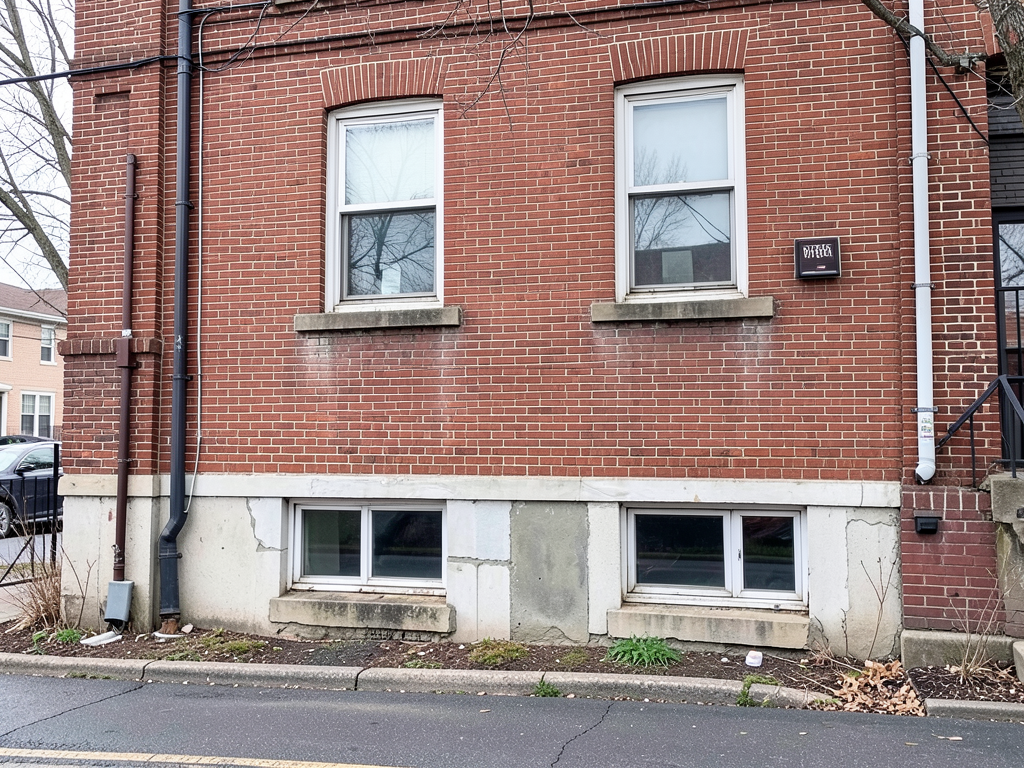
Foundation materials also play a role in garden apartment vulnerabilities. Many West Town buildings feature brick and limestone foundations that were built over a century ago. These materials deteriorate over time creating small cracks and gaps. Water pressure from saturated soil pushes through these weaknesses. What starts as a hairline crack can become a steady leak during prolonged wet periods. Top Rated Plumbers for High Rise Condos in the Gold Coast.
Common Plumbing Problems in West Town Garden Units
Sewer backups represent the most severe plumbing emergency garden apartment residents face. When the main sewer line clogs or the city’s combined system overflows, waste water reverses direction. Instead of flowing out to the street, it flows back into the building. Garden units experience this backup first because they sit at the lowest drainage point. 24 Hour Emergency Plumbers in Lincoln Park for Immediate Help.
Sump pump failures create another major risk category. Many West Town garden apartments include sump pits designed to collect groundwater before it enters the living space. These pumps activate automatically when water levels rise. But when pumps fail due to power outages, mechanical issues, or overwhelmed capacity, flooding begins within minutes.
Floor drain backups occur when the main sewer line develops partial blockages. Tree roots infiltrate older clay pipes creating stubborn clogs. When you run water in upper units or flush toilets, that water hits the blockage and seeks alternative escape routes. Floor drains in garden apartments provide that escape path.
Foundation leaks develop gradually through aging mortar joints and concrete deterioration. These leaks often start small during heavy rains but worsen over time. You might notice damp spots on walls or a musty smell that intensifies after storms. Left unaddressed, foundation leaks can lead to mold growth and structural damage.
Chicago’s Combined Sewer System Impact
Chicago operates one of the largest combined sewer systems in the United States. This system handles both sanitary sewage and stormwater through the same network of pipes. During normal weather conditions this arrangement works efficiently. But during heavy rainfall events, the system’s limitations become apparent.
The Metropolitan Water Reclamation District manages Chicago’s wastewater infrastructure. Their Deep Tunnel Project represents a massive underground storage system designed to hold excess water during storms. However, even this impressive engineering feat cannot handle the most extreme rainfall events. When storage capacity is exceeded, the system discharges excess water into Lake Michigan. Metropolitan Water Reclamation District.
For West Town garden apartment residents, the combined sewer system creates specific vulnerabilities. The neighborhood sits within the North Branch Combined Sewer Area. This means that when heavy rains overwhelm the system, water backs up through the lowest available outlets. Your floor drains become those outlets. Why River North Business Owners Trust Us for Rapid Commercial Plumbing Repairs.
Climate change has intensified these challenges. Chicago experiences more frequent heavy rainfall events than in previous decades. What was once considered a 10-year storm now occurs every few years. This increased frequency means garden apartment residents face repeated flooding risks rather than isolated incidents.
Critical Prevention Systems
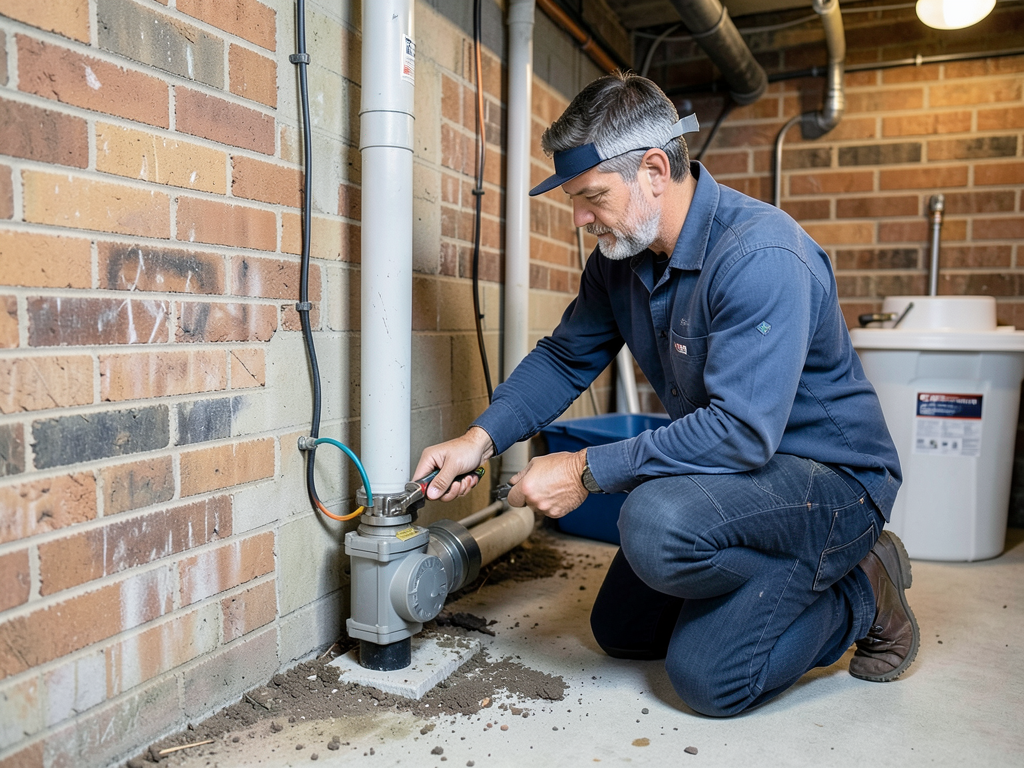
Backwater valves provide essential protection against sewer backups. These devices install on the main sewer line where it exits your building. During normal flow conditions, they remain open allowing waste to exit freely. But when water pressure reverses direction, the valve closes creating a one-way barrier.
Chicago building code now requires backwater valves in many areas prone to flooding. However, many West Town buildings predate these requirements. Installing a backwater valve represents a significant investment but prevents thousands in potential flood damage. The valve itself costs several hundred dollars but professional installation in older buildings can reach $2,000 to $4,000.
Overhead sewer conversions offer the most comprehensive protection. This system reroutes all plumbing fixtures to pump waste water up to the main sewer line level. Since waste can only flow downhill, it cannot back up into your unit. Overhead systems require breaking concrete floors and installing new plumbing lines. The investment typically ranges from $8,000 to $15,000 but provides complete peace of mind.
Sump pump systems with battery backups create another critical defense layer. Standard sump pumps connect to household electrical power. During storms, power failures often coincide with flooding conditions. Battery backup systems automatically activate when power fails keeping your basement dry during the most critical hours.
Maintenance Requirements for Garden Apartments
Regular drain cleaning prevents many common garden apartment problems. Professional rodding services use specialized equipment to clear main sewer lines of roots, grease, and debris. For West Town buildings, annual cleaning provides optimal protection. The process involves feeding a rotating cable through the sewer line to scrape away accumulated material.
Catch basin maintenance plays a crucial role in flood prevention. Many West Town properties include exterior catch basins that collect surface water before it enters the building. These basins feature grates that trap leaves and debris. When neglected, they overflow creating flooding conditions right outside basement windows.
Plumbing stack inspections identify potential problems before emergencies occur. The plumbing stack serves as the vertical backbone of your building’s drainage system. Cracks, corrosion, or blockages in this stack create immediate problems for garden units. Professional video inspection reveals issues invisible to the naked eye.
Water pressure testing helps identify hidden leaks. Garden apartments often experience low water pressure due to their elevation. However, sudden pressure drops or inconsistent flow can indicate pipe problems. Testing establishes baseline performance and identifies deterioration before it causes damage.
Winter Challenges for Garden Units
Chicago winters create unique plumbing challenges for garden apartments. Freezing temperatures affect below-grade plumbing differently than above-ground systems. Pipes buried beneath concrete floors or within exterior walls face extreme cold exposure. When water freezes it expands creating tremendous pressure that can split pipes.
Foundation wall condensation becomes a major issue during winter months. Warm indoor air contacts cold foundation walls creating condensation. This moisture accumulates on walls and floors creating ideal conditions for mold growth. Garden apartments with poor ventilation experience the worst condensation problems.
Snow melt creates flooding risks specific to garden units. When snow accumulates around foundation walls then melts during warm spells, massive amounts of water seek entry points. Garden apartments with improper grading or damaged waterproofing face immediate flooding threats during these melt cycles.
Heating system failures in garden apartments lead to frozen pipe emergencies. These units often rely on heat rising from upper floors. When upper units reduce heating or when building systems fail, garden apartments become the coldest spaces. Exposed pipes in these conditions freeze within hours of heat loss. Fixing Frozen and Burst Pipes in Bucktown During a Chicago Winter.
Legal Rights and Responsibilities
The Chicago Residential Landlord and Tenant Ordinance (RLTO) establishes specific plumbing repair responsibilities. Under this ordinance, landlords must maintain plumbing systems in habitable condition. This includes providing adequate water pressure, functional drainage, and protection from flooding. Tenants have the right to request repairs and withhold rent under certain conditions.
Emergency repair procedures give tenants specific rights during plumbing crises. When flooding or sewage backups create immediate health hazards, tenants can arrange emergency repairs and deduct costs from rent. However, proper notification procedures must be followed. Written notice to the landlord is required before taking emergency action.
Security deposit protections apply to plumbing-related damages. Landlords cannot charge tenants for normal wear and tear or pre-existing conditions. If flooding damages occur due to building system failures rather than tenant negligence, security deposits remain protected. Documentation of pre-existing conditions proves crucial in these disputes.
Insurance considerations affect both landlords and tenants. Standard renter’s insurance policies exclude flood damage and may limit sewer backup coverage. Separate endorsements provide protection but increase premiums. Understanding policy limitations helps garden apartment residents prepare for potential losses.
Cost Considerations for Garden Apartment Owners
Preventive plumbing upgrades require significant upfront investment but prevent catastrophic losses. Backwater valve installation costs between $2,000 and $4,000 depending on building access and existing plumbing configuration. While expensive, this single upgrade prevents average flood damage costs of $5,000 to $15,000.
Sump pump systems with battery backups cost $1,500 to $3,000 installed. Quality submersible pumps with reliable battery systems provide 24-48 hours of operation during power failures. Annual battery replacement adds approximately $100 to ongoing maintenance costs.
Foundation waterproofing represents the most comprehensive but expensive solution. Exterior waterproofing involves excavating around the foundation, applying waterproof membranes, and installing drainage systems. Costs range from $5,000 to $15,000 depending on building size and soil conditions. Interior waterproofing provides a less expensive alternative at $3,000 to $8,000.
Insurance premium impacts vary based on preventive measures. Properties with backwater valves and sump pump systems often qualify for premium discounts of 10-20%. However, properties in high-risk flood zones may face overall premium increases regardless of preventive measures.
Emergency Response Planning
Developing emergency response plans helps garden apartment residents act quickly during plumbing crises. Key contacts should include your landlord or building management, a licensed plumber, and emergency cleanup services. Store these contacts in your phone and post them near your main entrance.
Flood response kits provide immediate protection during emergencies. Essential items include rubber gloves, boots, wet-dry vacuum, mops, and absorbent materials. Keep these supplies accessible rather than stored in flooded areas. A basic kit costs approximately $100 but prevents extensive water damage.
Water shutoff procedures save valuable time during emergencies. Locate your main water shutoff valve and practice closing it quickly. In many West Town buildings, individual unit shutoffs may not exist, requiring building-wide water shutdowns. Understanding your building’s plumbing layout helps coordinate emergency responses.
Documentation procedures support insurance claims and legal actions. Photograph damage immediately using timestamped images. Keep records of all communications with landlords and contractors. Maintain receipts for emergency repairs and cleanup services. This documentation proves invaluable when seeking compensation.
Choosing Professional Help
Selecting qualified plumbing professionals requires specific considerations for garden apartment issues. Look for contractors with experience in basement waterproofing and flood prevention. Ask about their familiarity with Chicago’s combined sewer system and local building codes. Request references from other garden apartment clients.
Emergency response capabilities matter during plumbing crises. Choose plumbers offering 24/7 emergency service with guaranteed response times. Ask about their equipment inventory and whether they carry specialized flood prevention tools. Companies with dedicated emergency teams respond faster than those treating emergencies as interruptions.
Permit requirements affect many garden apartment plumbing projects. Chicago requires permits for backwater valve installations, overhead sewer conversions, and major plumbing modifications. Verify that your chosen contractor pulls proper permits and schedules required inspections. Unpermitted work creates liability issues and complicates future property sales.
Cost transparency prevents budget surprises. Request detailed written estimates that itemize labor, materials, and permit fees. Understand payment schedules and warranty terms before work begins. Reputable contractors provide clear explanations of their recommendations and alternative options.
Frequently Asked Questions
Why does my garden apartment smell like sewage during heavy rains?
Sewer odors during storms indicate that your floor drains are experiencing backflow pressure. When the city’s combined sewer system becomes overwhelmed, sewage pushes back through your building’s drainage system. The smell emerges through the water trap in your floor drain. This situation requires immediate professional attention and may indicate the need for a backwater valve installation.
How much does it cost to install a backwater valve in a West Town garden apartment?
Backwater valve installation in West Town typically costs between $2,000 and $4,000. The price varies based on your building’s plumbing configuration, accessibility of the main sewer line, and whether concrete breaking is required. Buildings with finished basements may face higher costs due to the need to remove and replace flooring materials.
Who is responsible for plumbing repairs in my garden apartment?
Responsibility depends on the specific issue and your lease agreement. Under the Chicago RLTO, landlords must maintain plumbing systems in habitable condition. This includes main sewer lines, building-wide drainage systems, and flood prevention infrastructure. However, tenants may be responsible for minor issues within their unit, such as clogged sink drains or toilet malfunctions caused by misuse.
How can I tell if my garden apartment has a sump pump?
Look for a circular cover in your basement floor, typically 18-24 inches in diameter. This cover provides access to the sump pit where water collects. You might also notice a small pump mounted near the pit with pipes running to the exterior. During heavy rains, listen for the pump’s humming sound as it activates to remove collected water.
What should I do if my garden apartment starts flooding?
Immediately protect your safety by avoiding electrical hazards. If water levels are rising, move valuables to higher ground. Contact your landlord or building management, then call a licensed plumber who offers emergency service. Document the flooding with photos and videos. If the situation poses immediate health risks, you may arrange emergency repairs and deduct costs from rent according to RLTO procedures.
| Prevention System | Cost Range | Protection Level |
|---|---|---|
| Backwater Valve | $2,000 – $4,000 | High – Prevents sewer backups |
| Sump Pump with Battery Backup | $1,500 – $3,000 | Medium – Handles groundwater |
| Overhead Sewer Conversion | $8,000 – $15,000 | Very High – Complete protection |
| Foundation Waterproofing | $3,000 – $15,000 | High – Prevents leaks |
| Common Problem | Symptoms | Urgency |
|---|---|---|
| Sewer Backup | Waste water from drains, sewage odor | Emergency – Health hazard |
| Sump Pump Failure | Standing water, pump not running | High – Quick flooding |
| Floor Drain Backup | Water rising from floor drains | High – Spreads quickly |
| Foundation Leak | Damp walls, musty smell, mold | Medium – Worsens over time |
| Maintenance Task | Frequency | Cost |
|---|---|---|
| Main Sewer Line Cleaning | Annual | $200 – $400 |
| Catch Basin Cleaning | Semi-annual | $100 – $200 |
| Plumbing Stack Inspection | Every 2-3 years | $300 – $500 |
| Sump Pump Testing | Quarterly | $50 – $100 |
Living in a West Town garden apartment means accepting certain plumbing realities while taking proactive steps to protect your home. The vintage charm and convenient location come with the responsibility of understanding and managing these unique challenges. By investing in preventive measures, maintaining regular inspections, and knowing your rights as a tenant or owner, you can enjoy all the benefits of garden living without the constant worry of water damage.
When plumbing emergencies strike, having a trusted professional ready to respond makes all the difference. Don’t wait for the next heavy rain to discover your vulnerabilities. Take action now to secure your garden apartment against Chicago’s challenging plumbing conditions.
Need expert help with your West Town garden apartment plumbing? Call A Plus Plumbing Chicago at (773) 514-5111 for 24/7 emergency service and comprehensive flood prevention solutions. Our experienced team understands the unique challenges of Chicago garden units and provides lasting protection for your home.
You may also find this helpful. How to Fix a Thumping or Noisy Sump Pump in Your Belmont Cragin Basement.
You may also find this helpful. Why Your South Shore Backyard Smells Like Raw Sewage After a Storm.
{
“@context”: “https://schema.org”,
“@type”: “BlogPosting”,
“headline”: “The Unique Plumbing Challenges of Living in a West Town Garden Apartment”,
“description”: “Learn about the unique plumbing challenges garden apartments face in West Town and how to protect your home from flooding and sewer backups.”,
“wordCount”: 2740,
“datePublished”: “2026-04-27T08:09:00.000Z”,
“dateModified”: “2026-04-27T08:09:00.000Z”,
“inLanguage”: “en-US”,
“mainEntityOfPage”: {
“@type”: “WebPage”,
“@id”: “https://aplusplumbingchicago.com”
},
“publisher”: {
“@type”: “LocalBusiness”,
“name”: “A Plus Plumbing Chicago”,
“url”: “https://aplusplumbingchicago.com”
},
“author”: {
“@type”: “Organization”,
“name”: “A Plus Plumbing Chicago”,
“url”: “https://aplusplumbingchicago.com”
},
“image”: {
“@type”: “ImageObject”,
“url”: “https://aplusplumbingchicago.com/wp-content/uploads/2026/03/the-unique-plumbing-challenges-of-living-in-a-west-1.png”
}
}
{
“@context”: “https://schema.org”,
“@type”: “Plumber”,
“name”: “A Plus Plumbing Chicago”,
“url”: “https://aplusplumbingchicago.com”,
“address”: {
“@type”: “PostalAddress”,
“addressLocality”: “Chicago”
},
“areaServed”: {
“@type”: “City”,
“name”: “Chicago”
}
}
{
“@context”: “https://schema.org”,
“@type”: “FAQPage”,
“mainEntity”: [
{
“@type”: “Question”,
“name”: “Why does my garden apartment smell like sewage during heavy rains?”,
“acceptedAnswer”: {
“@type”: “Answer”,
“text”: “Sewer odors during storms indicate that your floor drains are experiencing backflow pressure. When the city’s combined sewer system becomes overwhelmed, sewage pushes back through your building’s drainage system. The smell emerges through the water trap in your floor drain. This situation requires immediate professional attention and may indicate the need for a backwater valve installation.”
}
},
{
“@type”: “Question”,
“name”: “How much does it cost to install a backwater valve in a West Town garden apartment?”,
“acceptedAnswer”: {
“@type”: “Answer”,
“text”: “Backwater valve installation in West Town typically costs between $2,000 and $4,000. The price varies based on your building’s plumbing configuration, accessibility of the main sewer line, and whether concrete breaking is required. Buildings with finished basements may face higher costs due to the need to remove and replace flooring materials.”
}
},
{
“@type”: “Question”,
“name”: “Who is responsible for plumbing repairs in my garden apartment?”,
“acceptedAnswer”: {
“@type”: “Answer”,
“text”: “Responsibility depends on the specific issue and your lease agreement. Under the Chicago RLTO, landlords must maintain plumbing systems in habitable condition. This includes main sewer lines, building-wide drainage systems, and flood prevention infrastructure. However, tenants may be responsible for minor issues within their unit, such as clogged sink drains or toilet malfunctions caused by misuse.”
}
},
{
“@type”: “Question”,
“name”: “How can I tell if my garden apartment has a sump pump?”,
“acceptedAnswer”: {
“@type”: “Answer”,
“text”: “Look for a circular cover in your basement floor, typically 18-24 inches in diameter. This cover provides access to the sump pit where water collects. You might also notice a small pump mounted near the pit with pipes running to the exterior. During heavy rains, listen for the pump’s humming sound as it activates to remove collected water.”
}
},
{
“@type”: “Question”,
“name”: “What should I do if my garden apartment starts flooding?”,
“acceptedAnswer”: {
“@type”: “Answer”,
“text”: “Immediately protect your safety by avoiding electrical hazards. If water levels are rising, move valuables to higher ground. Contact your landlord or building management, then call a licensed plumber who offers emergency service. Document the flooding with photos and videos. If the situation poses immediate health risks, you may arrange emergency repairs and deduct costs from rent according to RLTO procedures.”
}
}
]
}
{
“@context”: “https://schema.org”,
“@type”: “BreadcrumbList”,
“itemListElement”: [
{
“@type”: “ListItem”,
“position”: 1,
“name”: “Home”,
“item”: “https://aplusplumbingchicago.com”
},
{
“@type”: “ListItem”,
“position”: 2,
“name”: “Blog”,
“item”: “https://aplusplumbingchicago.com/blog”
},
{
“@type”: “ListItem”,
“position”: 3,
“name”: “The Unique Plumbing Challenges of Living in a West Town Garden Apartment”
}
]
}
{
“@context”: “https://schema.org”,
“@type”: “Service”,
“serviceType”: “Plumbing”,
“provider”: {
“@type”: “LocalBusiness”,
“name”: “A Plus Plumbing Chicago”,
“url”: “https://aplusplumbingchicago.com”
},
“areaServed”: {
“@type”: “City”,
“name”: “Chicago”
},
“description”: “Learn about the unique plumbing challenges garden apartments face in West Town and how to protect your home from flooding and sewer backups.”
}