
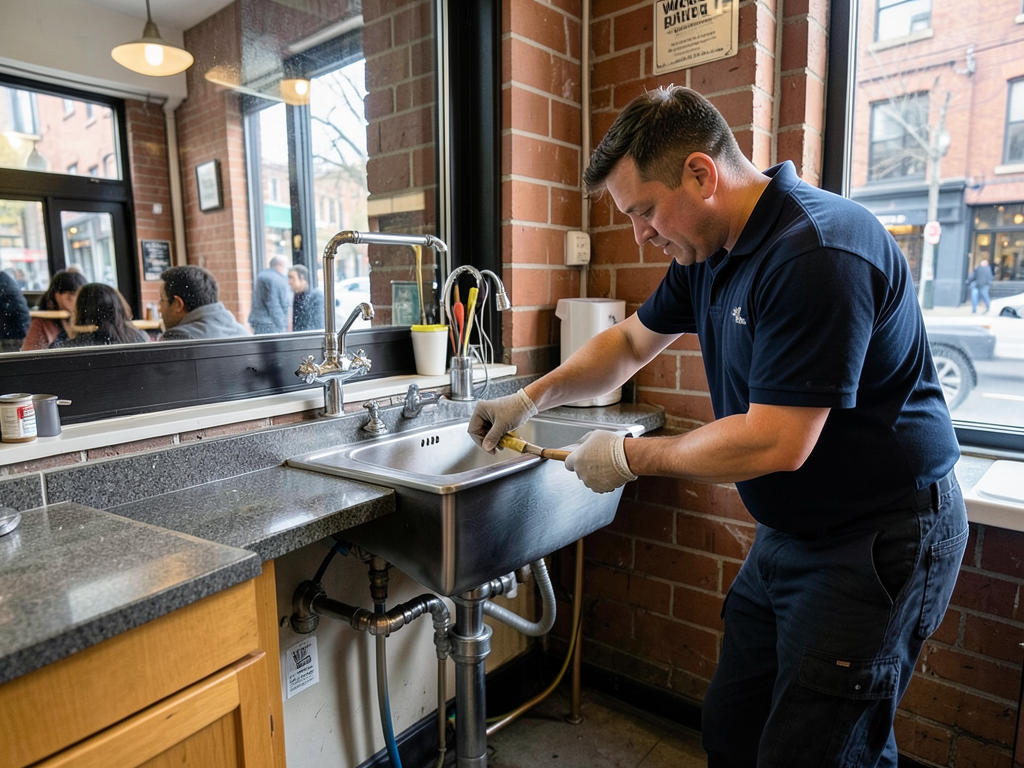
Why Your Wicker Park Coffee Shop Needs a Specialized Grease Trap System
Running a coffee shop in Wicker Park means serving hundreds of customers daily with rich espresso drinks and buttery pastries. But behind the scenes your kitchen plumbing faces a constant battle against fats oils and grease that can cause serious sewer problems if not properly managed. Wicker Park Sewer Line Repair Specialists for Older Chicago Homes.
Chicago’s Department of Water Management enforces strict regulations on commercial food service establishments. Without the right grease interceptor your coffee shop risks not only expensive plumbing repairs but also health code violations and potential fines that could shut down your business. Chicago’s FOG Program Requirements.
Understanding why your Wicker Park location needs a specialized grease trap system goes beyond simple compliance. It protects your investment ensures smooth operations and keeps your focus where it belongs on serving great coffee to your neighborhood.
How Grease Traps Protect Your Coffee Shop Plumbing
Every time you brew coffee steam milk or clean kitchen equipment fats oils and grease wash down your drains. These substances may look harmless when hot but they solidify as they cool creating thick deposits that stick to pipe walls.
Over time this buildup restricts water flow causing slow drains gurgling pipes and eventually complete blockages. In Wicker Park’s older commercial buildings with aging plumbing systems these issues become even more problematic.
A properly sized grease trap intercepts these substances before they enter the sewer system. The device separates grease from wastewater allowing clean water to flow through while trapping the FOG materials for proper disposal. EPA Sewer System Guidelines.
Without this protection you face emergency plumbing calls during peak business hours costly water damage and the unpleasant experience of backed up sinks during your morning rush. 24 Hour Emergency Plumbers in Lincoln Park for Immediate Help.
Chicago Municipal Code Requirements for Food Service
The City of Chicago Municipal Code Article II mandates grease interceptors for all food service establishments including coffee shops. This regulation applies to any business that prepares or serves food regardless of size.
Chicago’s FOG (Fats Oils and Grease) program requires interceptors to handle 100 percent of wastewater from food preparation areas. The code specifies minimum sizing based on your kitchen’s flow rate and the number of fixtures connected to your plumbing system.
Health inspectors check for proper grease trap installation during routine visits. They verify that your system meets code requirements has current permits and shows evidence of regular maintenance.
Failure to comply results in immediate corrective action notices potential fines starting at $500 and in severe cases temporary closure until violations are resolved.
Types of Grease Traps for Chicago Coffee Shops
Choosing the right system depends on your kitchen layout available space and coffee shop size. Two main types serve Chicago’s food service industry.
Hydromechanical grease interceptors install inside your kitchen beneath sinks or near dishwashers. These compact units handle 20 to 100 gallons per minute and work well for small to medium coffee shops with limited basement space.
Gravity grease interceptors require outdoor installation often in underground vaults. These larger systems handle 500 to 2000 gallons per minute making them suitable for high-volume shops or those with extensive food preparation areas.
For Wicker Park’s historic buildings hydromechanical units often provide the best solution since they don’t require excavation in potentially fragile foundations. However buildings with existing underground utility access may accommodate gravity systems.
Automatic grease removal devices offer another option for shops with limited maintenance staff. These systems skim grease automatically reducing the need for manual cleaning.
Installation Process for Wicker Park Commercial Properties
Installing a grease trap in Wicker Park requires navigating specific challenges unique to the neighborhood’s building stock. Most commercial spaces occupy converted residential buildings or historic storefronts with limited utility access.
The process begins with a site assessment examining your kitchen layout existing plumbing and available space for equipment. This evaluation determines whether indoor or outdoor installation makes more sense for your property.
Next comes permit acquisition through the Chicago Department of Buildings. Your plumbing contractor submits detailed plans showing interceptor location sizing and connection points for city approval.
Installation typically requires two to three days for indoor units and up to a week for outdoor systems involving excavation. During this time your coffee shop may need to modify operations or close temporarily.
Final inspection by the Department of Water Management ensures your system meets all code requirements before you can resume normal operations.
Maintenance Requirements to Stay Compliant
Chicago Municipal Code requires regular grease trap maintenance to prevent system failure and sewer problems. The frequency depends on your interceptor size and coffee shop volume.
Small hydromechanical units typically need pumping every one to three months while larger gravity systems may require service every three to six months. Your maintenance schedule must align with Chicago’s FOG program requirements.
During each service visit a licensed professional removes accumulated grease and inspects system components. They check baffles flow control devices and inlet/outlet connections for proper function.
You must maintain detailed records of all maintenance activities including dates services performed and disposal manifests from waste haulers. Health inspectors request these records during routine visits.
Neglecting maintenance leads to system overflow foul odors and potential sewer backups that can damage your property and disrupt business operations.
Cost Factors for Wicker Park Coffee Shops
Several factors influence your grease trap installation costs in Wicker Park. The system size represents the largest expense with units ranging from $2000 for small indoor models to $10000 or more for large outdoor installations.
Installation complexity adds to your total cost. Historic buildings may require specialized plumbing techniques to protect original materials while navigating tight basement spaces increases labor hours.
Permit fees through the City of Chicago typically range from $200 to $500 depending on project scope. You may also need architectural drawings if your building requires structural modifications.
Ongoing maintenance costs average $150 to $300 per service visit. Annual maintenance contracts often provide better rates than individual service calls.
While these expenses seem significant they pale compared to emergency plumbing repairs potential fines and business interruption costs from system failures.
Common Mistakes to Avoid
Many coffee shop owners make costly mistakes when selecting or installing grease traps. Understanding these pitfalls helps you make better decisions for your Wicker Park business.
Undersizing represents the most common error. Some owners choose the smallest code-compliant unit to save money but this leads to frequent overflows and accelerated wear on system components. Top Rated Plumbers for High Rise Condos in the Gold Coast.
DIY installation attempts often violate Chicago plumbing codes and void manufacturer warranties. Only licensed plumbers familiar with local regulations should handle commercial grease trap work.
Skipping regular maintenance to save money typically results in emergency service calls that cost three to four times standard rates. The small savings never justify the risk.
Ignoring proper waste disposal creates liability issues. Some shops pour grease into storm drains or trash bins violating environmental regulations and potentially facing substantial fines.
Choosing the wrong type for your building layout leads to installation complications. A system that works perfectly in a modern strip mall may create impossible challenges in a century-old Wicker Park storefront.
Benefits Beyond Code Compliance
A properly installed and maintained grease trap delivers benefits that extend far beyond avoiding fines and passing inspections. These advantages directly impact your coffee shop’s success and profitability.
Reliable plumbing operations prevent unexpected closures during your busiest hours. When sinks drain properly and no backups occur you maintain consistent service quality regardless of customer volume.
Reduced emergency repair costs free up capital for business improvements. The money saved on emergency plumbing calls can fund equipment upgrades marketing initiatives or staff training.
Better relationships with health inspectors result from proactive compliance. When your systems consistently meet code requirements inspections proceed smoothly without the stress of potential violations.
Environmental responsibility enhances your brand reputation. Customers increasingly value businesses that demonstrate commitment to proper waste management and environmental stewardship.
Lower insurance premiums sometimes result from documented preventive maintenance programs. Some carriers offer discounts for businesses that actively manage plumbing risks through professional maintenance contracts.
Finding the Right Plumbing Partner
Selecting a qualified plumber for your grease trap installation requires careful evaluation. Not all plumbing companies possess the specific expertise needed for Chicago commercial food service applications.
Look for contractors with specific experience in commercial grease trap installations rather than general residential plumbers. Commercial systems require different sizing calculations permitting knowledge and installation techniques.
Verify current Chicago plumbing licenses and insurance coverage. Commercial work demands higher liability coverage than residential projects due to potential business interruption and property damage risks.
Request references from other coffee shops or restaurants in Wicker Park or nearby neighborhoods like Bucktown or Logan Square. Local experience with similar building types proves invaluable for anticipating installation challenges.
Ask about warranty coverage and maintenance programs. Quality contractors stand behind their work with comprehensive warranties and offer ongoing maintenance services to protect your investment.
Evaluate communication style and responsiveness. Your grease trap partner should explain technical concepts clearly provide detailed proposals and respond promptly to questions throughout the process.
Future-Proofing Your Coffee Shop Plumbing
Investing in the right grease trap system positions your coffee shop for future growth and changing regulations. Forward-thinking owners plan for expansion and evolving environmental standards.
Consider your five-year business plan when selecting system size. If you anticipate menu expansions increased seating or extended hours a larger interceptor now prevents costly upgrades later.
Monitor Chicago’s evolving environmental regulations. The city continues strengthening FOG program requirements and future codes may demand more stringent controls or advanced treatment technologies.
Document your current plumbing infrastructure thoroughly. Detailed schematics help future contractors understand your system layout making repairs and upgrades more efficient.
Establish relationships with multiple service providers. Having backup options ensures you can maintain your maintenance schedule even if your primary provider experiences scheduling conflicts.
Stay informed about new technologies. Automatic grease removal systems smart monitoring devices and advanced treatment options continue developing offering potential efficiency improvements for forward-thinking owners.
Frequently Asked Questions
How often should I pump my coffee shop grease trap?
Pumping frequency depends on your interceptor size and coffee shop volume. Small units typically need service every one to three months while larger systems may require pumping every three to six months. Your licensed plumber can assess your specific needs based on your kitchen operations.
Can I install a grease trap myself to save money?
DIY installation violates Chicago plumbing codes and can result in fines up to $500. Only licensed plumbers familiar with local regulations should handle commercial grease trap work. Improper installation can cause system failures property damage and void manufacturer warranties.
What happens during a grease trap inspection?
Health inspectors verify your system meets code requirements check for current permits and review maintenance records. They examine interceptor size connections and ensure no wastewater bypasses the system. Inspectors may also check for proper waste disposal documentation and verify that no grease enters storm drains.
How much does grease trap installation cost in Wicker Park?
Installation costs vary based on system size building complexity and installation type. Small indoor units typically cost $2000 to $5000 while large outdoor systems range from $8000 to $15000. Historic buildings may require additional work increasing costs by 20 to 40 percent.
Do I need a grease trap if I only serve coffee and pastries?
Yes Chicago Municipal Code requires grease interceptors for any food service establishment regardless of menu size. Even coffee shops with limited food preparation generate enough FOG from milk steaming and food warming to require compliance with FOG program regulations.
{
“@context”: “https://schema.org”,
“@type”: “BlogPosting”,
“headline”: “Why Your Wicker Park Coffee Shop Needs a Specialized Grease Trap System”,
“description”: “Protect your Wicker Park coffee shop from costly plumbing issues with the right grease trap system. Learn Chicago code requirements and expert installation tips.”,
“wordCount”: 1939,
“datePublished”: “2026-04-17T06:26:00.000Z”,
“dateModified”: “2026-04-17T06:26:00.000Z”,
“inLanguage”: “en-US”,
“mainEntityOfPage”: {
“@type”: “WebPage”,
“@id”: “https://aplusplumbingchicago.com”
},
“publisher”: {
“@type”: “LocalBusiness”,
“name”: “A Plus Plumbing Chicago”,
“url”: “https://aplusplumbingchicago.com”
},
“author”: {
“@type”: “Organization”,
“name”: “A Plus Plumbing Chicago”,
“url”: “https://aplusplumbingchicago.com”
},
“image”: {
“@type”: “ImageObject”,
“url”: “https://aplusplumbingchicago.com/wp-content/uploads/2026/03/why-your-wicker-park-coffee-shop-needs-a-specializ-1.png”
}
}
{
“@context”: “https://schema.org”,
“@type”: “Plumber”,
“name”: “A Plus Plumbing Chicago”,
“url”: “https://aplusplumbingchicago.com”,
“address”: {
“@type”: “PostalAddress”,
“addressLocality”: “Chicago”
},
“areaServed”: {
“@type”: “City”,
“name”: “Chicago”
}
}
{
“@context”: “https://schema.org”,
“@type”: “FAQPage”,
“mainEntity”: [
{
“@type”: “Question”,
“name”: “How often should I pump my coffee shop grease trap?”,
“acceptedAnswer”: {
“@type”: “Answer”,
“text”: “Pumping frequency depends on your interceptor size and coffee shop volume. Small units typically need service every one to three months while larger systems may require pumping every three to six months. Your licensed plumber can assess your specific needs based on your kitchen operations.”
}
},
{
“@type”: “Question”,
“name”: “Can I install a grease trap myself to save money?”,
“acceptedAnswer”: {
“@type”: “Answer”,
“text”: “DIY installation violates Chicago plumbing codes and can result in fines up to $500. Only licensed plumbers familiar with local regulations should handle commercial grease trap work. Improper installation can cause system failures property damage and void manufacturer warranties.”
}
},
{
“@type”: “Question”,
“name”: “What happens during a grease trap inspection?”,
“acceptedAnswer”: {
“@type”: “Answer”,
“text”: “Health inspectors verify your system meets code requirements check for current permits and review maintenance records. They examine interceptor size connections and ensure no wastewater bypasses the system. Inspectors may also check for proper waste disposal documentation and verify that no grease enters storm drains.”
}
},
{
“@type”: “Question”,
“name”: “How much does grease trap installation cost in Wicker Park?”,
“acceptedAnswer”: {
“@type”: “Answer”,
“text”: “Installation costs vary based on system size building complexity and installation type. Small indoor units typically cost $2000 to $5000 while large outdoor systems range from $8000 to $15000. Historic buildings may require additional work increasing costs by 20 to 40 percent.”
}
},
{
“@type”: “Question”,
“name”: “Do I need a grease trap if I only serve coffee and pastries?”,
“acceptedAnswer”: {
“@type”: “Answer”,
“text”: “Yes Chicago Municipal Code requires grease interceptors for any food service establishment regardless of menu size. Even coffee shops with limited food preparation generate enough FOG from milk steaming and food warming to require compliance with FOG program regulations.”
}
}
]
}
{
“@context”: “https://schema.org”,
“@type”: “BreadcrumbList”,
“itemListElement”: [
{
“@type”: “ListItem”,
“position”: 1,
“name”: “Home”,
“item”: “https://aplusplumbingchicago.com”
},
{
“@type”: “ListItem”,
“position”: 2,
“name”: “Blog”,
“item”: “https://aplusplumbingchicago.com/blog”
},
{
“@type”: “ListItem”,
“position”: 3,
“name”: “Why Your Wicker Park Coffee Shop Needs a Specialized Grease Trap System”
}
]
}
{
“@context”: “https://schema.org”,
“@type”: “Service”,
“serviceType”: “Plumbing”,
“provider”: {
“@type”: “LocalBusiness”,
“name”: “A Plus Plumbing Chicago”,
“url”: “https://aplusplumbingchicago.com”
},
“areaServed”: {
“@type”: “City”,
“name”: “Chicago”
},
“description”: “Protect your Wicker Park coffee shop from costly plumbing issues with the right grease trap system. Learn Chicago code requirements and expert installation tips.”
}