
Why Your Water Heater is Making a Popping Noise and How to Flush It
Your water heater makes a popping sound like popcorn in the microwave. That noise means sediment has built up inside the tank. When water gets trapped under these mineral deposits it turns to steam and bursts through creating the popping sound you hear.. Read more about Is a Tankless Water Heater Flush Really Necessary Every Year?.
This problem happens often in Chicago homes because of our hard water from Lake Michigan. The minerals settle at the bottom of your tank over time. When they get thick enough they trap water underneath. That water superheats and pops through the sediment layer making the noise.
The popping sound itself is annoying but the real problem is what it means for your water heater. Sediment acts like insulation between the burner and the water. Your heater works harder and uses more energy. The extra heat can damage the tank bottom and the heating elements. Left alone this can cause leaks or complete failure.
Before we talk about fixing it let’s look at why this happens and when you should call a professional. Fixing Frozen and Burst Pipes in Bucktown During a Chicago Winter.
The Science of the ‘Pop’: How Sediment Traps Steam
The popping noise comes from a process called kettling. Water trapped under sediment layers gets superheated beyond its normal boiling point. When it finally breaks through the mineral crust it flashes to steam instantly creating that popping sound.
In Chicago homes this happens faster than in other cities. Our Lake Michigan water contains high levels of calcium and magnesium. These minerals settle in your tank as the water heats and cools. A typical Chicago water heater can accumulate one quarter inch of sediment in just one year.
The sediment layer acts like a blanket. It keeps heat from transferring to the water efficiently. Your burner stays on longer to heat the same amount of water. This wastes energy and puts extra stress on the tank.
Electric water heaters face a different problem. Sediment can bury the lower heating element. When this happens the element overheats and burns out. You might notice your hot water runs out faster than before or the temperature fluctuates.
Is a Popping Water Heater Dangerous? (Safety Risks)
The popping noise itself will not hurt you. But the conditions causing it can create serious problems. A tank with heavy sediment buildup can overheat. This damages the inner glass lining and weakens the steel tank.
The biggest danger comes from the temperature and pressure relief valve. This safety device releases excess pressure if the tank overheats. If sediment blocks this valve or if it fails the tank can build dangerous pressure. In rare cases this can lead to tank rupture.
Gas water heaters with sediment buildup face another risk. The burner must work harder and longer. This increases carbon monoxide production if the venting system has any issues. Always make sure your carbon monoxide detectors work properly.
Water leaking from the tank bottom often means the inner lining has failed. Once the steel tank starts to rust through you need a new water heater. The popping sound was trying to tell you this for months.
How Chicago’s Hard Water Accelerates Sediment Buildup
Chicago draws its water from Lake Michigan. This water travels through limestone before reaching our taps. Limestone dissolves into the water adding calcium and magnesium. These minerals make our water hard.
Water hardness in Chicago measures between 8 and 12 grains per gallon. This is considered hard to very hard. For comparison soft water measures below 3 grains per gallon.
The mineral content varies across neighborhoods. Homes in Lincoln Park and Lakeview often see faster sediment buildup than areas with different water sources. Buildings near the lake might experience slightly different water chemistry than those in Logan Square or Wicker Park. Wicker Park Sewer Line Repair Specialists for Older Chicago Homes.
Hard water affects more than just your water heater. It leaves scale on faucets and showerheads. It makes soap less effective. It can shorten the life of dishwashers and washing machines. The sediment in your water heater is just one part of a bigger hard water problem.
Chicago’s water quality report shows our mineral levels stay consistent year round. This means sediment buildup happens steadily not seasonally.
Step-by-Step: How to Flush Your Water Heater to Stop the Noise
Flushing your water heater removes the sediment causing the popping noise. This process works for both gas and electric models. Always follow safety steps first.
- Turn Off Power or Gas
For electric heaters switch off the breaker. For gas models turn the gas control to pilot. This prevents heating an empty tank which can damage the unit.
- Turn Off Cold Water Supply
Find the valve above or beside your water heater. Turn it clockwise to shut off the cold water entering the tank.
- Connect a Garden Hose
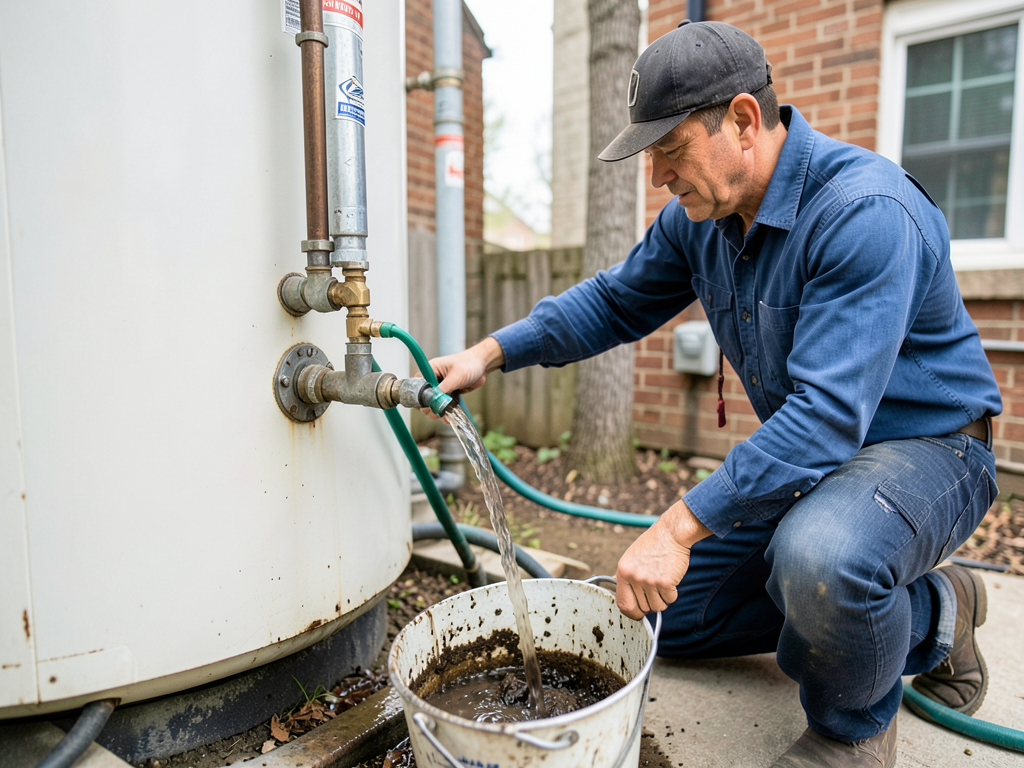
Attach a garden hose to the drain valve at the bottom of the tank. Run the other end to a floor drain or outside. The water will be hot so use a hose that can handle high temperatures.
- Open the Pressure Relief Valve
Lift the lever on the temperature and pressure relief valve. This prevents vacuum lock and helps the tank drain faster.
- Open the Drain Valve
Turn the drain valve handle counterclockwise. Water will flow out through the hose. Let it run until the water runs clear. This usually takes 20 to 40 minutes depending on tank size and sediment amount.
- Flush with Cold Water
Turn the cold water supply back on for a few minutes. This stirs up remaining sediment so it drains out. Let it run until the water stays clear.
- Close Valves and Refill
Close the drain valve and pressure relief valve. Remove the hose. Turn the cold water supply back on. Open a hot water faucet in your house to let air escape as the tank refills.
- Restore Power or Gas
For electric models turn the breaker back on. For gas models turn the control from pilot to the desired temperature setting.
Never skip turning off the power or gas. Heating an empty tank damages the heating elements or burner. Always let the water cool for several hours before draining to avoid burns.
If you see large amounts of sediment or the water looks rusty this might indicate tank damage. In these cases call a professional plumber instead of doing it yourself.
When to Call a Professional Chicago Plumber
Some water heater problems need expert help. Call a professional if you notice these signs.
The popping noise continues after flushing. This means sediment has hardened or the tank has internal damage. A plumber can assess whether cleaning or replacement makes more sense.
You see water leaking from the tank bottom. This usually means the inner glass lining has failed. Once steel tanks start to rust through they cannot be repaired. EPA water usage information.
Your water heater is over ten years old. Older units have less efficient components and more wear. Replacement often costs less than repeated repairs on an aging system.
You have no hot water or very little hot water. This could mean a failed heating element thermostat or gas control valve. These parts require professional testing and replacement.
The pressure relief valve leaks constantly. This safety device needs immediate attention. A failed valve cannot protect your tank from dangerous pressure buildup.
Chicago building codes require permits for water heater replacement. Licensed plumbers know local requirements and can handle the paperwork. They also understand Chicago’s specific water conditions and can recommend the right replacement unit. Top Rated Plumbers for High Rise Condos in the Gold Coast.
Preventative Maintenance: Anode Rods and Water Softeners
Flushing removes sediment but other maintenance extends your water heater’s life. The anode rod sacrifices itself to protect your tank from rust. This metal rod attracts corrosive elements in the water. Once it dissolves completely the tank starts to rust.
Check your anode rod every three years. In Chicago’s hard water conditions you might need to replace it every four to five years. A new anode rod costs much less than a new water heater.
Water softeners reduce mineral content before it enters your heater. These systems exchange calcium and magnesium ions for sodium or potassium. This prevents scale buildup throughout your plumbing.
Softened water can extend your water heater’s life by five to ten years. It also improves soap efficiency and reduces scale on fixtures. The tradeoff is added sodium in your water and the cost of salt for the softener.
Installing a thermal expansion tank helps with another Chicago problem. Our municipal water systems often have check valves that prevent water from expanding back into the main line. This creates excess pressure in your water heater. An expansion tank absorbs this pressure protecting your plumbing.
Regular maintenance costs less than emergency repairs. A professional inspection once a year can catch small problems before they cause floods or cold showers. 24 Hour Emergency Plumbers in Lincoln Park for Immediate Help.
Energy Efficiency Loss Due to Sediment Insulation
sediment buildup reduces your water heater’s efficiency in measurable ways. A quarter inch of sediment can increase energy use by ten to fifteen percent. This means higher gas or electric bills every month.
The sediment layer forces your burner to run longer. A typical 40 gallon gas water heater might use 40000 BTUs per hour. With sediment this could increase to 46000 BTUs per hour. Over a year this adds up to hundreds of dollars in wasted energy.
Electric water heaters lose efficiency differently. The lower element must work harder to heat through the sediment layer. This can cause the element to burn out requiring expensive replacement.
Efficiency loss accelerates as sediment builds up. A tank with one inch of sediment might use twice the energy of a clean tank. The popping noise is your early warning that efficiency is dropping.
New high efficiency water heaters have better insulation and heat transfer. They recover hot water faster and maintain temperature better. If your current unit is over eight years old replacement might pay for itself through energy savings.
Comparing Gas vs Electric Water Heater Sediment Issues
Gas and electric water heaters handle sediment differently. Understanding these differences helps you maintain your specific type.
| Factor | Gas Water Heaters | Electric Water Heaters |
|---|---|---|
| Heat Source | Burner at tank bottom | Upper and lower heating elements |
| Sediment Impact | Insulates between burner and water | Can bury lower element |
| Common Failure | Tank overheating bottom damage | Lower element burnout |
| Noise Level | Often louder popping | Quieter rumbling |
| Efficiency Loss | BTU waste through longer cycles | Element failure and replacement |
Gas heaters show sediment problems through noise and longer recovery times. Electric heaters might fail silently when elements burn out. Both types benefit from regular flushing.
Electric heaters have two elements. The upper element heats the top of the tank. The lower element handles most of the heating work. When sediment buries the lower element the upper element works alone. This reduces capacity and increases energy use.
Gas heaters rely on a single burner at the tank bottom. Sediment here creates the most dramatic efficiency loss. The popping sound often starts before electric heaters show similar problems.
Local Water Heater Regulations in Chicago
Chicago has specific requirements for water heater installation and replacement. The city requires permits for new installations. This ensures proper venting gas connections and safety devices.
Gas water heaters must have proper venting to prevent carbon monoxide buildup. Chicago code requires specific vent materials and clearances. Electric heaters need proper wiring and circuit protection.
Temperature and pressure relief valves are mandatory. These devices must be piped to within six inches of the floor. This prevents scalding if the valve releases pressure.
Expansion tanks are required when check valves or pressure reducing valves are installed. Many Chicago homes need these devices due to our municipal water system design.
Local plumbers know current code requirements. They can handle permits and inspections. This protects you from fines and ensures your installation meets safety standards.
Water heater efficiency standards continue to increase. New units must meet minimum energy factor ratings. This means newer models use less energy than older ones even without sediment problems.
Frequently Asked Questions
Why does my water heater make popping noises only sometimes?
The popping happens when enough sediment builds up to trap water. This varies with water usage temperature settings and mineral content. You might hear it more in winter when incoming water is colder and the heater runs longer. Site Settings.
Can I use vinegar to clean my water heater instead of flushing?
Vinegar can dissolve some mineral deposits but it does not remove sediment. Flushing physically removes the buildup. Vinegar might help with minor scale but will not fix heavy sediment problems causing popping noises.
How long does a water heater flush take?
The actual flushing process takes 30 to 60 minutes. Add time for cooling the tank before starting and refilling afterward. The whole process usually takes two to three hours including safety steps.
Will flushing my water heater fix all noise problems?
Flushing fixes sediment related noises. Other sounds like whistling or humming might indicate different problems. These could include failing valves loose heating elements or water hammer issues.
How much does professional water heater flushing cost in Chicago?
Professional flushing typically costs between $150 and $300 in the Chicago area. This varies by tank size accessibility and sediment severity. Some companies offer maintenance plans that include annual flushing.
Should I drain my water heater if I’m going on vacation?
For trips longer than two weeks consider turning off the heater and draining it. This prevents sediment from settling and reduces energy use. Always follow proper shutdown and restart procedures to avoid damage.
Can sediment cause my water to smell bad?
Yes. Sediment creates warm environments where bacteria grow. This can cause rotten egg smells. Flushing removes the sediment and often eliminates the odor. If smells persist you might need an anode rod replacement or water treatment system.
{
“@context”: “https://schema.org”,
“@type”: “BlogPosting”,
“headline”: “Why Your Water Heater is Making a Popping Noise and How to Flush It”,
“description”: “Learn why your Chicago water heater makes popping noises from sediment buildup and how to flush it safely. A Plus Plumbing Chicago provides expert solutions.”,
“wordCount”: 2339,
“datePublished”: “2026-06-09T13:47:00.000Z”,
“dateModified”: “2026-06-09T13:47:00.000Z”,
“inLanguage”: “en-US”,
“mainEntityOfPage”: {
“@type”: “WebPage”,
“@id”: “https://aplusplumbingchicago.com”
},
“publisher”: {
“@type”: “LocalBusiness”,
“name”: “A Plus Plumbing Chicago”,
“url”: “https://aplusplumbingchicago.com”
},
“author”: {
“@type”: “Organization”,
“name”: “A Plus Plumbing Chicago”,
“url”: “https://aplusplumbingchicago.com”
},
“image”: {
“@type”: “ImageObject”,
“url”: “https://aplusplumbingchicago.com/wp-content/uploads/2026/03/why-your-water-heater-is-making-a-popping-noise-an-1.png”
}
}
{
“@context”: “https://schema.org”,
“@type”: “Plumber”,
“name”: “A Plus Plumbing Chicago”,
“url”: “https://aplusplumbingchicago.com”,
“address”: {
“@type”: “PostalAddress”,
“addressLocality”: “Chicago”
},
“areaServed”: {
“@type”: “City”,
“name”: “Chicago”
}
}
{
“@context”: “https://schema.org”,
“@type”: “FAQPage”,
“mainEntity”: [
{
“@type”: “Question”,
“name”: “Why does my water heater make popping noises only sometimes?”,
“acceptedAnswer”: {
“@type”: “Answer”,
“text”: “The popping happens when enough sediment builds up to trap water. This varies with water usage temperature settings and mineral content. You might hear it more in winter when incoming water is colder and the heater runs longer. Site Settings.”
}
},
{
“@type”: “Question”,
“name”: “Can I use vinegar to clean my water heater instead of flushing?”,
“acceptedAnswer”: {
“@type”: “Answer”,
“text”: “Vinegar can dissolve some mineral deposits but it does not remove sediment. Flushing physically removes the buildup. Vinegar might help with minor scale but will not fix heavy sediment problems causing popping noises.”
}
},
{
“@type”: “Question”,
“name”: “How long does a water heater flush take?”,
“acceptedAnswer”: {
“@type”: “Answer”,
“text”: “The actual flushing process takes 30 to 60 minutes. Add time for cooling the tank before starting and refilling afterward. The whole process usually takes two to three hours including safety steps.”
}
},
{
“@type”: “Question”,
“name”: “Will flushing my water heater fix all noise problems?”,
“acceptedAnswer”: {
“@type”: “Answer”,
“text”: “Flushing fixes sediment related noises. Other sounds like whistling or humming might indicate different problems. These could include failing valves loose heating elements or water hammer issues.”
}
},
{
“@type”: “Question”,
“name”: “How much does professional water heater flushing cost in Chicago?”,
“acceptedAnswer”: {
“@type”: “Answer”,
“text”: “Professional flushing typically costs between $150 and $300 in the Chicago area. This varies by tank size accessibility and sediment severity. Some companies offer maintenance plans that include annual flushing.”
}
},
{
“@type”: “Question”,
“name”: “Should I drain my water heater if I’m going on vacation?”,
“acceptedAnswer”: {
“@type”: “Answer”,
“text”: “For trips longer than two weeks consider turning off the heater and draining it. This prevents sediment from settling and reduces energy use. Always follow proper shutdown and restart procedures to avoid damage.”
}
},
{
“@type”: “Question”,
“name”: “Can sediment cause my water to smell bad?”,
“acceptedAnswer”: {
“@type”: “Answer”,
“text”: “Yes. Sediment creates warm environments where bacteria grow. This can cause rotten egg smells. Flushing removes the sediment and often eliminates the odor. If smells persist you might need an anode rod replacement or water treatment system.”
}
}
]
}
{
“@context”: “https://schema.org”,
“@type”: “HowTo”,
“name”: “How to Flush Your Water Heater”,
“step”: [
{
“@type”: “HowToStep”,
“position”: 1,
“name”: “Turn Off Power or Gas”,
“text”: “For electric heaters switch off the breaker. For gas models turn the gas control to pilot. This prevents heating an empty tank which can damage the unit.”
},
{
“@type”: “HowToStep”,
“position”: 2,
“name”: “Turn Off Cold Water Supply”,
“text”: “Find the valve above or beside your water heater. Turn it clockwise to shut off the cold water entering the tank.”
},
{
“@type”: “HowToStep”,
“position”: 3,
“name”: “Connect a Garden Hose”,
“text”: “Attach a garden hose to the drain valve at the bottom of the tank. Run the other end to a floor drain or outside. The water will be hot so use a hose that can handle high temperatures.”
},
{
“@type”: “HowToStep”,
“position”: 4,
“name”: “Open the Pressure Relief Valve”,
“text”: “Lift the lever on the temperature and pressure relief valve. This prevents vacuum lock and helps the tank drain faster.”
},
{
“@type”: “HowToStep”,
“position”: 5,
“name”: “Open the Drain Valve”,
“text”: “Turn the drain valve handle counterclockwise. Water will flow out through the hose. Let it run until the water runs clear. This usually takes 20 to 40 minutes depending on tank size and sediment amount.”
},
{
“@type”: “HowToStep”,
“position”: 6,
“name”: “Flush with Cold Water”,
“text”: “Turn the cold water supply back on for a few minutes. This stirs up remaining sediment so it drains out. Let it run until the water stays clear.”
},
{
“@type”: “HowToStep”,
“position”: 7,
“name”: “Close Valves and Refill”,
“text”: “Close the drain valve and pressure relief valve. Remove the hose. Turn the cold water supply back on. Open a hot water faucet in your house to let air escape as the tank refills.”
},
{
“@type”: “HowToStep”,
“position”: 8,
“name”: “Restore Power or Gas”,
“text”: “For electric models turn the breaker back on. For gas models turn the control from pilot to the desired temperature setting.”
}
],
“image”: “https://aplusplumbingchicago.com/wp-content/uploads/2026/03/why-your-water-heater-is-making-a-popping-noise-an-1.png”
}
{
“@context”: “https://schema.org”,
“@type”: “BreadcrumbList”,
“itemListElement”: [
{
“@type”: “ListItem”,
“position”: 1,
“name”: “Home”,
“item”: “https://aplusplumbingchicago.com”
},
{
“@type”: “ListItem”,
“position”: 2,
“name”: “Blog”,
“item”: “https://aplusplumbingchicago.com/blog”
},
{
“@type”: “ListItem”,
“position”: 3,
“name”: “Why Your Water Heater is Making a Popping Noise and How to Flush It”
}
]
}
{
“@context”: “https://schema.org”,
“@type”: “Service”,
“serviceType”: “Plumbing”,
“provider”: {
“@type”: “LocalBusiness”,
“name”: “A Plus Plumbing Chicago”,
“url”: “https://aplusplumbingchicago.com”
},
“areaServed”: {
“@type”: “City”,
“name”: “Chicago”
},
“description”: “Learn why your Chicago water heater makes popping noises from sediment buildup and how to flush it safely. A Plus Plumbing Chicago provides expert solutions.”
}