
Living in a University Village condo means dealing with Chicago’s unique plumbing challenges. The aging infrastructure combined with brutal winters creates a perfect storm for potential water disasters. A whole house water shut off valve isn’t just a nice-to-have feature—it’s your first line of defense against catastrophic water damage that could cost you thousands of dollars and weeks of headaches.. Read more about Dealing with Shared Plumbing Stacks and Leaks in Lakeview East Condos.
Chicago’s freeze-thaw cycles put tremendous stress on pipes, especially in older buildings where lead service lines are still common. When temperatures plummet below zero, water inside pipes can freeze and expand, causing pipes to burst. Without a reliable shut-off valve, you could be looking at flooding that damages not just your unit but potentially affects neighbors below you.
The good news is that installing a whole house shut off valve is a straightforward process that provides immediate peace of mind. Whether you’re dealing with a sudden pipe burst, a malfunctioning water heater, or even a neighbor’s plumbing emergency that affects your unit, having direct control over your water supply can save you from major headaches. 24 Hour Emergency Plumbers in Lincoln Park for Immediate Help.
Understanding Chicago’s Plumbing Challenges
Chicago’s plumbing infrastructure presents unique challenges for condo owners. Many University Village buildings were constructed before modern plumbing codes existed, meaning they often have outdated materials and configurations. Lead service lines, galvanized steel pipes, and cast iron drain stacks are common in these older structures.
The city’s high water table and clay soil composition create additional pressure on underground pipes. When heavy rains hit—which happens frequently in Chicago—the saturated soil can shift, causing pipes to crack or joints to separate. Without a main shut-off valve, you might not discover a slow leak until significant damage has occurred. EPA Lead Service Line Replacement.
Chicago winters are particularly brutal on plumbing systems. The combination of freezing temperatures and aging pipes creates a high risk for burst pipes. When water freezes, it expands by about 9%, creating immense pressure that can split copper pipes like a sledgehammer. A whole house shut off valve allows you to quickly isolate your unit from the building’s main water supply when temperatures drop dangerously low.
Types of Whole House Shut Off Valves
Not all shut off valves are created equal. Understanding the different types available will help you make the right choice for your University Village condo. The two main categories are manual valves and automatic valves, each with distinct advantages.
Manual shut off valves require you to physically turn a handle or lever to stop water flow. These are reliable, cost-effective, and don’t require electricity to operate. The most common manual valve is the ball valve, which uses a rotating ball with a hole through the center to control water flow. When the handle is parallel to the pipe, water flows; when perpendicular, flow stops.
Automatic shut off valves represent newer technology that can detect leaks or abnormal water flow patterns. These smart valves can shut off water automatically when they sense a problem, potentially preventing damage even when you’re not home. Some models integrate with smartphone apps, allowing you to monitor and control your water supply remotely.. Read more about Preventing Outdoor Spigot Bursts During a Cold Snap in Edgebrook.
For University Village condos specifically, manual ball valves are often the best choice. They’re simple, reliable, and don’t require complicated installation or maintenance. The quarter-turn operation means you can shut off water in seconds during an emergency. Plus, they’re less likely to fail than more complex automatic systems.

Installation Considerations for Condos
Installing a whole house shut off valve in a condo requires careful planning and consideration of building codes. University Village buildings often have shared plumbing stacks, meaning your unit’s plumbing connects to a common system. This creates both opportunities and challenges for valve installation.
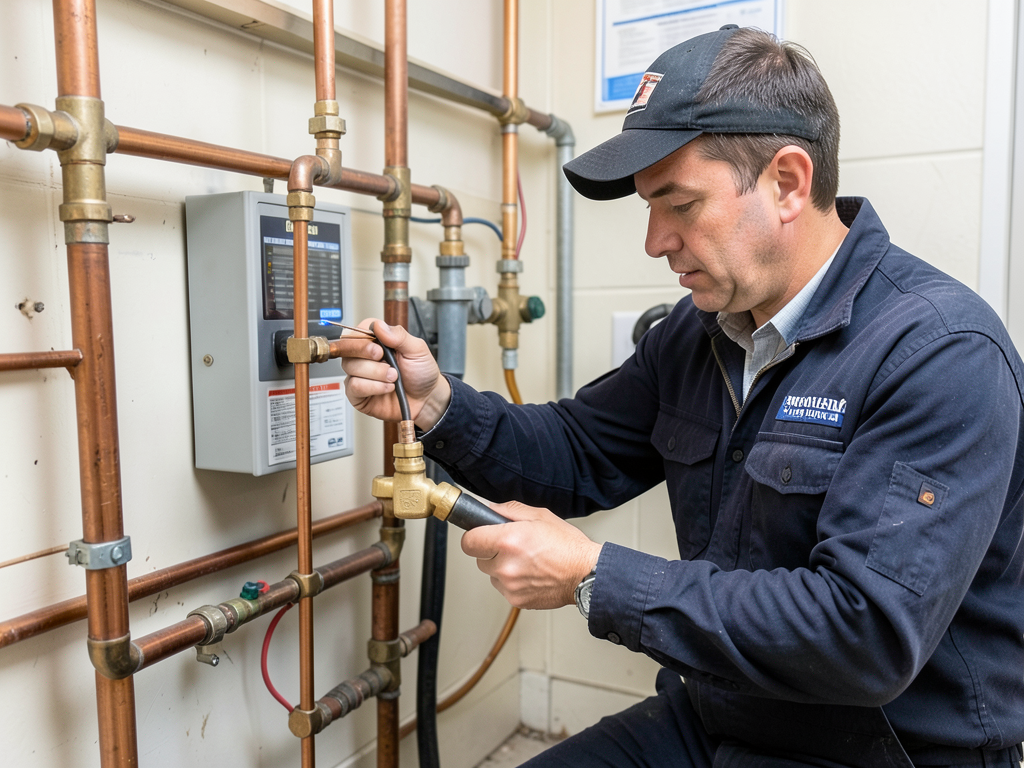
The first step is locating your unit’s main water line. In many University Village condos, this line runs from the building’s main supply through your unit to individual fixtures. The ideal location for a shut off valve is as close to where the main line enters your unit as possible, typically in a utility closet, basement, or mechanical room.
Building codes in Chicago require that any modifications to plumbing systems meet specific standards. The Illinois Plumbing Code mandates that valves be accessible, clearly marked, and capable of withstanding the building’s water pressure. For most University Village condos, this means installing a valve rated for at least 80 PSI, though many buildings operate at higher pressures. Illinois Plumbing Code.
Access is another crucial consideration. Your shut off valve needs to be in a location where you can reach it quickly during an emergency. This might mean installing it in a closet or utility area rather than behind drywall. Some condo associations have specific requirements about where valves can be installed, so checking with your building management before starting work is essential.
Benefits Beyond Emergency Protection
While emergency protection is the primary reason to install a whole house shut off valve, the benefits extend far beyond just preventing floods. Having direct control over your water supply can simplify many aspects of condo maintenance and renovation.. Read more about How to Protect Your Empty Rental Property from Plumbing Disasters in the West Loop.
When you need to replace fixtures like toilets, sinks, or water heaters, you won’t have to coordinate with building maintenance to shut off the entire building’s water supply. This independence can save you time and reduce the complexity of home improvement projects. You can work on your plumbing at your convenience without affecting other residents.
Water conservation is another significant benefit. If you discover a dripping faucet or running toilet, you can quickly shut off water to your entire unit while you address the problem. This prevents wasted water and potential damage while you gather tools or schedule repairs. Over time, this can lead to lower water bills and reduced environmental impact.
For University Village residents who travel frequently, a whole house shut off valve provides peace of mind. You can easily shut off water when leaving for extended periods, eliminating the risk of returning to a flooded unit. This is particularly valuable during Chicago’s winter months when pipes are most vulnerable to freezing.
Cost Factors and Investment Value
The cost of installing a whole house shut off valve varies based on several factors specific to University Village condos. Understanding these variables will help you budget appropriately and recognize the long-term value of this investment.
Valve quality significantly impacts both initial cost and long-term reliability. Brass ball valves from reputable manufacturers typically cost more upfront but offer superior durability and corrosion resistance. Cheaper valves might save money initially but could fail when you need them most, potentially causing more damage than they prevent.
Installation complexity depends on your condo’s plumbing configuration. If your main water line is easily accessible, installation might take just a few hours. However, if pipes run through finished walls or ceilings, the job becomes more complex and expensive. Some installations require cutting into walls or floors to access the main line, adding to labor costs.. Read more about Identifying a Slab Leak in Your Ground Floor Condo in South Loop.
Building permit requirements in Chicago can also affect your project’s cost and timeline. While small plumbing modifications sometimes don’t require permits, installing a main shut off valve often does. Permit fees vary by location and project scope, but they ensure the work meets Chicago’s strict plumbing codes.
Consider this investment in context: the average water damage claim in Chicago exceeds $10,000, and that’s before accounting for the stress and inconvenience of dealing with major flooding. A quality shut off valve installation typically costs between $300 and $800, making it a relatively small price for significant protection.
Maintenance and Testing
Installing a whole house shut off valve is only the first step. Regular maintenance and testing ensure the valve will work when you need it most. Many homeowners make the mistake of installing a valve and never checking it again, only to discover it’s seized or corroded during an actual emergency.
Test your shut off valve every six months by turning it off and on. This simple exercise keeps the internal components lubricated and prevents mineral buildup from causing the valve to stick. If you notice any resistance when turning the valve, it might need lubrication or replacement.
Inspect the valve and surrounding pipes annually for signs of corrosion, leaks, or damage. Look for green or white deposits around connections, which indicate corrosion. Check that the valve handle moves smoothly and that there are no visible water stains on nearby surfaces.
Keep the area around your shut off valve clear and accessible. Don’t store boxes or equipment in front of it, and make sure all household members know where it’s located. Consider labeling the valve clearly so anyone can find and operate it during an emergency.
If you live in an area with particularly hard water, like some parts of Chicago, you might need to replace your valve more frequently. Hard water minerals can accumulate inside valves, eventually preventing them from sealing properly. A quality brass valve will resist this buildup longer than cheaper alternatives.
Emergency Preparedness
Having a whole house shut off valve is only effective if you know how to use it during an emergency. Take time to familiarize yourself with the valve’s location and operation before you need it. This preparation can make the difference between minor water damage and a major flood.
Create an emergency plan that includes your shut off valve. Make sure everyone in your household knows where the valve is located and how to operate it. Post simple instructions near the valve if necessary. During a crisis, clear thinking can be difficult, so having a plan in place is crucial.
Keep emergency contact numbers readily available. This should include your condo association’s emergency line, a trusted plumber, and your insurance company. Having these numbers posted near your shut off valve ensures you can act quickly when seconds count.
Consider keeping basic plumbing tools near your shut off valve. A flashlight, wrench, and bucket can be invaluable during a nighttime emergency. You might also want to keep a few towels or absorbent materials nearby to contain any initial water flow while you reach the valve.
Practice your emergency response. Have family members or roommates practice locating and operating the valve. This practice can reveal any accessibility issues and ensure everyone feels confident acting during a real emergency.
Frequently Asked Questions
Can I install a shut off valve myself in my University Village condo?
While DIY installation is possible for experienced homeowners, condo plumbing often involves shared systems and building codes that require professional expertise. Improper installation could violate building codes or create liability issues. Professional installation ensures the valve meets all Chicago plumbing requirements and doesn’t interfere with the building’s shared systems.
How long does installation typically take?
Most whole house shut off valve installations in University Village condos take between 2 to 4 hours for a professional plumber. This includes locating the main water line, cutting into the pipe, installing the valve, and testing the system. Complex installations involving difficult access or unusual plumbing configurations might take longer.
Will installing a shut off valve affect my water pressure?
A properly installed ball valve should not significantly affect your water pressure. Ball valves have full-bore designs that allow water to flow freely when open. However, if your building has low water pressure to begin with, adding any valve to the system could potentially reduce pressure slightly. A professional plumber can assess your specific situation and recommend the appropriate valve size.
What should I do if my valve starts leaking?
If you notice water leaking from around your shut off valve, turn off the building’s main water supply immediately and contact a professional plumber. Don’t attempt to use a leaking valve, as it could fail completely during an emergency. Most valve leaks occur due to worn seals or corrosion and require professional repair or replacement.
Does my condo association need to approve the installation?
Many University Village condo associations require approval for any modifications to plumbing systems, including shut off valve installations. Check your association’s bylaws or contact the management office before proceeding. Some buildings have specific requirements about where valves can be installed and what types are permitted.
Taking Action to Protect Your Home
Don’t wait for a plumbing emergency to realize you need a whole house shut off valve. The peace of mind and protection this simple device provides is invaluable, especially in Chicago’s challenging climate and aging housing stock. Whether you’re a long-time University Village resident or new to condo living, taking this proactive step can save you from major headaches and expenses.
Ready to install a whole house shut off valve in your University Village condo? Our experienced Chicago plumbers understand the unique challenges of condo plumbing and can ensure your installation meets all local codes and building requirements. We’ll help you choose the right valve for your specific situation and complete the installation quickly and professionally. Top Rated Plumbers for High Rise Condos in the Gold Coast.
Call us today at (773) 514-5111 to schedule your whole house shut off valve installation. Don’t let a plumbing emergency catch you unprepared—take control of your home’s water supply now and enjoy the security that comes with being ready for anything Chicago’s weather might throw at you.
{
“@context”: “https://schema.org”,
“@type”: “BlogPosting”,
“headline”: “Why Your University Village Condo Needs a Whole House Water Shut Off Valve”,
“description”: “Protect your University Village condo from costly water damage. Learn why a whole house shut-off valve is essential for Chicago’s harsh winters and aging plumbing.”,
“wordCount”: 2196,
“datePublished”: “2026-05-30T13:13:00.000Z”,
“dateModified”: “2026-05-30T13:13:00.000Z”,
“inLanguage”: “en-US”,
“mainEntityOfPage”: {
“@type”: “WebPage”,
“@id”: “https://aplusplumbingchicago.com”
},
“publisher”: {
“@type”: “LocalBusiness”,
“name”: “A Plus Plumbing Chicago”,
“url”: “https://aplusplumbingchicago.com”
},
“author”: {
“@type”: “Organization”,
“name”: “A Plus Plumbing Chicago”,
“url”: “https://aplusplumbingchicago.com”
},
“image”: {
“@type”: “ImageObject”,
“url”: “https://aplusplumbingchicago.com/wp-content/uploads/2026/03/why-your-university-village-condo-needs-a-whole-ho-1.png”
}
}
{
“@context”: “https://schema.org”,
“@type”: “Plumber”,
“name”: “A Plus Plumbing Chicago”,
“url”: “https://aplusplumbingchicago.com”,
“address”: {
“@type”: “PostalAddress”,
“addressLocality”: “Chicago”
},
“areaServed”: {
“@type”: “City”,
“name”: “Chicago”
}
}
{
“@context”: “https://schema.org”,
“@type”: “FAQPage”,
“mainEntity”: [
{
“@type”: “Question”,
“name”: “Can I install a shut off valve myself in my University Village condo?”,
“acceptedAnswer”: {
“@type”: “Answer”,
“text”: “While DIY installation is possible for experienced homeowners, condo plumbing often involves shared systems and building codes that require professional expertise. Improper installation could violate building codes or create liability issues. Professional installation ensures the valve meets all Chicago plumbing requirements and doesn’t interfere with the building’s shared systems.”
}
},
{
“@type”: “Question”,
“name”: “How long does installation typically take?”,
“acceptedAnswer”: {
“@type”: “Answer”,
“text”: “Most whole house shut off valve installations in University Village condos take between 2 to 4 hours for a professional plumber. This includes locating the main water line, cutting into the pipe, installing the valve, and testing the system. Complex installations involving difficult access or unusual plumbing configurations might take longer.”
}
},
{
“@type”: “Question”,
“name”: “Will installing a shut off valve affect my water pressure?”,
“acceptedAnswer”: {
“@type”: “Answer”,
“text”: “A properly installed ball valve should not significantly affect your water pressure. Ball valves have full-bore designs that allow water to flow freely when open. However, if your building has low water pressure to begin with, adding any valve to the system could potentially reduce pressure slightly. A professional plumber can assess your specific situation and recommend the appropriate valve size.”
}
},
{
“@type”: “Question”,
“name”: “What should I do if my valve starts leaking?”,
“acceptedAnswer”: {
“@type”: “Answer”,
“text”: “If you notice water leaking from around your shut off valve, turn off the building’s main water supply immediately and contact a professional plumber. Don’t attempt to use a leaking valve, as it could fail completely during an emergency. Most valve leaks occur due to worn seals or corrosion and require professional repair or replacement.”
}
},
{
“@type”: “Question”,
“name”: “Does my condo association need to approve the installation?”,
“acceptedAnswer”: {
“@type”: “Answer”,
“text”: “Many University Village condo associations require approval for any modifications to plumbing systems, including shut off valve installations. Check your association’s bylaws or contact the management office before proceeding. Some buildings have specific requirements about where valves can be installed and what types are permitted.”
}
}
]
}
{
“@context”: “https://schema.org”,
“@type”: “BreadcrumbList”,
“itemListElement”: [
{
“@type”: “ListItem”,
“position”: 1,
“name”: “Home”,
“item”: “https://aplusplumbingchicago.com”
},
{
“@type”: “ListItem”,
“position”: 2,
“name”: “Blog”,
“item”: “https://aplusplumbingchicago.com/blog”
},
{
“@type”: “ListItem”,
“position”: 3,
“name”: “Why Your University Village Condo Needs a Whole House Water Shut Off Valve”
}
]
}
{
“@context”: “https://schema.org”,
“@type”: “Service”,
“serviceType”: “Plumbing”,
“provider”: {
“@type”: “LocalBusiness”,
“name”: “A Plus Plumbing Chicago”,
“url”: “https://aplusplumbingchicago.com”
},
“areaServed”: {
“@type”: “City”,
“name”: “Chicago”
},
“description”: “Protect your University Village condo from costly water damage. Learn why a whole house shut-off valve is essential for Chicago’s harsh winters and aging plumbing.”
}