
The Real Pros and Cons of Epoxy Pipe Lining for Chicago Homeowners
When your home’s plumbing starts failing you face a tough choice. Do you tear into walls and replace everything or try a newer trenchless solution? Epoxy pipe lining has become a popular option for Chicago homeowners dealing with aging galvanized steel or lead pipes. But is it the right choice for your property?
Chicago’s aging infrastructure means many homes built before the 1980s have pipes reaching the end of their lifespan. The city’s extreme freeze-thaw cycles and high clay content soil create unique challenges that affect pipe longevity. Understanding how epoxy lining performs in these conditions helps you make an informed decision. Chicago’s Lead Service Line Replacement Program.
How Epoxy Pipe Lining Works in Chicago Homes
Epoxy pipe lining uses a liquid epoxy resin that gets blown or pulled through existing pipes. The resin coats the interior walls and cures to form a new smooth surface inside your old pipes. This trenchless method means no digging up floors or tearing down walls.
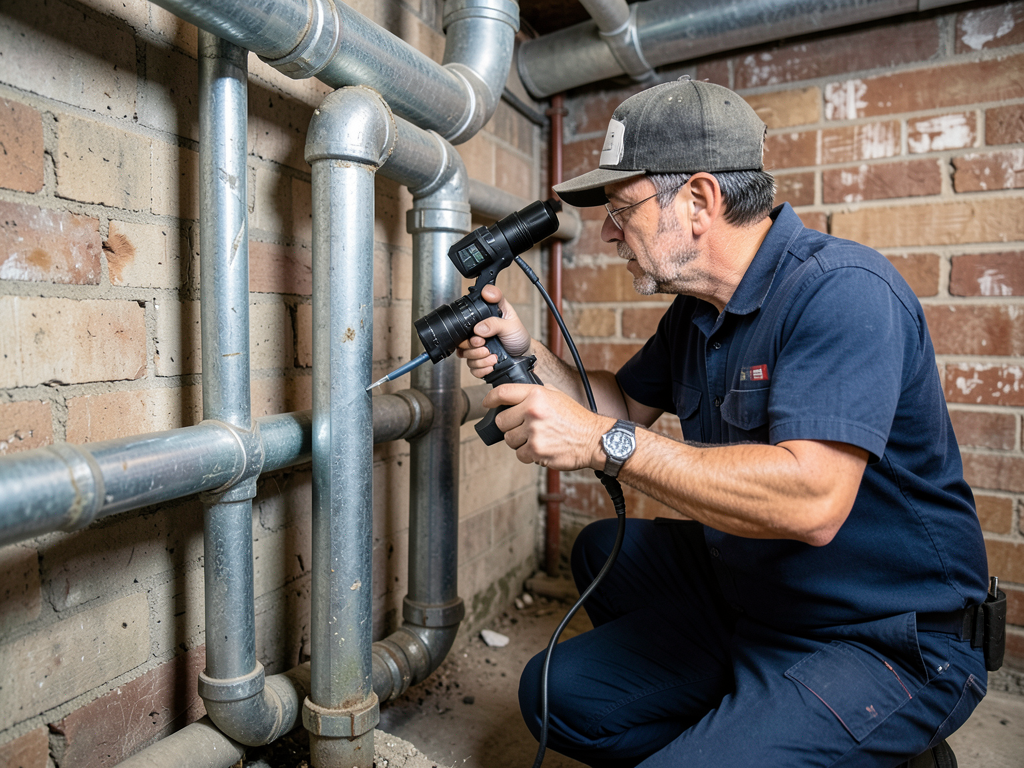
The process starts with cleaning your pipes using hydro-jetting to remove corrosion and buildup. A camera inspection identifies any weak spots that need repair before lining. The epoxy then gets applied and typically cures within 24 hours.
For Chicago homes this matters because many properties have finished basements or historic details that would be expensive to restore after traditional repiping. A bungalow in Logan Square might have original woodwork that would cost thousands to replace if damaged during a repipe.
The Pros of Epoxy Pipe Lining
The biggest advantage is minimal disruption. Lining crews can often complete the work in one or two days without touching your finished surfaces. This means you keep your hardwood floors, tile, and drywall intact.
Cost savings can be significant. While prices vary based on pipe accessibility and home size, lining typically costs 30-40% less than full repiping. For a typical Chicago two-flat this could mean saving $3,000-$5,000.
The new epoxy surface resists corrosion better than metal pipes. Chicago’s water chemistry and soil conditions that accelerate pipe deterioration become less of a factor once the epoxy barrier is in place.
Water pressure often improves after lining. The smooth epoxy surface reduces friction compared to corroded metal pipes. This can be especially noticeable in older buildings where pressure has gradually decreased over years.
The process works well in Chicago’s unique building types. Three-flats and vintage condos with shared plumbing stacks benefit from the minimal demolition required.
The Cons of Epoxy Pipe Lining
Lining isn’t a perfect solution for every situation. If your pipes have severe structural damage or multiple joint failures, lining may not provide adequate reinforcement.
The epoxy coating typically lasts 15-25 years compared to 50+ years for new copper or PEX pipes. While this is often sufficient for homeowners planning to stay 10-15 years, it may not be ideal for long-term property improvements.
Access points matter. If your pipes run through concrete slabs or are otherwise difficult to reach, the lining process becomes more complex and expensive.
Water quality concerns exist for some homeowners. While modern epoxy resins meet NSF/ANSI 61 standards for potable water, some people prefer the certainty of completely new pipes. NSF/ANSI 61 standards for potable water.
Permitting in Chicago can be more complex for lining than traditional repiping. The city’s plumbing code has specific requirements for epoxy applications that add time to the process.
Traditional Repiping: The Alternative
Full repiping involves removing old pipes and installing new copper or PEX piping. This gives you a complete fresh start with pipes that can last 50+ years.
The main advantage is longevity. New pipes eliminate all existing corrosion and provide decades of reliable service. This matters for homeowners planning to stay long-term or pass properties to heirs.
Water quality improves immediately with new pipes. There’s no concern about epoxy materials or existing pipe conditions affecting your drinking water.
Repiping allows upgrading to larger pipe sizes if needed. This can solve chronic low-pressure issues in multi-unit buildings.
However, repiping requires extensive demolition. Walls, ceilings, and floors must be opened to access pipes. Restoration costs can add 30-50% to the base repiping price.
The process typically takes 3-7 days versus 1-2 days for lining. You’ll need to relocate temporarily in many cases due to the extensive work involved.
Chicago-Specific Factors to Consider
Chicago’s lead service line replacement program affects your decision. If your home still has lead pipes connecting to the city main, lining won’t address this critical safety issue. The city offers financial assistance for lead line replacement, making full replacement more attractive.
The city’s high clay content soil causes ground shifting that can stress pipes. Epoxy lining provides a flexible barrier that moves with the ground, potentially offering better performance than rigid new pipes in areas with significant soil movement.
Chicago’s freeze-thaw cycles create pressure fluctuations in pipes. The smooth epoxy surface handles these better than corroded metal pipes that have lost structural integrity.
Historic districts like Wicker Park and Bucktown may have restrictions on visible plumbing modifications. Lining often gets approved more easily than extensive repiping in these areas. Wicker Park Sewer Line Repair Specialists for Older Chicago Homes.
The city’s building code requires specific certifications for epoxy applications. Not all contractors have the necessary training, so verifying credentials becomes crucial.
Cost Comparison for Chicago Properties
Lining costs typically range from $1,500 to $3,500 for a single-family home, depending on pipe accessibility and home size. Multi-unit buildings cost more but often see better per-unit pricing.
Repiping a typical Chicago bungalow costs $4,000 to $8,000, with restoration adding $2,000 to $5,000 more. High-rise condos can cost $10,000 to $20,000 due to access challenges.
Permit fees in Chicago add $200 to $500 to either project. The city requires licensed plumbers for both methods, but lining requires additional certification. Top Rated Plumbers for High Rise Condos in the Gold Coast.
Insurance considerations matter. Some policies offer discounts for updated plumbing systems. New pipes may qualify for larger discounts than lined pipes.
Resale value impacts vary. Buyers in neighborhoods like Lincoln Park and Lakeview often prefer knowing exact pipe ages, making new pipes more attractive despite higher upfront costs.
Making the Right Choice for Your Home
Your decision depends on several factors. Consider how long you plan to own the property. If less than 10 years, lining’s lower cost and minimal disruption often make more sense.
Assess your pipe condition. Lining works best when pipes are structurally sound but corroded. If you have frequent leaks or visible pipe deterioration, replacement becomes more necessary.
Evaluate your budget constraints. Lining’s lower upfront cost helps if you need to address plumbing issues while managing other home improvements.
Consider your home’s character. Historic properties with original finishes often benefit more from lining’s preservation of existing surfaces.
Think about future plans. If you’re planning a major renovation, coordinating repiping with other work can reduce overall disruption and cost.
Check local regulations. Some Chicago neighborhoods have specific requirements for plumbing modifications that could affect your choice.
Professional Assessment Matters
Before deciding, get a professional camera inspection. This reveals your pipes’ actual condition and helps determine if lining is viable.
A qualified plumber can identify issues that affect your choice. Tree root intrusion, severe corrosion, or multiple joint failures may make lining impossible.
Ask about warranty differences. Lining warranties typically cover 10-15 years while new pipe warranties often extend to 25 years or more.
Verify contractor experience with both methods. Some companies only offer one option, creating inherent bias in their recommendations.
Request references for similar Chicago properties. Homes in your neighborhood with comparable age and construction provide the best comparison data.
Understand the timeline implications. Lining’s faster completion means less disruption to your daily life, which may justify slightly higher per-foot costs.
Environmental Considerations
Lining creates less waste than repiping. The process keeps old pipes in place rather than sending them to landfills.
Manufacturing new pipes requires more energy and raw materials than producing epoxy resins. For environmentally conscious homeowners, this can be a deciding factor.
The reduced demolition means less construction debris. This matters in dense Chicago neighborhoods where disposal can be challenging.
Energy efficiency differences exist. New pipes may provide slightly better insulation than lined pipes, potentially affecting water heating costs.
Water conservation benefits both methods equally. Both eliminate leaks and improve flow efficiency compared to failing old pipes.
Common Questions Chicago Homeowners Ask
Will lining affect my water pressure? Most homeowners see improved pressure after lining due to the smooth epoxy surface. However, if your home has pressure issues unrelated to pipe corrosion, lining won’t solve those problems.
How long does the epoxy smell last? The curing process produces minimal odor that typically dissipates within 24-48 hours. Modern epoxy formulations are designed for indoor use with low VOC emissions.
Can lining fix lead service lines? No. Lining only works on pipes inside your home. Lead service lines connecting to the city main require full replacement.
What about warranty coverage? Most lining companies offer 10-15 year warranties covering material defects and installation issues. New pipe warranties often extend to 25 years or more.
Will I need to leave my home during the process? Most lining projects allow you to stay home, though you’ll lose water service for 4-8 hours during application. Repiping often requires temporary relocation due to extensive demolition.
Final Recommendations
Choose epoxy pipe lining if you need a cost-effective solution with minimal disruption and your pipes are structurally sound. This works well for homeowners planning to stay 5-10 years who want to address plumbing issues without major renovations.
Opt for traditional repiping if you want the longest possible lifespan, have severe pipe damage, or plan extensive renovations. This makes sense for long-term owners and those addressing lead service lines.
Consider your specific situation. A historic Wicker Park bungalow with original finishes might benefit more from lining’s preservation benefits. A Beverly home with known lead lines needs full replacement regardless of other factors.
Always get multiple opinions from qualified Chicago plumbers. The right choice depends on your home’s specific conditions, your budget, and your long-term plans. 24 Hour Emergency Plumbers in Lincoln Park for Immediate Help.
Remember that both options solve the immediate problem of failing pipes. The best choice is the one that aligns with your priorities for cost, disruption, and long-term value.
Frequently Asked Questions
Is epoxy pipe lining safe for drinking water?
Yes. Modern epoxy resins meet NSF/ANSI 61 standards for potable water safety. The materials are tested for chemical resistance and don’t leach harmful substances into your water supply.
How long does epoxy pipe lining last in Chicago’s climate?
Most epoxy lining systems last 15-25 years in Chicago. The extreme temperature variations and soil movement can affect longevity, but proper installation helps maximize lifespan.
Can I line pipes myself to save money?
No. Chicago requires licensed plumbers for any pipe lining work. DIY attempts can create dangerous conditions and violate building codes, potentially leading to costly repairs.
Does insurance cover pipe lining or repiping?
Coverage varies by policy. Some insurers offer discounts for updated plumbing systems. Check with your provider about specific coverage for both lining and repiping projects.
How do I know if my pipes can be lined?
A professional camera inspection determines lining viability. Pipes must be structurally sound with no severe joint failures or extensive corrosion that would prevent proper epoxy adhesion.
Take Action on Your Plumbing Issues
Don’t wait for a plumbing emergency to make your decision. If you’re experiencing reduced water pressure, rusty water, or frequent leaks, schedule a professional inspection today. A camera inspection costs far less than emergency repairs and gives you the information needed to choose between lining and repiping.
Call (773) 514-5111 now to schedule your inspection. Our licensed Chicago plumbers will assess your specific situation and provide honest recommendations based on your home’s needs, not our bottom line. We serve all Chicago neighborhoods including Lincoln Park, Lakeview, and surrounding areas.
Early action prevents costly water damage and gives you control over the repair process. Whether you choose epoxy lining or traditional repiping, making an informed decision now saves money and stress later.
You may also find this helpful. How to Stop Tree Roots from Destroying Your Mount Greenwood Sewer Line.
{
“@context”: “https://schema.org”,
“@type”: “BlogPosting”,
“headline”: “The Real Pros and Cons of Epoxy Pipe Lining for Chicago Homeowners”,
“description”: “Discover the truth about epoxy pipe lining vs. repiping for Chicago homes. Learn costs, benefits, and local factors from a 15-year plumbing expert.”,
“wordCount”: 2027,
“datePublished”: “2026-04-19T14:04:00.000Z”,
“dateModified”: “2026-04-19T14:04:00.000Z”,
“inLanguage”: “en-US”,
“mainEntityOfPage”: {
“@type”: “WebPage”,
“@id”: “https://aplusplumbingchicago.com”
},
“publisher”: {
“@type”: “LocalBusiness”,
“name”: “A Plus Plumbing Chicago”,
“url”: “https://aplusplumbingchicago.com”
},
“author”: {
“@type”: “Organization”,
“name”: “A Plus Plumbing Chicago”,
“url”: “https://aplusplumbingchicago.com”
},
“image”: {
“@type”: “ImageObject”,
“url”: “https://aplusplumbingchicago.com/wp-content/uploads/2026/03/the-real-pros-and-cons-of-epoxy-pipe-lining-for-ch-1.png”
}
}
{
“@context”: “https://schema.org”,
“@type”: “Plumber”,
“name”: “A Plus Plumbing Chicago”,
“url”: “https://aplusplumbingchicago.com”,
“address”: {
“@type”: “PostalAddress”,
“addressLocality”: “Chicago”
},
“areaServed”: {
“@type”: “City”,
“name”: “Chicago”
}
}
{
“@context”: “https://schema.org”,
“@type”: “FAQPage”,
“mainEntity”: [
{
“@type”: “Question”,
“name”: “Is epoxy pipe lining safe for drinking water?”,
“acceptedAnswer”: {
“@type”: “Answer”,
“text”: “Yes. Modern epoxy resins meet NSF/ANSI 61 standards for potable water safety. The materials are tested for chemical resistance and don’t leach harmful substances into your water supply.”
}
},
{
“@type”: “Question”,
“name”: “How long does epoxy pipe lining last in Chicago’s climate?”,
“acceptedAnswer”: {
“@type”: “Answer”,
“text”: “Most epoxy lining systems last 15-25 years in Chicago. The extreme temperature variations and soil movement can affect longevity, but proper installation helps maximize lifespan.”
}
},
{
“@type”: “Question”,
“name”: “Can I line pipes myself to save money?”,
“acceptedAnswer”: {
“@type”: “Answer”,
“text”: “No. Chicago requires licensed plumbers for any pipe lining work. DIY attempts can create dangerous conditions and violate building codes, potentially leading to costly repairs.”
}
},
{
“@type”: “Question”,
“name”: “Does insurance cover pipe lining or repiping?”,
“acceptedAnswer”: {
“@type”: “Answer”,
“text”: “Coverage varies by policy. Some insurers offer discounts for updated plumbing systems. Check with your provider about specific coverage for both lining and repiping projects.”
}
},
{
“@type”: “Question”,
“name”: “How do I know if my pipes can be lined?”,
“acceptedAnswer”: {
“@type”: “Answer”,
“text”: “A professional camera inspection determines lining viability. Pipes must be structurally sound with no severe joint failures or extensive corrosion that would prevent proper epoxy adhesion.”
}
}
]
}
{
“@context”: “https://schema.org”,
“@type”: “BreadcrumbList”,
“itemListElement”: [
{
“@type”: “ListItem”,
“position”: 1,
“name”: “Home”,
“item”: “https://aplusplumbingchicago.com”
},
{
“@type”: “ListItem”,
“position”: 2,
“name”: “Blog”,
“item”: “https://aplusplumbingchicago.com/blog”
},
{
“@type”: “ListItem”,
“position”: 3,
“name”: “The Real Pros and Cons of Epoxy Pipe Lining for Chicago Homeowners”
}
]
}
{
“@context”: “https://schema.org”,
“@type”: “Service”,
“serviceType”: “Plumbing”,
“provider”: {
“@type”: “LocalBusiness”,
“name”: “A Plus Plumbing Chicago”,
“url”: “https://aplusplumbingchicago.com”
},
“areaServed”: {
“@type”: “City”,
“name”: “Chicago”
},
“description”: “Discover the truth about epoxy pipe lining vs. repiping for Chicago homes. Learn costs, benefits, and local factors from a 15-year plumbing expert.”
}