
The Key Differences Between a Sump Pump and an Ejector Pump for Chicago Basements
Chicago basements face unique challenges from heavy spring rains and aging sewer systems. Two pumps work to protect your home but serve very different purposes. Understanding which one you have can prevent costly damage and keep your basement dry year-round. Chicago Department of Buildings Plumbing Requirements.
How to Tell Which Pump You Have in 30 Seconds
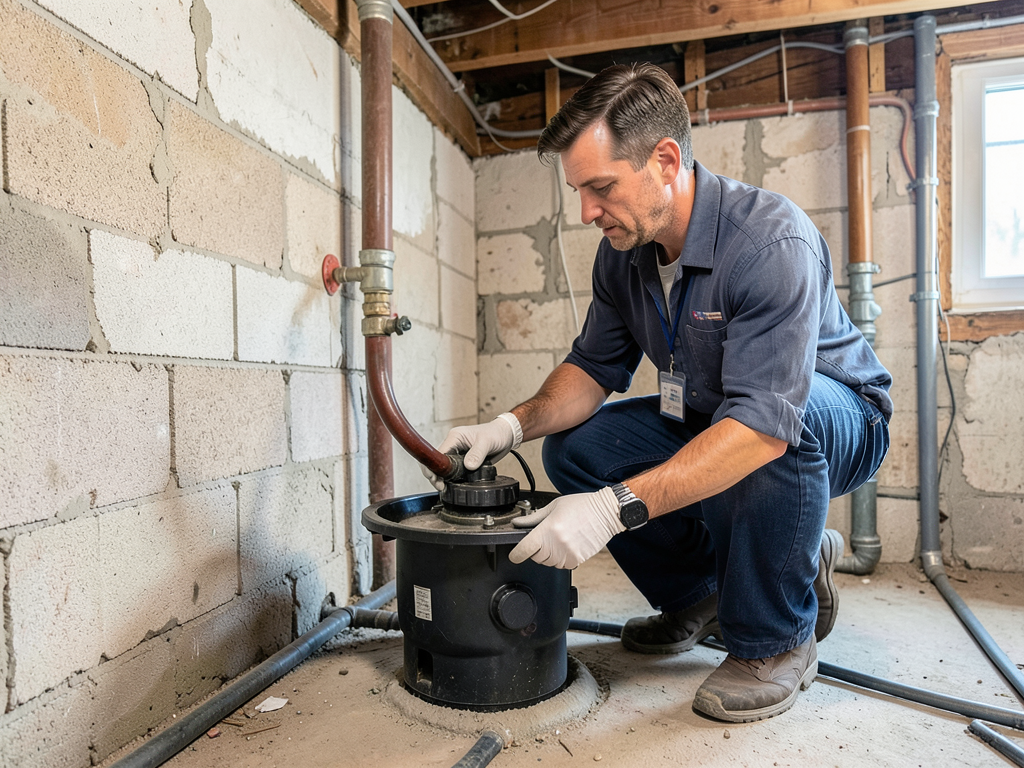
Walk to your basement and look at the pit. If you see a sealed lid with a vent pipe coming out of it and smell nothing unusual you likely have an ejector pump handling sewage. If the lid is open or has a rough concrete edge and you can see water you probably have a sump pump collecting groundwater.
Key Differences Between Sump and Ejector Pumps
Sump pumps protect against flooding by removing clean groundwater that seeps into your basement. Ejector pumps handle dirty water and sewage from basement bathrooms and laundry rooms. The discharge paths differ too sump pumps send water to storm sewers or outside while ejector pumps send waste to sanitary sewer lines. Wicker Park Sewer Line Repair Specialists for Older Chicago Homes.
How a Sump Pump Protects Your Chicago Basement
Chicago’s clay soil and high water table push groundwater toward your foundation. A sump pump sits in a pit below your basement floor collecting this water through perimeter drain tiles. When water reaches a certain level the pump activates and sends it away from your home. Without this system hydrostatic pressure can crack your foundation and flood your basement. Chicago Plumbing Contractors Association.
What is an Ejector Pump (Sewage Pump) and Why You Need One
Basement bathrooms and laundry rooms sit below the main sewer line elevation. Gravity cannot move waste uphill to the city sewer. An ejector pump grinds waste and pushes it through a discharge pipe to the sanitary sewer. These pumps handle toilet paper human waste and dirty water from showers and washing machines.
Chicago building codes require sealed basins for ejector pumps to prevent sewer gases from entering your home. The sealed lid also contains odors and prevents objects from falling into the pit. You will notice a vent pipe connecting to your home’s plumbing vent system. Chicago Stormwater Management Guidelines.
Technical Comparison: Pipe Size Horsepower and Discharge
Sump pumps typically use 1.5-inch discharge pipes since they move clean water. Ejector pumps need 2-inch or larger pipes to handle solids and prevent clogs. Sump pumps range from 1/4 to 1/2 horsepower while ejector pumps often need 1/2 to 3/4 horsepower to grind waste and overcome discharge height.
Chicago Plumbing Codes: Compliance and Installation Requirements
Chicago Department of Buildings requires specific installations for both pump types. Sump pumps must discharge at least 5 feet from your foundation and cannot connect to sanitary sewers. Ejector pumps need sealed basins with proper venting and backflow prevention valves. Permits and inspections ensure compliance with local codes.
Maintenance Tips for Chicago’s Heavy Rain Seasons
Test your sump pump monthly by pouring water into the pit. Listen for the pump to activate and verify water discharges properly. Clean the inlet screen and check the discharge pipe for clogs. For ejector pumps avoid flushing anything other than toilet paper and human waste. Schedule annual professional inspections before spring rains begin.
Emergency Scenarios: What Happens When Pumps Fail
A failed sump pump during a spring thunderstorm can flood your basement with hundreds of gallons of water. Water damage to drywall flooring and stored items costs thousands to repair. A failed ejector pump creates an immediate health hazard with sewage backing up into basement fixtures. Both situations require emergency service to prevent further damage. 24 Hour Emergency Plumbers in Lincoln Park for Immediate Help.
Cost Analysis: Installation and Replacement in Chicagoland
Basic sump pump installation costs $1,200 to $2,500 including the pit and discharge line. Ejector pump systems run $2,500 to $4,500 due to sealed basins and complex plumbing connections. Replacement pumps cost $400 to $800 for sump units and $600 to $1,200 for ejector pumps. Battery backup systems add $500 to $1,200 but provide critical protection during power outages.
Comparison Table: Sump Pump vs Ejector Pump Features
| Feature | Sump Pump | Ejector Pump |
|---|---|---|
| Water Type | Clean groundwater | Sewage and gray water |
| Discharge Pipe | 1.5 inches | 2+ inches |
| Lid Type | Open or rough concrete | Sealed with vent |
| Horsepower | 1/4 to 1/2 HP | 1/2 to 3/4 HP |
| Discharge Location | Storm sewer or outside | Sanitary sewer line |
| Lifespan | 7-10 years | 7-10 years |
| Odor | None | Must be sealed |
Common Problems and Solutions
- Sump pump runs constantly: Check for stuck float switch or high water table
- Ejector pump clogs: Only flush toilet paper and human waste
- Power outages: Install battery backup systems
- Freezing discharge pipes: Insulate pipes and ensure proper slope
- Strange noises: Schedule professional inspection immediately
Frequently Asked Questions
Can I use a sump pump for my basement bathroom?
No. Sump pumps cannot handle solid waste or toilet paper. Using one for sewage will cause immediate clogs and system failure. You need a proper ejector pump designed for waste handling.
How do I know if my ejector pump is failing?
Slow draining fixtures gurgling sounds from drains sewage odors or water backing up into basement fixtures indicate ejector pump problems. The sealed basin prevents odors when working properly.
Do I need both pumps in my Chicago basement?
Many Chicago basements need both. A sump pump handles groundwater while an ejector pump handles basement bathroom and laundry waste. Homes without basement plumbing only need a sump pump.
How long do these pumps typically last?
Both pump types last 7-10 years with proper maintenance. Chicago’s freeze-thaw cycles and heavy rains can shorten lifespan. Annual inspections help identify wear before failure occurs.
Professional Installation and Service
Proper pump installation requires knowledge of Chicago building codes soil conditions and local climate challenges. Professional plumbers ensure correct pit depth proper discharge routing and code-compliant venting. They also install check valves to prevent backflow and provide warranty protection. Top Rated Plumbers for High Rise Condos in the Gold Coast.
Protecting Your Investment
Chicago’s weather patterns create unique demands on basement drainage systems. Spring rains can overwhelm undersized pumps while winter freezes can damage discharge lines. Quality installation and regular maintenance protect your home from water damage that can cost thousands to repair.
Take Action Today
Don’t wait for a flooded basement or sewage backup to discover pump problems. Schedule a professional inspection to identify your pump type and assess its condition. Our licensed plumbers understand Chicago’s specific requirements and can recommend the right solution for your home.
Call (773) 514-5111 now to schedule your basement pump inspection. Protect your home before the next storm hits.
Don’t let pump failure damage your home. Call today for expert service you can trust.
{
“@context”: “https://schema.org”,
“@type”: “BlogPosting”,
“headline”: “The Key Differences Between a Sump Pump and an Ejector Pump for Chicago Basements”,
“description”: “Learn the key differences between sump pumps and ejector pumps for Chicago basements. Protect your home from flooding and sewage backups with expert guidance.”,
“wordCount”: 1140,
“datePublished”: “2026-03-28T07:30:00.000Z”,
“dateModified”: “2026-03-28T07:30:00.000Z”,
“inLanguage”: “en-US”,
“mainEntityOfPage”: {
“@type”: “WebPage”,
“@id”: “https://aplusplumbingchicago.com”
},
“publisher”: {
“@type”: “LocalBusiness”,
“name”: “A Plus Plumbing Chicago”,
“url”: “https://aplusplumbingchicago.com”
},
“author”: {
“@type”: “Organization”,
“name”: “A Plus Plumbing Chicago”,
“url”: “https://aplusplumbingchicago.com”
},
“image”: {
“@type”: “ImageObject”,
“url”: “https://aplusplumbingchicago.com/wp-content/uploads/2026/03/the-key-differences-between-a-sump-pump-and-an-eje-1.png”
}
}
{
“@context”: “https://schema.org”,
“@type”: “Plumber”,
“name”: “A Plus Plumbing Chicago”,
“url”: “https://aplusplumbingchicago.com”,
“address”: {
“@type”: “PostalAddress”,
“addressLocality”: “Chicago”
},
“areaServed”: {
“@type”: “City”,
“name”: “Chicago”
}
}
{
“@context”: “https://schema.org”,
“@type”: “FAQPage”,
“mainEntity”: [
{
“@type”: “Question”,
“name”: “Can I use a sump pump for my basement bathroom?”,
“acceptedAnswer”: {
“@type”: “Answer”,
“text”: “No. Sump pumps cannot handle solid waste or toilet paper. Using one for sewage will cause immediate clogs and system failure. You need a proper ejector pump designed for waste handling.”
}
},
{
“@type”: “Question”,
“name”: “How do I know if my ejector pump is failing?”,
“acceptedAnswer”: {
“@type”: “Answer”,
“text”: “Slow draining fixtures gurgling sounds from drains sewage odors or water backing up into basement fixtures indicate ejector pump problems. The sealed basin prevents odors when working properly.”
}
},
{
“@type”: “Question”,
“name”: “Do I need both pumps in my Chicago basement?”,
“acceptedAnswer”: {
“@type”: “Answer”,
“text”: “Many Chicago basements need both. A sump pump handles groundwater while an ejector pump handles basement bathroom and laundry waste. Homes without basement plumbing only need a sump pump.”
}
},
{
“@type”: “Question”,
“name”: “How long do these pumps typically last?”,
“acceptedAnswer”: {
“@type”: “Answer”,
“text”: “Both pump types last 7-10 years with proper maintenance. Chicago’s freeze-thaw cycles and heavy rains can shorten lifespan. Annual inspections help identify wear before failure occurs.”
}
}
]
}
{
“@context”: “https://schema.org”,
“@type”: “BreadcrumbList”,
“itemListElement”: [
{
“@type”: “ListItem”,
“position”: 1,
“name”: “Home”,
“item”: “https://aplusplumbingchicago.com”
},
{
“@type”: “ListItem”,
“position”: 2,
“name”: “Blog”,
“item”: “https://aplusplumbingchicago.com/blog”
},
{
“@type”: “ListItem”,
“position”: 3,
“name”: “The Key Differences Between a Sump Pump and an Ejector Pump for Chicago Basements”
}
]
}
{
“@context”: “https://schema.org”,
“@type”: “Service”,
“serviceType”: “Plumbing”,
“provider”: {
“@type”: “LocalBusiness”,
“name”: “A Plus Plumbing Chicago”,
“url”: “https://aplusplumbingchicago.com”
},
“areaServed”: {
“@type”: “City”,
“name”: “Chicago”
},
“description”: “Learn the key differences between sump pumps and ejector pumps for Chicago basements. Protect your home from flooding and sewage backups with expert guidance.”
}