

Safe and Certified Gas Line Installation for Pilsen Kitchen Remodels
Kitchen remodels in Pilsen’s historic brick bungalows and worker cottages require more than a new countertop and cabinets. When your project involves moving or upgrading a gas stove you need a licensed plumber who understands Chicago’s strict Fuel Gas Code and the unique challenges of retrofitting gas lines in century-old structures.
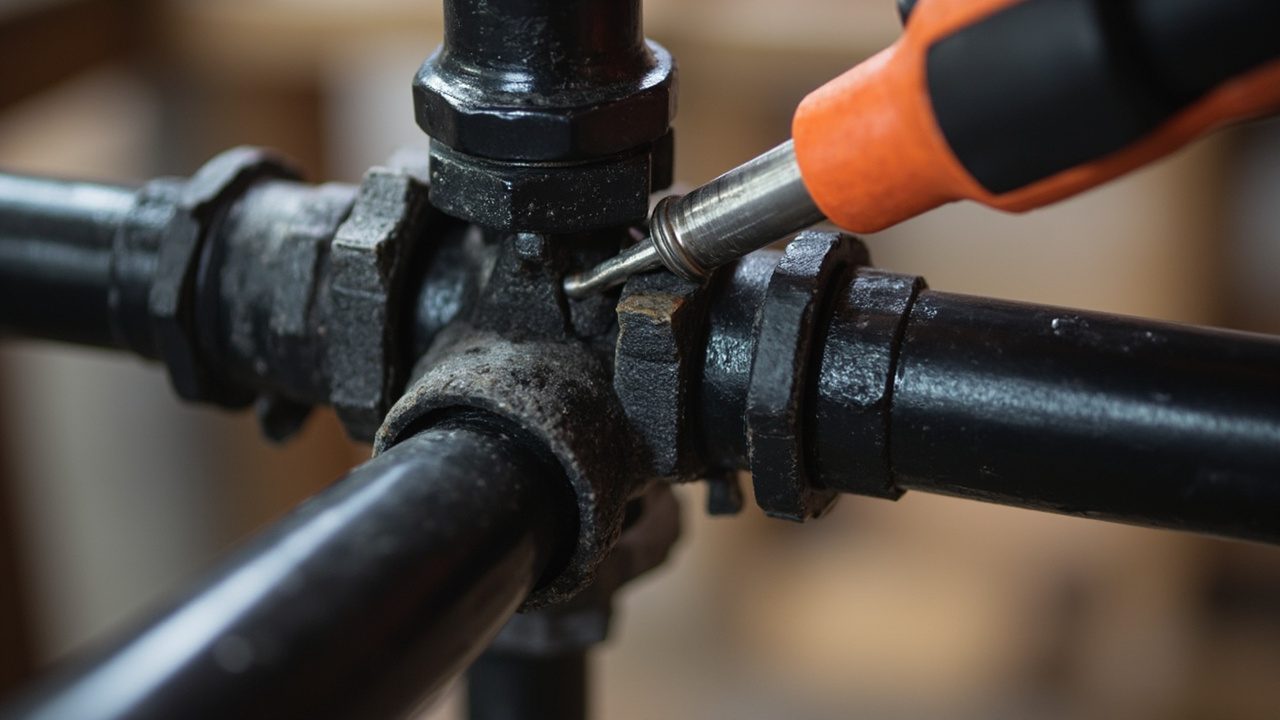
Older Pilsen homes built before the 1940s often have hidden gas line issues. Original black iron pipes may be corroded, joints may have loosened over decades, and the existing lines might not meet current BTU requirements for modern appliances. Adding a high-output commercial-style range or relocating the stove to an island layout means calculating proper pipe sizing, pressure drops, and venting clearances that only a certified professional should handle.
People’s Gas requires a licensed plumber to pull permits before any new gas line installation. The process includes pressure testing, inspection by the City of Chicago Department of Buildings, and coordination with the utility for meter upgrades if your new appliances demand more capacity. Skipping these steps isn’t just illegal—it’s dangerous. City of Chicago Building Permits.
Common Gas Line Projects We Handle in Pilsen
- Kitchen stove relocations within existing footprint
- New gas line runs for island cooktops
- High-BTU commercial range installations
- Gas line extensions to outdoor grills or fire pits
- Replacement of corroded black iron with CSST (Corrugated Stainless Steel Tubing)
- Meter upgrades for increased gas demand
CSST vs. Black Iron Pipe: What Works Best in Pilsen Homes
Choosing the right material depends on your home’s construction and the scope of work. Black iron pipe has been the Chicago standard for over a century. It’s durable and approved for all interior gas lines, but installation requires threading and precise fitting—challenging in tight crawl spaces common to Pilsen’s older foundations.
CSST offers flexibility for complex routes. The corrugated stainless steel tubing bends around obstacles without joints, reducing potential leak points. However, CSST must be properly bonded to prevent damage from electrical surges—a critical step often overlooked by inexperienced installers. In Pilsen’s mixed-use buildings where electrical systems may be outdated, proper bonding is non-negotiable.
Material comparison for typical Pilsen kitchen remodels:
| Material | Best For | Installation Time | Cost Factor |
|---|---|---|---|
| Black Iron Pipe | Straight runs, exposed applications | 4-6 hours per line | $$ |
| CSST | Complex routes, tight spaces | 2-3 hours per line | $$ |
| Copper Tubing | Refrigerant lines (not gas) | N/A for gas | N/A |
Our Process: Safety and Chicago Code Compliance
Every gas line installation follows a strict protocol to protect your family and meet city requirements. We start with a site assessment to evaluate existing infrastructure, calculate BTU demands, and identify potential obstacles in your Pilsen home’s unique layout.
Permit acquisition comes next. Chicago requires a plumbing permit for all gas line work, which involves submitting detailed plans showing pipe routing, sizing calculations, and shut-off valve locations. The Department of Buildings reviews these plans to ensure compliance with the Chicago Fuel Gas Code, which is more stringent than national standards.
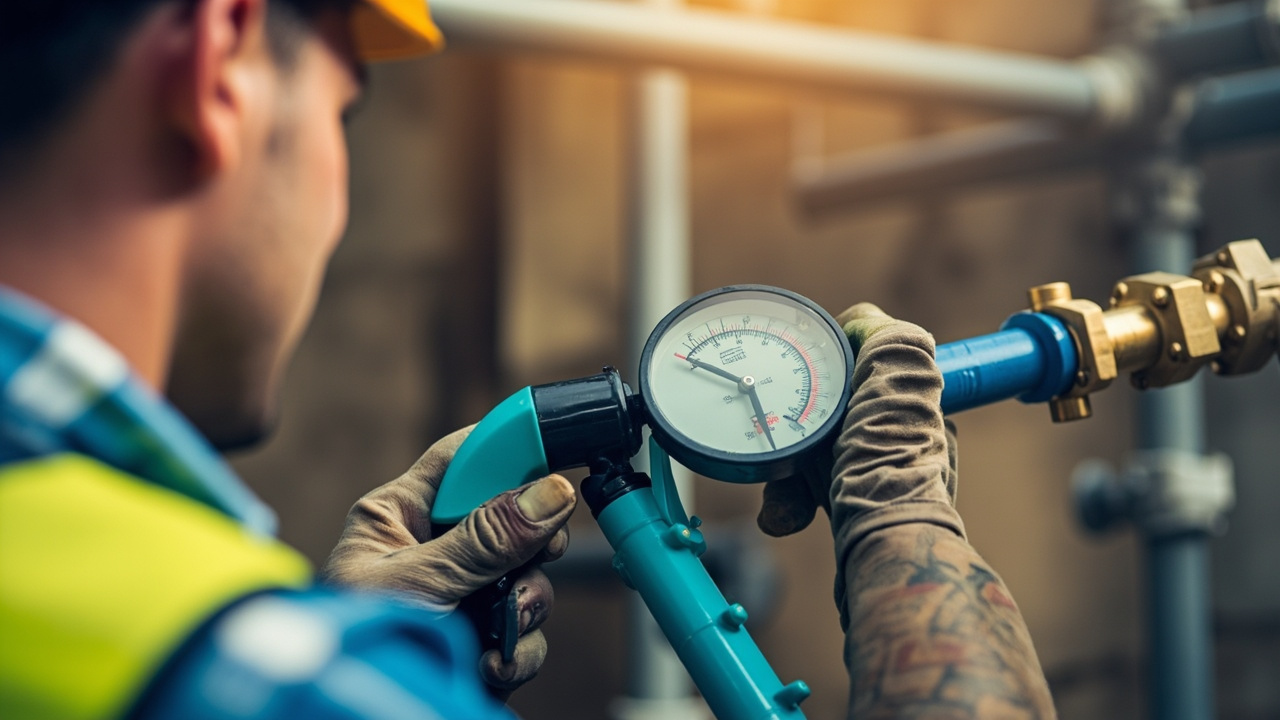
Installation day includes pressure testing at 1.5 times the maximum working pressure. We use a manometer to verify the system holds pressure for the required duration. Any drop indicates a leak that must be located and repaired before proceeding. This step alone prevents countless potential hazards.
Final inspection by the city ensures your installation meets all safety requirements. We coordinate this inspection and handle any required adjustments. Only after passing inspection do we coordinate with People’s Gas for meter activation or upgrades. People’s Gas Chicago.
Why Pilsen Residents Trust Us for Gas Line Work
Pilsen’s historic housing stock presents specific challenges. Many homes have settled over the past century, creating uneven floors and walls that complicate straight pipe runs. Original gas lines may be buried in plaster walls that crumble if disturbed improperly. Our team has experience working in these delicate environments without damaging irreplaceable architectural details.
We understand the permit process inside and out. Chicago’s requirements for gas lines differ significantly from suburban Cook County. We handle all paperwork, coordinate inspections, and ensure your project moves forward without costly delays. Our relationships with local inspectors mean we know exactly what they look for during final checks.
Emergency response capability matters in gas line work. If we discover a hazardous condition during a kitchen remodel—like a corroded line or improper shut-off valve—we can immediately implement safe temporary measures while planning permanent repairs. Gas line emergencies don’t wait for business hours. 24 Hour Emergency Plumbers in Lincoln Park for Immediate Help.
Emergency Gas Leak Detection and Repair
Gas leaks require immediate action. If you smell rotten eggs or hear hissing near gas lines, evacuate immediately. Do not operate any electrical switches or use your phone inside the building. Once outside, call People’s Gas emergency line and then contact us for professional assessment.
Common gas leak indicators include dead vegetation near buried lines, unexplained increases in gas bills, or pilot lights that won’t stay lit. We use electronic leak detectors that can pinpoint even tiny leaks in your system. Our repair process includes pressure testing after every repair to verify the fix.
For Pilsen’s multi-unit buildings, we understand the added complexity of shared gas meters and common lines. Shut-off valve accessibility becomes critical in emergency situations. We ensure all valves are properly labeled and accessible, meeting both code requirements and practical safety needs.
Permit Process and City Requirements
Chicago’s permit process for gas lines involves several steps. First, we pull a plumbing permit from the Department of Buildings, which requires detailed drawings showing pipe sizing, material specifications, and shut-off valve locations. The city reviews these plans against the Chicago Plumbing Code and Fuel Gas Code.
Once permits are approved, we can begin work. During installation, we maintain detailed logs of pressure tests and inspections. After completion, the city conducts a final inspection. Only after passing this inspection can People’s Gas activate or upgrade your service.
Permit costs vary based on project scope but typically range from $150 to $500 for residential gas line work. The investment protects you from fines and ensures your installation meets safety standards. Attempting work without permits can result in stop-work orders, failed inspections, and the need to tear out and redo completed work.
Cost Factors for Gas Line Installation in Pilsen
Several factors influence gas line installation costs in Pilsen’s historic homes. Wall construction plays a major role—brick or plaster walls require specialized cutting tools and repair techniques. Ceiling height affects ladder time and material handling. Crawl space access impacts labor hours significantly.
Appliance requirements drive pipe sizing. A standard 30-inch gas range might need a 1/2-inch line, while a 48-inch commercial range could require 3/4-inch or larger. BTU calculations determine pipe diameter to ensure adequate gas flow without pressure drops that affect appliance performance.
Distance from the gas meter affects both material costs and labor. Longer runs require more fittings and increase the chance of pressure drops. Each fitting represents a potential leak point, so we minimize fittings through careful planning and routing.
Permit and inspection fees add to the total cost but are mandatory. We include these in our quotes so you know the complete investment upfront. No hidden fees, no surprise city requirements discovered mid-project.
Safety Features We Always Include
Every gas line installation includes specific safety features required by code and recommended by industry best practices. Automatic shut-off valves protect against catastrophic failures. Excess flow valves stop gas flow if a line ruptures. Earthquake valves provide similar protection in seismic events.
Proper venting prevents dangerous gas accumulation. We ensure all gas appliances have adequate combustion air and proper venting to the outside. This becomes critical in Pilsen’s tightly sealed modern remodels where older homes had more natural air infiltration.
Carbon monoxide detectors are mandatory for all homes with gas appliances. We test existing detectors during our assessment and recommend replacements if they’re outdated. Some installations require additional detectors based on appliance locations and home layout.
Frequently Asked Questions
How long does a typical kitchen gas line installation take?
Most kitchen gas line installations in Pilsen homes take 1-2 days. This includes permit acquisition, installation, pressure testing, and city inspection. Complex projects involving meter upgrades or extensive rerouting may take 3-4 days.
Can I use my existing gas line for a new stove?
Existing lines may work if they meet current BTU requirements and are in good condition. We test pressure and inspect for corrosion before making that determination. Many older lines need replacement to handle modern appliance demands.
What happens if my installation fails city inspection?
We correct any deficiencies and request re-inspection at no additional cost to you. Our thorough initial planning and code-compliant installation mean inspection failures are rare, but we stand behind our work completely.
Do I need to be home during installation?
You don’t need to be present the entire time, but we require someone to be available for questions and to grant access. We keep you informed throughout the process and can coordinate around your schedule.
How do I know if my gas line is leaking?
Signs include the smell of rotten eggs, hissing sounds near pipes, dead vegetation near buried lines, or unexplained increases in gas bills. If you suspect a leak, evacuate and call emergency services immediately.

Get Your Pilsen Kitchen Remodel Started Safely
Gas line work isn’t a DIY project or a job for unlicensed handymen. Your family’s safety and your home’s integrity depend on proper installation by certified professionals who understand Chicago’s specific requirements.
We offer free consultations to assess your kitchen remodel plans and provide detailed quotes including all permit costs. Our team arrives on time, protects your home during work, and cleans thoroughly when finished. We treat your Pilsen home with the same care we’d give our own historic property.
Ready to move forward with your kitchen remodel? Call us today at (773) 514-5111 to schedule your free consultation. We’ll evaluate your gas line needs, explain your options clearly, and provide a detailed timeline and quote. Your safe, code-compliant kitchen remodel starts with a single phone call.
{
“@context”: “https://schema.org”,
“@type”: “BlogPosting”,
“headline”: “Safe and Certified Gas Line Installation for Pilsen Kitchen Remodels”,
“description”: “Expert gas line installation in Pilsen, Chicago. Licensed plumbers handle vintage bungalow retrofits, Peoples Gas coordination, and Chicago code compliance.”,
“wordCount”: 1673,
“datePublished”: “2026-03-07T15:41:00.000Z”,
“dateModified”: “2026-03-07T15:41:00.000Z”,
“inLanguage”: “en-US”,
“mainEntityOfPage”: {
“@type”: “WebPage”,
“@id”: “https://aplusplumbingchicago.com”
},
“publisher”: {
“@type”: “LocalBusiness”,
“name”: “A Plus Plumbing Chicago”,
“url”: “https://aplusplumbingchicago.com”
},
“author”: {
“@type”: “Organization”,
“name”: “A Plus Plumbing Chicago”,
“url”: “https://aplusplumbingchicago.com”
},
“image”: {
“@type”: “ImageObject”,
“url”: “https://aplusplumbingchicago.com/wp-content/uploads/2026/03/safe-and-certified-gas-line-installation-for-pilse-1.jpg”
}
}
{
“@context”: “https://schema.org”,
“@type”: “Plumber”,
“name”: “A Plus Plumbing Chicago”,
“url”: “https://aplusplumbingchicago.com”,
“address”: {
“@type”: “PostalAddress”,
“addressLocality”: “Chicago”
},
“areaServed”: {
“@type”: “City”,
“name”: “Chicago”
}
}
{
“@context”: “https://schema.org”,
“@type”: “FAQPage”,
“mainEntity”: [
{
“@type”: “Question”,
“name”: “How long does a typical kitchen gas line installation take?”,
“acceptedAnswer”: {
“@type”: “Answer”,
“text”: “Most kitchen gas line installations in Pilsen homes take 1-2 days. This includes permit acquisition, installation, pressure testing, and city inspection. Complex projects involving meter upgrades or extensive rerouting may take 3-4 days.”
}
},
{
“@type”: “Question”,
“name”: “Can I use my existing gas line for a new stove?”,
“acceptedAnswer”: {
“@type”: “Answer”,
“text”: “Existing lines may work if they meet current BTU requirements and are in good condition. We test pressure and inspect for corrosion before making that determination. Many older lines need replacement to handle modern appliance demands.”
}
},
{
“@type”: “Question”,
“name”: “What happens if my installation fails city inspection?”,
“acceptedAnswer”: {
“@type”: “Answer”,
“text”: “We correct any deficiencies and request re-inspection at no additional cost to you. Our thorough initial planning and code-compliant installation mean inspection failures are rare, but we stand behind our work completely.”
}
},
{
“@type”: “Question”,
“name”: “Do I need to be home during installation?”,
“acceptedAnswer”: {
“@type”: “Answer”,
“text”: “You don’t need to be present the entire time, but we require someone to be available for questions and to grant access. We keep you informed throughout the process and can coordinate around your schedule.”
}
},
{
“@type”: “Question”,
“name”: “How do I know if my gas line is leaking?”,
“acceptedAnswer”: {
“@type”: “Answer”,
“text”: “Signs include the smell of rotten eggs, hissing sounds near pipes, dead vegetation near buried lines, or unexplained increases in gas bills. If you suspect a leak, evacuate and call emergency services immediately.”
}
}
]
}
{
“@context”: “https://schema.org”,
“@type”: “BreadcrumbList”,
“itemListElement”: [
{
“@type”: “ListItem”,
“position”: 1,
“name”: “Home”,
“item”: “https://aplusplumbingchicago.com”
},
{
“@type”: “ListItem”,
“position”: 2,
“name”: “Blog”,
“item”: “https://aplusplumbingchicago.com/blog”
},
{
“@type”: “ListItem”,
“position”: 3,
“name”: “Safe and Certified Gas Line Installation for Pilsen Kitchen Remodels”
}
]
}
{
“@context”: “https://schema.org”,
“@type”: “Service”,
“serviceType”: “Plumbing”,
“provider”: {
“@type”: “LocalBusiness”,
“name”: “A Plus Plumbing Chicago”,
“url”: “https://aplusplumbingchicago.com”
},
“areaServed”: {
“@type”: “City”,
“name”: “Chicago”
},
“description”: “Expert gas line installation in Pilsen, Chicago. Licensed plumbers handle vintage bungalow retrofits, Peoples Gas coordination, and Chicago code compliance.”
}