
Preserving the Historic Plumbing in Your Pullman District Rowhouse
Living in a Pullman District rowhouse means owning a piece of Chicago history. These brick homes built in the 1880s feature innovative plumbing systems that were ahead of their time. Today, maintaining these historic systems requires specialized knowledge of both 19th-century construction methods and modern plumbing codes. Pullman National Historical Park.
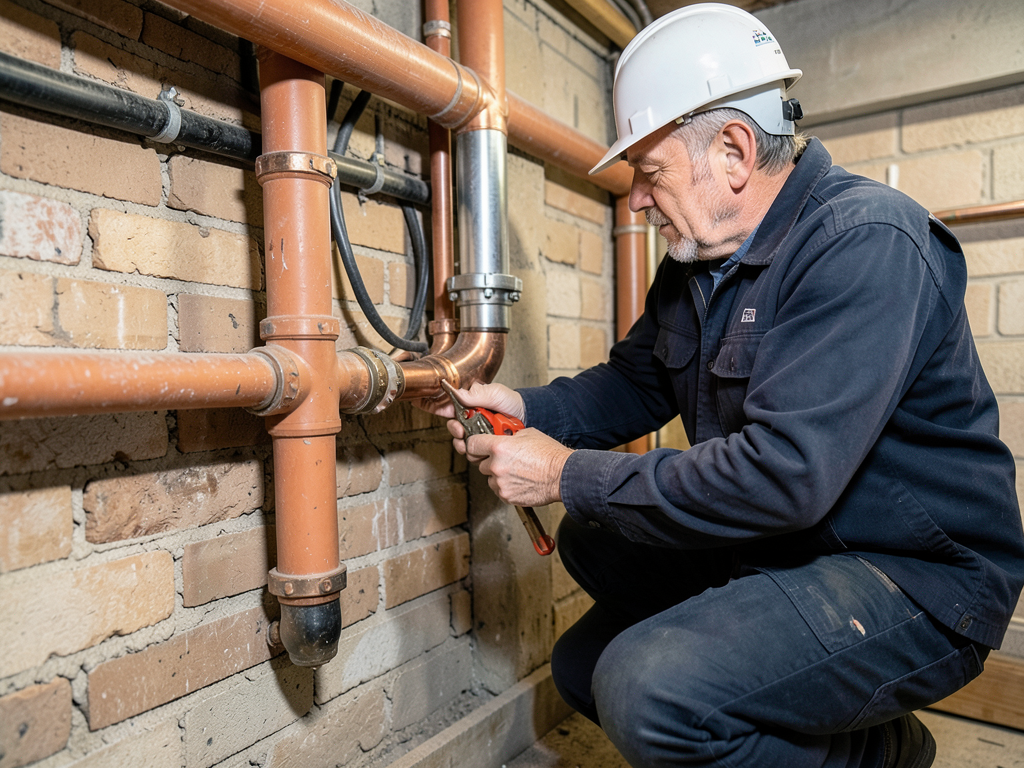
The Original Pullman Plumbing Innovation
George Pullman’s planned community featured one of the first separate sewer systems in the country. Architect Solon S. Beman designed each rowhouse with indoor plumbing that connected to a dedicated sewage farm. This system included lead service lines, cast iron stacks, and terra cotta sewer laterals. Wicker Park Sewer Line Repair Specialists for Older Chicago Homes.
The original plumbing used lead pipes for water service because they were malleable and easy to work with. Cast iron provided durability for waste stacks. Terra cotta pipes handled the underground sewer lines. These materials have lasted over 140 years but now require careful attention.
Common Plumbing Issues in Historic Pullman Homes
Lead service line replacement represents the most urgent concern for Pullman homeowners. The EPA classifies lead as a health hazard especially for children. Current regulations require replacing lead service lines when they are discovered during repairs or renovations.
Terra cotta sewer laterals frequently crack or collapse due to soil movement and tree root intrusion. These clay pipes cannot flex like modern PVC. When they fail, sewage backs up into basements creating health hazards and property damage.
Cast iron stacks corrode from the inside out. The original pipes had thinner walls than modern versions. After decades of use, they develop pinhole leaks or complete failures. These stacks run vertically through the house making repairs complex.
Navigating Historic Preservation Requirements
The Pullman National Historical Park and Chicago Landmarks Commission regulate exterior changes to these homes. Any visible plumbing work requires approval to maintain the district’s historic character. This includes replacing lead service lines or upgrading sewer connections.
Interior plumbing updates have more flexibility but still must follow preservation guidelines. You can replace interior piping with modern materials while keeping original fixtures. This approach maintains functionality without compromising historic value.
Working with a plumber who understands these requirements prevents costly mistakes. They know which materials and methods satisfy both modern codes and preservation standards. This expertise saves time and avoids fines or forced removal of non-compliant work.
Lead Service Line Replacement Process
Replacing lead service lines requires coordination with the City of Chicago Department of Water Management. The process starts with locating the lead pipe from the water main to your home. This usually runs under the sidewalk or front yard. City of Chicago Lead Service Line Replacement Program.
The replacement involves excavating to expose both ends of the pipe. The new copper service line connects to the existing water main and runs into your basement. This work must maintain water service to avoid inconveniencing neighbors.. Read more about The Danger of Mixing Copper and Galvanized Pipes in Your Archer Heights Home.
Cost factors include permit fees, excavation depth, and sidewalk restoration. Most replacements take 2-3 days depending on weather and underground conditions. The city may offer rebates for lead service line replacement through their Lead Service Line Replacement program.
Terra Cotta Sewer Lateral Replacement Options
Traditional replacement requires digging a trench from your house to the main sewer line. This method provides complete access but disrupts landscaping and driveways. Modern trenchless methods offer less invasive alternatives.
Pipe bursting breaks the old terra cotta while pulling a new pipe through the same path. This method works well for straight runs but cannot navigate sharp bends. Pipe lining creates a new pipe inside the old one using epoxy resin.
The best method depends on your specific situation. Factors include pipe depth, tree locations, and the extent of damage. A camera inspection reveals the pipe’s condition and helps determine the most cost-effective approach.
Cast Iron Stack Repair and Replacement
Cast iron stacks develop problems from both age and Chicago’s freeze-thaw cycles. The constant expansion and contraction stresses the joints and accelerates corrosion. Signs of trouble include water stains on walls, slow drains, or sewage odors.
Spot repairs work for localized damage but may not address systemic issues. Full stack replacement ensures long-term reliability but requires significant demolition. The choice depends on the stack’s overall condition and your renovation plans.
Modern PVC stacks offer advantages over cast iron. They resist corrosion, weigh less, and cost less to install. However, they may not meet historic preservation requirements for visible installations. The trade-off between function and authenticity guides this decision.
Preserving Original Fixtures
Many Pullman homes retain original clawfoot tubs, pedestal sinks, and brass fixtures. These pieces add character and historic value. However, they often have outdated plumbing connections and may leak or waste water.
Professional restoration can update these fixtures while preserving their appearance. This includes replacing internal valves, resealing joints, and adding water-saving aerators. The result maintains the vintage look with modern performance.
Some homeowners choose to keep original fixtures as decorative elements while installing modern plumbing behind the walls. This approach provides the best of both worlds: historic charm with reliable function.
Modern Upgrades That Preserve History
Several plumbing upgrades work well in historic homes without compromising their character. PEX piping offers flexibility for retrofitting without major demolition. It resists freezing and can snake through existing wall cavities.
Low-flow fixtures reduce water consumption while maintaining adequate pressure. Modern toilets use 1.6 gallons per flush compared to 5-7 gallons for original models. This saves water and reduces strain on old pipes.
Tankless water heaters free up space and provide endless hot water. They mount on walls and vent through existing chimneys. This eliminates the need for a large water heater in a small basement.
Preventive Maintenance for Historic Plumbing
Regular maintenance prevents emergencies and extends the life of historic systems. Annual drain cleaning removes buildup that causes slow drains and backups. Camera inspections identify problems before they become disasters.
Winter preparation protects pipes from Chicago’s extreme cold. Insulating exposed pipes prevents freezing. Draining outdoor faucets eliminates freeze damage. These simple steps prevent costly repairs.
Water pressure testing ensures your system operates within safe limits. Excessive pressure stresses old pipes and fixtures. A pressure-reducing valve may be necessary for homes with municipal pressure over 80 psi.
Cost Considerations for Historic Plumbing Work
Historic plumbing repairs often cost more than standard work. The specialized knowledge required commands premium rates. Working in tight spaces common in older homes adds complexity and time.
Permit fees for landmark districts add to project costs. These fees fund the review process that ensures compliance with preservation standards. While inconvenient, this oversight protects your investment and the district’s character.
Insurance may cover some plumbing emergencies but typically excludes preventive upgrades. However, lead service line replacement may qualify for city or state rebates. These programs offset costs while improving safety and property values.
Finding the Right Plumber for Your Pullman Home
Not all plumbers have experience with historic homes. Look for contractors who understand both modern codes and preservation requirements. They should have references from other Pullman homeowners and knowledge of local landmark regulations. Top Rated Plumbers for High Rise Condos in the Gold Coast.
Ask about their experience with lead service line replacement and historic fixture restoration. A qualified plumber will explain the trade-offs between different approaches and help you make informed decisions.
Check their licensing and insurance coverage. Historic work requires proper permits and liability protection. A reputable plumber will handle permit applications and coordinate with city inspectors.
Future-Proofing Your Historic Plumbing
Planning for the future helps avoid repeated disruptions. If you’re replacing one section of pipe, consider upgrading adjacent areas while walls are open. This approach reduces long-term costs even if it increases initial expenses.
Document all work with photos and permits. Future owners and plumbers will appreciate knowing what improvements have been made and when. This documentation also helps with insurance claims and property valuations. 24 Hour Emergency Plumbers in Lincoln Park for Immediate Help.
Consider installing access panels for future maintenance. While they may seem unnecessary now, they provide convenient entry points for repairs without demolition. Strategic placement preserves both function and historic character.
Table: Comparison of Historic vs. Modern Plumbing Materials
| Component | 1880s Material | Modern Alternative | Key Differences |
|---|---|---|---|
| Service Lines | Lead | Copper or PEX | Lead poses health risks; modern materials are safer |
| Waste Stacks | Cast Iron | ABS or PVC | Modern plastic resists corrosion; lighter weight |
| Sewer Laterals | Terra Cotta | ABS or PVC | Modern pipes flex; resist root intrusion |
| Fixtures | Brass/porcelain | Modern equivalents | Same appearance; better efficiency |
Table: Common Pullman Plumbing Issues by Age
| Age Range | Typical Issues | Urgency Level | Recommended Action |
|---|---|---|---|
| 80-100 years | Minor leaks, slow drains | Medium | Inspection and maintenance |
| 100-120 years | Lead service lines, pipe corrosion | High | Replacement planning |
| 120+ years | System failures, code violations | Critical | Emergency repairs or full replacement |
Maintaining Your Investment
Your Pullman rowhouse represents both a financial investment and a piece of Chicago history. Proper plumbing maintenance protects both values. Regular inspections catch problems early when they’re less expensive to fix.
Working with qualified professionals ensures your home’s plumbing meets modern standards while respecting its historic character. This balance preserves your home’s unique qualities for future generations.
The right approach combines respect for original design with modern technology. This creates a plumbing system that’s safe, efficient, and true to your home’s heritage.

Frequently Asked Questions
Can I replace my lead service line myself?
No. Lead service line replacement requires permits and must follow city regulations. Only licensed plumbers can perform this work and coordinate with the Department of Water Management.
Will updating my plumbing affect my home’s historic designation?
Interior plumbing updates typically don’t affect historic designation. However, exterior changes require approval from the Landmarks Commission to maintain the district’s character.
How much does it cost to replace terra cotta sewer lines?
Costs vary based on length, depth, and method. Traditional replacement ranges from $3,000 to $7,000 while trenchless methods may cost $4,000 to $10,000. Permits and restoration add to the total.
Can I keep my original fixtures while updating the plumbing?
Yes. Professional restoration can update internal components while preserving exterior appearance. This maintains historic character with modern reliability.
How do I find a plumber experienced with historic homes?
Look for plumbers with landmark district experience and references from similar homes. They should understand both modern codes and preservation requirements.
What are the signs of failing cast iron stacks?
Signs include water stains on walls, slow drains, sewage odors, and visible corrosion. If you notice these issues, schedule an inspection immediately.
Are there rebates available for lead service line replacement?
The City of Chicago offers rebates through their Lead Service Line Replacement program. Check the Department of Water Management website for current availability and requirements.
How often should I inspect my historic plumbing?
Annual inspections are recommended for homes over 100 years old. More frequent checks may be necessary if you notice problems or after extreme weather events.
Can modern materials match the appearance of historic plumbing?
Yes. Many manufacturers produce modern fixtures with vintage styling. These provide historic appearance with contemporary efficiency and reliability.
What should I do if I discover original plumbing during renovation?
Stop work immediately and consult a plumber experienced with historic homes. They can assess the situation and recommend appropriate preservation or replacement strategies.
Protect Your Historic Home’s Plumbing System
Your Pullman District rowhouse deserves expert care that respects its history while ensuring modern safety and efficiency. Don’t wait for emergencies to discover plumbing problems that could have been prevented.
Call A Plus Plumbing Chicago at (773) 514-5111 for a comprehensive inspection of your historic home’s plumbing system. Our team understands the unique challenges of Pullman’s landmark homes and can help you maintain your property’s value while preserving its character.
We offer free consultations to discuss your specific needs and concerns. Whether you need lead service line replacement, sewer lateral repair, or just want peace of mind about your system’s condition, we’re here to help.
Don’t let plumbing problems threaten your historic home. Contact us today and join the many Pullman homeowners who trust us with their most valuable investment.
{
“@context”: “https://schema.org”,
“@type”: “BlogPosting”,
“headline”: “Preserving the Historic Plumbing in Your Pullman District Rowhouse”,
“description”: “Expert guide to maintaining and upgrading historic plumbing in Pullman’s landmark row houses. Learn about lead pipes, terra cotta sewers, and preservation compliance.”,
“wordCount”: 2015,
“datePublished”: “2026-06-08T10:10:00.000Z”,
“dateModified”: “2026-06-08T10:10:00.000Z”,
“inLanguage”: “en-US”,
“mainEntityOfPage”: {
“@type”: “WebPage”,
“@id”: “https://aplusplumbingchicago.com”
},
“publisher”: {
“@type”: “LocalBusiness”,
“name”: “A Plus Plumbing Chicago”,
“url”: “https://aplusplumbingchicago.com”
},
“author”: {
“@type”: “Organization”,
“name”: “A Plus Plumbing Chicago”,
“url”: “https://aplusplumbingchicago.com”
},
“image”: {
“@type”: “ImageObject”,
“url”: “https://aplusplumbingchicago.com/wp-content/uploads/2026/03/preserving-the-historic-plumbing-in-your-pullman-d-1.png”
}
}
{
“@context”: “https://schema.org”,
“@type”: “Plumber”,
“name”: “A Plus Plumbing Chicago”,
“url”: “https://aplusplumbingchicago.com”,
“address”: {
“@type”: “PostalAddress”,
“addressLocality”: “Chicago”
},
“areaServed”: {
“@type”: “City”,
“name”: “Chicago”
}
}
{
“@context”: “https://schema.org”,
“@type”: “FAQPage”,
“mainEntity”: [
{
“@type”: “Question”,
“name”: “Can I replace my lead service line myself?”,
“acceptedAnswer”: {
“@type”: “Answer”,
“text”: “No. Lead service line replacement requires permits and must follow city regulations. Only licensed plumbers can perform this work and coordinate with the Department of Water Management.”
}
},
{
“@type”: “Question”,
“name”: “Will updating my plumbing affect my home’s historic designation?”,
“acceptedAnswer”: {
“@type”: “Answer”,
“text”: “Interior plumbing updates typically don’t affect historic designation. However, exterior changes require approval from the Landmarks Commission to maintain the district’s character.”
}
},
{
“@type”: “Question”,
“name”: “How much does it cost to replace terra cotta sewer lines?”,
“acceptedAnswer”: {
“@type”: “Answer”,
“text”: “Costs vary based on length, depth, and method. Traditional replacement ranges from $3,000 to $7,000 while trenchless methods may cost $4,000 to $10,000. Permits and restoration add to the total.”
}
},
{
“@type”: “Question”,
“name”: “Can I keep my original fixtures while updating the plumbing?”,
“acceptedAnswer”: {
“@type”: “Answer”,
“text”: “Yes. Professional restoration can update internal components while preserving exterior appearance. This maintains historic character with modern reliability.”
}
},
{
“@type”: “Question”,
“name”: “How do I find a plumber experienced with historic homes?”,
“acceptedAnswer”: {
“@type”: “Answer”,
“text”: “Look for plumbers with landmark district experience and references from similar homes. They should understand both modern codes and preservation requirements.”
}
},
{
“@type”: “Question”,
“name”: “What are the signs of failing cast iron stacks?”,
“acceptedAnswer”: {
“@type”: “Answer”,
“text”: “Signs include water stains on walls, slow drains, sewage odors, and visible corrosion. If you notice these issues, schedule an inspection immediately.”
}
},
{
“@type”: “Question”,
“name”: “Are there rebates available for lead service line replacement?”,
“acceptedAnswer”: {
“@type”: “Answer”,
“text”: “The City of Chicago offers rebates through their Lead Service Line Replacement program. Check the Department of Water Management website for current availability and requirements.”
}
},
{
“@type”: “Question”,
“name”: “How often should I inspect my historic plumbing?”,
“acceptedAnswer”: {
“@type”: “Answer”,
“text”: “Annual inspections are recommended for homes over 100 years old. More frequent checks may be necessary if you notice problems or after extreme weather events.”
}
},
{
“@type”: “Question”,
“name”: “Can modern materials match the appearance of historic plumbing?”,
“acceptedAnswer”: {
“@type”: “Answer”,
“text”: “Yes. Many manufacturers produce modern fixtures with vintage styling. These provide historic appearance with contemporary efficiency and reliability.”
}
},
{
“@type”: “Question”,
“name”: “What should I do if I discover original plumbing during renovation?”,
“acceptedAnswer”: {
“@type”: “Answer”,
“text”: “Stop work immediately and consult a plumber experienced with historic homes. They can assess the situation and recommend appropriate preservation or replacement strategies.”
}
}
]
}
{
“@context”: “https://schema.org”,
“@type”: “BreadcrumbList”,
“itemListElement”: [
{
“@type”: “ListItem”,
“position”: 1,
“name”: “Home”,
“item”: “https://aplusplumbingchicago.com”
},
{
“@type”: “ListItem”,
“position”: 2,
“name”: “Blog”,
“item”: “https://aplusplumbingchicago.com/blog”
},
{
“@type”: “ListItem”,
“position”: 3,
“name”: “Preserving the Historic Plumbing in Your Pullman District Rowhouse”
}
]
}
{
“@context”: “https://schema.org”,
“@type”: “Service”,
“serviceType”: “Plumbing”,
“provider”: {
“@type”: “LocalBusiness”,
“name”: “A Plus Plumbing Chicago”,
“url”: “https://aplusplumbingchicago.com”
},
“areaServed”: {
“@type”: “City”,
“name”: “Chicago”
},
“description”: “Expert guide to maintaining and upgrading historic plumbing in Pullman’s landmark row houses. Learn about lead pipes, terra cotta sewers, and preservation compliance.”
}