
Preparing Your Yard Drainage for the Massive Chicago Spring Thaw in Morgan Park
The massive spring thaw is hitting Chicago right now and Morgan Park homeowners face unique challenges. When frozen ground meets rapid snowmelt and spring rains the result can be catastrophic for your yard and foundation. Understanding how to prepare your property now can save you thousands in water damage repairs later. Fixing Frozen and Burst Pipes in Bucktown During a Chicago Winter.
Why Morgan Park Homes Face Special Spring Thaw Risks
Morgan Park sits on Chicago’s South Side where the soil contains high clay content. This clay soil combined with Chicago’s freeze-thaw cycle creates a perfect storm for drainage problems. When temperatures plummet below freezing the ground becomes impenetrable. Water from melting snow has nowhere to go except pooling in your yard or seeping toward your foundation.
The Chicago area experiences an average of 36 inches of snow each winter. When this snow melts rapidly during a warm spell the ground cannot absorb the water fast enough. Morgan Park’s older homes built in the early 1900s often have aging drainage systems that struggle with modern precipitation levels.
The Science Behind Spring Thaw Flooding
Hydrostatic pressure builds when water accumulates around your foundation. This pressure forces water through even the smallest cracks. Chicago’s frost line extends about 42 inches below the surface. When the ground freezes to this depth it creates an impermeable barrier preventing water from naturally draining away from your home.
Morgan Park’s proximity to Lake Michigan affects local water tables. The combination of high lake levels and saturated ground means your yard has limited capacity to handle additional water. This is why some properties experience flooding even during moderate rain events. Top Rated Plumbers for High Rise Condos in the Gold Coast.
Essential Yard Drainage Preparation Steps
Taking action before the thaw hits can prevent major headaches. Here are the critical steps every Morgan Park homeowner should complete:
- Clear Snow from Foundation
Remove snow within 3 feet of your home’s foundation. This prevents immediate water accumulation against basement walls.
- Check and Clean Gutters
Remove ice dams and debris from gutters. Clogged gutters cause water to overflow directly next to your foundation.
- Inspect Downspouts
Ensure downspouts extend at least 6 feet from your home. Many Morgan Park homes have downspouts that dump water right at the foundation.
- Grade Your Yard
Verify that soil slopes away from your home at a minimum 6-inch drop over 10 feet. Regrade if necessary before the thaw begins.
- Test Your Sump Pump
Fill the sump pit with water to verify the pump activates. Replace batteries in backup systems.
Sump Pump Maintenance for Spring Thaw
Your sump pump becomes your first line of defense during spring thaw. Morgan Park homes with basements particularly need reliable sump pump operation. Here’s what to check:
- Verify the float switch moves freely without obstruction
- Clean the inlet screen to prevent clogging
- Check discharge pipes for ice blockages
- Test the backup battery system if you have one
- Ensure the discharge pipe directs water at least 10 feet from your foundation
Chicago’s spring rains combined with snowmelt can overwhelm standard sump pumps. Consider upgrading to a higher capacity pump if your current system struggles during heavy precipitation.
French Drain Installation for Chicago Climates
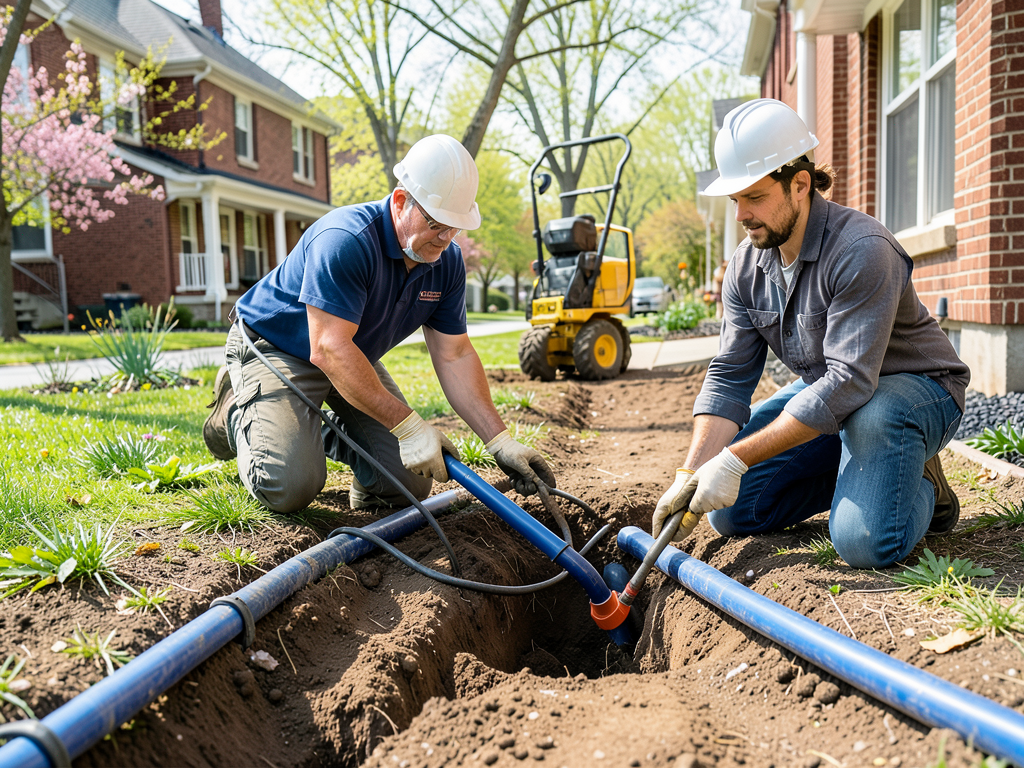
French drains provide excellent subsurface drainage for Morgan Park properties. These systems collect water before it reaches your foundation and redirect it away from your home. The key difference for Chicago installations involves depth and materials.
Chicago requires French drains to be installed below the frost line to prevent freezing. This means digging 4 to 5 feet deep in most Morgan Park neighborhoods. The drain pipe must be solid (not perforated) to prevent root intrusion from nearby trees common in Beverly and Mount Greenwood.
Proper French drain installation includes:
- Filter fabric to prevent soil clogging
- Clean gravel for optimal water flow
- Proper slope of at least 1% toward the discharge point
- Freeze-resistant pipe materials
Catch Basin Cleaning and Maintenance
Catch basins prevent surface water from pooling in your yard. Morgan Park’s mature tree canopy means catch basins often fill with leaves and debris. Before spring thaw inspect all catch basins on your property.
Remove any visible debris from basin grates. Check that water flows freely when you pour a bucket of water into the basin. If water backs up or drains slowly you may need professional cleaning.
Chicago’s combined sewer system means catch basins connect directly to the city’s drainage network. Blocked catch basins can cause street flooding that backs up onto your property. The City of Chicago provides catch basin maintenance through their Bureau of Water Management.
Foundation Seepage Prevention
Foundation cracks expand and contract with Chicago’s temperature swings. Even hairline cracks can allow significant water intrusion during spring thaw. Inspect your foundation walls for new cracks or expanding existing ones.
Common signs of foundation seepage include:
- White powdery deposits on basement walls (efflorescence)
- Damp spots on finished basement walls
- Musty odors in basement areas
- Water stains on walls or floors
Sealing foundation cracks requires specific materials for Chicago’s climate. Standard caulk fails when temperatures drop below freezing. Professional waterproofing contractors use flexible sealants that accommodate concrete expansion and contraction.
Window Well Drainage Solutions
Basement window wells collect significant water during spring thaw. Morgan Park homes often have window wells that sit below grade level. Without proper drainage these wells fill with water and create pressure against basement windows.
Install window well covers to prevent snow accumulation. Add gravel at the bottom of wells for drainage. Consider installing drain tiles that connect window wells to your yard’s drainage system.
Chicago building code requires window wells to drain properly to prevent basement flooding. Wells that hold water for more than 24 hours violate local ordinances and require immediate correction.
Professional vs DIY Drainage Solutions
Many Morgan Park homeowners successfully handle basic drainage maintenance themselves. However certain situations require professional expertise. Here’s when to call a plumber:
| DIY Solutions | Professional Services |
|---|---|
| Clearing debris from gutters | French drain installation |
| Extending downspouts | Sump pump replacement |
| Basic grading with hand tools | Foundation waterproofing |
| Cleaning catch basin grates | Backwater valve installation |
| Installing window well covers | Sewer line inspection and repair |
Professional plumbers bring specialized equipment for diagnosing drainage problems. Video inspection cameras can identify blockages deep in your drainage system. High-pressure water jetting clears stubborn clogs that hand tools cannot reach. 24 Hour Emergency Plumbers in Lincoln Park for Immediate Help.
Chicago’s Combined Sewer System Impact
Chicago operates a combined sewer system where stormwater and sewage flow through the same pipes. During heavy spring rains this system can back up into basements through floor drains. Morgan Park homes built before 1980 are particularly vulnerable to this type of flooding. Wicker Park Sewer Line Repair Specialists for Older Chicago Homes.
Backwater valves prevent sewage from flowing back into your home. These one-way valves close when city sewer pressure exceeds your home’s drainage pressure. Installation requires cutting into your main sewer line and should only be performed by licensed plumbers familiar with Chicago codes.
The EPA estimates that combined sewer overflows affect over 40 million Americans. Chicago’s Deep Tunnel project helps manage excess water but cannot prevent all backups during extreme weather events.
Emergency Response During Spring Thaw
Even with preparation emergencies happen. Know what to do if water starts entering your home during spring thaw:
- Shut off power to affected areas if water reaches electrical outlets
- Move valuables to higher ground immediately
- Place towels or sandbags at door thresholds
- Check your sump pump operation frequently
- Document damage with photos for insurance purposes
Keep emergency contact numbers readily available. The City of Chicago’s Water Emergency Hotline operates 24/7 for urgent water issues.
Cost Factors for Professional Drainage Work
Professional drainage solutions vary significantly in cost based on several factors:
| Service Type | Cost Range | Key Factors |
|---|---|---|
| Sump Pump Installation | $800 – $2,500 | Pump capacity, battery backup, discharge distance |
| French Drain System | $1,500 – $6,000 | Linear feet, depth, soil conditions |
| Foundation Waterproofing | $3,000 – $10,000 | Wall length, severity of cracks, interior vs exterior |
| Backwater Valve | $2,000 – $5,000 | Access difficulty, pipe material, permit requirements |
| Catch Basin Installation | $1,200 – $3,500 | Size, connection to existing drainage, excavation needs |
Most Morgan Park homes benefit from a combination of solutions rather than a single fix. A comprehensive drainage assessment typically costs $150 to $300 but can identify problems before they cause expensive damage.
Local Resources for Morgan Park Homeowners
Several local resources can help with drainage preparation:
- Chicago Department of Water Management – Information on private drainage responsibilities
- Cook County Stormwater Management – County-level drainage concerns
- Illinois State Bar Association – Legal assistance for drainage disputes
- National Association of Home Inspectors – Professional drainage assessments
Morgan Park’s neighborhood association often coordinates bulk purchasing for drainage materials and shares information about reliable local contractors.
Long-term Drainage Strategy
Preparing for one spring thaw helps but developing a long-term strategy protects your home for years. Consider these ongoing maintenance practices:
- Annual gutter and downspout inspection each fall
- Bi-annual sump pump testing
- Foundation crack monitoring with dated photographs
- Professional drainage assessment every 3-5 years
- Landscaping adjustments as trees mature and roots expand
Chicago’s weather patterns continue to evolve with more frequent heavy precipitation events. Homes that adapted to 1980s rainfall levels may struggle with today’s weather intensity. Proactive drainage improvements pay dividends through avoided water damage repairs.
Don’t Wait Until Water Enters Your Home
The best time to address drainage problems is before they cause damage. Morgan Park homeowners who wait until water appears in their basements face significantly higher repair costs and potential health hazards from mold growth.
Professional plumbers can identify hidden drainage problems through comprehensive property assessments. These assessments examine your entire drainage system from roof to street, identifying weak points before they fail.
Chicago’s building department requires permits for most drainage modifications. Working with licensed professionals ensures your improvements meet local codes and won’t cause problems for neighboring properties.
Ready to protect your Morgan Park home from spring thaw flooding? Call A Plus Plumbing Chicago at (773) 514-5111 for a comprehensive drainage assessment. Our experienced team understands Chicago’s unique drainage challenges and provides lasting solutions that keep your home dry through every season.
Frequently Asked Questions
How much does professional yard drainage assessment cost in Morgan Park?
Professional drainage assessments in Morgan Park typically cost between $150 and $300. This includes a complete inspection of your property’s drainage systems, foundation examination, and recommendations for improvements. Some companies offer free assessments with paid service contracts.
Can I install a French drain myself or do I need a professional?
While DIY French drain installation is possible, Chicago’s frost line depth and clay soil conditions make professional installation advisable. Professionals ensure proper depth below frost line, correct slope for water flow, and appropriate materials that won’t freeze or clog. Incorrect installation often causes more problems than it solves.
How quickly can a plumber respond to a drainage emergency during spring thaw?
Emergency plumbing services in Morgan Park typically guarantee response times of 2-4 hours during spring thaw season. However, demand peaks during major thaw events can extend wait times. Having a pre-established relationship with a local plumber ensures faster response when you need it most.
Does homeowner’s insurance cover spring thaw flooding damage?
Standard homeowner’s insurance policies in Chicago typically exclude groundwater flooding. Coverage usually applies only to sudden, accidental water discharge from plumbing systems. Separate flood insurance through the National Flood Insurance Program may be necessary for comprehensive protection against spring thaw damage.
What’s the most common drainage mistake Morgan Park homeowners make?
The most common mistake is neglecting downspout extensions. Many Morgan Park homes have downspouts that discharge water within 2-3 feet of the foundation. During spring thaw, this concentrated water flow overwhelms soil absorption capacity and forces water against basement walls. Extending downspouts to discharge at least 6 feet from the foundation prevents most drainage problems.
{
“@context”: “https://schema.org”,
“@type”: “BlogPosting”,
“headline”: “Preparing Your Yard Drainage for the Massive Chicago Spring Thaw in Morgan Park”,
“description”: “Protect your Morgan Park home from snowmelt flooding. Learn essential yard drainage preparation tips for Chicago’s spring thaw and when to call a professional plumber.”,
“wordCount”: 1984,
“datePublished”: “2026-06-11T06:35:00.000Z”,
“dateModified”: “2026-06-11T06:35:00.000Z”,
“inLanguage”: “en-US”,
“mainEntityOfPage”: {
“@type”: “WebPage”,
“@id”: “https://aplusplumbingchicago.com”
},
“publisher”: {
“@type”: “LocalBusiness”,
“name”: “A Plus Plumbing Chicago”,
“url”: “https://aplusplumbingchicago.com”
},
“author”: {
“@type”: “Organization”,
“name”: “A Plus Plumbing Chicago”,
“url”: “https://aplusplumbingchicago.com”
},
“image”: {
“@type”: “ImageObject”,
“url”: “https://aplusplumbingchicago.com/wp-content/uploads/2026/03/preparing-your-yard-drainage-for-the-massive-chica-1.png”
}
}
{
“@context”: “https://schema.org”,
“@type”: “Plumber”,
“name”: “A Plus Plumbing Chicago”,
“url”: “https://aplusplumbingchicago.com”,
“address”: {
“@type”: “PostalAddress”,
“addressLocality”: “Chicago”
},
“areaServed”: {
“@type”: “City”,
“name”: “Chicago”
}
}
{
“@context”: “https://schema.org”,
“@type”: “FAQPage”,
“mainEntity”: [
{
“@type”: “Question”,
“name”: “How much does professional yard drainage assessment cost in Morgan Park?”,
“acceptedAnswer”: {
“@type”: “Answer”,
“text”: “Professional drainage assessments in Morgan Park typically cost between $150 and $300. This includes a complete inspection of your property’s drainage systems, foundation examination, and recommendations for improvements. Some companies offer free assessments with paid service contracts.”
}
},
{
“@type”: “Question”,
“name”: “Can I install a French drain myself or do I need a professional?”,
“acceptedAnswer”: {
“@type”: “Answer”,
“text”: “While DIY French drain installation is possible, Chicago’s frost line depth and clay soil conditions make professional installation advisable. Professionals ensure proper depth below frost line, correct slope for water flow, and appropriate materials that won’t freeze or clog. Incorrect installation often causes more problems than it solves.”
}
},
{
“@type”: “Question”,
“name”: “How quickly can a plumber respond to a drainage emergency during spring thaw?”,
“acceptedAnswer”: {
“@type”: “Answer”,
“text”: “Emergency plumbing services in Morgan Park typically guarantee response times of 2-4 hours during spring thaw season. However, demand peaks during major thaw events can extend wait times. Having a pre-established relationship with a local plumber ensures faster response when you need it most.”
}
},
{
“@type”: “Question”,
“name”: “Does homeowner’s insurance cover spring thaw flooding damage?”,
“acceptedAnswer”: {
“@type”: “Answer”,
“text”: “Standard homeowner’s insurance policies in Chicago typically exclude groundwater flooding. Coverage usually applies only to sudden, accidental water discharge from plumbing systems. Separate flood insurance through the National Flood Insurance Program may be necessary for comprehensive protection against spring thaw damage.”
}
},
{
“@type”: “Question”,
“name”: “What’s the most common drainage mistake Morgan Park homeowners make?”,
“acceptedAnswer”: {
“@type”: “Answer”,
“text”: “The most common mistake is neglecting downspout extensions. Many Morgan Park homes have downspouts that discharge water within 2-3 feet of the foundation. During spring thaw, this concentrated water flow overwhelms soil absorption capacity and forces water against basement walls. Extending downspouts to discharge at least 6 feet from the foundation prevents most drainage problems.”
}
}
]
}
{
“@context”: “https://schema.org”,
“@type”: “HowTo”,
“name”: “Preparing Your Yard Drainage”,
“step”: [
{
“@type”: “HowToStep”,
“position”: 1,
“name”: “Clear Snow from Foundation”,
“text”: “Remove snow within 3 feet of your home’s foundation. This prevents immediate water accumulation against basement walls.”
},
{
“@type”: “HowToStep”,
“position”: 2,
“name”: “Check and Clean Gutters”,
“text”: “Remove ice dams and debris from gutters. Clogged gutters cause water to overflow directly next to your foundation.”
},
{
“@type”: “HowToStep”,
“position”: 3,
“name”: “Inspect Downspouts”,
“text”: “Ensure downspouts extend at least 6 feet from your home. Many Morgan Park homes have downspouts that dump water right at the foundation.”
},
{
“@type”: “HowToStep”,
“position”: 4,
“name”: “Grade Your Yard”,
“text”: “Verify that soil slopes away from your home at a minimum 6-inch drop over 10 feet. Regrade if necessary before the thaw begins.”
},
{
“@type”: “HowToStep”,
“position”: 5,
“name”: “Test Your Sump Pump”,
“text”: “Fill the sump pit with water to verify the pump activates. Replace batteries in backup systems.”
}
],
“image”: “https://aplusplumbingchicago.com/wp-content/uploads/2026/03/preparing-your-yard-drainage-for-the-massive-chica-1.png”
}
{
“@context”: “https://schema.org”,
“@type”: “BreadcrumbList”,
“itemListElement”: [
{
“@type”: “ListItem”,
“position”: 1,
“name”: “Home”,
“item”: “https://aplusplumbingchicago.com”
},
{
“@type”: “ListItem”,
“position”: 2,
“name”: “Blog”,
“item”: “https://aplusplumbingchicago.com/blog”
},
{
“@type”: “ListItem”,
“position”: 3,
“name”: “Preparing Your Yard Drainage for the Massive Chicago Spring Thaw in Morgan Park”
}
]
}
{
“@context”: “https://schema.org”,
“@type”: “Service”,
“serviceType”: “Plumbing”,
“provider”: {
“@type”: “LocalBusiness”,
“name”: “A Plus Plumbing Chicago”,
“url”: “https://aplusplumbingchicago.com”
},
“areaServed”: {
“@type”: “City”,
“name”: “Chicago”
},
“description”: “Protect your Morgan Park home from snowmelt flooding. Learn essential yard drainage preparation tips for Chicago’s spring thaw and when to call a professional plumber.”
}