
Plumbing Requirements for Opening a New Retail Boutique in Bucktown
Opening a retail boutique in Bucktown requires more than just finding the perfect location and curating your inventory. The plumbing infrastructure forms the backbone of your customer experience and legal compliance. From ADA-compliant restrooms to high-traffic water systems, understanding the specific plumbing requirements can save you from costly delays and violations.
Understanding Bucktown’s Unique Plumbing Challenges
Bucktown’s historic buildings present distinct plumbing challenges that newer developments simply don’t face. Many retail spaces here were originally constructed as residential units or small manufacturing facilities, meaning the existing plumbing infrastructure often requires significant upgrades to meet modern retail demands.
The area’s clay soil composition and proximity to Lake Michigan create specific underground conditions. Clay soil tends to shift with moisture changes, potentially damaging sewer lines and water mains. This geological factor means that even newer plumbing installations need special considerations for long-term stability. Wicker Park Sewer Line Repair Specialists for Older Chicago Homes.
Additionally, Bucktown’s older buildings typically feature cast iron or galvanized steel pipes that have reached the end of their useful life. These materials corrode from the inside out, reducing water pressure and creating contamination risks that could jeopardize your boutique’s operations.
ADA Compliance Requirements for Retail Restrooms
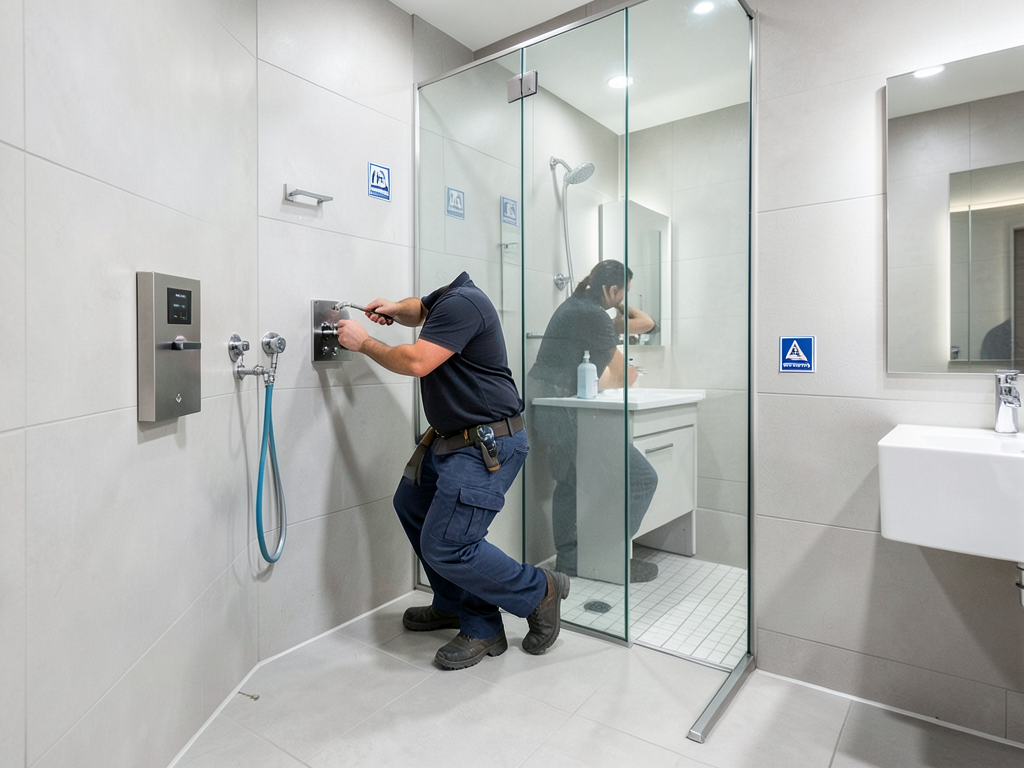
The Americans with Disabilities Act mandates specific requirements for retail restrooms that directly impact your plumbing layout. ADA compliance isn’t optional—it’s a legal requirement that affects your boutique’s accessibility and liability exposure.
ADA-compliant restrooms must include specific clearances around fixtures. Toilets require a minimum of 60 inches of clear floor space for wheelchair maneuverability. Sink heights cannot exceed 34 inches, and faucet controls must be operable with one hand without tight grasping or pinching.
Water pressure requirements also change with ADA compliance. Fixtures must provide adequate flow rates while remaining accessible to users with limited hand strength. This often means installing pressure-compensating valves and touchless fixtures that maintain consistent performance regardless of building water pressure fluctuations.
The Chicago Plumbing Code adds additional requirements beyond federal ADA standards. Local codes mandate specific trap sizes, vent configurations, and water heater capacities based on your boutique’s square footage and expected customer volume. Chicago Department of Buildings Plumbing Information.
High-Traffic Plumbing System Design
Retail boutiques experience concentrated usage patterns that differ dramatically from residential plumbing. Morning and evening rushes create peak demand periods where multiple customers might need restroom access simultaneously. Top Rated Plumbers for High Rise Condos in the Gold Coast.
Commercial-grade fixtures become essential for high-traffic environments. Standard residential toilets simply cannot withstand the usage frequency of a busy retail space. Commercial fixtures feature larger trapways, more durable flush mechanisms, and water-efficient designs that reduce utility costs while maintaining performance.
Water heater sizing requires careful calculation based on your boutique’s specific needs. A small boutique with one restroom might need a 40-gallon commercial water heater, while larger operations require 80-gallon or even tankless systems to ensure consistent hot water during peak periods.
Drainage capacity represents another critical consideration. Standard residential drain lines measure 1.5 to 2 inches in diameter. Retail applications often require 3-inch or larger main drain lines to prevent backups during high-usage periods.
Chicago Building Code Compliance
The Chicago Plumbing Code exceeds national standards in several key areas. Understanding these requirements before you begin renovations prevents costly rework and potential fines.
Chicago mandates specific pipe materials based on application. For example, water supply lines in retail spaces must use type K copper or approved PEX tubing. Galvanized steel is prohibited for new installations due to corrosion concerns and potential lead contamination.
Backflow prevention devices become mandatory when your boutique includes any water-using equipment beyond basic restroom fixtures. Coffee bars, water fountains, or even certain display cases with misting features require reduced pressure zone (RPZ) backflow preventers to protect the municipal water supply.
Permit requirements in Chicago are strict and specific. Retail plumbing modifications require separate permits from electrical or structural work. The Department of Buildings reviews plans to ensure compliance with both building and plumbing codes before issuing permits. EPA WaterSense Commercial Bathroom Guidelines.
Essential Plumbing Components for Retail Success
Commercial-grade water pressure regulators protect your fixtures from pressure spikes that commonly occur in older Bucktown buildings. These devices maintain consistent pressure between 40-80 PSI, preventing damage to sensitive fixtures and ensuring reliable operation.
Water hammer arrestors prevent the knocking sounds and pipe damage caused by sudden valve closures. In retail environments where automatic faucets and flush valves operate frequently, these devices extend the life of your plumbing system significantly.
Floor drains in restroom and storage areas prevent water damage from spills or equipment malfunctions. Chicago code requires specific drain sizing and trap configurations based on the area being served and potential contaminant types.
Emergency shutoff valves provide quick water control during plumbing emergencies. These should be installed at strategic locations throughout your boutique, allowing you to isolate problems without shutting down your entire operation. 24 Hour Emergency Plumbers in Lincoln Park for Immediate Help.
Renovation Timeline Considerations
Plumbing work often becomes the critical path item in retail buildouts. Unlike cosmetic finishes that can be completed quickly, plumbing modifications require careful planning, permitting, and inspection processes that can extend timelines significantly.
Initial rough-in plumbing typically requires 2-3 weeks for a small boutique space. This includes demolition of existing plumbing, installation of new supply lines, drain systems, and fixture supports. Inspection and approval add another 1-2 weeks to the schedule.
Finish plumbing—installing fixtures, connecting appliances, and final testing—requires an additional 1-2 weeks. This phase cannot begin until rough inspections pass, creating potential scheduling conflicts with other trades.
Unexpected discoveries in older Bucktown buildings often extend timelines. Hidden pipe corrosion, inadequate venting, or structural issues discovered during demolition can add 1-3 weeks to your project schedule.
Cost Factors and Budgeting
Plumbing costs for retail boutiques vary significantly based on building age, existing conditions, and required upgrades. Understanding these factors helps you create realistic budgets and avoid financial surprises.
Basic plumbing rough-in for a 1,500-square-foot boutique typically ranges from $8,000 to $15,000. This includes new supply lines, drain systems, and basic fixture installation in existing locations.
ADA-compliant restroom modifications add $3,000 to $7,000 to your budget, depending on the extent of accessibility upgrades required. Moving plumbing fixtures to create proper clearances can significantly increase these costs.
Commercial fixture upgrades represent another cost factor. While residential fixtures might cost $200-300 each, commercial-grade equivalents range from $500-1,500 per fixture due to their enhanced durability and performance features.
Permit fees in Chicago range from $500 to $2,000 for retail plumbing work, depending on project scope and inspection requirements. These fees are non-negotiable and must be paid before work can begin.
Common Plumbing Mistakes to Avoid
Many boutique owners make critical plumbing errors that lead to costly repairs and operational disruptions. Understanding these common mistakes helps you avoid them during your buildout.
Undersizing water supply lines creates chronic pressure problems that frustrate customers and damage fixtures. Many owners assume existing 1/2-inch supply lines will suffice, but retail applications typically require 3/4-inch or larger lines to maintain adequate pressure during peak usage.
Neglecting proper venting leads to slow drains, gurgling fixtures, and eventual sewer gas infiltration. Chicago code requires specific vent configurations that many inexperienced contractors overlook, leading to failed inspections and costly rework.
Using residential-grade fixtures in high-traffic environments guarantees premature failure. Commercial fixtures cost more initially but provide years of reliable service compared to residential fixtures that might fail within months of heavy use.
Skipping pressure testing before fixture installation allows small leaks to become major problems after walls are closed. Professional plumbers always pressure test new installations to identify and repair leaks before final finishes are applied.
Seasonal Considerations for Bucktown Boutiques
Chicago’s extreme weather creates specific plumbing challenges for retail operations. Winter freeze-thaw cycles and spring flooding require special considerations in your plumbing design.
Freeze protection becomes critical for any plumbing in exterior walls or unheated spaces. Even with modern insulation, Chicago’s sub-zero temperatures can freeze pipes within hours of heating failure. Heat tape installation and proper pipe insulation prevent costly freeze damage.
Spring flooding in Bucktown often overwhelms older sewer systems. Backflow preventers installed on main sewer lines protect your boutique from sewage backup during heavy rains, preventing contamination and inventory damage.
Condensation control prevents water damage to fixtures and finishes. Chicago’s humid summers combined with cold water supply lines create condensation that can damage cabinetry and promote mold growth. Insulated supply lines and proper ventilation prevent these issues.
Maintenance Planning for Long-Term Success
Preventative maintenance extends the life of your plumbing system and prevents costly emergency repairs. Establishing a maintenance schedule from day one protects your investment and ensures reliable operation.
Monthly drain cleaning prevents buildup that causes slow drains and eventual blockages. Retail environments accumulate soap scum, paper products, and other debris that standard residential cleaning cannot address effectively.
Quarterly water pressure checks identify developing problems before they cause fixture damage or customer complaints. Pressure fluctuations often indicate developing supply line issues or failing pressure regulators.
Annual backflow preventer testing ensures these critical devices function properly when needed. Chicago requires annual testing by certified professionals, with documentation submitted to the Department of Water Management.
Regular fixture inspection identifies developing leaks, wear patterns, and performance issues. Commercial fixtures typically require adjustment or replacement of internal components every 3-5 years depending on usage intensity.
Choosing the Right Plumbing Partner
Not all plumbers have experience with retail-specific requirements and Chicago’s unique building codes. Selecting the right partner ensures your project meets all requirements while staying on schedule and budget.
Commercial plumbing experience becomes essential for retail applications. Residential plumbers often lack knowledge of ADA requirements, commercial fixture specifications, and Chicago’s specific code requirements for public spaces.
Insurance and licensing verification protects you from liability. Chicago requires specific licenses for commercial plumbing work, and your contractor should carry adequate liability insurance to cover potential property damage.
References from other retail clients provide insight into a plumber’s ability to work in occupied spaces and coordinate with other trades. Retail buildouts require careful scheduling and minimal disruption to surrounding businesses.
Written warranties on workmanship and materials provide protection against defects and installation errors. Professional plumbers stand behind their work with clear warranty terms and responsive service for any issues that arise.
Emergency Preparedness Planning
Plumbing emergencies can force retail closures that cost thousands in lost revenue. Having an emergency response plan minimizes downtime and protects your business from extended closures.
Emergency shutoff valve locations should be clearly marked and accessible to staff. Every employee should know how to operate these valves to minimize water damage during plumbing emergencies.
24/7 emergency contact information must be readily available. Professional plumbers offering after-hours service can often respond within 2-4 hours, significantly reducing potential damage from burst pipes or major leaks.
Water damage response procedures should include steps for protecting inventory, documenting damage for insurance claims, and coordinating with restoration professionals. Quick response often means the difference between minor cleanup and major reconstruction.
Backup restroom options become essential for boutiques with only one restroom. Portable restroom rentals can maintain customer service during major plumbing repairs that require extended water shutdowns.
Future Expansion Considerations
Planning for future growth during initial construction saves significant costs later. Strategic plumbing design accommodates potential expansions without requiring major system overhauls.
Oversized drain lines in strategic locations accommodate future fixture additions. Installing 4-inch drain lines where 2-inch lines might suffice provides capacity for future restroom additions or equipment upgrades.
Additional water supply capacity allows for future kitchen installations or expanded restroom facilities. Running extra supply lines during initial construction costs far less than retrofitting later when walls are finished and spaces are occupied.
Future equipment rough-ins prepare for potential business model changes. Even if you don’t plan immediate food service, installing drain and supply rough-ins for future coffee bars or beverage stations provides flexibility for business evolution.
Expansion-ready electrical and plumbing coordination prevents conflicts when adding new fixtures. Proper planning ensures new installations don’t overload existing systems or require major reconfigurations.
Technology Integration Opportunities
Modern plumbing technology offers opportunities for water conservation, cost reduction, and enhanced customer experience. Understanding these options helps you make informed decisions during your buildout.
Smart water monitoring systems detect leaks and unusual usage patterns that indicate developing problems. These systems can alert you to issues before they cause significant damage or waste substantial water.
Touchless fixtures reduce water waste and improve hygiene. Modern sensor technology provides reliable operation while eliminating the need for physical contact, reducing maintenance requirements and improving customer satisfaction.
Water-efficient fixtures can reduce consumption by 30-50% compared to standard fixtures. While initial costs are higher, utility savings often provide return on investment within 2-3 years of operation.
Greywater recycling systems capture sink and lavatory water for toilet flushing, reducing fresh water consumption by up to 30%. While not suitable for all applications, these systems can provide significant utility savings in high-traffic retail environments.
Final Checklist Before Opening
Before welcoming your first customers, completing a comprehensive plumbing inspection ensures everything functions properly and meets all code requirements.
Final pressure testing verifies all supply lines hold pressure without leaks. This test should run for at least 30 minutes at operating pressure to identify any slow leaks that might not be immediately apparent.
Backflow preventer certification ensures these critical devices function properly. Chicago requires annual testing even for new installations, so scheduling this certification before opening prevents delays later.
ADA compliance verification confirms all accessibility requirements are met. This includes proper clearances, fixture heights, and operational requirements for customers with disabilities.
Permit final inspections must be scheduled and passed before opening. Chicago inspectors verify code compliance and may require corrections before issuing final approval for occupancy.
Staff training on emergency procedures ensures everyone knows how to respond to plumbing issues. This includes operating shutoff valves, identifying problems, and contacting emergency services when needed.
Frequently Asked Questions
How long does retail plumbing installation typically take in Bucktown?
Basic plumbing rough-in for a small boutique typically requires 2-3 weeks, with an additional 1-2 weeks for finish plumbing and inspections. Unexpected issues in older buildings can extend this timeline by 1-3 weeks.
What are the most common plumbing code violations in Chicago retail spaces?
Common violations include inadequate venting, improper pipe sizing, missing backflow preventers, and non-compliant restroom clearances. These violations often result from inexperienced contractors unfamiliar with Chicago’s strict code requirements.
How much should I budget for plumbing in my Bucktown boutique buildout?
Basic plumbing for a 1,500-square-foot boutique typically costs $8,000 to $15,000 for rough-in work, with an additional $3,000 to $7,000 for ADA-compliant restroom modifications and commercial fixture upgrades.
Do I need special permits for plumbing work in my retail space?
Yes, Chicago requires separate plumbing permits for all commercial work. Permit fees range from $500 to $2,000 depending on project scope, and work cannot begin until permits are issued by the Department of Buildings.
How can I prevent plumbing emergencies in my new boutique?
Preventative maintenance, including monthly drain cleaning, quarterly pressure checks, and annual backflow testing, prevents most emergencies. Installing emergency shutoff valves and having 24/7 plumber contact information also minimizes potential damage.

{
“@context”: “https://schema.org”,
“@type”: “BlogPosting”,
“headline”: “Plumbing Requirements for Opening a New Retail Boutique in Bucktown”,
“description”: “Opening a retail boutique in Bucktown? Learn the essential plumbing requirements for ADA compliance, high-traffic restrooms, and Chicago building codes.”,
“wordCount”: 2516,
“datePublished”: “2026-06-15T11:03:00.000Z”,
“dateModified”: “2026-06-15T11:03:00.000Z”,
“inLanguage”: “en-US”,
“mainEntityOfPage”: {
“@type”: “WebPage”,
“@id”: “https://aplusplumbingchicago.com”
},
“publisher”: {
“@type”: “LocalBusiness”,
“name”: “A Plus Plumbing Chicago”,
“url”: “https://aplusplumbingchicago.com”
},
“author”: {
“@type”: “Organization”,
“name”: “A Plus Plumbing Chicago”,
“url”: “https://aplusplumbingchicago.com”
},
“image”: {
“@type”: “ImageObject”,
“url”: “https://aplusplumbingchicago.com/wp-content/uploads/2026/03/plumbing-requirements-for-opening-a-new-retail-bou-1.png”
}
}
{
“@context”: “https://schema.org”,
“@type”: “Plumber”,
“name”: “A Plus Plumbing Chicago”,
“url”: “https://aplusplumbingchicago.com”,
“address”: {
“@type”: “PostalAddress”,
“addressLocality”: “Chicago”
},
“areaServed”: {
“@type”: “City”,
“name”: “Chicago”
}
}
{
“@context”: “https://schema.org”,
“@type”: “FAQPage”,
“mainEntity”: [
{
“@type”: “Question”,
“name”: “How long does retail plumbing installation typically take in Bucktown?”,
“acceptedAnswer”: {
“@type”: “Answer”,
“text”: “Basic plumbing rough-in for a small boutique typically requires 2-3 weeks, with an additional 1-2 weeks for finish plumbing and inspections. Unexpected issues in older buildings can extend this timeline by 1-3 weeks.”
}
},
{
“@type”: “Question”,
“name”: “What are the most common plumbing code violations in Chicago retail spaces?”,
“acceptedAnswer”: {
“@type”: “Answer”,
“text”: “Common violations include inadequate venting, improper pipe sizing, missing backflow preventers, and non-compliant restroom clearances. These violations often result from inexperienced contractors unfamiliar with Chicago’s strict code requirements.”
}
},
{
“@type”: “Question”,
“name”: “How much should I budget for plumbing in my Bucktown boutique buildout?”,
“acceptedAnswer”: {
“@type”: “Answer”,
“text”: “Basic plumbing for a 1,500-square-foot boutique typically costs $8,000 to $15,000 for rough-in work, with an additional $3,000 to $7,000 for ADA-compliant restroom modifications and commercial fixture upgrades.”
}
},
{
“@type”: “Question”,
“name”: “Do I need special permits for plumbing work in my retail space?”,
“acceptedAnswer”: {
“@type”: “Answer”,
“text”: “Yes, Chicago requires separate plumbing permits for all commercial work. Permit fees range from $500 to $2,000 depending on project scope, and work cannot begin until permits are issued by the Department of Buildings.”
}
},
{
“@type”: “Question”,
“name”: “How can I prevent plumbing emergencies in my new boutique?”,
“acceptedAnswer”: {
“@type”: “Answer”,
“text”: “Preventative maintenance, including monthly drain cleaning, quarterly pressure checks, and annual backflow testing, prevents most emergencies. Installing emergency shutoff valves and having 24/7 plumber contact information also minimizes potential damage.”
}
}
]
}
{
“@context”: “https://schema.org”,
“@type”: “BreadcrumbList”,
“itemListElement”: [
{
“@type”: “ListItem”,
“position”: 1,
“name”: “Home”,
“item”: “https://aplusplumbingchicago.com”
},
{
“@type”: “ListItem”,
“position”: 2,
“name”: “Blog”,
“item”: “https://aplusplumbingchicago.com/blog”
},
{
“@type”: “ListItem”,
“position”: 3,
“name”: “Plumbing Requirements for Opening a New Retail Boutique in Bucktown”
}
]
}
{
“@context”: “https://schema.org”,
“@type”: “Service”,
“serviceType”: “Plumbing”,
“provider”: {
“@type”: “LocalBusiness”,
“name”: “A Plus Plumbing Chicago”,
“url”: “https://aplusplumbingchicago.com”
},
“areaServed”: {
“@type”: “City”,
“name”: “Chicago”
},
“description”: “Opening a retail boutique in Bucktown? Learn the essential plumbing requirements for ADA compliance, high-traffic restrooms, and Chicago building codes.”
}