
Planning the Plumbing for a New Coach House or ADU in Ravenswood
Building a coach house or accessory dwelling unit in Ravenswood requires careful planning of the plumbing systems to meet Chicago’s strict building codes. The city’s new ADU ordinance has opened opportunities for homeowners to add backyard living spaces but the plumbing requirements remain complex and must follow specific regulations. Chicago Department of Buildings Plumbing Information.
Understanding Chicago’s ADU Plumbing Requirements
Chicago’s Municipal Code sets clear standards for plumbing in secondary structures. A coach house in Ravenswood needs its own dedicated water service line that meets minimum diameter requirements. The city requires at least a 1-inch main water line for most ADUs to ensure adequate pressure and flow. Chicago Lead Service Line Replacement Program.
The sewer connection presents another critical consideration. You must connect to the main sewer lateral through a proper cleanout fitting. Chicago requires all new connections to use materials approved by the Department of Water Management including copper Type K tubing for water lines and cast iron for drain lines. Wicker Park Sewer Line Repair Specialists for Older Chicago Homes.
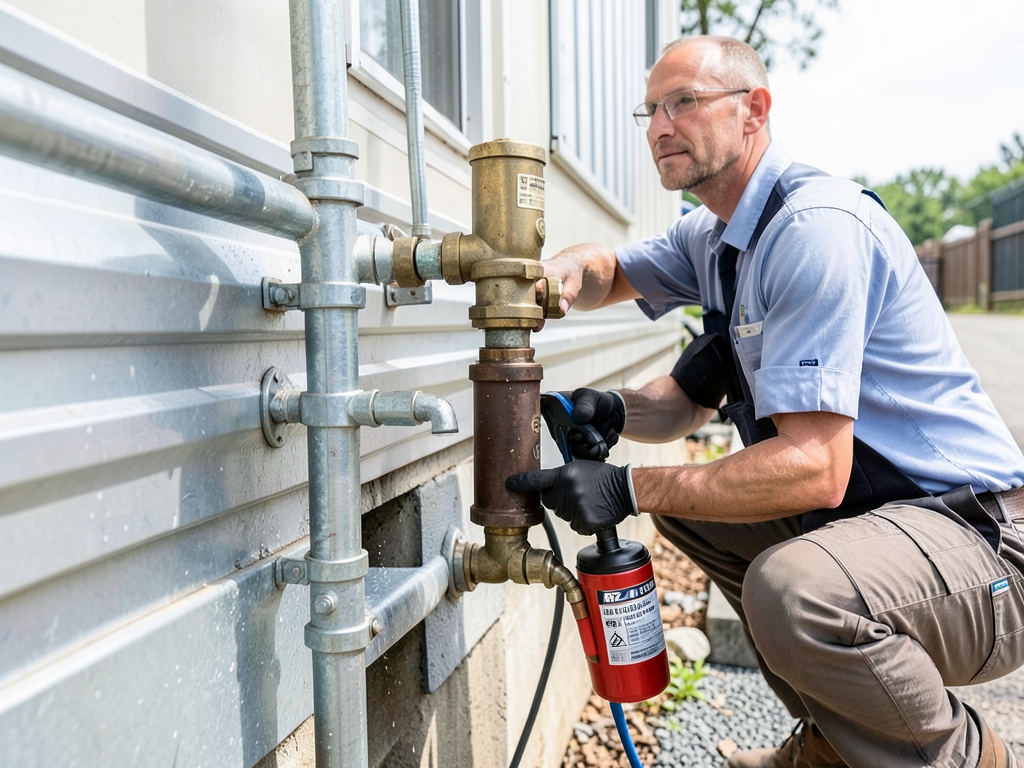
Backflow prevention is mandatory. An RPZ (Reduced Pressure Zone) valve must be installed on the water service to prevent contamination of the city’s water supply. This device protects both your coach house and the main residence from cross-contamination.
Water Service Line Installation for Coach Houses
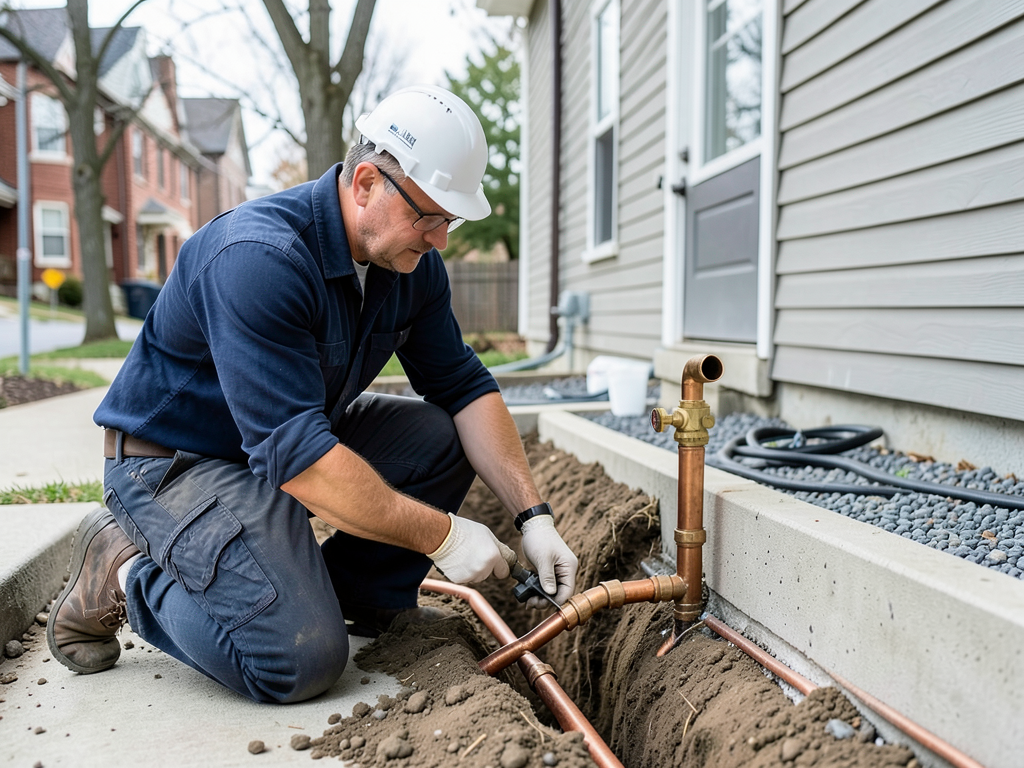
The water service line extends from the city main to your coach house. In Ravenswood many homes have aging lead service lines that need replacement when adding a new structure. The Department of Water Management offers programs to help with lead line replacement costs.
Proper trench depth prevents freezing. Chicago requires water lines to be buried at least 60 inches below grade to protect against frost damage. This depth exceeds national standards due to Chicago’s harsh winters.
Consider whether to install a separate water meter. A dedicated meter allows you to track usage for the coach house separately from the main residence. This can be beneficial for rental situations or tracking utility costs.
Drainage and Sewer System Requirements
Calculating drainage fixture units (DFU) determines the size of your drain pipes. Each fixture like sinks toilets and showers has a DFU value. The total DFU load determines the minimum pipe diameter needed for your coach house drains.
Chicago’s combined sewer system means heavy rain can overwhelm drainage capacity. Installing a backwater valve prevents sewage from backing up into your coach house during storms. This valve is required by code for all new connections to the city sewer.
Proper venting prevents trap siphoning and allows sewer gases to escape. Small structures like coach houses need careful vent planning to avoid long horizontal runs. Stack venting through the roof remains the most reliable method for ADUs.
Gas Line Installation for Heating and Appliances
Coach houses often need gas service for heating water heaters or cooking appliances. Gas lines must be pressure tested before connection to ensure no leaks exist. Chicago requires specific pipe materials and burial depths for gas lines.
The gas meter location affects installation costs. If the main residence has a gas meter nearby extending service to the coach house may be straightforward. Otherwise you may need a new meter installation from the gas utility.
Permit Process for Coach House Plumbing
Chicago requires permits for all new plumbing work. The Easy Permit Program handles many coach house projects but complex installations may need full plan review. You must submit detailed plumbing plans showing pipe sizes materials and fixture locations.
Inspections occur at multiple stages. A rough-in inspection verifies proper installation before walls are closed. A final inspection ensures all work meets code before occupancy. Missing inspections can result in fines or required rework.
Working with a licensed Chicago plumber simplifies the process. They understand local requirements and can coordinate with the Department of Buildings to ensure compliance.
Cost Factors for Coach House Plumbing
Several factors affect plumbing costs for your Ravenswood coach house. Distance from the main residence impacts trenching and pipe material costs. Longer runs require more materials and labor.
Existing underground utilities may complicate installation. Locating and avoiding electrical lines gas pipes or other utilities adds time to the project. A utility locate service should be performed before trenching begins.
Material choices affect both initial costs and long-term maintenance. Copper pipes cost more upfront but offer superior durability. PEX piping provides flexibility and freeze resistance but has specific Chicago code limitations.
Winterization Considerations for Chicago Coach Houses
Chicago’s extreme cold requires special winterization measures. All water lines must be properly insulated especially in unconditioned spaces. Heat tape may be necessary for pipes in exterior walls or crawl spaces.
Drain all water lines if the coach house will be unoccupied during winter months. Compressed air can blow out remaining water to prevent freezing damage. Installing shut-off valves allows you to isolate the coach house plumbing from the main system.
Consider a freeze alarm system that alerts you to temperature drops below freezing. Early warning can prevent costly damage from burst pipes.
Common Inspection Issues and How to Avoid Them
Many coach house plumbing projects fail initial inspections due to common issues. Improper pipe support causes sagging over time. Chicago requires specific support spacing for different pipe materials and sizes.
Incorrect slope on drain lines prevents proper drainage. Horizontal drain pipes must slope at least 1/4 inch per foot toward the sewer connection. Insufficient slope causes slow drainage and potential backups.
Missing cleanouts create access problems for future maintenance. Chicago requires cleanouts at specific intervals and at directional changes in drain lines. These access points allow for snaking and inspection camera use.
Timeline for Coach House Plumbing Installation
Plumbing installation follows a specific sequence. First complete utility locates and obtain permits. Next trench for underground lines and install water gas and sewer connections. Pressure test all lines before covering trenches.
During framing install vent stacks and prepare for fixture connections. After rough inspection complete finish plumbing including fixture installation. Schedule final inspection before occupancy.
Weather affects timelines especially for outdoor work. Plan indoor work during winter months and outdoor trenching for warmer seasons when possible.
Choosing the Right Plumbing Contractor
Selecting a contractor experienced with Chicago ADUs makes the process smoother. They understand local codes and have relationships with inspectors. Ask for examples of similar projects they have completed.
Verify licensing and insurance before hiring. Chicago requires plumbers to be licensed bonded and insured. Request proof of current licenses and insurance coverage. Top Rated Plumbers for High Rise Condos in the Gold Coast.
Get detailed written estimates that specify materials and scope of work. Compare multiple bids but consider experience and reputation alongside price. The cheapest option may cost more in the long run if work needs correction.
Maintenance Considerations for Coach House Plumbing
Plan for ongoing maintenance of your coach house plumbing systems. Install shut-off valves for each fixture to isolate problems without affecting the main residence. Label all valves clearly for easy identification.
Schedule annual inspections of water heaters and other appliances. Check for leaks around fixtures and under sinks. Address small issues before they become major problems.
Consider installing water sensors in areas prone to leaks. These devices can alert you to problems before significant damage occurs. Smart home technology offers monitoring options for remote properties.
Energy Efficiency and Sustainability Options
Modern plumbing offers energy efficiency options for your coach house. Tankless water heaters provide hot water on demand without standby energy losses. Heat pump water heaters extract heat from surrounding air for even greater efficiency.
Low-flow fixtures reduce water consumption without sacrificing performance. Chicago encourages water conservation through its plumbing code. Many efficient fixtures also qualify for utility rebates.
Consider greywater systems for irrigation if your coach house includes a garden or green space. These systems capture sink and shower water for landscape use reducing overall water consumption.
Insurance and Liability Considerations
Adding a coach house affects your homeowner’s insurance. Notify your insurance company about the new structure and its plumbing systems. You may need additional coverage for the coach house and its contents.
Consider liability coverage if you plan to rent the coach house. Standard homeowner’s policies may not cover rental activities. An umbrella policy provides additional liability protection beyond standard coverage limits.
Document all plumbing work with permits and inspection records. These documents prove code compliance if insurance questions arise about the installation quality.
Future Expansion Planning
Design your coach house plumbing with future needs in mind. Oversize main lines slightly to accommodate potential additions. Install extra shut-off valves and cleanouts even if not immediately needed.
Consider roughing in additional plumbing for future bathrooms or kitchens. Running pipes during initial construction costs less than retrofitting later. Plan for potential electric vehicle charging stations that may require additional water service.
Document all plumbing layouts and keep records of materials and installation dates. This information helps future owners or contractors work on the system.
Frequently Asked Questions
How much does coach house plumbing typically cost in Ravenswood?
Plumbing costs vary based on distance from the main house and complexity but typically range from $8000 to $15000 for a complete coach house installation. This includes water service sewer connection and all interior fixtures.
Do I need a separate water meter for my coach house?
A separate meter is not required but provides benefits for rental situations and utility tracking. The decision depends on your plans for the coach house and local utility policies.
How long does the permit process take for coach house plumbing?
Permit processing typically takes 2-4 weeks through Chicago’s Easy Permit Program. Complex projects requiring full plan review may take 6-8 weeks. Weather and inspector availability can affect actual installation timelines.
Can I use PEX piping for my coach house plumbing?
PEX is allowed in Chicago for some applications but has limitations. Water service lines must be copper Type K. PEX can be used for interior distribution lines in many cases but verify specific code requirements with your plumber.
What happens if my coach house plumbing fails inspection?
Failed inspections require correction of the identified issues before final approval. Your plumber can address most problems quickly. Multiple inspection failures may require additional fees and extend your project timeline.
- Research Chicago ADU Requirements
Review Chicago’s Municipal Code and ADU ordinance requirements for secondary structures. Contact the Department of Buildings for current regulations.
- Design Plumbing Layout
Create detailed plans showing water service sewer connections and fixture locations. Include pipe sizes materials and venting requirements.
- Obtain Permits
Submit plans to the Department of Buildings and pay required fees. Schedule utility locates before trenching begins.
- Install Underground Lines
Trench for water gas and sewer lines following required depths and materials. Pressure test all lines before covering.
- Complete Interior Plumbing
Install vent stacks rough in drains and water lines. Pass rough inspection before closing walls.
- Finish and Test
Install fixtures and appliances. Test all systems and schedule final inspection before occupancy.
You may also find this helpful. Maintaining the Radiant Floor Heating in Your Dunning Home During a Cold Snap.
{
“@context”: “https://schema.org”,
“@type”: “BlogPosting”,
“headline”: “Planning the Plumbing for a New Coach House or ADU in Ravenswood”,
“description”: “Complete guide to planning plumbing for a new coach house or ADU in Ravenswood. Learn Chicago code requirements, permits, and installation steps for your backyard structure.”,
“wordCount”: 1824,
“datePublished”: “2026-05-03T10:19:00.000Z”,
“dateModified”: “2026-05-03T10:19:00.000Z”,
“inLanguage”: “en-US”,
“mainEntityOfPage”: {
“@type”: “WebPage”,
“@id”: “https://aplusplumbingchicago.com”
},
“publisher”: {
“@type”: “LocalBusiness”,
“name”: “A Plus Plumbing Chicago”,
“url”: “https://aplusplumbingchicago.com”
},
“author”: {
“@type”: “Organization”,
“name”: “A Plus Plumbing Chicago”,
“url”: “https://aplusplumbingchicago.com”
},
“image”: {
“@type”: “ImageObject”,
“url”: “https://aplusplumbingchicago.com/wp-content/uploads/2026/03/planning-the-plumbing-for-a-new-coach-house-or-adu-1.png”
}
}
{
“@context”: “https://schema.org”,
“@type”: “Plumber”,
“name”: “A Plus Plumbing Chicago”,
“url”: “https://aplusplumbingchicago.com”,
“address”: {
“@type”: “PostalAddress”,
“addressLocality”: “Chicago”
},
“areaServed”: {
“@type”: “City”,
“name”: “Chicago”
}
}
{
“@context”: “https://schema.org”,
“@type”: “FAQPage”,
“mainEntity”: [
{
“@type”: “Question”,
“name”: “How much does coach house plumbing typically cost in Ravenswood?”,
“acceptedAnswer”: {
“@type”: “Answer”,
“text”: “Plumbing costs vary based on distance from the main house and complexity but typically range from $8000 to $15000 for a complete coach house installation. This includes water service sewer connection and all interior fixtures.”
}
},
{
“@type”: “Question”,
“name”: “Do I need a separate water meter for my coach house?”,
“acceptedAnswer”: {
“@type”: “Answer”,
“text”: “A separate meter is not required but provides benefits for rental situations and utility tracking. The decision depends on your plans for the coach house and local utility policies.”
}
},
{
“@type”: “Question”,
“name”: “How long does the permit process take for coach house plumbing?”,
“acceptedAnswer”: {
“@type”: “Answer”,
“text”: “Permit processing typically takes 2-4 weeks through Chicago’s Easy Permit Program. Complex projects requiring full plan review may take 6-8 weeks. Weather and inspector availability can affect actual installation timelines.”
}
},
{
“@type”: “Question”,
“name”: “Can I use PEX piping for my coach house plumbing?”,
“acceptedAnswer”: {
“@type”: “Answer”,
“text”: “PEX is allowed in Chicago for some applications but has limitations. Water service lines must be copper Type K. PEX can be used for interior distribution lines in many cases but verify specific code requirements with your plumber.”
}
}
]
}
{
“@context”: “https://schema.org”,
“@type”: “HowTo”,
“name”: “How to Plan Coach House Plumbing”,
“step”: [
{
“@type”: “HowToStep”,
“position”: 1,
“name”: “Research Chicago ADU Requirements”,
“text”: “Review Chicago’s Municipal Code and ADU ordinance requirements for secondary structures. Contact the Department of Buildings for current regulations.”
},
{
“@type”: “HowToStep”,
“position”: 2,
“name”: “Design Plumbing Layout”,
“text”: “Create detailed plans showing water service sewer connections and fixture locations. Include pipe sizes materials and venting requirements.”
},
{
“@type”: “HowToStep”,
“position”: 3,
“name”: “Obtain Permits”,
“text”: “Submit plans to the Department of Buildings and pay required fees. Schedule utility locates before trenching begins.”
},
{
“@type”: “HowToStep”,
“position”: 4,
“name”: “Install Underground Lines”,
“text”: “Trench for water gas and sewer lines following required depths and materials. Pressure test all lines before covering.”
},
{
“@type”: “HowToStep”,
“position”: 5,
“name”: “Complete Interior Plumbing”,
“text”: “Install vent stacks rough in drains and water lines. Pass rough inspection before closing walls.”
},
{
“@type”: “HowToStep”,
“position”: 6,
“name”: “Finish and Test”,
“text”: “Install fixtures and appliances. Test all systems and schedule final inspection before occupancy.”
}
],
“image”: “https://aplusplumbingchicago.com/wp-content/uploads/2026/03/planning-the-plumbing-for-a-new-coach-house-or-adu-1.png”
}
{
“@context”: “https://schema.org”,
“@type”: “BreadcrumbList”,
“itemListElement”: [
{
“@type”: “ListItem”,
“position”: 1,
“name”: “Home”,
“item”: “https://aplusplumbingchicago.com”
},
{
“@type”: “ListItem”,
“position”: 2,
“name”: “Blog”,
“item”: “https://aplusplumbingchicago.com/blog”
},
{
“@type”: “ListItem”,
“position”: 3,
“name”: “Planning the Plumbing for a New Coach House or ADU in Ravenswood”
}
]
}
{
“@context”: “https://schema.org”,
“@type”: “Service”,
“serviceType”: “Plumbing”,
“provider”: {
“@type”: “LocalBusiness”,
“name”: “A Plus Plumbing Chicago”,
“url”: “https://aplusplumbingchicago.com”
},
“areaServed”: {
“@type”: “City”,
“name”: “Chicago”
},
“description”: “Complete guide to planning plumbing for a new coach house or ADU in Ravenswood. Learn Chicago code requirements, permits, and installation steps for your backyard structure.”
}