
Maintaining the Radiant Floor Heating in Your Dunning Home During a Cold Snap
Chicago winters can drop to -20°F or lower during a polar vortex. Your radiant floor heating system becomes the silent hero keeping your Dunning home warm. But when temperatures plummet, that same system faces its toughest test. Understanding how to maintain it properly prevents cold spots, system failure, and costly emergency repairs. EPA guidelines.
Dunning sits on Chicago’s Northwest Side where many mid-century homes still rely on hydronic radiant heating. Unlike forced air, these systems circulate warm water through PEX tubing under your floors. The setup works beautifully—until it doesn’t. A single air bubble in the lines or a failing circulator pump can leave you with icy floors when you need heat most. Why River North Business Owners Trust Us for Rapid Commercial Plumbing Repairs.
Why Chicago Winters Demand Regular Radiant Heating Tune-Ups
Chicago’s climate creates unique challenges for radiant systems. The lake effect brings sudden temperature drops that stress your boiler and pipes. Hard water common in Chicago builds mineral scale inside heat exchangers reducing efficiency by up to 30%. And the freeze-thaw cycles common in Dunning’s older homes can cause microscopic leaks that grow over time.
During a cold snap, your system runs at maximum capacity for days. This constant operation reveals weaknesses that casual use hides. A pump bearing starting to fail might work fine in mild weather but overheat and seize when pushed hard. The expansion and contraction of pipes under extreme temperature swings can loosen fittings. These issues don’t just mean discomfort—they can lead to water damage if a leak develops under your flooring.
Our Comprehensive 10-Point Maintenance Checklist
Professional maintenance catches problems before they leave you cold. Here’s what a thorough radiant heating service includes:
- Manifold Pressure Test
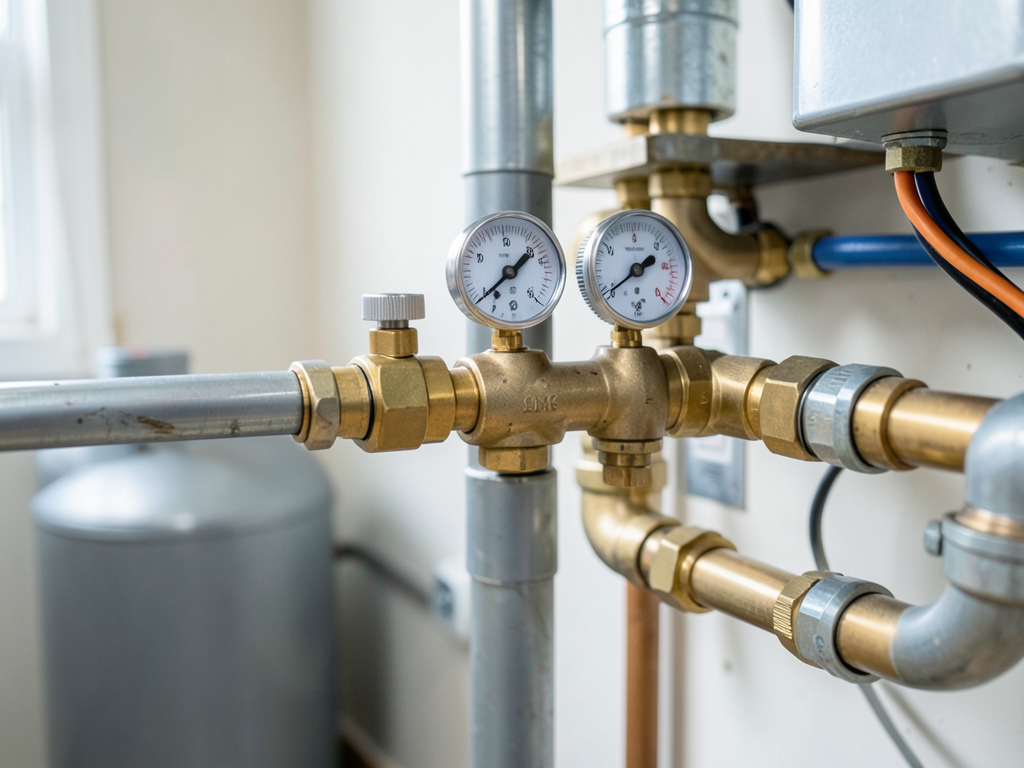
Check all zone pressures with a calibrated gauge. Low pressure indicates leaks in the tubing system. We test to 15-20 PSI and monitor for 15 minutes to confirm stability. Top Rated Plumbers for High Rise Condos in the Gold Coast.
- Circulator Pump Inspection
Listen for bearing noise and check amp draw. A healthy pump runs at 0.5-0.8 amps depending on size. Higher readings suggest worn bearings or impeller damage.
- Air Elimination Check
Purge air from the system using the air separator. Air pockets cause gurgling sounds and cold zones. We bleed each zone until water flows clear.
- Boiler Combustion Analysis
Test CO2 and O2 levels in exhaust. Proper combustion shows 9-11% CO2 for natural gas. Poor combustion wastes fuel and creates dangerous conditions.
- Glycol Concentration Testing
Check antifreeze levels with a refractometer. Chicago systems need 30-50% propylene glycol for freeze protection. Low levels risk burst pipes in extreme cold.
- Thermostat Calibration
Verify each zone’s thermostat reads within 2°F of actual temperature. Digital thermostats drift over time causing comfort issues.
- Flow Balance Verification
Measure GPM through each loop with a flow meter. Balanced flow ensures even heating across all zones. We adjust balancing valves as needed.
- Expansion Tank Check
Test air charge and check for water in the tank. A failed expansion tank causes pressure fluctuations and system stress.
- Leak Detection Scan
Use thermal imaging to spot temperature anomalies indicating moisture under floors. Early leak detection prevents major damage.
- Electrical Connection Inspection
Check all wiring for corrosion or loose connections. Corroded connections cause intermittent failures when systems work hardest.
Common Issues with Chicago Hydronic Systems
Chicago’s water chemistry creates specific problems for radiant heating. The city’s hard water contains high calcium and magnesium. These minerals precipitate out when water is heated, forming scale on heat exchanger surfaces. Just 1/16 inch of scale reduces heat transfer by 15%, forcing your boiler to work harder and use more fuel.
Many Dunning homes built in the 1950s-70s still have original radiant systems. These often use steel manifolds that corrode over decades. Corrosion particles circulate through the system, clogging small ports and reducing flow. We frequently find flow rates down to 25% of design capacity in neglected systems.
Air infiltration is another common issue. Small leaks in the system allow oxygen to enter, creating corrosion and reducing heat transfer. You might hear gurgling sounds or notice cold spots on floors. Air also causes pump cavitation, leading to premature failure.
Electric vs. Hydronic Maintenance: What You Need to Know
Not all radiant systems are created equal. Dunning homes feature both electric and hydronic setups, each with different maintenance needs.
| System Type | Maintenance Frequency | Key Components | Chicago Considerations |
|---|---|---|---|
| Hydronic (Water-based) | Annual + pre-winter | Boiler, pump, manifold, PEX tubing | Hard water scaling, freeze protection |
| Electric Cable | Visual inspection only | Heating cables, thermostat | Floor covering compatibility |
| Electric Mat | Visual inspection only | Heating mat, floor sensor | Installation age verification |
Hydronic systems need professional maintenance because they have moving parts and water chemistry issues. Electric systems are essentially maintenance-free but can fail suddenly if the heating element breaks. We use thermal cameras to scan electric systems for hot spots indicating failing cables.
Pre-Winter System Startup Guide
Before Chicago’s first freeze, run through this startup checklist:
- Turn system on and check all zones heat within 30 minutes
- Listen for unusual pump noises like grinding or clicking
- Check manifold pressure gauge reads 12-18 PSI when cold
- Verify thermostat programming for winter schedule
- Inspect visible pipes for corrosion or moisture
- Test emergency shutoff valves operate smoothly
Pay special attention to areas near exterior walls where pipes might freeze. In older Dunning bungalows, we often find uninsulated pipes in crawl spaces or basements. Adding foam insulation here prevents freeze damage during extreme cold snaps.
Energy Efficiency Optimization for Illinois Winters
Well-maintained radiant systems use 15-20% less energy than neglected ones. Here’s how to maximize efficiency:
Zone balancing makes a huge difference. Many homes have zones that are too hot or too cold relative to others. We use flow meters to adjust each loop to its design flow rate, typically 0.5-1.5 GPM depending on loop length and pipe size.
Boiler reset controls save significant fuel. These adjust water temperature based on outdoor conditions. On mild days, your system needs less heat. A reset control can reduce water temperature from 140°F to 100°F when it’s 40°F outside, saving 10-15% on fuel.
Smart thermostats with floor sensors prevent overheating. Standard thermostats measure air temperature, but radiant heat warms objects and people directly. Floor sensors ensure your system maintains comfortable surface temperatures without wasting energy.
Signs of Sub-Floor Leaks or Pump Failure
Early detection prevents major damage. Watch for these warning signs:
- Sudden pressure drops requiring frequent system refills
- Wet spots on floors that come and go
- Musty odors from under flooring
- Hot or cold spots that don’t match thermostat settings
- Higher than normal water bills
- Boiler short-cycling (turning on/off rapidly)
Thermal imaging is our go-to tool for leak detection. It shows temperature differences as little as 2°F, revealing wet areas under floors without demolition. We can pinpoint leaks within a few square feet, saving you from tearing up entire rooms.
Pump failure often starts subtly. You might notice zones taking longer to heat or uneven temperatures. A failing pump might run quietly but not move enough water. Amp draw tests reveal pumps working harder than normal, a sign they’re about to fail.
Cost Factors for Professional Maintenance in Chicago
Professional radiant heating service in Chicago typically costs $250-450 for a complete system check. Factors affecting price include:
- Number of zones (each adds 15-20 minutes)
- System age and accessibility
- Boiler type (condensing vs standard)
- Whether glycol testing is needed
- Travel distance within Chicago
Emergency service during a cold snap costs 1.5-2x normal rates. Scheduling maintenance in October or November is cheaper and ensures your system is ready before problems occur. Many Dunning homeowners schedule annual service with local plumbers who understand the specific challenges of Chicago’s climate and water. 24 Hour Emergency Plumbers in Lincoln Park for Immediate Help.
Frequently Asked Questions
How often should I service my radiant floor heating?
Hydronic systems need annual professional service plus a pre-winter check. Electric systems need only visual inspection unless you notice heating problems.
What is the cost of a maintenance visit in Chicago?
Standard service runs $250-450 depending on system complexity. Emergency service during cold snaps costs more due to demand.
Can I maintain my radiant system myself?
You can check basic operation and pressure, but professional service requires specialized tools like combustion analyzers and flow meters. DIY mistakes can damage expensive components.
How long do radiant heating systems last?
Quality PEX tubing lasts 50+ years. Boilers typically need replacement every 15-25 years depending on water quality and maintenance. Pumps last 10-15 years.
What causes cold spots in radiant floors?
Common causes include air in the lines, flow blockages from scale or corrosion, thermostat problems, or failing pumps. Professional diagnosis identifies the specific issue.
Emergency Response for Radiant Heating Failures
When your radiant system fails during a Chicago cold snap, every hour matters. Here’s what to do:
- Check thermostat batteries and settings first
- Verify manifold pressure is 12-18 PSI
- Listen for pump operation (should run continuously)
- Check boiler for error codes or reset lights
- Call for emergency service if basics check out
Many Dunning homes have boiler rooms in basements or utility closets. Clear access to these areas saves valuable time during emergency calls. Keep your system manual handy with model numbers for faster service.
We stock common radiant parts on our trucks because waiting for parts during extreme cold isn’t an option. Our technicians carry circulator pumps, zone valves, and control boards to restore heat the same day.
Local Expertise Makes the Difference
Dunning’s mix of 1950s ranches and newer construction means we see every type of radiant system. The area’s clay soil and freeze-thaw cycles create specific challenges. We know which manifolds fail first in this neighborhood and which boiler models need more frequent service.
Chicago’s building code requires specific materials and installation methods for radiant heating. We stay current on all local requirements, ensuring your system meets code and runs efficiently. Our technicians hold all required Illinois licenses and certifications.
When you call for radiant heating service in Dunning, you’re getting plumbers who understand the unique character of your home and the specific demands of Chicago winters. We treat every service call like we’re working in our own home.
Schedule Your Radiant Heating Maintenance Today
Don’t wait for a cold snap to discover problems with your radiant heating. A Plus Plumbing Chicago provides thorough maintenance that keeps your system running efficiently through the harshest Chicago winters. Our technicians arrive on time, diagnose issues accurately, and explain everything in plain language.
Call us at (773) 514-5111 to schedule your radiant heating maintenance. We serve Dunning and all Northwest Side neighborhoods with fast, reliable service. Our upfront pricing means no surprises, and our work is backed by our satisfaction guarantee.
Winter in Chicago is unpredictable. A well-maintained radiant system provides reliable comfort when you need it most. Let us help you stay warm this season with professional maintenance that prevents emergencies before they happen.
Ready to schedule service? Call (773) 514-5111 now or request an appointment online. Our team is standing by to help keep your Dunning home warm and comfortable all winter long. For more information, visit IICRC standards.
{
“@context”: “https://schema.org”,
“@type”: “BlogPosting”,
“headline”: “Maintaining the Radiant Floor Heating in Your Dunning Home During a Cold Snap”,
“description”: “Expert tips for keeping your Dunning radiant floor heating running smoothly through Chicago’s coldest snaps. Learn essential maintenance steps now.”,
“wordCount”: 1864,
“datePublished”: “2026-05-01T11:56:00.000Z”,
“dateModified”: “2026-05-01T11:56:00.000Z”,
“inLanguage”: “en-US”,
“mainEntityOfPage”: {
“@type”: “WebPage”,
“@id”: “https://aplusplumbingchicago.com”
},
“publisher”: {
“@type”: “LocalBusiness”,
“name”: “A Plus Plumbing Chicago”,
“url”: “https://aplusplumbingchicago.com”
},
“author”: {
“@type”: “Organization”,
“name”: “A Plus Plumbing Chicago”,
“url”: “https://aplusplumbingchicago.com”
}
}
{
“@context”: “https://schema.org”,
“@type”: “Plumber”,
“name”: “A Plus Plumbing Chicago”,
“url”: “https://aplusplumbingchicago.com”,
“address”: {
“@type”: “PostalAddress”,
“addressLocality”: “Chicago”
},
“areaServed”: {
“@type”: “City”,
“name”: “Chicago”
}
}
{
“@context”: “https://schema.org”,
“@type”: “FAQPage”,
“mainEntity”: [
{
“@type”: “Question”,
“name”: “How often should I service my radiant floor heating?”,
“acceptedAnswer”: {
“@type”: “Answer”,
“text”: “Hydronic systems need annual professional service plus a pre-winter check. Electric systems need only visual inspection unless you notice heating problems.”
}
},
{
“@type”: “Question”,
“name”: “What is the cost of a maintenance visit in Chicago?”,
“acceptedAnswer”: {
“@type”: “Answer”,
“text”: “Standard service runs $250-450 depending on system complexity. Emergency service during cold snaps costs more due to demand.”
}
},
{
“@type”: “Question”,
“name”: “Can I maintain my radiant system myself?”,
“acceptedAnswer”: {
“@type”: “Answer”,
“text”: “You can check basic operation and pressure, but professional service requires specialized tools like combustion analyzers and flow meters. DIY mistakes can damage expensive components.”
}
},
{
“@type”: “Question”,
“name”: “How long do radiant heating systems last?”,
“acceptedAnswer”: {
“@type”: “Answer”,
“text”: “Quality PEX tubing lasts 50+ years. Boilers typically need replacement every 15-25 years depending on water quality and maintenance. Pumps last 10-15 years.”
}
},
{
“@type”: “Question”,
“name”: “What causes cold spots in radiant floors?”,
“acceptedAnswer”: {
“@type”: “Answer”,
“text”: “Common causes include air in the lines, flow blockages from scale or corrosion, thermostat problems, or failing pumps. Professional diagnosis identifies the specific issue.”
}
}
]
}
{
“@context”: “https://schema.org”,
“@type”: “HowTo”,
“name”: “Radiant Floor Heating Maintenance Checklist”,
“step”: [
{
“@type”: “HowToStep”,
“position”: 1,
“name”: “Manifold Pressure Test”,
“text”: “Check all zone pressures with a calibrated gauge. Low pressure indicates leaks in the tubing system. We test to 15-20 PSI and monitor for 15 minutes to confirm stability. Top Rated Plumbers for High Rise Condos in the Gold Coast.”
},
{
“@type”: “HowToStep”,
“position”: 2,
“name”: “Circulator Pump Inspection”,
“text”: “Listen for bearing noise and check amp draw. A healthy pump runs at 0.5-0.8 amps depending on size. Higher readings suggest worn bearings or impeller damage.”
},
{
“@type”: “HowToStep”,
“position”: 3,
“name”: “Air Elimination Check”,
“text”: “Purge air from the system using the air separator. Air pockets cause gurgling sounds and cold zones. We bleed each zone until water flows clear.”
},
{
“@type”: “HowToStep”,
“position”: 4,
“name”: “Boiler Combustion Analysis”,
“text”: “Test CO2 and O2 levels in exhaust. Proper combustion shows 9-11% CO2 for natural gas. Poor combustion wastes fuel and creates dangerous conditions.”
},
{
“@type”: “HowToStep”,
“position”: 5,
“name”: “Glycol Concentration Testing”,
“text”: “Check antifreeze levels with a refractometer. Chicago systems need 30-50% propylene glycol for freeze protection. Low levels risk burst pipes in extreme cold.”
},
{
“@type”: “HowToStep”,
“position”: 6,
“name”: “Thermostat Calibration”,
“text”: “Verify each zone’s thermostat reads within 2°F of actual temperature. Digital thermostats drift over time causing comfort issues.”
},
{
“@type”: “HowToStep”,
“position”: 7,
“name”: “Flow Balance Verification”,
“text”: “Measure GPM through each loop with a flow meter. Balanced flow ensures even heating across all zones. We adjust balancing valves as needed.”
},
{
“@type”: “HowToStep”,
“position”: 8,
“name”: “Expansion Tank Check”,
“text”: “Test air charge and check for water in the tank. A failed expansion tank causes pressure fluctuations and system stress.”
},
{
“@type”: “HowToStep”,
“position”: 9,
“name”: “Leak Detection Scan”,
“text”: “Use thermal imaging to spot temperature anomalies indicating moisture under floors. Early leak detection prevents major damage.”
},
{
“@type”: “HowToStep”,
“position”: 10,
“name”: “Electrical Connection Inspection”,
“text”: “Check all wiring for corrosion or loose connections. Corroded connections cause intermittent failures when systems work hardest.”
}
]
}
{
“@context”: “https://schema.org”,
“@type”: “BreadcrumbList”,
“itemListElement”: [
{
“@type”: “ListItem”,
“position”: 1,
“name”: “Home”,
“item”: “https://aplusplumbingchicago.com”
},
{
“@type”: “ListItem”,
“position”: 2,
“name”: “Blog”,
“item”: “https://aplusplumbingchicago.com/blog”
},
{
“@type”: “ListItem”,
“position”: 3,
“name”: “Maintaining the Radiant Floor Heating in Your Dunning Home During a Cold Snap”
}
]
}
{
“@context”: “https://schema.org”,
“@type”: “Service”,
“serviceType”: “Plumbing”,
“provider”: {
“@type”: “LocalBusiness”,
“name”: “A Plus Plumbing Chicago”,
“url”: “https://aplusplumbingchicago.com”
},
“areaServed”: {
“@type”: “City”,
“name”: “Chicago”
},
“description”: “Expert tips for keeping your Dunning radiant floor heating running smoothly through Chicago’s coldest snaps. Learn essential maintenance steps now.”
}