
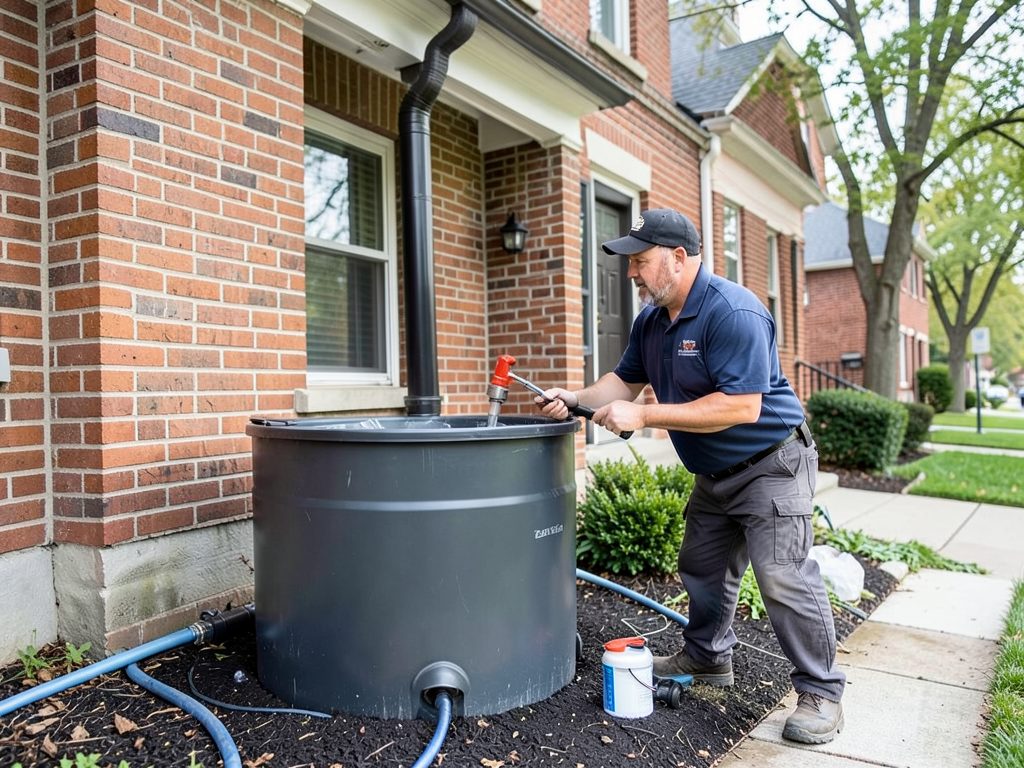
Legal Rainwater Harvesting and Drainage Solutions for Your North Center Backyard
Chicago homeowners in North Center are increasingly turning to rainwater harvesting as a way to manage stormwater and reduce water bills. However, before installing rain barrels or drainage systems, you need to understand the city’s specific regulations. This guide breaks down what’s legal, what requires permits, and how to stay compliant with Chicago’s building codes. Why River North Business Owners Trust Us for Rapid Commercial Plumbing Repairs.
Understanding Chicago’s Rainwater Harvesting Laws
The City of Chicago regulates rainwater harvesting through the Municipal Code and Illinois Plumbing Code. These rules exist to protect public health and ensure proper stormwater management across the city’s combined sewer system. Wicker Park Sewer Line Repair Specialists for Older Chicago Homes.
Chicago’s approach focuses on non-potable uses like irrigation and toilet flushing. The city encourages residents to disconnect downspouts and install rain barrels as part of its Green Stormwater Infrastructure initiative. However, there are specific requirements you must follow.
The Metropolitan Water Reclamation District (MWRD) offers free rain barrels to residents and provides guidelines for proper installation. These barrels must be properly secured and have overflow directed away from your home’s foundation.
When You Need a Permit for Rainwater Systems
Not all rainwater harvesting systems require permits in Chicago. The city uses an Easy Permit Process (EPP) for minor installations. You’ll need a permit when:
- Installing permanent cisterns over 55 gallons
- Connecting systems to your home’s plumbing for toilet flushing
- Creating underground storage systems
- Modifying your home’s drainage system
For simple rain barrels connected to downspouts, you typically don’t need a permit. But if you’re planning a more complex system, you’ll need to submit plans to the Department of Buildings.
The permit process involves submitting detailed drawings showing how water will flow through your system. You’ll need to demonstrate proper backflow prevention and overflow management to the Chicago sewer system.
Technical Requirements for Legal Systems
Chicago requires specific technical features for all rainwater harvesting systems. These requirements protect both your property and the city’s water infrastructure.
Backflow prevention is mandatory for any system connected to your home’s plumbing. This prevents contaminated water from flowing back into the city’s clean water supply. You’ll need a reduced pressure principle backflow preventer installed by a licensed plumber.
Overflow management is equally important. Your system must have a way to handle excess water during heavy storms. This typically means directing overflow to a dry well, rain garden, or the city’s storm sewer system.. Read more about How Chicagos Heavy Clay Soil Affects Your Underground Sewer Lines.
All storage tanks must be clearly labeled as non-potable water. This prevents accidental consumption and meets city safety requirements. Tanks should also be opaque to prevent algae growth.
North Center’s Specific Considerations
North Center’s older homes and mature trees create unique challenges for rainwater harvesting. Many properties have clay soil that drains slowly, making proper overflow management critical.
The area’s combined sewer system means that during heavy rains, stormwater and sewage flow through the same pipes. This makes reducing runoff through rain barrels especially beneficial for preventing basement backups.
North Center’s tree canopy can also affect your system. Falling leaves can clog gutters and downspouts, so you’ll need to plan for regular maintenance or install leaf guards on your gutters.
Cost Factors and System Options
The cost of rainwater harvesting systems varies widely based on complexity. A basic rain barrel setup might cost $100-$300, while a full cistern system with plumbing connections can run $3,000-$10,000.
Factors affecting cost include:
| System Component | Cost Range | Permit Required |
|---|---|---|
| Basic rain barrel | $100-$300 | No |
| Multiple connected barrels | $300-$800 | No |
| Underground cistern | $2,000-$8,000 | Yes |
| Plumbing integration | $1,500-$5,000 | Yes |
| Complete system | $3,000-$15,000 | Yes |
Professional installation ensures your system meets all code requirements. A licensed plumber can also help you maximize water collection while maintaining proper drainage away from your foundation.. Read more about Preparing Your Yard Drainage for the Massive Chicago Spring Thaw in Morgan Park.
Winterization and Maintenance
Chicago’s harsh winters require specific maintenance for rainwater systems. You must disconnect and drain all barrels before the first freeze to prevent cracking. This typically means removing them in late October or early November.
During the off-season, store barrels upside down in a protected area. Clean them thoroughly before reinstalling in spring to prevent contamination.
Regular maintenance includes checking for leaks, cleaning filters, and ensuring overflow paths remain clear. You should inspect your system at least twice yearly, ideally before spring rains and after fall leaf drop.
Financial Incentives and Rebates
The MWRD offers free rain barrels to eligible residents through its Rain Barrel Program. You can request up to four barrels per household while supplies last. This program helps reduce stormwater runoff and promotes water conservation.
Some local environmental organizations also offer workshops on rainwater harvesting, often including discounted barrels or installation assistance. Check with groups like the Center for Neighborhood Technology for current programs.
While Chicago doesn’t offer direct tax incentives for rainwater harvesting, reducing stormwater runoff can help you avoid potential fines for improper drainage. Some insurance companies may also offer discounts for properties with approved stormwater management systems.
Common Mistakes to Avoid
Many homeowners make costly mistakes when installing rainwater systems. Here are the most common errors and how to avoid them:
- Improper overflow direction
Directing overflow toward your foundation can cause basement flooding. Always ensure overflow drains at least 10 feet from your home.
- Missing backflow prevention
Connecting rain barrels to indoor plumbing without proper backflow devices violates code and risks contaminating your drinking water.
- Ignoring freeze protection
Leaving barrels outside during winter causes cracking. Always disconnect and store them before freezing temperatures arrive.
- Using incorrect materials
Standard garden hoses aren’t rated for potable water systems. Use proper plumbing materials even for non-potable applications. Top Rated Plumbers for High Rise Condos in the Gold Coast.
- Blocking emergency overflow
Never completely seal your system. Always provide a clear path for excess water during heavy storms.
Professional vs. DIY Installation
Simple rain barrel setups are often DIY-friendly. However, more complex systems require professional expertise to ensure code compliance and proper function.
Consider professional installation when:
- Connecting to your home’s plumbing system
- Installing underground storage
- Dealing with complicated roof configurations
- Needing engineered drainage solutions
A licensed plumber can also help you navigate the permit process and ensure your system meets all Chicago requirements. This prevents costly mistakes and potential fines.
Environmental Benefits
Rainwater harvesting provides significant environmental benefits beyond water conservation. By capturing stormwater, you help reduce the burden on Chicago’s combined sewer system.
This reduction in runoff helps prevent combined sewer overflows, which occur when heavy rain overwhelms the system and forces untreated sewage into local waterways. Every gallon you capture is one less gallon entering the storm sewer.
Using rainwater for irrigation also reduces demand on treated municipal water. This saves energy used in water treatment and distribution while lowering your water bills.
Future-Proofing Your System
When planning your rainwater harvesting system, consider future needs and potential expansions. Even if you start with a simple barrel setup, you might want to expand later.
Design your initial installation with expansion in mind. This might mean installing larger downspout pipes or planning for additional barrel connections. Consider your roof’s total collection area when sizing your system.
Also think about how your needs might change. A system designed primarily for garden irrigation could later be expanded to include toilet flushing or laundry use with proper plumbing modifications.
Getting Started with Your System
Ready to install a rainwater harvesting system? Start by assessing your property’s needs and constraints. Consider your roof size, typical rainfall, and intended uses for the collected water.
Next, check your local regulations and permit requirements. Even if you’re planning a simple barrel setup, understanding the rules helps you avoid mistakes.
Finally, decide whether DIY installation meets your needs or if professional help would be worthwhile. For simple systems, DIY can save money. For complex installations, professional expertise ensures everything works correctly and legally.
Learn more about Chicago’s rain barrel program or check MWRD’s rain barrel guidelines for official requirements.
Frequently Asked Questions
Can I use rainwater for drinking or cooking?
No. Chicago regulations prohibit using harvested rainwater for potable purposes without extensive treatment and permits. Stick to non-potable uses like irrigation and toilet flushing.
How much water can I collect from my roof?
A good rule of thumb: 1 inch of rain on 1,000 square feet of roof yields about 600 gallons. Chicago averages 38 inches of rain annually, so a typical home could collect over 20,000 gallons yearly.
Do I need to worry about mosquitoes?
Yes. All storage containers must have secure lids or screens to prevent mosquito breeding. This is both a health requirement and a city ordinance.
What happens if my system overflows?
Your system must have an overflow outlet that directs excess water away from your foundation. This prevents basement flooding and meets city drainage requirements.
Can I install a system in a historic district?
Yes, but you may need additional approvals from the Commission on Chicago Landmarks. Check with your local landmark district before installing visible components.
How long do rain barrels typically last?
With proper maintenance, quality rain barrels last 10-15 years. UV-resistant materials and proper winter storage extend their lifespan significantly.
Will a rainwater system affect my property value?
Properly installed systems can be a selling point, especially as water conservation becomes more important. However, poorly maintained or unsightly systems could detract from curb appeal.
Can I connect multiple barrels together?
Yes. Connecting barrels increases storage capacity and is a common practice. Just ensure all connections are properly sealed and the system has adequate overflow capacity.
What about water rights in Illinois?
Illinois follows riparian water rights, meaning you can capture rainwater falling on your property. No special water rights are needed for typical residential systems.
How do I clean my rain barrels?
Clean barrels annually using a mixture of water and vinegar or a mild bleach solution. Rinse thoroughly and let dry completely before refilling.
Can I use rainwater for my vegetable garden?
Yes, rainwater is excellent for vegetable gardens. However, avoid using roof-collected water on leafy greens that are eaten raw, as roofing materials may contain contaminants.
What if I have a flat roof?
Flat roofs can still be used for rainwater harvesting, but you’ll need to account for slower drainage and potential debris accumulation. Consider installing roof drains and first-flush diverters.
Are there any restrictions on tank size?
While there’s no specific size limit for residential systems, very large tanks may trigger additional permitting requirements. Check with the Department of Buildings for guidance on your specific situation.
Can I install a system myself or do I need a plumber?
Simple barrel setups are often DIY-friendly. However, any system connected to your home’s plumbing or requiring permits should be installed by a licensed plumber to ensure code compliance.
What’s the best location for rain barrels?
Place barrels on level, stable ground near downspouts. Ensure the location allows for proper overflow drainage and is easily accessible for maintenance.
You may also find this helpful. Why Your Sump Pump Runs Even When It Is Not Raining in Galewood.
{
“@context”: “https://schema.org”,
“@type”: “BlogPosting”,
“headline”: “Legal Rainwater Harvesting and Drainage Solutions for Your North Center Backyard”,
“description”: “Learn Chicago’s rainwater harvesting laws and how to legally install rain barrels and drainage systems in North Center while complying with city codes.”,
“wordCount”: 1814,
“datePublished”: “2026-06-19T09:52:00.000Z”,
“dateModified”: “2026-06-19T09:52:00.000Z”,
“inLanguage”: “en-US”,
“mainEntityOfPage”: {
“@type”: “WebPage”,
“@id”: “https://aplusplumbingchicago.com”
},
“publisher”: {
“@type”: “LocalBusiness”,
“name”: “A Plus Plumbing Chicago”,
“url”: “https://aplusplumbingchicago.com”
},
“author”: {
“@type”: “Organization”,
“name”: “A Plus Plumbing Chicago”,
“url”: “https://aplusplumbingchicago.com”
},
“image”: {
“@type”: “ImageObject”,
“url”: “https://aplusplumbingchicago.com/wp-content/uploads/2026/03/legal-rainwater-harvesting-and-drainage-solutions-1.png”
}
}
{
“@context”: “https://schema.org”,
“@type”: “Plumber”,
“name”: “A Plus Plumbing Chicago”,
“url”: “https://aplusplumbingchicago.com”,
“address”: {
“@type”: “PostalAddress”,
“addressLocality”: “Chicago”
},
“areaServed”: {
“@type”: “City”,
“name”: “Chicago”
}
}
{
“@context”: “https://schema.org”,
“@type”: “FAQPage”,
“mainEntity”: [
{
“@type”: “Question”,
“name”: “Can I use rainwater for drinking or cooking?”,
“acceptedAnswer”: {
“@type”: “Answer”,
“text”: “No. Chicago regulations prohibit using harvested rainwater for potable purposes without extensive treatment and permits. Stick to non-potable uses like irrigation and toilet flushing.”
}
},
{
“@type”: “Question”,
“name”: “How much water can I collect from my roof?”,
“acceptedAnswer”: {
“@type”: “Answer”,
“text”: “A good rule of thumb: 1 inch of rain on 1,000 square feet of roof yields about 600 gallons. Chicago averages 38 inches of rain annually, so a typical home could collect over 20,000 gallons yearly.”
}
},
{
“@type”: “Question”,
“name”: “Do I need to worry about mosquitoes?”,
“acceptedAnswer”: {
“@type”: “Answer”,
“text”: “Yes. All storage containers must have secure lids or screens to prevent mosquito breeding. This is both a health requirement and a city ordinance.”
}
},
{
“@type”: “Question”,
“name”: “What happens if my system overflows?”,
“acceptedAnswer”: {
“@type”: “Answer”,
“text”: “Your system must have an overflow outlet that directs excess water away from your foundation. This prevents basement flooding and meets city drainage requirements.”
}
},
{
“@type”: “Question”,
“name”: “Can I install a system in a historic district?”,
“acceptedAnswer”: {
“@type”: “Answer”,
“text”: “Yes, but you may need additional approvals from the Commission on Chicago Landmarks. Check with your local landmark district before installing visible components.”
}
},
{
“@type”: “Question”,
“name”: “How long do rain barrels typically last?”,
“acceptedAnswer”: {
“@type”: “Answer”,
“text”: “With proper maintenance, quality rain barrels last 10-15 years. UV-resistant materials and proper winter storage extend their lifespan significantly.”
}
},
{
“@type”: “Question”,
“name”: “Will a rainwater system affect my property value?”,
“acceptedAnswer”: {
“@type”: “Answer”,
“text”: “Properly installed systems can be a selling point, especially as water conservation becomes more important. However, poorly maintained or unsightly systems could detract from curb appeal.”
}
},
{
“@type”: “Question”,
“name”: “Can I connect multiple barrels together?”,
“acceptedAnswer”: {
“@type”: “Answer”,
“text”: “Yes. Connecting barrels increases storage capacity and is a common practice. Just ensure all connections are properly sealed and the system has adequate overflow capacity.”
}
},
{
“@type”: “Question”,
“name”: “What about water rights in Illinois?”,
“acceptedAnswer”: {
“@type”: “Answer”,
“text”: “Illinois follows riparian water rights, meaning you can capture rainwater falling on your property. No special water rights are needed for typical residential systems.”
}
},
{
“@type”: “Question”,
“name”: “How do I clean my rain barrels?”,
“acceptedAnswer”: {
“@type”: “Answer”,
“text”: “Clean barrels annually using a mixture of water and vinegar or a mild bleach solution. Rinse thoroughly and let dry completely before refilling.”
}
},
{
“@type”: “Question”,
“name”: “Can I use rainwater for my vegetable garden?”,
“acceptedAnswer”: {
“@type”: “Answer”,
“text”: “Yes, rainwater is excellent for vegetable gardens. However, avoid using roof-collected water on leafy greens that are eaten raw, as roofing materials may contain contaminants.”
}
},
{
“@type”: “Question”,
“name”: “What if I have a flat roof?”,
“acceptedAnswer”: {
“@type”: “Answer”,
“text”: “Flat roofs can still be used for rainwater harvesting, but you’ll need to account for slower drainage and potential debris accumulation. Consider installing roof drains and first-flush diverters.”
}
},
{
“@type”: “Question”,
“name”: “Are there any restrictions on tank size?”,
“acceptedAnswer”: {
“@type”: “Answer”,
“text”: “While there’s no specific size limit for residential systems, very large tanks may trigger additional permitting requirements. Check with the Department of Buildings for guidance on your specific situation.”
}
},
{
“@type”: “Question”,
“name”: “Can I install a system myself or do I need a plumber?”,
“acceptedAnswer”: {
“@type”: “Answer”,
“text”: “Simple barrel setups are often DIY-friendly. However, any system connected to your home’s plumbing or requiring permits should be installed by a licensed plumber to ensure code compliance.”
}
},
{
“@type”: “Question”,
“name”: “What’s the best location for rain barrels?”,
“acceptedAnswer”: {
“@type”: “Answer”,
“text”: “Place barrels on level, stable ground near downspouts. Ensure the location allows for proper overflow drainage and is easily accessible for maintenance.”
}
}
]
}
{
“@context”: “https://schema.org”,
“@type”: “HowTo”,
“name”: “Common Rainwater Harvesting Mistakes”,
“step”: [
{
“@type”: “HowToStep”,
“position”: 1,
“name”: “Improper overflow direction”,
“text”: “Directing overflow toward your foundation can cause basement flooding. Always ensure overflow drains at least 10 feet from your home.”
},
{
“@type”: “HowToStep”,
“position”: 2,
“name”: “Missing backflow prevention”,
“text”: “Connecting rain barrels to indoor plumbing without proper backflow devices violates code and risks contaminating your drinking water.”
},
{
“@type”: “HowToStep”,
“position”: 3,
“name”: “Ignoring freeze protection”,
“text”: “Leaving barrels outside during winter causes cracking. Always disconnect and store them before freezing temperatures arrive.”
},
{
“@type”: “HowToStep”,
“position”: 4,
“name”: “Using incorrect materials”,
“text”: “Standard garden hoses aren’t rated for potable water systems. Use proper plumbing materials even for non-potable applications. Top Rated Plumbers for High Rise Condos in the Gold Coast.”
},
{
“@type”: “HowToStep”,
“position”: 5,
“name”: “Blocking emergency overflow”,
“text”: “Never completely seal your system. Always provide a clear path for excess water during heavy storms.”
}
],
“image”: “https://aplusplumbingchicago.com/wp-content/uploads/2026/03/legal-rainwater-harvesting-and-drainage-solutions-1.png”
}
{
“@context”: “https://schema.org”,
“@type”: “BreadcrumbList”,
“itemListElement”: [
{
“@type”: “ListItem”,
“position”: 1,
“name”: “Home”,
“item”: “https://aplusplumbingchicago.com”
},
{
“@type”: “ListItem”,
“position”: 2,
“name”: “Blog”,
“item”: “https://aplusplumbingchicago.com/blog”
},
{
“@type”: “ListItem”,
“position”: 3,
“name”: “Legal Rainwater Harvesting and Drainage Solutions for Your North Center Backyard”
}
]
}
{
“@context”: “https://schema.org”,
“@type”: “Service”,
“serviceType”: “Plumbing”,
“provider”: {
“@type”: “LocalBusiness”,
“name”: “A Plus Plumbing Chicago”,
“url”: “https://aplusplumbingchicago.com”
},
“areaServed”: {
“@type”: “City”,
“name”: “Chicago”
},
“description”: “Learn Chicago’s rainwater harvesting laws and how to legally install rain barrels and drainage systems in North Center while complying with city codes.”
}