
Identifying a Slab Leak in Your Ground Floor Condo in South Loop
Living in a ground floor condo in Chicago’s South Loop means enjoying proximity to Lake Michigan and vibrant city life. But it also means being aware of unique plumbing challenges that can develop beneath your feet. A slab leak occurs when water pipes under your concrete foundation develop cracks or breaks, allowing water to seep into the surrounding soil and concrete. These leaks can cause significant damage if left unaddressed, making early detection crucial for South Loop residents. Chicago Plumbing Code Requirements.
Common Signs of a Slab Leak in South Loop Condos
Understanding the warning signs can help you catch a slab leak before it causes extensive damage. Here are the most common indicators that something might be wrong beneath your condo’s foundation.
1. Unexpected Hot Spots on Your Floor
If you notice areas of your floor that feel unusually warm, this often indicates a hot water line leak beneath the slab. These warm spots might be small at first but can grow larger as the leak worsens. In South Loop condos, where many buildings feature concrete slab construction, these temperature variations can be particularly noticeable on tile or hardwood floors.
2. Sudden Increases in Your Water Bill
A slab leak creates a constant flow of water, even when all fixtures are turned off. This continuous water usage will show up on your monthly bill as an unexplained spike. South Loop residents should compare their current water usage to previous months and look for patterns that don’t match their actual water consumption habits.
3. Sound of Running Water When Everything is Off
Place your ear against the floor or wall in quiet moments. If you hear the sound of running water when all taps and appliances are off, this could indicate water escaping from a pipe under the slab. The sound might be faint at first but becomes more noticeable as the leak grows.
4. Foundation Cracks or Shifts
Water leaking under your slab can cause the concrete to shift or crack. Look for new cracks in your walls, especially near door frames or windows. In South Loop’s older buildings, foundation movement can be more pronounced due to the area’s clay soil composition, which expands and contracts with moisture changes.
5. Mold or Mildew Growth
Persistent moisture from a slab leak creates ideal conditions for mold and mildew growth. You might notice musty odors, dark spots on walls or carpets, or visible mold in areas near the floor. South Loop’s humid summer climate can accelerate mold growth once moisture becomes trapped under flooring materials.
6. Low Water Pressure
A leak in your water line reduces the pressure available at your fixtures. If you notice that your water pressure has dropped significantly without any other explanation, a slab leak could be the culprit. This is particularly noticeable in multi-story South Loop buildings where pressure is already a consideration.
Why South Loop Condos Are Susceptible to Slab Leaks
South Loop’s unique characteristics create specific conditions that can contribute to slab leaks. Understanding these factors helps explain why this neighborhood requires special attention when it comes to foundation plumbing.
Soil Composition and Groundwater Issues
Chicago’s South Loop sits on clay-rich soil that expands when wet and contracts when dry. This constant movement puts stress on underground pipes. Additionally, the area’s proximity to Lake Michigan means a higher water table, which can increase hydrostatic pressure on underground plumbing systems.
Building Age and Construction Methods
Many South Loop buildings were constructed during different eras, each with varying plumbing standards. Older buildings might have copper pipes that have corroded over decades, while newer constructions might use PEX piping that, while more flexible, can still develop leaks under certain conditions. The freeze-thaw cycles common in Chicago can accelerate pipe deterioration regardless of material.
Concrete Slab Construction
Ground floor condos in South Loop typically feature concrete slab foundations. While durable, these slabs make leak detection and repair more challenging because the pipes are encased in concrete. Any leak requires specialized equipment to locate without causing unnecessary damage to the structure.
Professional Detection Methods for South Loop Slab Leaks
Modern technology has made slab leak detection much more precise and less invasive. Professional plumbers use several methods to pinpoint leaks without tearing up your entire floor. Top Rated Plumbers for High Rise Condos in the Gold Coast.
Electronic Leak Detection
Technicians use sensitive electronic equipment to listen for the sound of water escaping from pipes. These devices can detect leaks through concrete and identify the exact location, often within inches. This method is particularly useful in South Loop’s multi-unit buildings where minimizing disruption is crucial.
Thermal Imaging
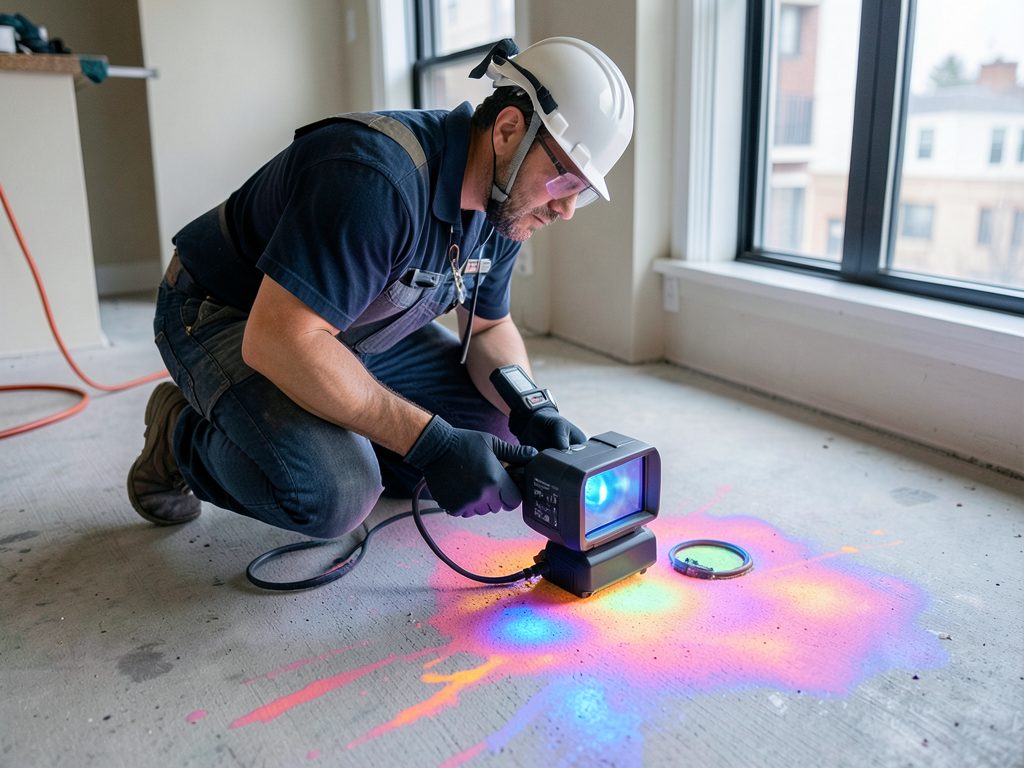
Infrared cameras can detect temperature variations in your floor that indicate hot water leaks. This non-invasive method allows technicians to scan large areas quickly and identify problem spots without any physical contact with your flooring.
Pressure Testing
Plumbers can isolate sections of your plumbing system and test for pressure drops that indicate leaks. This method helps determine whether the leak is in the hot or cold water lines and can identify the general area where the problem exists. 24 Hour Emergency Plumbers in Lincoln Park for Immediate Help.
Video Camera Inspection
For leaks that might be in drain lines rather than water supply lines, plumbers can insert small cameras into your plumbing system to visually inspect the pipes. This method is particularly useful for identifying cracks, corrosion, or blockages that could lead to future leaks.
Slab Leak vs. Other Plumbing Issues
Understanding the difference between a slab leak and other plumbing problems can help you determine when to call for professional help.
Slab Leak vs. Main Line Leak
A slab leak occurs under your concrete foundation, while a main line leak happens in the water line running from the street to your building. Main line leaks often cause water to surface in your yard or street, whereas slab leaks typically affect only your unit’s interior.
Slab Leak vs. Fixture Leak
Fixture leaks are visible and occur at specific points like faucets, toilets, or appliances. Slab leaks are hidden beneath concrete and affect your entire water system. If you can see the source of a leak, it’s likely not a slab leak.
Slab Leak vs. Sewer Line Issues
Sewer line problems often cause different symptoms, such as sewage odors, multiple drain backups, or wet spots in your yard. Slab leaks specifically affect your water supply lines and don’t typically cause sewage-related issues. Wicker Park Sewer Line Repair Specialists for Older Chicago Homes.
Immediate Steps When You Suspect a Slab Leak
If you notice signs of a slab leak, taking quick action can prevent further damage to your South Loop condo.
1. Confirm the Problem
Check all visible plumbing fixtures for leaks. Turn off all water-using appliances and listen for running water sounds. Monitor your water meter for movement when everything is off. These steps help confirm whether you have an active leak.
2. Document the Evidence
Take photos of any visible signs like water spots, cracks, or mold growth. Keep records of your water bills showing unusual increases. This documentation can be helpful for insurance claims or when working with property management.
3. Contact Your Property Management
If you live in a condo association, notify property management immediately. Many South Loop buildings have specific procedures for plumbing emergencies, and they may need to coordinate access to common areas or shut off building-wide water supply.
4. Call a Professional Plumber
Professional leak detection requires specialized equipment and expertise. A qualified plumber can accurately locate the leak and recommend the most appropriate repair method for your specific situation.
Repair Options for South Loop Slab Leaks
Once a leak is confirmed, several repair approaches might be recommended depending on the specific circumstances of your South Loop condo.
Spot Repair
For isolated leaks, plumbers can access the damaged pipe through the concrete slab and make a direct repair. This method works well for newer pipes or when the leak is easily accessible without major demolition.
Pipe Rerouting
In cases where multiple leaks exist or the pipes are severely corroded, rerouting the plumbing above the slab might be more cost-effective. This approach eliminates the need to break through concrete repeatedly and can provide easier access for future maintenance.
Epoxy Pipe Lining
This trenchless technology involves coating the inside of existing pipes with epoxy to seal leaks and prevent future corrosion. It’s less invasive than traditional methods and can be completed without extensive demolition of your flooring.
Complete Repiping
For older buildings with extensive plumbing issues, complete repiping might be recommended. This involves replacing all the pipes in your unit, which can prevent future slab leaks and improve overall water pressure and quality.
Preventing Future Slab Leaks in South Loop
While not all slab leaks can be prevented, several steps can reduce your risk of experiencing this problem in your South Loop condo.
Regular Plumbing Inspections
Annual plumbing inspections can identify potential issues before they become major problems. A professional can check for signs of corrosion, pressure issues, or other warning signs specific to your building’s construction.
Water Pressure Monitoring
Excessive water pressure can stress your pipes and accelerate wear. Installing a pressure regulator can help maintain optimal pressure levels and extend the life of your plumbing system.
Water Quality Considerations
Chicago’s water chemistry can affect pipe longevity. Installing water treatment systems can reduce mineral buildup and corrosion, particularly in older buildings with copper piping.
Foundation Maintenance
While you can’t control Chicago’s freeze-thaw cycles, ensuring proper drainage around your building can reduce hydrostatic pressure on underground pipes. Keep gutters clean and ensure downspouts direct water away from the foundation.
Insurance and Financial Considerations
Understanding the financial aspects of slab leak repairs can help you prepare for potential issues in your South Loop condo.
Condo Association Responsibilities
In many South Loop condo buildings, the association is responsible for plumbing in common areas and the building’s main water supply lines. However, the pipes within your individual unit are typically your responsibility. Review your condo documents to understand the specific arrangements for your building.
Homeowner’s Insurance Coverage
Standard homeowner’s insurance policies often cover sudden and accidental water damage but may not cover the cost of repairing the actual pipe. Some policies offer additional coverage for plumbing repairs. Check with your insurance provider about your specific coverage.
Cost Factors
The cost of slab leak repair varies based on factors like the leak’s location, repair method, and your building’s construction. Spot repairs are generally less expensive than complete repiping, but the best approach depends on your specific situation and long-term considerations.
Local Building Codes and Permits
Slab leak repairs in Chicago must comply with local building codes and often require permits. Understanding these requirements can help ensure your repair is done properly and legally.
Chicago Plumbing Code Requirements
Chicago has specific requirements for plumbing materials, installation methods, and inspection procedures. Licensed plumbers must follow these codes to ensure repairs meet safety and quality standards.
Permit Process
Most slab leak repairs require permits from the City of Chicago. The permit process ensures that qualified professionals perform the work and that it meets all applicable codes and standards.
Inspection Requirements
After repairs are completed, inspections may be required to verify that the work meets code requirements. This step is crucial for ensuring the safety and reliability of your plumbing system.
Choosing the Right Plumber for Your South Loop Slab Leak
Not all plumbers have experience with slab leaks, especially in the unique environment of South Loop condos. Here’s what to look for when selecting a professional.
Experience with Local Buildings
Choose a plumber familiar with South Loop’s building types, construction methods, and common plumbing issues. Local experience means they understand the specific challenges of working in your area.
Proper Licensing and Insurance
Ensure any plumber you hire is properly licensed in Illinois and carries adequate insurance. This protects you from liability and ensures the work meets professional standards.
Advanced Detection Equipment
Slab leak detection requires specialized equipment. Choose a plumber who uses modern detection methods like electronic listening devices, thermal imaging, and video inspection tools.
Clear Communication and Documentation
A good plumber will explain their findings clearly, provide written estimates, and document the work performed. This transparency is essential for understanding the scope of repairs and any warranty coverage.
Frequently Asked Questions
How long does slab leak repair typically take?
The duration depends on the repair method and leak location. Simple spot repairs might take a few hours, while complete repiping could require several days. Most repairs can be completed within one to three days.
Will I need to move out during repairs?
Many slab leak repairs can be completed while you remain in your condo. However, water service will be interrupted during the repair, and there may be noise and dust. Your plumber can advise you on what to expect for your specific situation.
How much does slab leak repair cost in South Loop?
Costs vary widely based on factors like the repair method, leak location, and building access. Simple repairs might cost a few hundred dollars, while extensive work could run into thousands. Getting multiple estimates from qualified plumbers is recommended.
Can slab leaks cause foundation damage?
Yes, if left unrepaired, slab leaks can cause significant foundation damage. Water can erode soil beneath the foundation, cause concrete to crack, and lead to shifting that affects the entire structure. This is why prompt detection and repair is so important.
Are slab leaks covered by condo association insurance?
Coverage varies by association and the specific circumstances. Generally, the association’s insurance covers common areas and building structure, while individual unit owners are responsible for their own plumbing within the unit. Check your association documents and personal insurance policy for details.
Protect Your South Loop Investment
A slab leak can cause significant damage to your South Loop condo if not addressed promptly. By understanding the warning signs, knowing when to call for professional help, and choosing experienced local plumbers, you can protect your investment and maintain the comfort and safety of your home.
Don’t wait until minor signs become major problems. If you notice any of the symptoms described in this guide, contact a qualified plumber who understands the unique challenges of South Loop’s concrete slab construction and Chicago’s specific plumbing requirements.
Need help with a suspected slab leak in your South Loop condo? Our experienced team specializes in leak detection and repair for Chicago’s unique building stock. We use advanced technology to locate leaks quickly and minimize disruption to your home. Call us today at (773) 514-5111 for professional assessment and repair services you can trust. For more information, visit IICRC Water Damage Restoration Standards.
{
“@context”: “https://schema.org”,
“@type”: “BlogPosting”,
“headline”: “Identifying a Slab Leak in Your Ground Floor Condo in South Loop”,
“description”: “Learn to spot slab leak signs in South Loop condos. Expert guide covers warm floors, water bills, and detection tech specific to Chicago’s South Loop buildings.”,
“wordCount”: 2455,
“datePublished”: “2026-06-18T10:25:00.000Z”,
“dateModified”: “2026-06-18T10:25:00.000Z”,
“inLanguage”: “en-US”,
“mainEntityOfPage”: {
“@type”: “WebPage”,
“@id”: “https://aplusplumbingchicago.com”
},
“publisher”: {
“@type”: “LocalBusiness”,
“name”: “A Plus Plumbing Chicago”,
“url”: “https://aplusplumbingchicago.com”
},
“author”: {
“@type”: “Organization”,
“name”: “A Plus Plumbing Chicago”,
“url”: “https://aplusplumbingchicago.com”
},
“image”: {
“@type”: “ImageObject”,
“url”: “https://aplusplumbingchicago.com/wp-content/uploads/2026/03/identifying-a-slab-leak-in-your-ground-floor-condo-1.png”
}
}
{
“@context”: “https://schema.org”,
“@type”: “Plumber”,
“name”: “A Plus Plumbing Chicago”,
“url”: “https://aplusplumbingchicago.com”,
“address”: {
“@type”: “PostalAddress”,
“addressLocality”: “Chicago”
},
“areaServed”: {
“@type”: “City”,
“name”: “Chicago”
}
}
{
“@context”: “https://schema.org”,
“@type”: “FAQPage”,
“mainEntity”: [
{
“@type”: “Question”,
“name”: “How long does slab leak repair typically take?”,
“acceptedAnswer”: {
“@type”: “Answer”,
“text”: “The duration depends on the repair method and leak location. Simple spot repairs might take a few hours, while complete repiping could require several days. Most repairs can be completed within one to three days.”
}
},
{
“@type”: “Question”,
“name”: “Will I need to move out during repairs?”,
“acceptedAnswer”: {
“@type”: “Answer”,
“text”: “Many slab leak repairs can be completed while you remain in your condo. However, water service will be interrupted during the repair, and there may be noise and dust. Your plumber can advise you on what to expect for your specific situation.”
}
},
{
“@type”: “Question”,
“name”: “How much does slab leak repair cost in South Loop?”,
“acceptedAnswer”: {
“@type”: “Answer”,
“text”: “Costs vary widely based on factors like the repair method, leak location, and building access. Simple repairs might cost a few hundred dollars, while extensive work could run into thousands. Getting multiple estimates from qualified plumbers is recommended.”
}
},
{
“@type”: “Question”,
“name”: “Can slab leaks cause foundation damage?”,
“acceptedAnswer”: {
“@type”: “Answer”,
“text”: “Yes, if left unrepaired, slab leaks can cause significant foundation damage. Water can erode soil beneath the foundation, cause concrete to crack, and lead to shifting that affects the entire structure. This is why prompt detection and repair is so important.”
}
},
{
“@type”: “Question”,
“name”: “Are slab leaks covered by condo association insurance?”,
“acceptedAnswer”: {
“@type”: “Answer”,
“text”: “Coverage varies by association and the specific circumstances. Generally, the association’s insurance covers common areas and building structure, while individual unit owners are responsible for their own plumbing within the unit. Check your association documents and personal insurance policy for details.”
}
}
]
}
{
“@context”: “https://schema.org”,
“@type”: “BreadcrumbList”,
“itemListElement”: [
{
“@type”: “ListItem”,
“position”: 1,
“name”: “Home”,
“item”: “https://aplusplumbingchicago.com”
},
{
“@type”: “ListItem”,
“position”: 2,
“name”: “Blog”,
“item”: “https://aplusplumbingchicago.com/blog”
},
{
“@type”: “ListItem”,
“position”: 3,
“name”: “Identifying a Slab Leak in Your Ground Floor Condo in South Loop”
}
]
}
{
“@context”: “https://schema.org”,
“@type”: “Service”,
“serviceType”: “Plumbing”,
“provider”: {
“@type”: “LocalBusiness”,
“name”: “A Plus Plumbing Chicago”,
“url”: “https://aplusplumbingchicago.com”
},
“areaServed”: {
“@type”: “City”,
“name”: “Chicago”
},
“description”: “Learn to spot slab leak signs in South Loop condos. Expert guide covers warm floors, water bills, and detection tech specific to Chicago’s South Loop buildings.”
}