
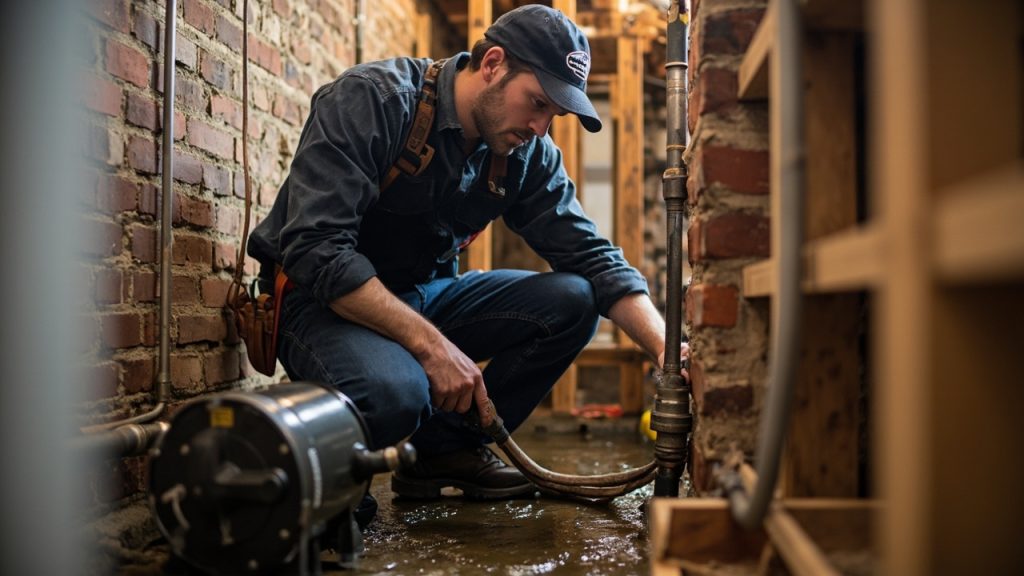
How to Get Fast Sump Pump Repair in West Loop Before the Next Big Rain
When heavy rains hit Chicago’s West Loop your sump pump becomes the last line of defense against basement flooding. A failing pump can turn a light rain into thousands of dollars in water damage within minutes. This guide shows you how to spot trouble early and get emergency repair service fast when you need it most.. Read more about Keep Your Roscoe Village Basement Dry with a New Ejector Pump Installation.
Why West Loop Homes Need Fast Sump Pump Service
The West Loop’s mix of historic loft conversions and modern high-rises creates unique drainage challenges. Many older buildings have aging sump systems that struggle with today’s heavier rainfall patterns. When water tables rise quickly these pumps must work overtime to keep basements dry.
Chicago’s combined sewer system means heavy rain can overwhelm municipal drainage causing backups that push water toward your foundation. A properly functioning sump pump is critical for protecting your property investment.
Common Sump Pump Problems in Chicago’s West Side
Sump pumps fail for several reasons. The most common issue is float switch malfunction. When the switch sticks the pump won’t activate during heavy rain. Debris in the pit can also prevent proper operation.
Power outages during storms leave pumps useless unless you have battery backup. Clogged discharge lines force water back into the pit creating a cycle that burns out the motor. Age is another factor. Most pumps last 7-10 years in Chicago’s climate.
West Loop’s older buildings often have undersized pumps that can’t handle modern rainfall volumes. New construction high-rises may have more sophisticated systems but still face power reliability issues during storms.
Emergency Repair Process for West Loop Properties
Fast response starts with accurate diagnosis. A qualified technician will first check if power reaches the pump. Next they’ll inspect the float switch operation and pit condition. Clogged discharge lines get cleared or replaced as needed.
If the pump itself has failed replacement options include standard submersible units or high-capacity models designed for Chicago’s weather patterns. Battery backup systems add protection against power failures during storms.
The entire process typically takes 1-3 hours depending on the complexity. Emergency service means technicians arrive within 60-90 minutes of your call in most West Loop locations.
Choosing the Right Repair Service in West Loop
Look for companies with specific West Loop experience. Local technicians understand the area’s building types and can navigate narrow streets and loading docks common in the neighborhood.
24/7 availability is non-negotiable for emergency repairs. Ask about response times and whether they carry common replacement parts on their trucks. This prevents delays waiting for parts delivery.
Check if the company handles both residential and commercial properties. West Loop has a mix of both requiring different expertise levels and equipment.
Cost Factors for Sump Pump Repair in Chicago
Repair costs vary based on the problem’s complexity. Simple fixes like switch replacement might cost $150-250. Motor replacement typically runs $300-500. Full pump replacement with new installation averages $500-1,200.
Battery backup systems add $300-600 to the project. These become cost-effective when considering the potential damage from even one flooding incident.
Emergency service calls during nights or weekends often include a premium of 25-50% over standard rates. However waiting until regular business hours could mean extensive water damage.
Prevention Strategies for West Loop Homeowners
Regular maintenance prevents most emergency calls. Test your pump monthly by pouring water into the pit. Clean the pit annually to remove debris that could clog the system.
Check discharge lines for blockages especially after fall leaf drop or spring yard work. Ensure the outlet pipe directs water away from your foundation.
Consider installing a water alarm that alerts you to pump failure. Some systems connect to your smartphone for remote monitoring.
West Loop Specific Considerations
The West Loop’s proximity to the Chicago River and its low-lying areas create higher water table concerns. Properties near Fulton Market often face more frequent pump cycling during heavy rains.
Many West Loop buildings have converted basements now used as living spaces or offices. These require more reliable pumping systems than traditional storage areas.
Commercial properties in the area often have multiple sump pumps serving different zones. Understanding your building’s specific layout helps technicians diagnose problems faster.
24/7 Emergency Service Availability
When storms hit Chicago’s West Loop flooding can happen within minutes. Emergency repair services operate around the clock with technicians on standby during severe weather events.
Most emergency calls get a response within 60-90 minutes. Technicians arrive with fully stocked trucks carrying common replacement parts to complete repairs without delay.
During major storms response times may extend slightly due to high call volume. However emergency dispatch prioritizes homes with active flooding over preventative maintenance calls.
Insurance and Documentation
Keep records of all pump maintenance and repairs. Insurance companies often require proof of regular maintenance for water damage claims.
Take photos of any flooding or pump failure. This documentation helps with insurance claims and helps technicians understand the problem scope.
Ask your repair service about documentation they provide. Professional invoices should detail the work performed and parts replaced.
Comparing Repair vs Replacement
Sometimes replacement makes more sense than repair. If your pump is over 7 years old and needs major repairs replacement often proves more cost-effective long-term.
Newer pumps offer better efficiency and reliability. High-capacity models handle Chicago’s increasing rainfall volumes better than older standard units.
Consider replacement if you’ve had multiple repairs in the past two years. The cumulative cost often exceeds a new installation.
West Loop Building Types and Pump Needs
Historic lofts converted to residential use often have original drainage systems not designed for modern water volumes. These may need system upgrades rather than simple pump replacement.
New high-rise developments typically have more sophisticated pumping systems with multiple units for redundancy. However these systems still require regular maintenance.
Commercial properties in the West Loop often have specialized needs like sewage ejector pumps for basement bathrooms or kitchens.
Seasonal Considerations
Spring brings the highest risk for sump pump failure in Chicago. Melting snow combined with spring rains creates maximum stress on drainage systems.
Fall maintenance prepares your system for winter. Clear leaves and debris from discharge lines before freezing temperatures arrive.
Summer thunderstorms can overwhelm undersized pumps. Consider upgrading if your system struggles during summer downpours.
Professional vs DIY Repairs
While some maintenance tasks are DIY friendly, emergency repairs require professional expertise. Working in confined spaces with water and electricity creates safety hazards.
Professionals have diagnostic tools to identify underlying issues beyond the obvious symptoms. They also ensure repairs meet local building codes.
DIY attempts often lead to temporary fixes that fail during the next major storm. Professional repairs come with warranties providing peace of mind.
Finding Reliable Service Fast
Start with local companies familiar with West Loop properties. They can navigate the area quickly and understand local building characteristics.
Check online reviews specifically mentioning emergency response times and West Loop service. Recent reviews indicate current service quality.
Verify licensing and insurance before hiring. Emergency repairs in confined spaces require proper credentials and coverage.
Long-Term Protection Strategies
Beyond the pump itself consider whole-system improvements. French drains, improved grading, and foundation sealing reduce the load on your sump system.
Smart home integration allows remote monitoring of pump operation. Some systems send alerts when pumps run more frequently than normal indicating potential issues.
Annual professional inspections catch developing problems before they cause emergencies. This proactive approach often costs less than emergency repairs.
Understanding Your System
Know your pump’s make and model. This information helps technicians bring correct replacement parts and estimate repair times accurately.
Locate your main electrical disconnect for the pump system. In emergencies you may need to shut off power before attempting any inspection.
Understand your discharge line routing. Knowing where water exits your property helps identify potential blockage points.
Emergency Preparedness
Keep emergency contact numbers readily available. Save them in your phone and post them near your electrical panel.
Have basic cleanup supplies ready including wet vacuums, mops, and fans. Quick water removal minimizes damage while waiting for repairs.
Consider flood insurance even if you’ve never had water problems. Many policies have waiting periods making advance purchase important.
Technology Advancements
Modern sump pumps offer features unavailable a decade ago. Variable speed motors adjust to water volume reducing energy costs. Smart controls provide real-time monitoring.
Battery technology improvements mean longer backup run times. Some systems now offer 48+ hour operation on a single charge.
Wi-Fi enabled pumps send alerts to your phone about system status, potential failures, or unusual operation patterns.
Environmental Considerations
Proper sump pump operation protects not just your property but the environment. Malfunctioning systems can release contaminants into local waterways.
Consider water conservation features. Some modern pumps include water-saving modes that reduce unnecessary cycling.
Proper discharge routing prevents erosion and protects neighboring properties from redirected water flow.
Commercial Property Specifics
Commercial properties in West Loop often have more complex pumping needs. Multiple sump pits may serve different building zones requiring coordinated maintenance.
Business interruption from flooding can be costly. Commercial systems often include redundancy features like dual pumps or backup power supplies.
Regulatory compliance for commercial properties may require specific pump types or backup systems. Professional assessment ensures you meet all requirements.
Making the Right Decision
When facing pump problems consider both immediate needs and long-term reliability. Quick fixes might solve today’s problem but leave you vulnerable to future failures.
Ask technicians to explain all options including repair costs, replacement benefits, and upgrade opportunities. Understanding the full picture helps you make informed decisions.
Consider your property’s value and contents when deciding between repair approaches. Higher value properties often justify more robust solutions.
Final Checklist Before Calling for Service
Before calling for emergency repair check these items: Verify power at the outlet, ensure the float moves freely, check for tripped breakers, and listen for unusual noises from the pump.
Document any visible issues with photos. This helps technicians prepare properly and may speed up diagnosis.
Have your property details ready including building age, previous pump work, and any recent changes to your drainage system.
Frequently Asked Questions
How quickly can emergency sump pump repair arrive in West Loop?
Emergency services typically arrive within 60-90 minutes in the West Loop area. Response times may extend slightly during major storms due to high call volume.
What’s the average cost for sump pump repair in Chicago?
Repair costs range from $150-250 for simple fixes to $500-1,200 for complete pump replacement with installation. Battery backup systems add $300-600.
How do I know if my sump pump needs repair or replacement?
Signs include unusual noises, frequent cycling, failure to activate during rain, visible rust or damage, and age over 7-10 years. Professional diagnosis provides the best answer.
Can I prevent sump pump emergencies?
Regular maintenance including monthly testing, annual pit cleaning, and checking discharge lines prevents most emergencies. Battery backup systems provide additional protection.
Does homeowners insurance cover sump pump failure?
Standard policies often exclude sump pump failure. You may need separate water backup coverage. Check your policy and consider adding coverage if you’re in a high-risk area.
{
“@context”: “https://schema.org”,
“@type”: “BlogPosting”,
“headline”: “How to Get Fast Sump Pump Repair in West Loop Before the Next Big Rain”,
“description”: “Need fast sump pump repair in West Loop? Learn the signs of failure and how to get 24/7 emergency service before Chicago’s next big rain.”,
“wordCount”: 1837,
“datePublished”: “2026-02-12T12:25:00.000Z”,
“dateModified”: “2026-02-12T12:25:00.000Z”,
“inLanguage”: “en-US”,
“mainEntityOfPage”: {
“@type”: “WebPage”,
“@id”: “https://aplusplumbingchicago.com”
},
“publisher”: {
“@type”: “LocalBusiness”,
“name”: “A Plus Plumbing Chicago”,
“url”: “https://aplusplumbingchicago.com”
},
“author”: {
“@type”: “Organization”,
“name”: “A Plus Plumbing Chicago”,
“url”: “https://aplusplumbingchicago.com”
},
“image”: {
“@type”: “ImageObject”,
“url”: “https://aplusplumbingchicago.com/wp-content/uploads/2026/03/how-to-get-fast-sump-pump-repair-in-west-loop-befo-1.jpg”
}
}
{
“@context”: “https://schema.org”,
“@type”: “Plumber”,
“name”: “A Plus Plumbing Chicago”,
“url”: “https://aplusplumbingchicago.com”,
“address”: {
“@type”: “PostalAddress”,
“addressLocality”: “Chicago”
},
“areaServed”: {
“@type”: “City”,
“name”: “Chicago”
}
}
{
“@context”: “https://schema.org”,
“@type”: “FAQPage”,
“mainEntity”: [
{
“@type”: “Question”,
“name”: “How quickly can emergency sump pump repair arrive in West Loop?”,
“acceptedAnswer”: {
“@type”: “Answer”,
“text”: “Emergency services typically arrive within 60-90 minutes in the West Loop area. Response times may extend slightly during major storms due to high call volume.”
}
},
{
“@type”: “Question”,
“name”: “What’s the average cost for sump pump repair in Chicago?”,
“acceptedAnswer”: {
“@type”: “Answer”,
“text”: “Repair costs range from $150-250 for simple fixes to $500-1,200 for complete pump replacement with installation. Battery backup systems add $300-600.”
}
},
{
“@type”: “Question”,
“name”: “How do I know if my sump pump needs repair or replacement?”,
“acceptedAnswer”: {
“@type”: “Answer”,
“text”: “Signs include unusual noises, frequent cycling, failure to activate during rain, visible rust or damage, and age over 7-10 years. Professional diagnosis provides the best answer.”
}
},
{
“@type”: “Question”,
“name”: “Can I prevent sump pump emergencies?”,
“acceptedAnswer”: {
“@type”: “Answer”,
“text”: “Regular maintenance including monthly testing, annual pit cleaning, and checking discharge lines prevents most emergencies. Battery backup systems provide additional protection.”
}
},
{
“@type”: “Question”,
“name”: “Does homeowners insurance cover sump pump failure?”,
“acceptedAnswer”: {
“@type”: “Answer”,
“text”: “Standard policies often exclude sump pump failure. You may need separate water backup coverage. Check your policy and consider adding coverage if you’re in a high-risk area.”
}
}
]
}
{
“@context”: “https://schema.org”,
“@type”: “BreadcrumbList”,
“itemListElement”: [
{
“@type”: “ListItem”,
“position”: 1,
“name”: “Home”,
“item”: “https://aplusplumbingchicago.com”
},
{
“@type”: “ListItem”,
“position”: 2,
“name”: “Blog”,
“item”: “https://aplusplumbingchicago.com/blog”
},
{
“@type”: “ListItem”,
“position”: 3,
“name”: “How to Get Fast Sump Pump Repair in West Loop Before the Next Big Rain”
}
]
}
{
“@context”: “https://schema.org”,
“@type”: “Service”,
“serviceType”: “Plumbing”,
“provider”: {
“@type”: “LocalBusiness”,
“name”: “A Plus Plumbing Chicago”,
“url”: “https://aplusplumbingchicago.com”
},
“areaServed”: {
“@type”: “City”,
“name”: “Chicago”
},
“description”: “Need fast sump pump repair in West Loop? Learn the signs of failure and how to get 24/7 emergency service before Chicago’s next big rain.”
}