
How Chicagos Heavy Clay Soil Affects Your Underground Sewer Lines
Chicago’s heavy clay soil creates unique challenges for underground sewer lines that homeowners across the city face. The dense, expansive clay beneath your property moves with moisture changes, putting constant pressure on aging vitrified clay pipes that many Chicago homes still use. Understanding how this soil interacts with your plumbing system helps you spot problems early and make informed repair decisions. Chicago Department of Water Management sewer repair regulations.
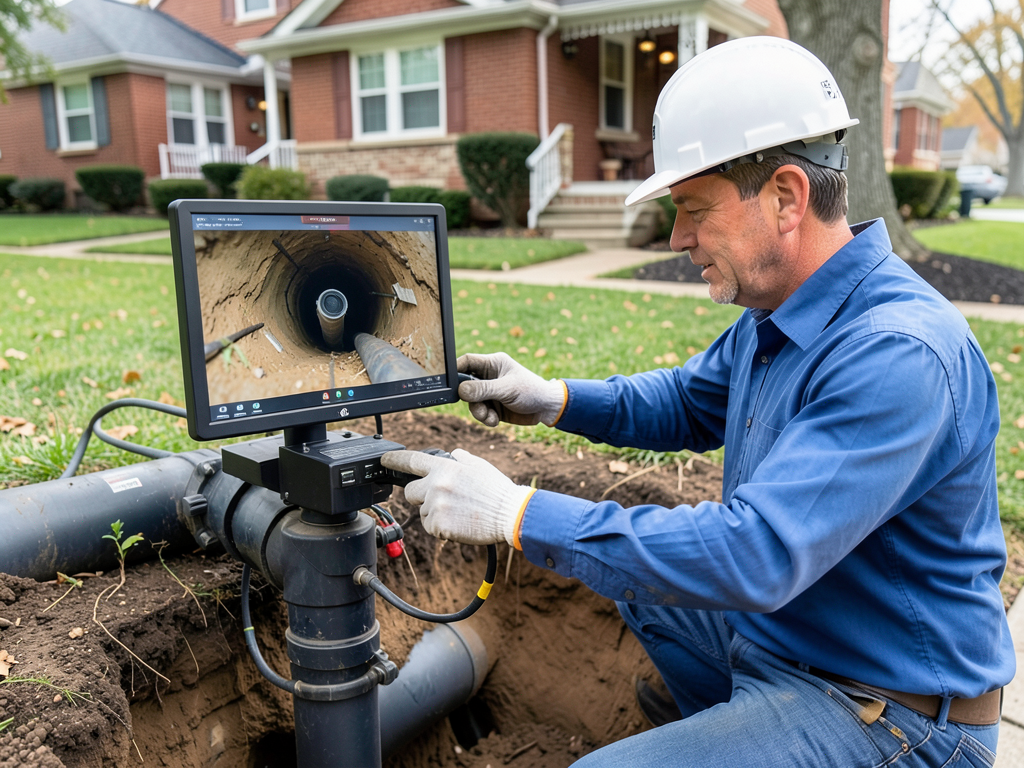
Why Chicago Clay Soil Damages Sewer Pipes
The clay soil in Chicago contains high amounts of bentonite and montmorillonite minerals that absorb water and expand significantly. During heavy rains or snowmelt, these clay particles swell up to 15 times their dry volume. When dry periods follow, the soil contracts and creates voids around pipes. This constant expansion and contraction cycle causes several problems for sewer lines. Wicker Park Sewer Line Repair Specialists for Older Chicago Homes.
Chicago’s vitrified clay pipes installed before the 1970s were rigid and brittle. The pipes connected using bell-and-spigot joints that relied on compression to stay sealed. As soil shifts, these joints separate slightly, allowing soil infiltration and creating pathways for tree roots to enter. The pipes themselves develop hairline cracks from the stress, which grow into larger fractures over time. EPA water conservation and sewer system information.
Chicago’s freeze-thaw cycles add another layer of stress. When temperatures drop below freezing, moisture in the soil expands as it turns to ice. This ice formation pushes against pipes from all directions. During thaws, the soil settles back but never returns to its exact original position, creating cumulative misalignment issues.
Common Signs of Clay Pipe Failure in Chicago Homes
Several warning signs indicate your clay sewer pipes are failing due to soil movement. Recognizing these early helps prevent costly emergency repairs. 24 Hour Emergency Plumbers in Lincoln Park for Immediate Help.
- Slow drains throughout the house that worsen over weeks
- Gurgling sounds from toilets when other fixtures drain
- Wet spots or sinkholes developing in your yard
- Sewer odors coming from basement floor drains
- Repeated clogs that return within days of clearing
- Foundation cracks near where sewer lines exit the house
Homeowners in Lincoln Park and Lakeview often notice these symptoms first during spring thaw when soil movement peaks. The combination of melting snow and spring rains creates maximum soil expansion pressure on already stressed pipes.
The Impact of Chicago’s Freeze-Thaw Cycle
Chicago experiences an average of 42 freeze-thaw cycles per winter season according to the National Weather Service. Each cycle subjects underground pipes to mechanical stress that accumulates over decades. The frost line in Cook County typically reaches 36 to 42 inches deep, meaning most residential sewer laterals experience multiple freeze-thaw events annually.
During freezing, water in soil pores forms ice lenses that can expand pipes outward by several millimeters. When thawing occurs, the soil settles but creates new void spaces. Over 20 to 30 years, this process causes measurable pipe displacement. A pipe that was perfectly aligned at installation may develop 2 to 3 inches of offset at joints.
The problem compounds in areas with poor drainage like Beverly and Mount Greenwood where clay soil retains moisture longer. These neighborhoods see more severe freeze-thaw damage because soil stays saturated through winter months. Top Rated Plumbers for High Rise Condos in the Gold Coast.
Vitrified Clay Tile vs Modern Sewer Solutions
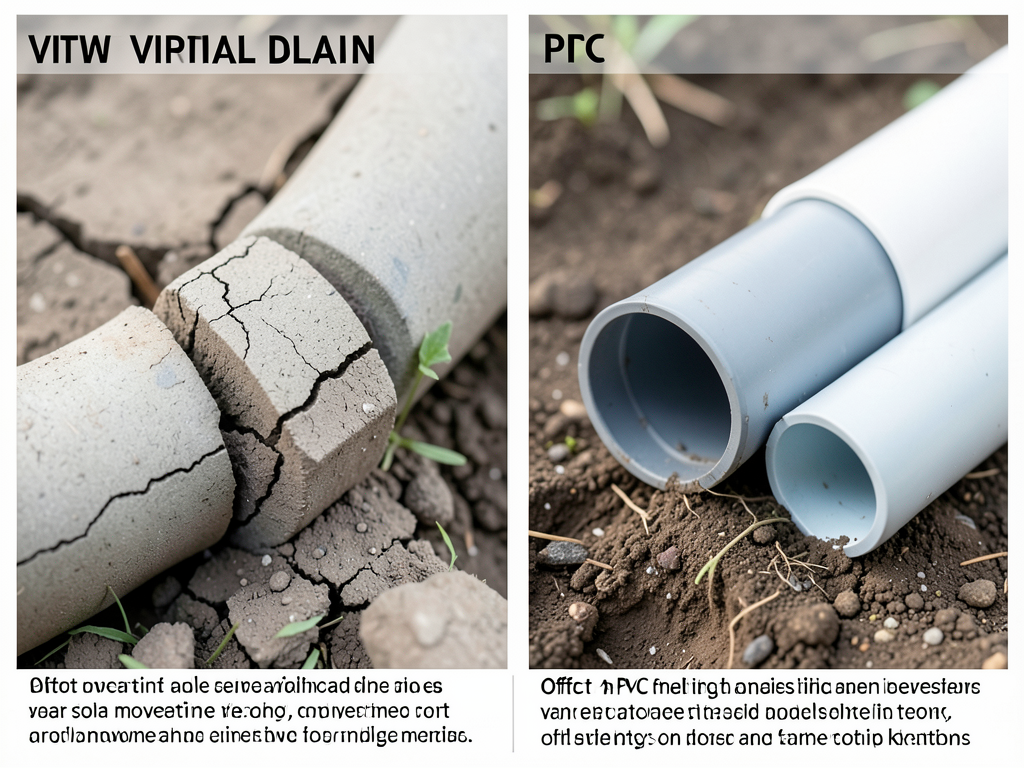
| Feature | Vitrified Clay Tile (Pre-1970s) | Modern PVC | CIPP Lining |
|---|---|---|---|
| Average Lifespan | 50-70 years | 100+ years | 50+ years |
| Soil Movement Resistance | Poor – brittle | Excellent – flexible | Good – bonds to existing pipe |
| Joint Type | Bell-and-spigot | Solvent welded | Cured-in-place |
| Root Intrusion | High risk | Low risk | Very low risk |
| Repair Method | Dig and replace | Same | Trenchless lining |
Most Chicago homes built before 1970 used vitrified clay pipes because they were inexpensive and resistant to chemical corrosion. However, these pipes lack the flexibility needed to handle Chicago’s soil movement. Modern PVC pipes flex slightly with soil shifts, preventing the catastrophic failures common in older clay systems.
Cured-in-place pipe lining offers another solution for damaged clay pipes. This trenchless method inserts a resin-saturated felt tube into the existing pipe, then inflates and cures it to form a new pipe within the old one. The new lining is jointless and highly resistant to root intrusion.
Chicago’s High Water Table and Soil Pressure
Chicago’s proximity to Lake Michigan creates a high water table that affects soil behavior around sewer pipes. The water table in many areas sits just 10 to 15 feet below the surface, meaning sewer pipes operate in constantly moist soil conditions.
This high moisture content increases soil expansion during wet periods. Clay soil with 30% moisture content can expand 3 to 5% in volume when additional water is added. For a 6-inch sewer pipe buried 4 feet deep, this expansion creates hundreds of pounds of lateral pressure on the pipe walls.
Neighborhoods near the lakefront like Edgewater and Rogers Park experience the most severe effects because their water tables fluctuate with lake levels. During periods of high lake levels, soil expansion pressure increases dramatically.
Tree Root Intrusion in Clay Sewer Lines
Chicago’s mature urban forest creates another challenge for clay sewer pipes. Species like silver maple, elm, and certain oak varieties have aggressive root systems that seek moisture sources. Small cracks in clay pipes release moisture vapor that attracts roots from distances up to 30 feet away.
Once roots find entry points at pipe joints or cracks, they grow rapidly inside the pipe. A single root hair can expand to several inches in diameter over years, completely blocking the pipe. The root mass also holds soil particles that wash in through cracks, creating a dense blockage that hydro-jetting cannot fully clear.
Properties in older neighborhoods with established trees face the highest risk. Areas like Hyde Park and Kenwood have many homes built in the 1920s with original clay pipes surrounded by 80 to 100-year-old trees.
Repair Methods for Clay Pipe Damage
- Camera Inspection
Technicians insert a waterproof camera to locate damage, measure offsets, and identify root intrusion points. This inspection typically takes 30 to 60 minutes and provides exact problem locations.
- Permitting
Chicago Department of Water Management requires permits for sewer lateral repairs. The process takes 3 to 5 business days and includes inspections to ensure compliance with city codes.
- Method Selection
Based on damage extent, technicians recommend either trenchless lining for localized damage or pipe bursting for complete replacement. Cost factors include pipe length, depth, and proximity to structures.
- Repair Execution
Trenchless methods complete in 1 to 2 days with minimal yard disruption. Traditional excavation takes 3 to 5 days and requires heavy equipment access.
- Final Inspection
City inspectors verify the repair meets all code requirements. A final camera inspection documents the completed work and provides documentation for future reference.
Trenchless repair methods have revolutionized clay pipe replacement in Chicago. Pipe bursting can replace up to 100 feet of pipe in a single day without digging up entire yards. The process pulls a new pipe through the old one while simultaneously breaking the damaged clay pipe outward.
CIPP lining works best for pipes with multiple small cracks but no major structural damage. The lining process creates a new pipe within the old one, sealing all cracks and joints. This method costs 30 to 50% less than full replacement but only works if the existing pipe maintains its shape.
Chicago Department of Water Management Regulations
The Chicago Department of Water Management (CDWM) enforces strict regulations for sewer lateral repairs. Property owners must obtain permits before any work begins, and all repairs must use materials approved by the city. PVC pipes must meet ASTM specifications, and trenchless methods require additional documentation.
CDWM requires inspections at multiple stages. A preliminary inspection verifies the need for repair, mid-project inspections ensure proper installation techniques, and final inspections confirm code compliance. Failing to obtain permits can result in fines up to $500 per day and require costly rework.
Chicago also maintains a sewer backflow prevention program that affects repair decisions. Homes in flood-prone areas may need backwater valves installed during sewer repairs to prevent basement flooding during heavy rains.
Cost Factors for Clay Pipe Repairs
Several factors determine repair costs for clay sewer pipes in Chicago. Pipe depth affects excavation costs significantly – pipes buried 6 feet deep cost 40 to 60% more to repair than those at 4 feet. Accessibility also matters; pipes under driveways or near mature trees require specialized equipment and techniques.
The extent of damage drives the repair method selection. Localized cracks or offset joints may only need spot repairs costing $1,500 to $3,000. Complete pipe replacement ranges from $4,000 to $12,000 depending on length and depth. Trenchless methods typically cost 15 to 25% more than traditional excavation but save on restoration costs.
Chicago’s permit fees add $200 to $500 to repair costs. Some neighborhoods with historic designation requirements may need additional approvals, extending project timelines by 1 to 2 weeks.
Preventing Future Clay Pipe Damage
While you cannot change Chicago’s soil composition, several strategies reduce future pipe damage. Installing cleanouts at strategic locations helps with maintenance and reduces emergency repair needs. These access points allow for regular camera inspections to catch problems early.
Proper yard drainage prevents soil saturation that worsens expansion and contraction cycles. Extending downspouts away from the house, grading soil away from foundations, and installing French drains in problem areas all help manage soil moisture levels.. Read more about Preparing Your Yard Drainage for the Massive Chicago Spring Thaw in Morgan Park.
Root barriers installed between trees and sewer lines prevent root intrusion into clay pipes. These barriers, made of metal or thick plastic, redirect root growth downward rather than toward pipes. They cost $500 to $1,500 to install but prevent thousands in future repair costs.
Regular maintenance including annual camera inspections and hydro-jetting when needed extends pipe life. Early detection of minor problems prevents the major failures that require expensive emergency repairs.
Choosing the Right Repair Contractor
Selecting a contractor familiar with Chicago’s unique soil and plumbing challenges makes a significant difference in repair outcomes. Look for companies with specific experience in clay pipe repairs and knowledge of Chicago’s permitting requirements.
Verify contractors carry proper licensing through the City of Chicago and have current insurance coverage. Ask about their experience with trenchless methods if your property layout makes traditional excavation difficult. Request references from similar projects in your neighborhood.
A qualified contractor should provide detailed camera inspection reports with measurements and specific problem locations. They should explain all repair options with cost comparisons and timeline estimates. Avoid contractors who recommend complete replacement without first performing a thorough camera inspection.
For homes in historic districts or areas with mature trees, choose contractors with experience in minimally invasive techniques that preserve landscaping while meeting all city requirements.
Frequently Asked Questions
How long do clay sewer pipes typically last in Chicago?
Clay sewer pipes in Chicago generally last 50 to 70 years under normal conditions. However, Chicago’s freeze-thaw cycles and expansive clay soil often reduce this to 40 to 50 years. Pipes installed before 1970 are now reaching the end of their useful life and should be inspected regularly.
Can I repair just one section of my clay sewer line?
Yes, spot repairs work well for localized damage like single cracks or offset joints. However, if your pipe shows multiple failure points or is over 50 years old, a complete replacement often proves more cost-effective long-term. A camera inspection helps determine the best approach.
How do I know if tree roots are causing my sewer problems?
Signs of root intrusion include repeated clogs that return quickly after clearing, gurgling sounds from drains, and visible roots near cleanout locations. Only a camera inspection can confirm root presence inside pipes. Roots appear as dark masses on camera footage and often block significant pipe sections.
What’s the difference between trenchless and traditional sewer repair?
Traditional repair requires digging trenches to access pipes, disturbing landscaping and taking 3 to 5 days. Trenchless methods like pipe bursting or CIPP lining access pipes through existing openings, complete in 1 to 2 days, and preserve yards. Trenchless costs more upfront but saves on restoration expenses.
Do I need permits for sewer line repairs in Chicago?
Yes, Chicago requires permits for all sewer lateral repairs. The Chicago Department of Water Management issues these permits and conducts inspections. Work without permits can result in fines and require costly rework. Most licensed plumbers handle permitting as part of the repair process.
Understanding how Chicago’s heavy clay soil affects your underground sewer lines helps you make informed decisions about maintenance and repairs. The combination of expansive soil, freeze-thaw cycles, and aging clay pipes creates challenges unique to our area. Regular inspections and timely repairs prevent minor issues from becoming major emergencies.
If you notice signs of sewer pipe problems like slow drains, yard wet spots, or sewer odors, don’t wait for a complete failure. A camera inspection can identify problems early when repair options are most cost-effective. Contact a qualified Chicago plumber who understands local soil conditions and city regulations to protect your home’s plumbing system.
Call (773) 514-5111 today for expert sewer line inspection and repair services throughout Chicago. Our experienced technicians use advanced camera technology to diagnose problems accurately and recommend the most effective repair solutions for your specific situation.
You may also find this helpful. Why Your Sump Pump Runs Even When It Is Not Raining in Galewood.
{
“@context”: “https://schema.org”,
“@type”: “BlogPosting”,
“headline”: “How Chicagos Heavy Clay Soil Affects Your Underground Sewer Lines”,
“description”: “Chicago’s heavy clay soil causes shifting that damages underground sewer pipes. Learn the signs, repair options, and what to do if you suspect clay pipe failure.”,
“wordCount”: 2210,
“datePublished”: “2026-06-12T14:42:00.000Z”,
“dateModified”: “2026-06-12T14:42:00.000Z”,
“inLanguage”: “en-US”,
“mainEntityOfPage”: {
“@type”: “WebPage”,
“@id”: “https://aplusplumbingchicago.com”
},
“publisher”: {
“@type”: “LocalBusiness”,
“name”: “A Plus Plumbing Chicago”,
“url”: “https://aplusplumbingchicago.com”
},
“author”: {
“@type”: “Organization”,
“name”: “A Plus Plumbing Chicago”,
“url”: “https://aplusplumbingchicago.com”
},
“image”: {
“@type”: “ImageObject”,
“url”: “https://aplusplumbingchicago.com/wp-content/uploads/2026/03/how-chicagos-heavy-clay-soil-affects-your-undergro-1.png”
}
}
{
“@context”: “https://schema.org”,
“@type”: “Plumber”,
“name”: “A Plus Plumbing Chicago”,
“url”: “https://aplusplumbingchicago.com”,
“address”: {
“@type”: “PostalAddress”,
“addressLocality”: “Chicago”
},
“areaServed”: {
“@type”: “City”,
“name”: “Chicago”
}
}
{
“@context”: “https://schema.org”,
“@type”: “FAQPage”,
“mainEntity”: [
{
“@type”: “Question”,
“name”: “How long do clay sewer pipes typically last in Chicago?”,
“acceptedAnswer”: {
“@type”: “Answer”,
“text”: “Clay sewer pipes in Chicago generally last 50 to 70 years under normal conditions. However, Chicago’s freeze-thaw cycles and expansive clay soil often reduce this to 40 to 50 years. Pipes installed before 1970 are now reaching the end of their useful life and should be inspected regularly.”
}
},
{
“@type”: “Question”,
“name”: “Can I repair just one section of my clay sewer line?”,
“acceptedAnswer”: {
“@type”: “Answer”,
“text”: “Yes, spot repairs work well for localized damage like single cracks or offset joints. However, if your pipe shows multiple failure points or is over 50 years old, a complete replacement often proves more cost-effective long-term. A camera inspection helps determine the best approach.”
}
},
{
“@type”: “Question”,
“name”: “How do I know if tree roots are causing my sewer problems?”,
“acceptedAnswer”: {
“@type”: “Answer”,
“text”: “Signs of root intrusion include repeated clogs that return quickly after clearing, gurgling sounds from drains, and visible roots near cleanout locations. Only a camera inspection can confirm root presence inside pipes. Roots appear as dark masses on camera footage and often block significant pipe sections.”
}
},
{
“@type”: “Question”,
“name”: “What’s the difference between trenchless and traditional sewer repair?”,
“acceptedAnswer”: {
“@type”: “Answer”,
“text”: “Traditional repair requires digging trenches to access pipes, disturbing landscaping and taking 3 to 5 days. Trenchless methods like pipe bursting or CIPP lining access pipes through existing openings, complete in 1 to 2 days, and preserve yards. Trenchless costs more upfront but saves on restoration expenses.”
}
},
{
“@type”: “Question”,
“name”: “Do I need permits for sewer line repairs in Chicago?”,
“acceptedAnswer”: {
“@type”: “Answer”,
“text”: “Yes, Chicago requires permits for all sewer lateral repairs. The Chicago Department of Water Management issues these permits and conducts inspections. Work without permits can result in fines and require costly rework. Most licensed plumbers handle permitting as part of the repair process.”
}
}
]
}
{
“@context”: “https://schema.org”,
“@type”: “HowTo”,
“name”: “Sewer Pipe Repair Process”,
“step”: [
{
“@type”: “HowToStep”,
“position”: 1,
“name”: “Camera Inspection”,
“text”: “Technicians insert a waterproof camera to locate damage, measure offsets, and identify root intrusion points. This inspection typically takes 30 to 60 minutes and provides exact problem locations.”
},
{
“@type”: “HowToStep”,
“position”: 2,
“name”: “Permitting”,
“text”: “Chicago Department of Water Management requires permits for sewer lateral repairs. The process takes 3 to 5 business days and includes inspections to ensure compliance with city codes.”
},
{
“@type”: “HowToStep”,
“position”: 3,
“name”: “Method Selection”,
“text”: “Based on damage extent, technicians recommend either trenchless lining for localized damage or pipe bursting for complete replacement. Cost factors include pipe length, depth, and proximity to structures.”
},
{
“@type”: “HowToStep”,
“position”: 4,
“name”: “Repair Execution”,
“text”: “Trenchless methods complete in 1 to 2 days with minimal yard disruption. Traditional excavation takes 3 to 5 days and requires heavy equipment access.”
},
{
“@type”: “HowToStep”,
“position”: 5,
“name”: “Final Inspection”,
“text”: “City inspectors verify the repair meets all code requirements. A final camera inspection documents the completed work and provides documentation for future reference.”
}
],
“image”: “https://aplusplumbingchicago.com/wp-content/uploads/2026/03/how-chicagos-heavy-clay-soil-affects-your-undergro-1.png”
}
{
“@context”: “https://schema.org”,
“@type”: “BreadcrumbList”,
“itemListElement”: [
{
“@type”: “ListItem”,
“position”: 1,
“name”: “Home”,
“item”: “https://aplusplumbingchicago.com”
},
{
“@type”: “ListItem”,
“position”: 2,
“name”: “Blog”,
“item”: “https://aplusplumbingchicago.com/blog”
},
{
“@type”: “ListItem”,
“position”: 3,
“name”: “How Chicagos Heavy Clay Soil Affects Your Underground Sewer Lines”
}
]
}
{
“@context”: “https://schema.org”,
“@type”: “Service”,
“serviceType”: “Plumbing”,
“provider”: {
“@type”: “LocalBusiness”,
“name”: “A Plus Plumbing Chicago”,
“url”: “https://aplusplumbingchicago.com”
},
“areaServed”: {
“@type”: “City”,
“name”: “Chicago”
},
“description”: “Chicago’s heavy clay soil causes shifting that damages underground sewer pipes. Learn the signs, repair options, and what to do if you suspect clay pipe failure.”
}