
Everything You Should Consider Before Installing a Smart Toilet in Your Lincoln Park Home
Smart toilets have become increasingly popular in Chicago homes offering features like heated seats automatic flushing and integrated bidet functions. But before you upgrade your Lincoln Park bathroom you need to understand the unique requirements and considerations that come with these advanced fixtures. Chicago plumbing code requirements.
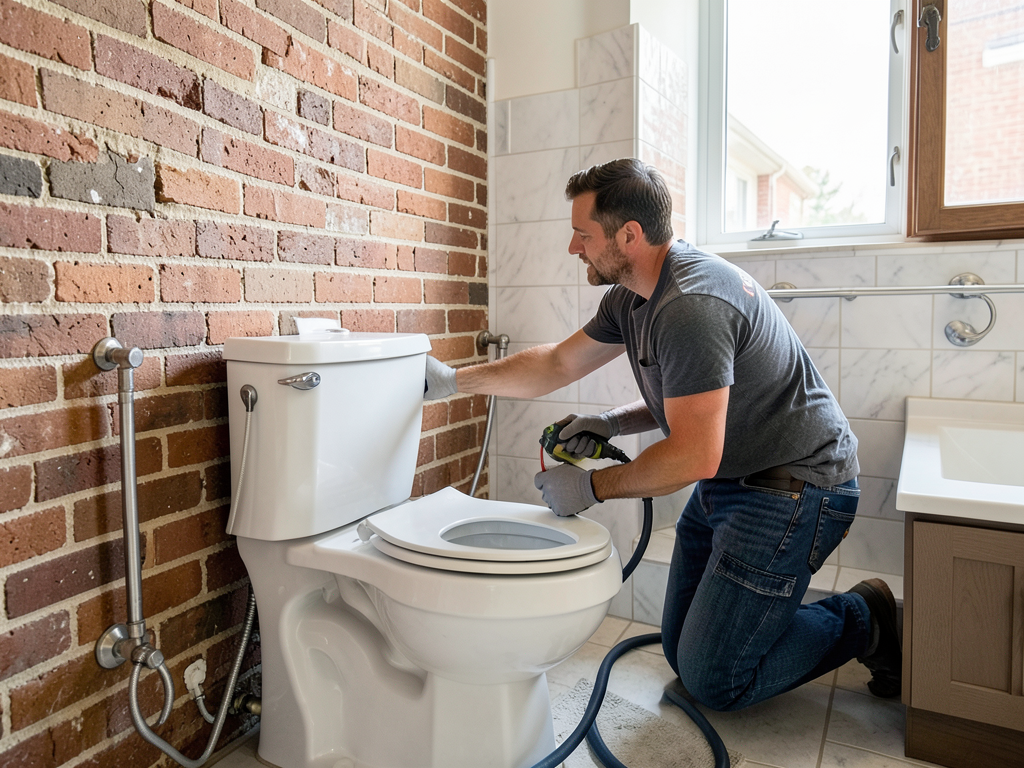
Electrical Requirements for Smart Toilet Installation
Unlike traditional toilets smart toilets require a dedicated electrical circuit. Most models need a GFCI protected outlet within 4 feet of the toilet. This means you will likely need an electrician to install new wiring especially in older Lincoln Park homes built before modern electrical codes.
Chicago building code requires all bathroom outlets to be GFCI protected which adds another layer of complexity. The electrical work must be inspected and approved before the plumbing installation can begin. Many Lincoln Park homes especially those built in the early 1900s will need significant electrical upgrades to support smart toilet technology.
Chicago Plumbing Code Compliance
Chicago has some of the strictest plumbing codes in the nation. Smart toilets must meet specific requirements for backflow prevention and water pressure. The city requires an air gap or approved backflow preventer on all bidet functions to protect the municipal water supply.
Water pressure in Lincoln Park varies significantly. Homes near Lake Michigan typically have higher pressure while those further inland may struggle with low flow. Smart toilets require consistent water pressure between 20 and 80 psi. You may need a pressure regulator or booster pump depending on your location.
Space and Structural Considerations
Smart toilets are generally larger than standard models. You need at least 30 inches of clearance in front of the toilet and proper spacing from side walls. Many Lincoln Park bathrooms especially in historic greystones were designed for smaller fixtures.
The floor must support the additional weight of the smart toilet which can be 50 to 100 pounds heavier than traditional models. Older homes may need floor reinforcement especially if you choose a wall mounted smart toilet which requires additional structural support.
Popular Smart Toilet Brands and Features
TOTO leads the market with their Neorest series offering features like automatic lid opening self cleaning nozzles and personalized user settings. Kohler’s intelligent toilets provide similar luxury features with sleek designs that work well in modern Lincoln Park condos. TOTO smart toilets.
BioBidet offers more affordable options while still providing essential features like adjustable water temperature and pressure. The key is matching the features to your needs and budget. Some models offer smartphone connectivity while others focus on basic comfort features.
Installation Timeline and Process
Smart toilet installation typically takes 2 to 4 hours for a straightforward replacement. If electrical work is needed the process extends to 1 to 2 days. The steps include removing the old toilet installing the electrical outlet mounting the new unit and testing all functions.
Professional installation is crucial. Smart toilets have complex electronic components that can be damaged by improper handling. A licensed plumber familiar with Chicago codes will ensure proper sealing prevent leaks and verify all safety features work correctly.
Cost Considerations for Lincoln Park Homes
The total cost for smart toilet installation in Lincoln Park ranges from a few thousand dollars to over eight thousand dollars depending on the model and necessary upgrades. Basic models start around fifteen hundred dollars while luxury units with all features can exceed five thousand dollars.
Additional costs include electrical work three hundred to eight hundred dollars plumbing modifications two hundred to five hundred dollars and potential floor reinforcement four hundred to one thousand dollars. Luxury buildings may also require permits and building management approval adding one hundred to three hundred dollars to the project.
Maintenance and Long Term Care
Smart toilets require regular maintenance to keep sensors and electronic components functioning. The self cleaning nozzles need descaling every six months especially in areas with hard water. The electronic control panel should be kept dry and cleaned with non abrasive cleaners.
Parts like the bidet seat and control panel typically last five to seven years. Replacement costs range from three hundred to fifteen hundred dollars depending on the component. Having a plumber familiar with your specific model can save time and money on repairs.
Smart Home Integration Options
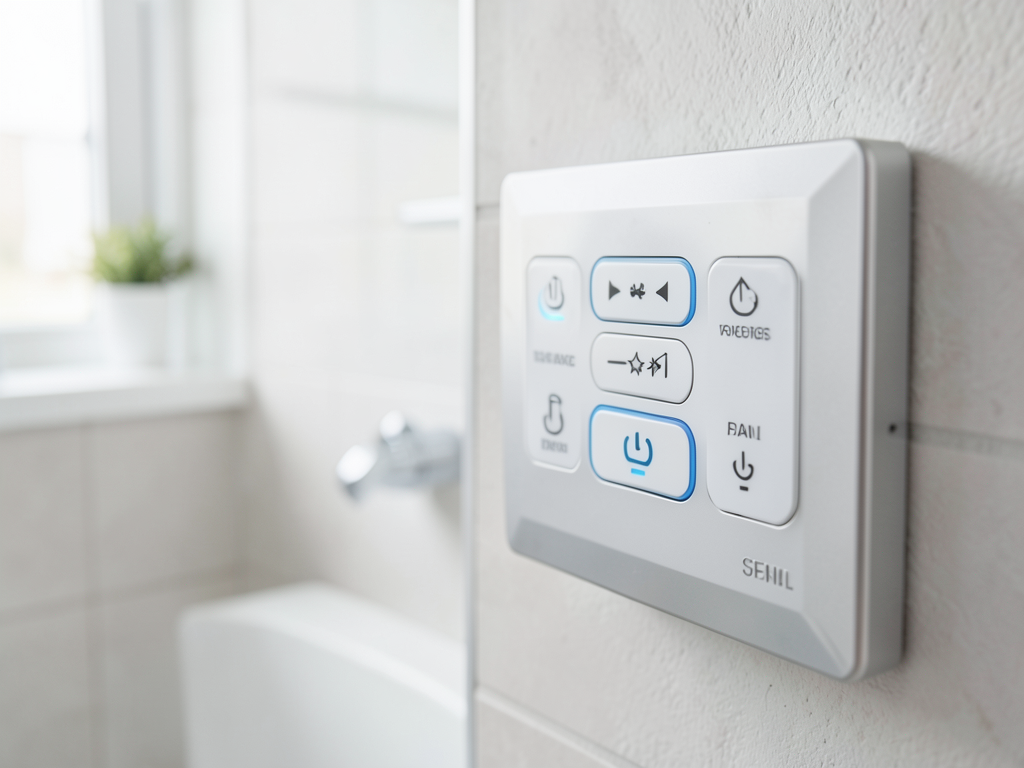
Many smart toilets now connect to home automation systems. You can control functions through smartphone apps voice assistants or wall mounted control panels. This integration requires a stable WiFi connection and may need network configuration.
Some models track water usage and can alert you to potential leaks. Others learn your preferences and adjust settings automatically. The level of smart home integration you choose will affect both the initial cost and the complexity of installation. Site Settings.
Water Efficiency and Environmental Impact
Smart toilets often use less water than traditional models. Many feature dual flush technology using 0.8 gallons for liquid waste and 1.28 gallons for solid waste. This can reduce household water consumption by twenty to thirty percent.
Chicago’s water rates have increased steadily making efficiency upgrades more attractive. A family of four can save five thousand to seven thousand gallons annually with a smart toilet. The reduction in toilet paper usage also decreases household waste.
Common Installation Challenges in Lincoln Park
Historic homes in Lincoln Park often present unique challenges. Plaster walls make electrical routing difficult. Original plumbing may not meet current code requirements. Some buildings have strict renovation rules limiting what modifications are allowed.
Water pressure inconsistencies plague certain blocks. Homes built over former marshland may have settling issues affecting floor levelness. Professional assessment before purchase can identify these potential problems.
Comparing Smart Toilet Models
| Brand/Model | Key Features | Price Range | Installation Complexity |
|---|---|---|---|
| TOTO Neorest AH | Auto open/close EWATER+ cleaning nightlight | High | |
| Kohler Veil | Touchless flush LED lighting quiet close | Medium | |
| BioBidet Discovery DLS | Unlimited warm water stainless steel nozzle energy save | Low |
Pre Installation Checklist
- Verify electrical capacity and GFCI requirements
- Measure bathroom space and clearances
- Check water pressure and flow rate
- Confirm building management approval if applicable
- Review warranty terms and service availability
- Plan for potential electrical or plumbing upgrades
Professional vs DIY Installation
While some handy homeowners attempt smart toilet installation the complexity of electrical and plumbing integration makes professional installation strongly recommended. Licensed plumbers understand Chicago codes and can identify potential issues before they become problems. Top Rated Plumbers for High Rise Condos in the Gold Coast.
DIY installation voids most manufacturer warranties. Professional installation typically includes a workmanship guarantee and ensures all safety features function correctly. The cost difference is minimal compared to the risk of water damage or electrical hazards.
Future Proofing Your Bathroom
Consider your long term plans when choosing a smart toilet. If you plan to stay in your Lincoln Park home for many years investing in a higher end model with advanced features may be worthwhile. If you plan to sell soon a mid range model might offer better return on investment.
Some smart toilets are designed to be upgraded with new features through software updates. This can extend the useful life of your investment. Look for models with accessible control panels and replaceable components.
Local Building Regulations
Chicago requires permits for toilet replacement when electrical work is involved. The city inspects to ensure proper backflow prevention and GFCI protection. Some landmark districts in Lincoln Park have additional restrictions on bathroom modifications.
Multi unit buildings often require management approval and may have specific requirements for noise reduction and water hammer prevention. Professional installers familiar with local regulations can navigate these requirements efficiently.
Smart Toilet vs Traditional Toilet Replacement
| Factor | Smart Toilet | Traditional Toilet |
|---|---|---|
| Initial Cost | Few thousand to over eight thousand dollars | Three hundred to eight hundred dollars |
| Installation Time | Two to four hours plus electrical | One to two hours |
| Water Usage | 0.8 to 1.28 gallons per flush | 1.28 to 1.6 gallons per flush |
| Maintenance | Regular cleaning descaling | Basic cleaning |
| Lifespan | Ten to fifteen years | Ten to twenty years |
Choosing the Right Model for Your Needs
Consider your household size and usage patterns. Families with children might prioritize durability and easy cleaning. Elderly residents may benefit from features like automatic flushing and bidet functions. Tech enthusiasts might want the latest smart home integration.
Measure your bathroom carefully. Some smart toilets require more space than traditional models. Check the rough in measurement distance from wall to floor drain which is typically twelve inches but can vary in older Lincoln Park homes.
Energy Consumption Considerations
Smart toilets use electricity for heating water seat warming and electronic controls. Typical models consume two hundred to four hundred watts when in use and two to five watts in standby mode. This adds approximately fifteen to thirty dollars annually to your electric bill.
Some models offer energy saving modes that reduce power consumption when not in use. Timer functions can turn off heating during typical sleeping hours. These features can reduce energy costs by thirty to fifty percent.
Resale Value Impact
Smart toilets can increase home value particularly in luxury markets like Lincoln Park. They appeal to buyers looking for modern amenities and energy efficiency. However the return on investment varies significantly based on the overall quality of the installation and the specific model chosen.
High end smart toilets in well designed bathrooms can be a selling point. Basic models may not significantly impact resale value. Consider your neighborhood and target market when making your decision.
Smart Toilet Installation in Historic Lincoln Park Homes
Historic preservation guidelines in Lincoln Park may affect your installation options. Some buildings require that visible modifications maintain historical character. This might mean choosing models with traditional styling or concealing modern components.
Older plumbing systems may need complete replacement rather than modification. Lead pipes common in pre 1930s homes must be replaced to meet current code. This can add significant cost and time to your project.
Noise Considerations
Smart toilets have motors and pumps that create noise during operation. In multi unit buildings this can be a concern for neighbors. Look for models with quiet operation features and consider sound insulation during installation.
Some buildings have specific noise requirements that must be met. Professional installers can recommend noise reduction strategies and ensure your installation complies with building regulations.
Smart Toilet Safety Features
Modern smart toilets include multiple safety features. Overflow protection prevents flooding if a malfunction occurs. Emergency flush functions work even during power outages. Child safety locks prevent accidental activation of bidet functions. 24 Hour Emergency Plumbers in Lincoln Park for Immediate Help.
Temperature controls prevent water from becoming too hot. Sensors detect when someone is seated before activating cleaning functions. These features provide peace of mind especially in households with children or elderly residents.
Water Quality Impact
Chicago’s water quality affects smart toilet performance. Hard water areas may experience mineral buildup on sensors and nozzles. Some models include water filtration systems to address this issue. Regular cleaning prevents performance degradation.
Water pressure fluctuations common in some Lincoln Park neighborhoods can affect smart toilet function. Pressure compensating valves help maintain consistent performance. Professional assessment can identify potential water quality issues before installation.
Accessibility Features
Many smart toilets include accessibility features beneficial for users with mobility challenges. Automatic flushing eliminates the need to reach for handles. Bidet functions provide thorough cleaning without twisting or reaching. Some models meet ADA height requirements.
Voice control options are becoming available on premium models. Emergency stop buttons provide immediate control. These features can make bathrooms safer and more comfortable for all users.
Smart Toilet Technology Trends
The smart toilet market continues to evolve rapidly. Current trends include improved water efficiency enhanced health monitoring features and better integration with smart home systems. Some manufacturers are developing models that can analyze waste for health indicators.
Energy efficiency continues to improve with better insulation and smarter power management. Touchless operation has become standard even on mid range models. The technology becomes more reliable and affordable each year.
Making Your Decision
Smart toilet installation in Lincoln Park requires careful planning and professional execution. Consider your budget space constraints and long term plans. Get multiple quotes from licensed plumbers familiar with Chicago codes and smart toilet technology.
The right smart toilet can provide years of comfort efficiency and convenience. Take time to research models understand the installation requirements and choose a professional installer you trust. Your investment in proper planning will pay off in reliable performance and satisfaction.
Frequently Asked Questions
How much does smart toilet installation cost in Lincoln Park?
Smart toilet installation in Lincoln Park typically costs between a few thousand dollars and over eight thousand dollars including the unit electrical work and professional installation. Basic models with standard installation start around fifteen hundred dollars while luxury units with extensive electrical upgrades can exceed eight thousand dollars.
Do I need a permit to install a smart toilet in Chicago?
Yes Chicago requires permits when electrical work is involved in toilet replacement. The city inspects to ensure proper GFCI protection and backflow prevention. Some landmark districts in Lincoln Park have additional requirements. Professional installers typically handle permit acquisition.
How long does smart toilet installation take?
Standard installation takes two to four hours. If electrical work is needed the process extends to one to two days total. This includes wiring installation inspection and final testing. Professional installation ensures all safety features work correctly and code requirements are met.
Can I install a smart toilet in my older Lincoln Park home?
Yes but older homes often need electrical upgrades and plumbing modifications. Pre 1950s homes may have outdated wiring that cannot support smart toilet requirements. Professional assessment can identify necessary upgrades before installation begins.
What maintenance do smart toilets require?
Smart toilets need regular cleaning descaling of nozzles every six months and occasional software updates. The bidet seat and control panel typically last five to seven years. Professional maintenance can extend component life and ensure optimal performance.
Are smart toilets worth the investment?
Smart toilets offer benefits including water efficiency improved hygiene and added home value. They can reduce water usage by twenty to thirty percent and eliminate toilet paper waste. The value depends on your budget and how long you plan to stay in your home.
Ready to upgrade your Lincoln Park bathroom with a smart toilet? Contact A Plus Plumbing Chicago at (773) 514-5111 for professional installation and expert advice. Our licensed plumbers understand Chicago codes and can handle all aspects of your smart toilet project from electrical work to final inspection.
Don’t risk DIY installation or work with unqualified contractors. Smart toilets require specialized knowledge of both plumbing and electrical systems. Trust the experts who understand the unique requirements of Lincoln Park homes and Chicago building codes.
Call (773) 514-5111 today to schedule your smart toilet consultation. We will assess your space explain your options and provide a detailed quote with no hidden fees. Your comfort and satisfaction are our top priorities. For more information, visit Kohler intelligent toilets.
{
“@context”: “https://schema.org”,
“@type”: “BlogPosting”,
“headline”: “Everything You Should Consider Before Installing a Smart Toilet in Your Lincoln Park Home”,
“description”: “Smart toilet installation in Lincoln Park requires electrical upgrades, plumbing code compliance, and professional expertise. Learn costs, features, and local requirements.”,
“wordCount”: 2489,
“datePublished”: “2026-04-21T12:21:00.000Z”,
“dateModified”: “2026-04-21T12:21:00.000Z”,
“inLanguage”: “en-US”,
“mainEntityOfPage”: {
“@type”: “WebPage”,
“@id”: “https://aplusplumbingchicago.com”
},
“publisher”: {
“@type”: “LocalBusiness”,
“name”: “A Plus Plumbing Chicago”,
“url”: “https://aplusplumbingchicago.com”
},
“author”: {
“@type”: “Organization”,
“name”: “A Plus Plumbing Chicago”,
“url”: “https://aplusplumbingchicago.com”
},
“image”: {
“@type”: “ImageObject”,
“url”: “https://aplusplumbingchicago.com/wp-content/uploads/2026/03/everything-you-should-consider-before-installing-a-1.png”
}
}
{
“@context”: “https://schema.org”,
“@type”: “Plumber”,
“name”: “A Plus Plumbing Chicago”,
“url”: “https://aplusplumbingchicago.com”,
“address”: {
“@type”: “PostalAddress”,
“addressLocality”: “Chicago”
},
“areaServed”: {
“@type”: “City”,
“name”: “Chicago”
}
}
{
“@context”: “https://schema.org”,
“@type”: “FAQPage”,
“mainEntity”: [
{
“@type”: “Question”,
“name”: “How much does smart toilet installation cost in Lincoln Park?”,
“acceptedAnswer”: {
“@type”: “Answer”,
“text”: “Smart toilet installation in Lincoln Park typically costs between a few thousand dollars and over eight thousand dollars including the unit electrical work and professional installation. Basic models with standard installation start around fifteen hundred dollars while luxury units with extensive electrical upgrades can exceed eight thousand dollars.”
}
},
{
“@type”: “Question”,
“name”: “Do I need a permit to install a smart toilet in Chicago?”,
“acceptedAnswer”: {
“@type”: “Answer”,
“text”: “Yes Chicago requires permits when electrical work is involved in toilet replacement. The city inspects to ensure proper GFCI protection and backflow prevention. Some landmark districts in Lincoln Park have additional requirements. Professional installers typically handle permit acquisition.”
}
},
{
“@type”: “Question”,
“name”: “How long does smart toilet installation take?”,
“acceptedAnswer”: {
“@type”: “Answer”,
“text”: “Standard installation takes two to four hours. If electrical work is needed the process extends to one to two days total. This includes wiring installation inspection and final testing. Professional installation ensures all safety features work correctly and code requirements are met.”
}
},
{
“@type”: “Question”,
“name”: “Can I install a smart toilet in my older Lincoln Park home?”,
“acceptedAnswer”: {
“@type”: “Answer”,
“text”: “Yes but older homes often need electrical upgrades and plumbing modifications. Pre 1950s homes may have outdated wiring that cannot support smart toilet requirements. Professional assessment can identify necessary upgrades before installation begins.”
}
},
{
“@type”: “Question”,
“name”: “What maintenance do smart toilets require?”,
“acceptedAnswer”: {
“@type”: “Answer”,
“text”: “Smart toilets need regular cleaning descaling of nozzles every six months and occasional software updates. The bidet seat and control panel typically last five to seven years. Professional maintenance can extend component life and ensure optimal performance.”
}
},
{
“@type”: “Question”,
“name”: “Are smart toilets worth the investment?”,
“acceptedAnswer”: {
“@type”: “Answer”,
“text”: “Smart toilets offer benefits including water efficiency improved hygiene and added home value. They can reduce water usage by twenty to thirty percent and eliminate toilet paper waste. The value depends on your budget and how long you plan to stay in your home.”
}
}
]
}
{
“@context”: “https://schema.org”,
“@type”: “BreadcrumbList”,
“itemListElement”: [
{
“@type”: “ListItem”,
“position”: 1,
“name”: “Home”,
“item”: “https://aplusplumbingchicago.com”
},
{
“@type”: “ListItem”,
“position”: 2,
“name”: “Blog”,
“item”: “https://aplusplumbingchicago.com/blog”
},
{
“@type”: “ListItem”,
“position”: 3,
“name”: “Everything You Should Consider Before Installing a Smart Toilet in Your Lincoln Park Home”
}
]
}
{
“@context”: “https://schema.org”,
“@type”: “Service”,
“serviceType”: “Plumbing”,
“provider”: {
“@type”: “LocalBusiness”,
“name”: “A Plus Plumbing Chicago”,
“url”: “https://aplusplumbingchicago.com”
},
“areaServed”: {
“@type”: “City”,
“name”: “Chicago”
},
“description”: “Smart toilet installation in Lincoln Park requires electrical upgrades, plumbing code compliance, and professional expertise. Learn costs, features, and local requirements.”
}