
Choosing the Best ADA Compliant Bathroom Fixtures for Aging in Place
Planning bathroom modifications for aging in place requires understanding both federal ADA standards and Illinois-specific building codes. Chicago homeowners face unique challenges when retrofitting older properties with accessibility features. This guide walks through essential fixture requirements, installation considerations, and local compliance factors to help you create a safe and functional bathroom space. Illinois Department of Human Rights.
ADA Standards and Illinois Accessibility Code Requirements
The Americans with Disabilities Act sets baseline accessibility standards for public spaces. However Illinois property owners must also comply with the Illinois Accessibility Code which often exceeds federal requirements. Chicago’s Department of Buildings enforces these standards during renovations and new construction.. Read more about Kohler vs Moen — Which Fixtures Handle Chicago Hard Water Better?.
Key differences between federal and state requirements include stricter mounting heights for controls and additional clearance requirements in certain areas. Commercial properties in Chicago’s Loop district face more rigorous inspections than residential homes in neighborhoods like Lincoln Park or Lakeview.. Read more about Choosing Between a Floor Mount and Wall Mount Toilet for Your South Loop Renovation.
For residential applications aging in place modifications focus on comfort height toilets grab bars and accessible shower controls. These fixtures must meet specific dimensional requirements for reach ranges and operating forces.. Read more about Designing a Steam Shower for Your Streeterville High Rise Suite.
Essential ADA Compliant Fixtures for Chicago Homes
Comfort Height Toilets
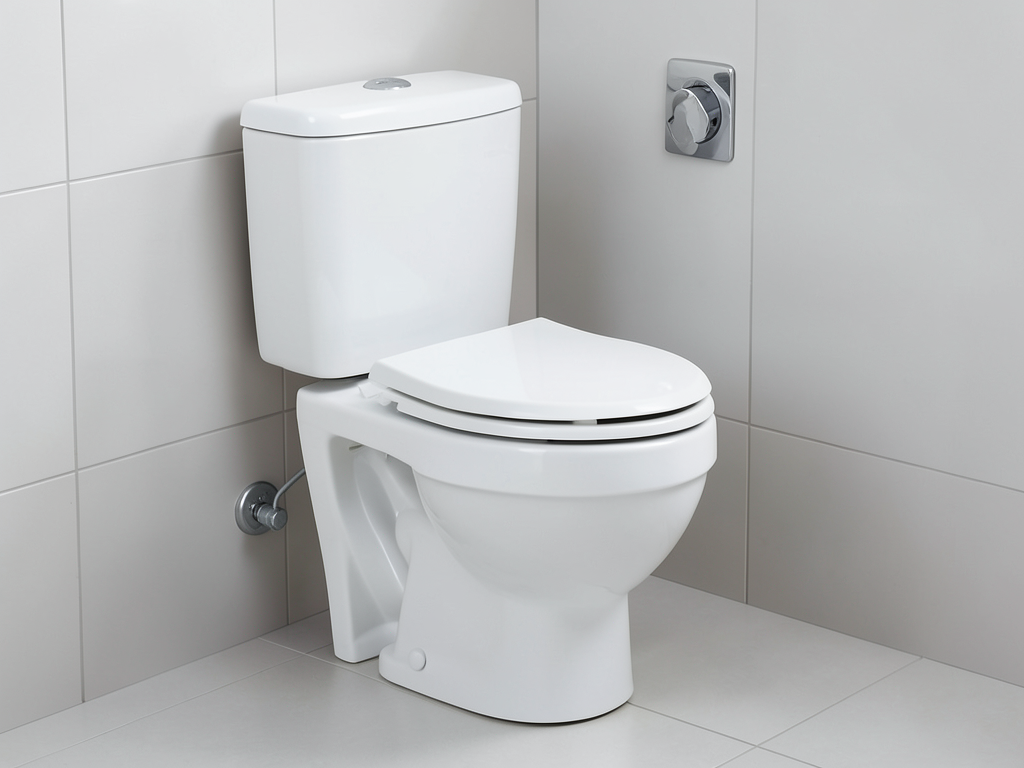
Comfort height toilets typically measure 17 to 19 inches from floor to seat. This height matches standard chair heights making sitting and standing easier for individuals with mobility challenges. Chicago’s older bungalows often require floor reinforcement when replacing standard toilets with comfort height models.
Look for toilets with elongated bowls and soft close seats. Many Chicago homeowners prefer dual flush models to conserve water while maintaining performance. The toilet flush actuator must be mounted on the wide side and extend no more than 44 inches above the finished floor.
Accessible Sinks and Faucets
ADA compliant sinks require specific knee clearance underneath. The space must provide at least 27 inches of vertical clearance from the floor to the bottom of the apron. This allows wheelchair users to roll under the sink for independent use.
Faucets should feature lever handles or touchless operation. Chicago’s hard water makes lever handles particularly practical since mineral buildup can make knob-style handles difficult to grip. Motion sensor faucets eliminate the need for manual operation entirely.
The sink rim height cannot exceed 34 inches and the bowl must be positioned toward the front of the cabinet. This configuration provides optimal reach for seated users while maintaining adequate knee space.
Roll-in Showers and Transfer Showers
Roll-in showers eliminate the threshold creating a continuous floor surface from the bathroom into the shower area. This design allows wheelchair users to enter the shower space without assistance. Chicago’s older homes often require significant floor modification to achieve proper drainage slope.. Read more about Converting Your Tub to a Walk-In Shower in a Small Lincoln Park Bathroom.
Transfer showers include a small curb that allows individuals to transfer from a wheelchair to a shower seat. These units work well in Chicago’s vintage buildings where complete floor reconstruction proves cost prohibitive.
Both shower types require reinforced walls to support grab bars. The shower controls must be accessible from both inside and outside the spray area. Thermostatic mixing valves prevent scalding by maintaining consistent water temperature.
Grab Bars and Support Systems
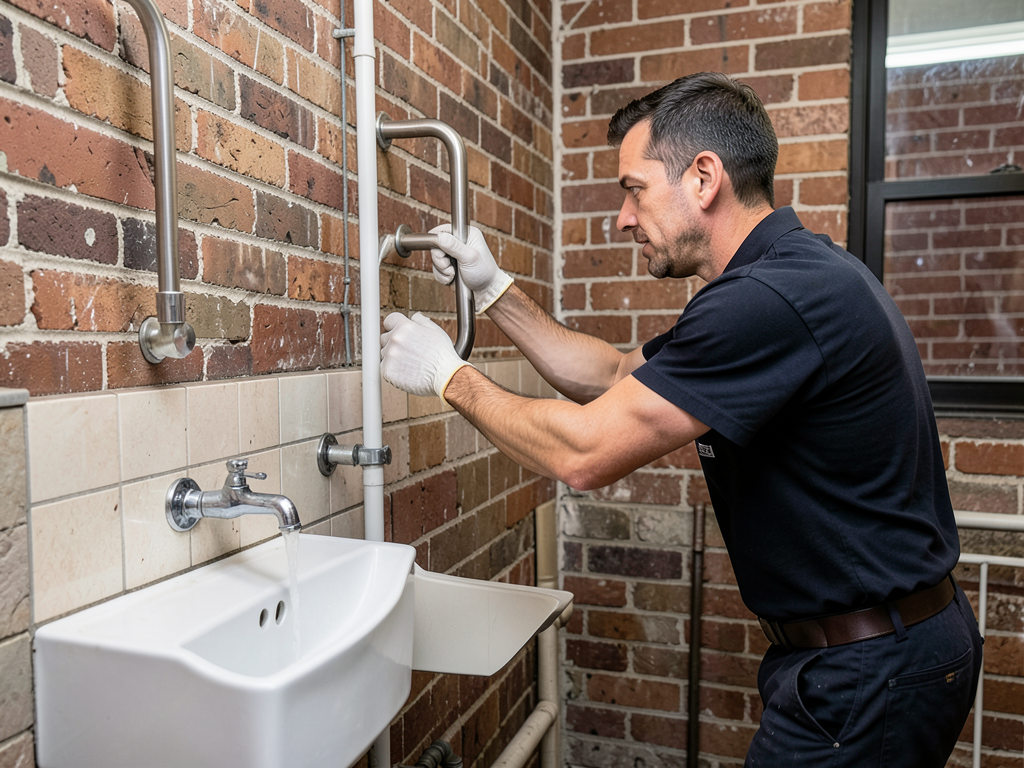
Properly installed grab bars provide critical support in bathrooms. The bars must withstand 250 pounds of force and mount to reinforced backing. Chicago’s plaster and lathe walls require special mounting techniques different from modern drywall construction.
Standard grab bar heights range from 33 to 36 inches above the finished floor. The bars should extend 1.5 inches from the wall to allow users to grip them securely. Common locations include beside toilets near showers and along bathtub sides.
Stainless steel remains the most popular material due to its durability and ease of cleaning. However many Chicago homeowners choose powder coated finishes that coordinate with existing fixtures while providing the same structural integrity.
Technical Specifications and Clearance Requirements
ADA compliance involves precise measurements for every fixture. The following specifications ensure proper function and safety for users with mobility limitations.
| Fixture Type | Mounting Height Range | Clearance Required | Key Feature |
|---|---|---|---|
| Comfort Height Toilet | 17-19 inches | 30×48 inches in front | Flush actuator on wide side |
| Accessible Sink | Maximum 34 inches | 27 inches knee clearance | Forward approach |
| Shower Controls | 38-48 inches | 15 inches from corner | Thermostatic mixing valve |
| Grab Bars | 33-36 inches | 1.5 inches from wall | 250 pound load capacity |
Clear floor space requirements ensure wheelchair users can approach fixtures safely. A minimum 30 by 48 inch clear space must exist in front of toilets and sinks. For parallel approaches the clear space extends along one side rather than in front.
Doorways require 32 inches of clear width when the door opens 90 degrees. Out swinging doors provide better access than in swinging doors since they do not obstruct the maneuvering space inside the bathroom.
Installation Considerations for Chicago Properties
Chicago’s diverse housing stock presents unique challenges for ADA modifications. Vintage buildings in Lincoln Park and Lakeview often contain plaster walls that require special reinforcement techniques for grab bar installation.
Older Chicago homes frequently lack the structural support needed for modern fixtures. Floor joists may need sistering to support heavier comfort height toilets. Wall cavities might require plywood backing before mounting grab bars or shower seats.
Water pressure varies significantly across Chicago neighborhoods. Properties near Lake Michigan often experience lower pressure than those in inland areas. This affects fixture selection particularly for pressure assisted toilets and certain faucet types.
Chicago’s freeze thaw cycles impact exterior wall modifications. Any plumbing modifications near exterior walls must include proper insulation to prevent freezing. This becomes critical when relocating fixtures or adding new supply lines.
Professional Installation Requirements
ADA compliance extends beyond product selection to include proper installation. Licensed plumbers understand how to reinforce walls for grab bars mount fixtures at exact heights and ensure proper drainage slopes. Top Rated Plumbers for High Rise Condos in the Gold Coast.
Chicago building inspectors verify compliance during renovation projects. Non compliant installations can result in failed inspections and costly rework. Professional installers document their work ensuring all measurements meet code requirements.
Commercial properties face stricter enforcement than residential homes. Restaurants hotels and retail spaces in Chicago’s Loop must maintain detailed records of ADA modifications. Residential properties generally only require compliance when undergoing major renovations.
Professional installation includes proper waterproofing for accessible showers. Roll in showers require specific membrane systems to prevent water migration into adjacent areas. Chicago’s humid summers make moisture management particularly important.
Cost Factors and Available Incentives
ADA modifications vary significantly in cost based on the scope of work. Simple fixture replacements start around $500 while complete bathroom remodels with accessibility features can exceed $15000.
Several factors influence pricing. Wall reinforcement adds $200 to $500 per grab bar location. Floor modifications for roll in showers typically cost $1000 to $3000 depending on existing conditions. Plumbing relocations increase costs substantially.
Illinois offers tax incentives for accessibility improvements in certain circumstances. Medical necessity documentation may qualify modifications as tax deductible expenses. Some Chicago homeowners qualify for city sponsored home improvement programs that offset modification costs.
Insurance coverage varies widely. Medicare and Medicaid rarely cover accessibility modifications unless they directly relate to skilled nursing care. Private insurance may cover certain modifications if prescribed by a physician.
Maintenance and Long Term Considerations
ADA compliant fixtures require specific maintenance approaches. Lever handles and touchless faucets need periodic cleaning to ensure smooth operation. Chicago’s hard water necessitates regular descaling of aerators and showerheads.
Grab bars should be inspected annually for secure mounting. The mounting hardware can loosen over time especially in older buildings with plaster walls. Any movement indicates the need for immediate reinforcement.
Comfort height toilets may require different maintenance than standard models. The higher bowl position can affect flush performance if the water level is not properly adjusted. Professional plumbers can optimize these fixtures for reliable operation. 24 Hour Emergency Plumbers in Lincoln Park for Immediate Help.
Accessible showers need careful attention to waterproofing. Grout lines should be sealed annually and any cracks in tile or grout addressed promptly. Chicago’s temperature extremes can cause expansion and contraction that creates gaps over time.
Frequently Asked Questions
Do Chicago building codes require ADA compliance for private residences?
Chicago building codes generally do not require ADA compliance for private single family homes. However modifications become subject to code when major renovations occur or when adding bedrooms or bathrooms. Multi family buildings must meet certain accessibility standards based on their size and construction date.
How do I know if my bathroom modifications will pass inspection?
Professional plumbers familiar with Chicago codes can ensure compliance. They understand specific requirements for fixture mounting heights clearance dimensions and reinforcement needs. Many provide documentation showing exact measurements and installation methods used.
Can I install ADA fixtures myself to save money?
DIY installation risks non compliance and potential safety issues. Proper reinforcement for grab bars requires understanding wall construction and load bearing requirements. Incorrect installation can result in fixture failure causing injury. Professional installation includes warranty coverage and code compliance verification.
What’s the difference between ADA compliant and universal design?
ADA compliance meets specific legal requirements for accessibility. Universal design goes further creating spaces usable by people of all ages and abilities. Universal design principles often exceed ADA minimums providing greater flexibility and ease of use for everyone.
How long do ADA bathroom modifications typically take?
Simple fixture replacements take 2 to 4 hours. Complete bathroom remodels with accessibility features require 3 to 5 days depending on the scope. Older Chicago homes may need additional time for unexpected issues like outdated plumbing or structural concerns.
Making Your Bathroom Safe and Accessible
Creating an ADA compliant bathroom involves balancing safety requirements with practical considerations. Chicago homeowners must navigate local building codes while ensuring modifications meet the specific needs of household members.
Professional assessment helps identify the most critical modifications based on individual mobility needs and existing bathroom conditions. Some homeowners find that strategic fixture selection and minor modifications provide adequate accessibility without complete renovation.
The investment in proper ADA modifications pays dividends through increased independence and reduced fall risk. As Chicago’s population ages accessible bathrooms become increasingly important for aging in place strategies.
Understanding both federal standards and Illinois accessibility requirements ensures your modifications meet all necessary codes while providing the functionality you need. Professional installation guarantees proper mounting heights secure reinforcement and reliable operation of all fixtures.
Ready to create a safer more accessible bathroom space? Contact our Chicago plumbing team to schedule a consultation. We’ll assess your current bathroom identify necessary modifications and provide detailed recommendations for ADA compliant fixtures that meet your needs and budget.
Call us today at (773) 514-5111 to learn how we can help you create a bathroom that works for everyone regardless of age or ability. For more information, visit ADA.gov.
{
“@context”: “https://schema.org”,
“@type”: “BlogPosting”,
“headline”: “Choosing the Best ADA Compliant Bathroom Fixtures for Aging in Place”,
“description”: “Find expert guidance on ADA compliant bathroom fixtures for Chicago homes. Learn Illinois codes, installation tips, and how to create safe, accessible spaces.”,
“wordCount”: 1786,
“datePublished”: “2026-04-16T13:28:00.000Z”,
“dateModified”: “2026-04-16T13:28:00.000Z”,
“inLanguage”: “en-US”,
“mainEntityOfPage”: {
“@type”: “WebPage”,
“@id”: “https://aplusplumbingchicago.com”
},
“publisher”: {
“@type”: “LocalBusiness”,
“name”: “A Plus Plumbing Chicago”,
“url”: “https://aplusplumbingchicago.com”
},
“author”: {
“@type”: “Organization”,
“name”: “A Plus Plumbing Chicago”,
“url”: “https://aplusplumbingchicago.com”
},
“image”: {
“@type”: “ImageObject”,
“url”: “https://aplusplumbingchicago.com/wp-content/uploads/2026/03/choosing-the-best-ada-compliant-bathroom-fixtures-1.png”
}
}
{
“@context”: “https://schema.org”,
“@type”: “Plumber”,
“name”: “A Plus Plumbing Chicago”,
“url”: “https://aplusplumbingchicago.com”,
“address”: {
“@type”: “PostalAddress”,
“addressLocality”: “Chicago”
},
“areaServed”: {
“@type”: “City”,
“name”: “Chicago”
}
}
{
“@context”: “https://schema.org”,
“@type”: “FAQPage”,
“mainEntity”: [
{
“@type”: “Question”,
“name”: “Do Chicago building codes require ADA compliance for private residences?”,
“acceptedAnswer”: {
“@type”: “Answer”,
“text”: “Chicago building codes generally do not require ADA compliance for private single family homes. However modifications become subject to code when major renovations occur or when adding bedrooms or bathrooms. Multi family buildings must meet certain accessibility standards based on their size and construction date.”
}
},
{
“@type”: “Question”,
“name”: “How do I know if my bathroom modifications will pass inspection?”,
“acceptedAnswer”: {
“@type”: “Answer”,
“text”: “Professional plumbers familiar with Chicago codes can ensure compliance. They understand specific requirements for fixture mounting heights clearance dimensions and reinforcement needs. Many provide documentation showing exact measurements and installation methods used.”
}
},
{
“@type”: “Question”,
“name”: “Can I install ADA fixtures myself to save money?”,
“acceptedAnswer”: {
“@type”: “Answer”,
“text”: “DIY installation risks non compliance and potential safety issues. Proper reinforcement for grab bars requires understanding wall construction and load bearing requirements. Incorrect installation can result in fixture failure causing injury. Professional installation includes warranty coverage and code compliance verification.”
}
},
{
“@type”: “Question”,
“name”: “How long do ADA bathroom modifications typically take?”,
“acceptedAnswer”: {
“@type”: “Answer”,
“text”: “Simple fixture replacements take 2 to 4 hours. Complete bathroom remodels with accessibility features require 3 to 5 days depending on the scope. Older Chicago homes may need additional time for unexpected issues like outdated plumbing or structural concerns.”
}
}
]
}
{
“@context”: “https://schema.org”,
“@type”: “BreadcrumbList”,
“itemListElement”: [
{
“@type”: “ListItem”,
“position”: 1,
“name”: “Home”,
“item”: “https://aplusplumbingchicago.com”
},
{
“@type”: “ListItem”,
“position”: 2,
“name”: “Blog”,
“item”: “https://aplusplumbingchicago.com/blog”
},
{
“@type”: “ListItem”,
“position”: 3,
“name”: “Choosing the Best ADA Compliant Bathroom Fixtures for Aging in Place”
}
]
}
{
“@context”: “https://schema.org”,
“@type”: “Service”,
“serviceType”: “Plumbing”,
“provider”: {
“@type”: “LocalBusiness”,
“name”: “A Plus Plumbing Chicago”,
“url”: “https://aplusplumbingchicago.com”
},
“areaServed”: {
“@type”: “City”,
“name”: “Chicago”
},
“description”: “Find expert guidance on ADA compliant bathroom fixtures for Chicago homes. Learn Illinois codes, installation tips, and how to create safe, accessible spaces.”
}