
How to Track Down the Source of Sewer Gas Smells in Your West Town Apartment
Walking into your West Town apartment and smelling rotten eggs is alarming. Sewer gas contains hydrogen sulfide and methane which can cause headaches nausea and even pose explosion risks in high concentrations. The good news is that most sewer odors have simple causes you can identify and fix yourself. This guide walks you through the process step by step helping you determine whether you need to call your landlord or contact a licensed plumber right away. Wicker Park Sewer Line Repair Specialists for Older Chicago Homes.
Common Causes of Sewer Odors in West Town Apartments
West Town’s mix of vintage greystones and newer condos creates unique plumbing challenges. Understanding the most frequent culprits helps you narrow down the source quickly.
Dry P-Traps
The P-trap is the U-shaped pipe under every sink shower and floor drain. It holds water creating a seal that blocks sewer gases from rising into your apartment. When a fixture sits unused for weeks the water in the trap evaporates. Guest bathrooms laundry rooms and basement floor drains in West Town buildings are common trouble spots especially during Chicago’s cold winters when windows stay closed. Chicago Plumbing Code requirements.
Faulty Toilet Wax Rings
The wax ring seals the connection between your toilet and the waste pipe. Over time this seal can crack or compress allowing sewer gases to escape. You might notice the smell is strongest near the toilet or that the toilet rocks slightly when you sit on it. This issue appears more frequently in older West Town buildings where toilets haven’t been replaced in decades.. Read more about Dealing with Gurgling Toilets and Venting Problems in Garfield Park Homes.
Blocked or Frozen Vent Stacks
Vent stacks run vertically through your building connecting to the roof. They equalize pressure in the plumbing system and allow gases to escape safely outside. Chicago winters can freeze these vents solid with ice and snow. Birds and debris also commonly block them. When vents fail air pressure changes can force sewer gases through P-traps even when they contain water.
Floor Drain Issues
Many West Town basements and laundry rooms have floor drains with old or missing trap primers. These primers automatically refill P-traps when they dry out. Without them floor drains become direct pathways for sewer gases especially in buildings with combined sewer systems that back up during heavy rains.
Step-by-Step Troubleshooting Guide
Follow these steps in order to identify your sewer gas source. Work methodically and document what you find to share with your landlord or plumber.
Check All Fixtures
Run water in every sink tub and floor drain for 30 seconds. This refills any dry P-traps. Pay special attention to rarely used fixtures in guest bathrooms utility sinks and basement drains. If the smell disappears after running water you’ve likely solved the problem.
Inspect Toilets
Gently rock each toilet to check for movement. A toilet that wobbles may have a failing wax ring. Look for water stains around the base which indicate slow leaks. Check the caulk seal between the toilet and floor if present.
Examine Under-Sink Cabinets
Open all cabinet doors beneath sinks. Look for signs of leaks moisture or corrosion on pipes. A leaking P-trap or drain pipe can create both water damage and sewer odors. Check that all connections are tight and that drain pipes have the characteristic U-bend.
Test the Floor Drain
If you have a floor drain pour a bucket of water down it. If the water seems to disappear quickly the trap may be damaged or missing. Some older West Town buildings have floor drains connected directly to the sewer without proper traps.
Check for Visible Vent Issues
While you can’t access vent stacks inside walls you can sometimes spot external problems. Look for debris piled around vent pipe openings on the roof. In winter check if vent pipes have excessive ice buildup which could indicate poor insulation.
When to Call Your Landlord vs. a Professional Plumber
Understanding your rights and responsibilities helps you take appropriate action without wasting time or money.
Landlord Responsibilities Under Chicago RLTO
The Chicago Residential Landlord and Tenant Ordinance requires landlords to maintain habitable conditions including proper plumbing. Persistent sewer odors typically violate this ordinance. Document the issue with photos note when it occurs and formally notify your landlord in writing. They must respond within a reasonable timeframe usually 24-72 hours for urgent issues.
Signs You Need a Professional Immediately
Call a licensed plumber right away if you notice any of these warning signs. The smell is accompanied by gurgling sounds from drains. Multiple fixtures are affected simultaneously. You see sewage backing up into tubs or floor drains. The odor is strong and pervasive throughout your apartment. You or your family members experience headaches dizziness or nausea which could indicate dangerous gas concentrations.
DIY vs. Professional Solutions
You can handle simple fixes like running water in dry traps or tightening loose connections under sinks. However issues involving vent stacks wax ring replacement or sewer line problems require professional tools and expertise. Chicago’s strict plumbing code also means many repairs must be performed by licensed professionals to meet legal requirements. EPA information on sewer gas health risks.
Chicago-Specific Plumbing Challenges
West Town’s location and building stock create unique plumbing considerations that affect how you troubleshoot sewer odors.
Combined Sewer Systems
Many older Chicago neighborhoods including parts of West Town use combined sewer systems where stormwater and sewage flow through the same pipes. During heavy rains these systems can back up forcing gases and even sewage back into buildings through floor drains and lower-level fixtures. This is especially problematic in vintage buildings with inadequate backflow prevention.
Freeze-Thaw Cycles
Chicago’s dramatic temperature swings from winter to spring stress plumbing systems. Frozen vent stacks are common when daytime thaws refreeze overnight. The expansion and contraction can crack pipes and seals. Buildings in West Town’s older stock often lack the insulation needed to prevent these freeze-thaw issues. Fixing Frozen and Burst Pipes in Bucktown During a Chicago Winter.
Clay Sewer Pipes
Many West Town buildings still have original clay sewer pipes dating back to the early 1900s. These pipes become brittle over time developing cracks that allow tree roots to infiltrate. Root intrusion creates blockages that cause backups and trap sewer gases. The clay pipes also shift with Chicago’s clay soil expanding and contracting with moisture changes.
Safety First: When Sewer Gas Becomes Dangerous
While most sewer odors are merely unpleasant some situations require immediate evacuation and emergency services. 24 Hour Emergency Plumbers in Lincoln Park for Immediate Help.
Health Risk Levels
Hydrogen sulfide becomes dangerous at concentrations as low as 10 parts per million. At 100 ppm it can cause eye irritation and coughing. Levels above 500 ppm can lead to unconsciousness and death within minutes. Methane while less toxic poses explosion risks at concentrations above 5% in enclosed spaces.
Emergency Warning Signs
Evacuate immediately and call 911 if you experience these symptoms. Multiple people in the building feel sick simultaneously. You hear hissing sounds near gas lines. The smell is overwhelmingly strong rather than intermittent. You notice dead houseplants or unusual condensation on windows which can indicate poor ventilation and gas buildup.
Immediate Actions
If you suspect dangerous gas levels leave the building without turning on lights or using phones which could create sparks. Open windows if possible as you exit. Once outside call your gas utility and 911 from a safe location. Do not re-enter the building until emergency responders declare it safe.
Preventing Future Sewer Gas Problems
Once you resolve the immediate issue take steps to prevent recurrence. This is especially important in West Town’s older buildings where plumbing problems tend to be chronic rather than one-time events.
Regular Maintenance Schedule
Run water in all fixtures for 30 seconds monthly including guest bathrooms and basement drains. Pour a cup of mineral oil down floor drains twice yearly to slow evaporation. Check under sinks quarterly for leaks or moisture. These simple steps prevent most dry trap issues.
Seasonal Preparations
Before Chicago’s winter freeze-insulate exposed pipes and ensure vent stacks are clear of debris. During spring rains be vigilant about floor drain backups and consider installing backflow preventers if you experience recurring issues. Summer humidity can also affect plumbing causing condensation that leads to mold and odors.
Building-Wide Solutions
If you live in a multi-unit building encourage your landlord to implement preventive measures. These include installing trap primers on all floor drains scheduling annual vent stack inspections and replacing failing wax rings during routine maintenance. Building-wide solutions are more effective than individual apartment fixes in vintage Chicago buildings.
Professional Diagnostic Tools
When DIY troubleshooting fails plumbers use specialized equipment to pinpoint elusive sewer gas sources. Understanding these tools helps you appreciate why professional diagnosis sometimes costs more than expected. Top Rated Plumbers for High Rise Condos in the Gold Coast.
Smoke Testing
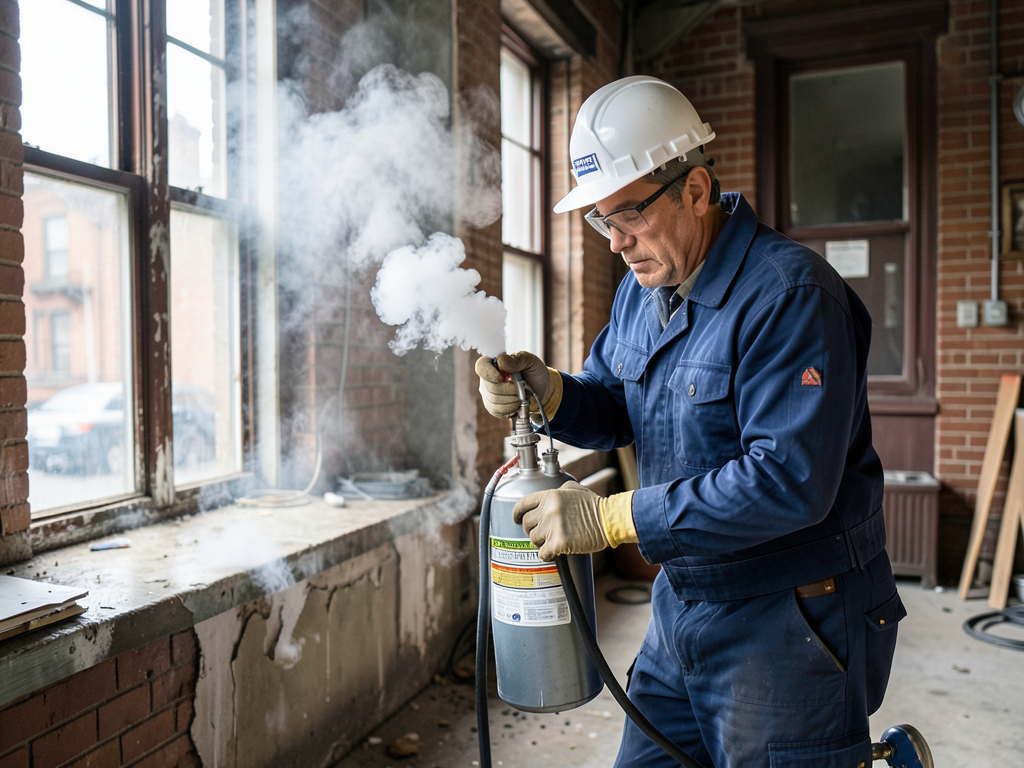
Plumbers pump non-toxic smoke into the plumbing system and watch where it escapes. This reveals cracks in pipes hidden behind walls and identifies faulty connections. Smoke testing is particularly useful in West Town’s older buildings where original plumbing may have been modified multiple times over the decades.
Video Camera Inspection
A flexible camera snake inspects sewer lines from inside revealing cracks root intrusion and collapsed pipes. This technology eliminates guesswork and prevents unnecessary wall demolition. In Chicago’s clay soil areas video inspection often reveals problems that would otherwise remain hidden until major backups occur.
Pressure Testing
Plumbers seal the plumbing system and pressurize it with air or water to detect leaks. This method identifies problems that don’t produce visible water damage but still allow gas to escape. Pressure testing is essential for diagnosing vent stack issues and hidden pipe leaks in multi-story buildings.
Cost Factors for Professional Repairs
Understanding potential repair costs helps you budget and evaluate quotes from plumbers. Prices vary significantly based on the problem’s complexity and your building’s characteristics.
| Repair Type | Typical Cost Range | Factors Affecting Price |
|---|---|---|
| Wax Ring Replacement | $150 – $300 | Toilet removal accessibility building age |
| P-trap Repair/Replacement | $200 – $500 | Accessibility pipe material access difficulty |
| Vent Stack Repair | $500 – $2,000 | Height accessibility extent of damage |
| Floor Drain Trap Replacement | $300 – $800 | Access to drain concrete cutting |
| Sewer Line Repair | $2,000 – $10,000+ | Length of line excavation requirements |
These ranges reflect typical Chicago costs in 2026. Emergency service calls often include premium charges of 50-100% above standard rates.
Legal Considerations for Renters
Chicago’s strong tenant protections give you specific rights when dealing with persistent sewer gas issues. Knowing these rights helps you advocate effectively for repairs.
Documentation Requirements
Under the Chicago RLTO you must provide written notice of the problem to your landlord. Include photos of the issue dates and times when it occurs and any health symptoms you experience. Keep copies of all communications. If the landlord fails to respond within a reasonable time typically 14 days for non-emergency issues you gain additional remedies.
Withholding Rent Rights
If sewer gas creates uninhabitable conditions you may withhold rent after following proper procedures. However this requires careful documentation and often legal guidance. Simply stopping rent payments without following the correct process can lead to eviction proceedings.
Repair and Deduct Option
For serious issues that threaten health and safety Chicago tenants can arrange repairs themselves and deduct the cost from rent. This option has strict limits typically capped at $500 or half your monthly rent whichever is less. You must still provide proper notice and keep all receipts.
Frequently Asked Questions
Why does my apartment smell like sewer only at certain times?
Intermittent sewer odors often indicate pressure-related issues. Changes in building water usage weather conditions or even wind direction can affect how gases move through plumbing systems. Seasonal problems like frozen vents or backed-up catch basins during heavy rains also cause periodic odors.
Can I use air fresheners to mask sewer gas smells?
Air fresheners only hide the odor temporarily and can make the underlying problem worse by masking warning signs. The gases themselves remain potentially harmful. Focus on identifying and eliminating the source rather than covering it up.
How long should I wait before calling a plumber?
If basic troubleshooting doesn’t resolve the issue within 24-48 hours or if you notice any warning signs like health symptoms or sewage backups call a professional immediately. Sewer gas problems rarely resolve themselves and typically worsen over time.
Will my homeowner’s insurance cover sewer gas repairs?
Standard policies typically exclude gradual plumbing deterioration but may cover sudden damage from specific events like frozen pipe bursts. Check your policy details and document everything if you plan to file a claim. Some repairs may be covered under warranty if your building is relatively new.
Is it safe to stay in my apartment with a minor sewer smell?
While occasional faint odors may not pose immediate danger you should never ignore persistent smells. Even low concentrations of hydrogen sulfide can cause long-term health effects. Address the issue promptly to protect your health and prevent more serious problems.
Conclusion
Sewer gas odors in your West Town apartment signal plumbing problems that need attention. Most issues have simple causes like dry P-traps or failing wax rings that you can identify through systematic troubleshooting. However some problems require professional diagnosis and repair especially in Chicago’s older buildings with their unique plumbing challenges.
Your safety comes first. If you experience strong persistent odors or any health symptoms evacuate and call for professional help immediately. For less urgent issues start with basic maintenance like running water in unused fixtures then document and report ongoing problems to your landlord following Chicago’s tenant protection laws.
Don’t let sewer gas problems linger. They rarely improve on their own and can lead to more expensive repairs if ignored. Whether you need simple advice or emergency service help is available. Contact a licensed Chicago plumber today to protect your health and your home.
Get Professional Help Today
Persistent sewer gas odors require expert attention. Our licensed Chicago plumbers have solved hundreds of similar problems throughout West Town and surrounding neighborhoods. We offer fast response times accurate diagnosis and lasting solutions backed by our satisfaction guarantee.
Call us now at (773) 514-5111 for immediate assistance. We’re available 24/7 for emergency service and can often provide same-day appointments for urgent issues. Don’t wait until a small problem becomes a major repair. Your health and safety are worth professional attention.
Visit our website to learn more about our comprehensive plumbing services or to schedule a convenient appointment time. We serve all of Chicago including West Town Wicker Park Bucktown and the surrounding areas. Let us help you eliminate sewer gas odors and restore comfort to your home.
{
“@context”: “https://schema.org”,
“@type”: “BlogPosting”,
“headline”: “How to Track Down the Source of Sewer Gas Smells in Your West Town Apartment”,
“description”: “Detect and eliminate sewer gas odors in your West Town apartment. Learn about P-traps, vent stacks, and when to call a Chicago plumber. Safety tips included.”,
“wordCount”: 2444,
“datePublished”: “2026-06-17T06:48:00.000Z”,
“dateModified”: “2026-06-17T06:48:00.000Z”,
“inLanguage”: “en-US”,
“mainEntityOfPage”: {
“@type”: “WebPage”,
“@id”: “https://aplusplumbingchicago.com”
},
“publisher”: {
“@type”: “LocalBusiness”,
“name”: “A Plus Plumbing Chicago”,
“url”: “https://aplusplumbingchicago.com”
},
“author”: {
“@type”: “Organization”,
“name”: “A Plus Plumbing Chicago”,
“url”: “https://aplusplumbingchicago.com”
},
“image”: {
“@type”: “ImageObject”,
“url”: “https://aplusplumbingchicago.com/wp-content/uploads/2026/03/how-to-track-down-the-source-of-sewer-gas-smells-i-1.png”
}
}
{
“@context”: “https://schema.org”,
“@type”: “Plumber”,
“name”: “A Plus Plumbing Chicago”,
“url”: “https://aplusplumbingchicago.com”,
“address”: {
“@type”: “PostalAddress”,
“addressLocality”: “Chicago”
},
“areaServed”: {
“@type”: “City”,
“name”: “Chicago”
}
}
{
“@context”: “https://schema.org”,
“@type”: “FAQPage”,
“mainEntity”: [
{
“@type”: “Question”,
“name”: “Why does my apartment smell like sewer only at certain times?”,
“acceptedAnswer”: {
“@type”: “Answer”,
“text”: “Intermittent sewer odors often indicate pressure-related issues. Changes in building water usage weather conditions or even wind direction can affect how gases move through plumbing systems. Seasonal problems like frozen vents or backed-up catch basins during heavy rains also cause periodic odors.”
}
},
{
“@type”: “Question”,
“name”: “Can I use air fresheners to mask sewer gas smells?”,
“acceptedAnswer”: {
“@type”: “Answer”,
“text”: “Air fresheners only hide the odor temporarily and can make the underlying problem worse by masking warning signs. The gases themselves remain potentially harmful. Focus on identifying and eliminating the source rather than covering it up.”
}
},
{
“@type”: “Question”,
“name”: “How long should I wait before calling a plumber?”,
“acceptedAnswer”: {
“@type”: “Answer”,
“text”: “If basic troubleshooting doesn’t resolve the issue within 24-48 hours or if you notice any warning signs like health symptoms or sewage backups call a professional immediately. Sewer gas problems rarely resolve themselves and typically worsen over time.”
}
},
{
“@type”: “Question”,
“name”: “Will my homeowner’s insurance cover sewer gas repairs?”,
“acceptedAnswer”: {
“@type”: “Answer”,
“text”: “Standard policies typically exclude gradual plumbing deterioration but may cover sudden damage from specific events like frozen pipe bursts. Check your policy details and document everything if you plan to file a claim. Some repairs may be covered under warranty if your building is relatively new.”
}
},
{
“@type”: “Question”,
“name”: “Is it safe to stay in my apartment with a minor sewer smell?”,
“acceptedAnswer”: {
“@type”: “Answer”,
“text”: “While occasional faint odors may not pose immediate danger you should never ignore persistent smells. Even low concentrations of hydrogen sulfide can cause long-term health effects. Address the issue promptly to protect your health and prevent more serious problems.”
}
}
]
}
{
“@context”: “https://schema.org”,
“@type”: “BreadcrumbList”,
“itemListElement”: [
{
“@type”: “ListItem”,
“position”: 1,
“name”: “Home”,
“item”: “https://aplusplumbingchicago.com”
},
{
“@type”: “ListItem”,
“position”: 2,
“name”: “Blog”,
“item”: “https://aplusplumbingchicago.com/blog”
},
{
“@type”: “ListItem”,
“position”: 3,
“name”: “How to Track Down the Source of Sewer Gas Smells in Your West Town Apartment”
}
]
}
{
“@context”: “https://schema.org”,
“@type”: “Service”,
“serviceType”: “Plumbing”,
“provider”: {
“@type”: “LocalBusiness”,
“name”: “A Plus Plumbing Chicago”,
“url”: “https://aplusplumbingchicago.com”
},
“areaServed”: {
“@type”: “City”,
“name”: “Chicago”
},
“description”: “Detect and eliminate sewer gas odors in your West Town apartment. Learn about P-traps, vent stacks, and when to call a Chicago plumber. Safety tips included.”
}