
Is It Time to Switch from a Septic Tank to the City Sewer in Mount Greenwood?
Mount Greenwood and nearby Beverly sit on Chicago’s Far Southwest Side where some homes still rely on septic systems instead of city sewer. If your septic tank needs constant pumping smells bad or your yard floods after rain you might wonder if connecting to the city sewer makes sense. This guide breaks down what septic-to-sewer conversion means for Chicago homeowners how the process works and what to expect from permits to final connection. Chicago Department of Water Management.

Why Mount Greenwood Homes Still Use Septic Systems
Chicago’s sewer network covers most neighborhoods but pockets like Mount Greenwood Beverly and parts of Morgan Park developed before full municipal service arrived. These areas have older infrastructure where septic tanks handle waste instead of pipes running to treatment plants. Homes here often sit on larger lots with more space for drain fields making septic systems feasible decades ago. Wicker Park Sewer Line Repair Specialists for Older Chicago Homes.
Today septic systems in Chicago face unique challenges. Our clay-heavy soil does not drain well causing backups. The high water table from Lake Michigan’s influence means septic drain fields can flood during spring rains. Older tanks built before modern codes may leak contaminating soil and groundwater. When these systems fail city sewer connection becomes more than convenience—it becomes necessary.. Read more about How Chicagos Heavy Clay Soil Affects Your Underground Sewer Lines.
Benefits of Connecting to Chicago City Sewer
Switching from septic to city sewer eliminates ongoing maintenance costs. No more annual pumping fees or emergency repairs when tanks fill up. City sewer also removes the risk of groundwater contamination which matters in neighborhoods near forest preserves and the Calumet Sag Channel. 24 Hour Emergency Plumbers in Lincoln Park for Immediate Help.
Property values often increase after conversion. Buyers prefer homes with reliable city utilities over properties needing septic management. In Mount Greenwood’s competitive market this upgrade can make your home stand out to families who want one less thing to worry about.
Environmental benefits matter too. Chicago’s Metropolitan Water Reclamation District treats all wastewater to strict standards reducing local pollution. Converting helps protect nearby waterways like the Calumet River and Lake Michigan which supply our drinking water. Metropolitan Water Reclamation District.
The Chicago Septic-to-Sewer Conversion Process
Converting from septic to city sewer in Chicago follows a specific sequence. First a licensed plumber inspects your property to determine if city sewer service reaches your street. If the main sewer line runs nearby the next step involves applying for permits through the Chicago Department of Water Management.
The process starts with site evaluation. Your plumber checks the distance from your home to the street sewer main soil conditions and any obstacles like trees or existing utilities. This assessment determines the scope of work and helps estimate costs.
Permit acquisition takes time. Chicago requires detailed plans showing how you will connect to the city main abandon your septic tank and restore your property. The Department of Water Management reviews these plans to ensure compliance with city codes and environmental regulations.
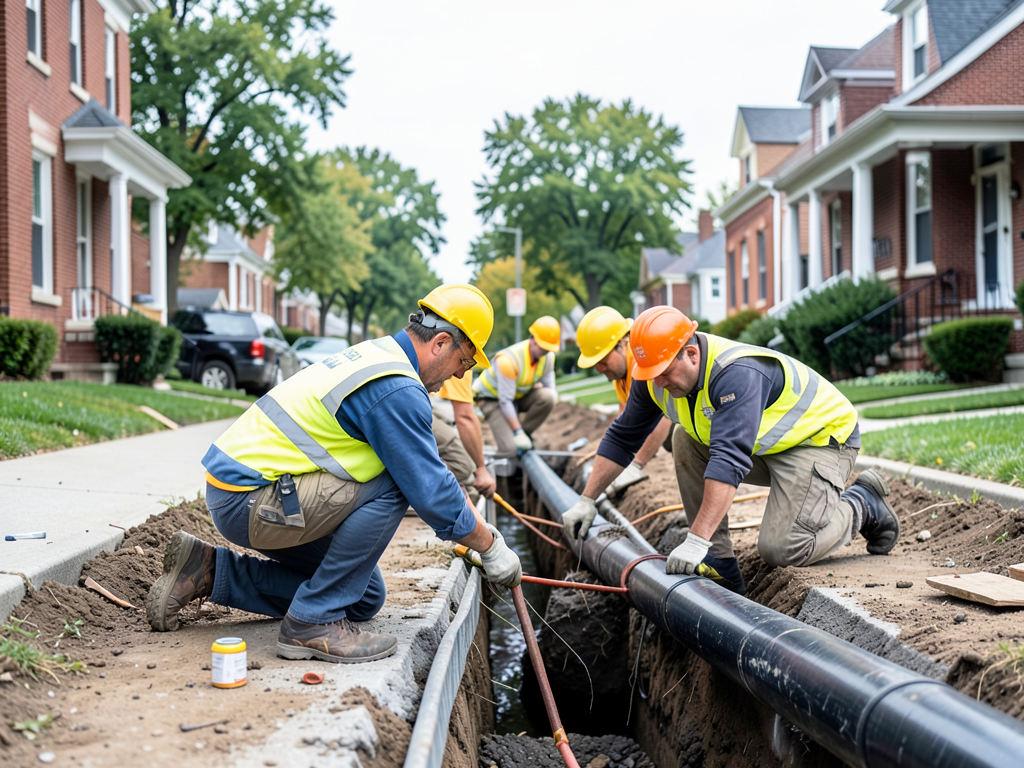
Excavation comes next. Crews dig trenches from your home to the street install new sewer lateral pipes and connect to the city main. This phase can disrupt landscaping but experienced contractors use techniques to minimize damage.
Septic tank abandonment follows state law requirements. The tank must get pumped completely then either removed or crushed and filled with sand or gravel. This prevents future collapse and eliminates any environmental hazard.
Final inspection ensures everything meets code. Chicago inspectors verify the new connection proper abandonment and restoration work before approving the conversion.
Chicago Permit Requirements and Regulations
Chicago’s permit process for septic-to-sewer conversion involves multiple agencies. The Department of Water Management handles the sewer connection permit. The Department of Buildings reviews plans for compliance with Chicago Plumbing Code. The Illinois Environmental Protection Agency oversees septic tank abandonment to prevent groundwater contamination. Illinois EPA septic system regulations.
Mount Greenwood homeowners need several specific permits. The sewer tap-in permit allows connection to the city main. The excavation permit covers street work. The septic tank abandonment permit ensures proper decommissioning. Each permit has fees based on project scope.
Chicago requires licensed plumbers for all work. Your contractor must carry proper insurance and bonds. The city also mandates specific pipe materials—usually PVC or cast iron for sewer laterals. These requirements protect homeowners from substandard work. Top Rated Plumbers for High Rise Condos in the Gold Coast.
Timeline expectations vary. Permit approval can take 4-8 weeks depending on workload. Actual construction usually finishes in 3-5 days for typical residential properties. Weather affects schedules especially during Chicago’s freeze-thaw seasons.
Cost Breakdown for Chicago Septic-to-Sewer Conversion
Costs vary widely based on distance to the sewer main and site conditions. Most Mount Greenwood conversions range from $8000 to $20000. Here’s what drives those numbers:
| Cost Component | Typical Range | Notes |
|---|---|---|
| Permits and Fees | $1000 – $2500 | City and state permits |
| Excavation and Labor | $4000 – $8000 | Depends on distance and obstacles |
| Piping Materials | $1500 – $3000 | PVC or cast iron pipes |
| Septic Tank Abandonment | $1000 – $2500 | Pumping removal or filling |
| Restoration and Landscaping | $500 – $2000 | Grass concrete or asphalt repair |
| Miscellaneous Costs | $500 – $1500 | Inspection fees unexpected issues |
Distance to the sewer main significantly impacts costs. Properties 50 feet from the main might spend $8000 total. Those 200 feet away could see bills near $20000. Deep excavations or rock removal add thousands more.
Mount Greenwood’s older homes sometimes need additional work. Replacing lead service lines or upgrading plumbing inside the house adds costs. However these improvements often qualify for city rebates or low-interest financing programs.
Trenchless vs Traditional Sewer Installation in Chicago
Traditional excavation involves digging open trenches from your home to the street. This method works well for straightforward properties but destroys landscaping and driveways. In Mount Greenwood’s established neighborhoods this approach can mean replacing mature trees or rebuilding concrete walkways.
Trenchless technology offers alternatives. Pipe bursting breaks up old pipes while simultaneously pulling new ones through the same path. Directional drilling bores underground without surface disruption. These methods cost 20-40% more than traditional excavation but save on restoration.
Chicago’s soil conditions favor certain methods. Clay soil makes directional drilling challenging but possible with proper equipment. The high water table sometimes requires dewatering during excavation adding time and cost regardless of method.
Property restoration differs dramatically between approaches. Traditional excavation means weeks of yard repair new sod and possibly concrete replacement. Trenchless methods might only disturb a few small areas allowing faster recovery.
Property Value Impact After Septic-to-Sewer Conversion
Real estate data shows homes with city sewer connections sell faster and at higher prices than those with septic systems. In Mount Greenwood this difference can mean 5-10% more value. For a $400000 home that’s $20000-$40000 in added equity.
Buyers view city sewer as a major advantage. They do not want septic maintenance responsibilities or the risk of system failure. Properties with recent sewer connections often attract multiple offers especially from families or investors.
Insurance considerations matter too. Homes on septic systems sometimes pay higher premiums due to contamination risks. City sewer connections can lower these costs though savings vary by insurer.
Long-term savings add up. No more septic pumping every 1-3 years at $300-$500 per visit. No emergency repairs when systems fail. These avoided costs often offset the initial conversion investment within 5-10 years.
Chicago-Specific Challenges and Solutions
Mount Greenwood’s location creates unique conversion challenges. The area’s clay soil expands and contracts with moisture changes potentially shifting underground pipes. Proper bedding and compaction prevent future alignment issues.
Chicago’s freeze-thaw cycles stress sewer connections. Pipes must get buried below frost line depth—typically 42 inches in our area. This depth protects against freezing but increases excavation costs.
Combined sewer systems in some Mount Greenwood streets handle both wastewater and stormwater. These systems can back up during heavy rains requiring backflow prevention devices on new connections. These devices add $500-$1000 but prevent basement flooding.
Historic district considerations apply in parts of Beverly near Mount Greenwood. Exterior modifications might need additional approval from preservation boards. Your contractor should know these requirements before starting work.
Timeline for Septic-to-Sewer Conversion
Understanding the timeline helps plan your project. Here’s a typical schedule for Chicago-area conversions:
- Initial Consultation (1-2 weeks)
Property assessment and preliminary design. Your plumber evaluates site conditions and provides cost estimate.
- Permit Application (2-4 weeks)
Document preparation and submission to city agencies. Review and approval process.
- Pre-Construction Prep (1 week)
Utility locates material ordering crew scheduling.
- Construction Phase (3-7 days)
Excavation pipe installation connection to city main septic abandonment.
- Inspections and Approval (1-2 weeks)
City inspections final approvals paperwork completion.
- Restoration (1-4 weeks)
Lawn repair concrete replacement final cleanup.
Total project duration typically ranges from 6-12 weeks from start to finish. Weather can extend timelines especially during Chicago’s winter months when frozen ground halts excavation. Fixing Frozen and Burst Pipes in Bucktown During a Chicago Winter.
Financial Assistance and Rebate Programs
Chicago and Cook County sometimes offer programs to help with sewer conversions. The Lead Service Line Replacement program provides rebates for upgrading old plumbing lines. While primarily for lead pipes similar assistance occasionally applies to septic conversions in underserved areas.
Federal programs through the EPA’s Clean Water State Revolving Fund can provide low-interest loans for water quality improvements. These loans help homeowners afford necessary infrastructure upgrades.
Property Assessed Clean Energy (PACE) financing lets homeowners repay improvement costs through property tax bills. This spreads payments over 10-20 years making large projects more affordable.
Local banks often offer home improvement loans with favorable terms for essential upgrades. Some Mount Greenwood credit unions understand the area’s infrastructure needs and provide specialized lending.
Choosing the Right Contractor in Chicago
Not all plumbers handle septic-to-sewer conversions. You need someone with specific experience in Chicago’s permit process and local soil conditions. Look for contractors who understand Mount Greenwood’s unique challenges.
Verify licensing through the Illinois Department of Public Health. Plumbers must hold current state licenses for sewer work. Check for proper insurance coverage including liability and workers’ compensation.
Ask about experience with similar projects in your area. Contractors familiar with Beverly and Mount Greenwood understand local soil weather patterns and city requirements. They can anticipate problems before they occur.
Get detailed written estimates. Good contractors explain their process timeline and potential complications. They should discuss restoration options and provide references from similar projects.
Communication matters during conversions. Your contractor should keep you informed about permit status weather delays and any changes to the plan. Clear communication prevents misunderstandings and ensures satisfaction.
Environmental Considerations
Septic-to-sewer conversion improves local water quality. Old septic systems can leak nitrogen phosphorus and bacteria into soil and groundwater. These contaminants harm aquatic ecosystems and can affect drinking water sources.
Chicago’s treatment plants use advanced processes to remove pollutants before releasing water back to the environment. Converting from septic ensures your wastewater receives this full treatment rather than partial processing in your yard.
During construction responsible contractors minimize environmental impact. They control erosion manage runoff and properly dispose of excavated soil. Many recycle old pipes and materials rather than sending them to landfills.
Native plant restoration after conversion helps stabilize soil and absorb stormwater. Some Mount Greenwood homeowners choose rain gardens or bioswales to manage runoff while creating attractive landscaping.
Maintenance After Conversion
City sewer connections require minimal maintenance compared to septic systems. The main task involves preventing clogs. Avoid flushing wipes grease or other materials that cause blockages. Install strainers on drains to catch hair and debris.
Annual sewer line cleaning prevents buildup in older pipes. This service costs $100-$300 but can prevent expensive emergency repairs. Many Mount Greenwood homes built before 1970 have pipes nearing the end of their lifespan.
Watch for warning signs of problems. Slow drains throughout the house might indicate a main line blockage. Gurgling sounds or sewage odors suggest ventilation issues. Address these promptly to prevent backups.
Tree roots invade sewer lines through joints or cracks. If you have large trees near your sewer lateral consider root barriers or regular root cutting services. This preventive maintenance costs less than repairing broken pipes.
Frequently Asked Questions
How long does septic-to-sewer conversion take?
Most projects complete in 6-12 weeks total with 3-7 days of active construction. Permit approval takes the longest often 4-8 weeks.
Will my yard get destroyed during the process?
Traditional excavation disrupts landscaping but trenchless methods minimize damage. Most yards need some restoration afterward.
Can I stay in my home during the conversion?
Yes. Work focuses on outdoor areas and the main sewer line. You might lose water service briefly during connection but contractors schedule this carefully.
What if city sewer does not reach my street?
If the main line gets too far away conversion does not work. Your plumber can check availability before you invest in planning.
Are there any rebates available for this work?
Various programs offer assistance including PACE financing and potential city rebates. Ask your contractor about current opportunities.
How much does it cost to abandon a septic tank?
Tank abandonment typically costs $1000-$2500 including pumping removal or crushing and proper filling.
Will converting increase my property taxes?
The improvement might get assessed but increased property value often outweighs any tax increase.
Do I need a permit for septic tank abandonment?
Yes. Illinois requires permits for proper tank decommissioning to protect groundwater and prevent future hazards.
Can I convert just part of my plumbing to city sewer?
Partial conversions create problems. Complete conversion ensures all wastewater goes to the city system properly.
What happens if I do not convert and my septic fails?
Failed septic systems can contaminate groundwater create health hazards and result in city fines or required evacuation.
Making the Decision for Your Mount Greenwood Home
Septic-to-sewer conversion represents a significant investment but offers long-term benefits for Mount Greenwood homeowners. The decision depends on your septic system’s condition property plans and financial situation.
If your septic system works well and you plan to stay briefly conversion might not make sense yet. But if you face constant repairs plan to sell soon or want to eliminate maintenance worries now might be the right time.
Start with a professional assessment. A qualified Chicago plumber can evaluate your property check sewer availability and provide realistic cost estimates. This information helps you make an informed decision about upgrading your home’s infrastructure.
Mount Greenwood’s older homes deserve reliable modern utilities. Converting from septic to city sewer eliminates a major maintenance burden while improving property value and environmental impact. With proper planning and the right contractor the process proves smoother than most homeowners expect.
Ready to learn if septic-to-sewer conversion makes sense for your Mount Greenwood home? Call A Plus Plumbing Chicago at (773) 514-5111 for a free property assessment. Our experienced team understands Chicago’s unique requirements and can guide you through every step of the conversion process.
You may also find this helpful. Legal Rainwater Harvesting and Drainage Solutions for Your North Center Backyard.
{
“@context”: “https://schema.org”,
“@type”: “BlogPosting”,
“headline”: “Is It Time to Switch from a Septic Tank to the City Sewer in Mount Greenwood?”,
“description”: “Thinking about septic-to-sewer conversion in Mount Greenwood? Learn about costs, permits, benefits, and the process for Chicago homeowners. Call A Plus Plumbing.”,
“wordCount”: 2474,
“datePublished”: “2026-05-27T06:49:00.000Z”,
“dateModified”: “2026-05-27T06:49:00.000Z”,
“inLanguage”: “en-US”,
“mainEntityOfPage”: {
“@type”: “WebPage”,
“@id”: “https://aplusplumbingchicago.com”
},
“publisher”: {
“@type”: “LocalBusiness”,
“name”: “A Plus Plumbing Chicago”,
“url”: “https://aplusplumbingchicago.com”
},
“author”: {
“@type”: “Organization”,
“name”: “A Plus Plumbing Chicago”,
“url”: “https://aplusplumbingchicago.com”
},
“image”: {
“@type”: “ImageObject”,
“url”: “https://aplusplumbingchicago.com/wp-content/uploads/2026/03/is-it-time-to-switch-from-a-septic-tank-to-the-cit-1.png”
}
}
{
“@context”: “https://schema.org”,
“@type”: “Plumber”,
“name”: “A Plus Plumbing Chicago”,
“url”: “https://aplusplumbingchicago.com”,
“address”: {
“@type”: “PostalAddress”,
“addressLocality”: “Chicago”
},
“areaServed”: {
“@type”: “City”,
“name”: “Chicago”
}
}
{
“@context”: “https://schema.org”,
“@type”: “FAQPage”,
“mainEntity”: [
{
“@type”: “Question”,
“name”: “How long does septic-to-sewer conversion take?”,
“acceptedAnswer”: {
“@type”: “Answer”,
“text”: “Most projects complete in 6-12 weeks total with 3-7 days of active construction. Permit approval takes the longest often 4-8 weeks.”
}
},
{
“@type”: “Question”,
“name”: “Will my yard get destroyed during the process?”,
“acceptedAnswer”: {
“@type”: “Answer”,
“text”: “Traditional excavation disrupts landscaping but trenchless methods minimize damage. Most yards need some restoration afterward.”
}
},
{
“@type”: “Question”,
“name”: “Can I stay in my home during the conversion?”,
“acceptedAnswer”: {
“@type”: “Answer”,
“text”: “Yes. Work focuses on outdoor areas and the main sewer line. You might lose water service briefly during connection but contractors schedule this carefully.”
}
},
{
“@type”: “Question”,
“name”: “What if city sewer does not reach my street?”,
“acceptedAnswer”: {
“@type”: “Answer”,
“text”: “If the main line gets too far away conversion does not work. Your plumber can check availability before you invest in planning.”
}
},
{
“@type”: “Question”,
“name”: “Are there any rebates available for this work?”,
“acceptedAnswer”: {
“@type”: “Answer”,
“text”: “Various programs offer assistance including PACE financing and potential city rebates. Ask your contractor about current opportunities.”
}
},
{
“@type”: “Question”,
“name”: “How much does it cost to abandon a septic tank?”,
“acceptedAnswer”: {
“@type”: “Answer”,
“text”: “Tank abandonment typically costs $1000-$2500 including pumping removal or crushing and proper filling.”
}
},
{
“@type”: “Question”,
“name”: “Will converting increase my property taxes?”,
“acceptedAnswer”: {
“@type”: “Answer”,
“text”: “The improvement might get assessed but increased property value often outweighs any tax increase.”
}
},
{
“@type”: “Question”,
“name”: “Do I need a permit for septic tank abandonment?”,
“acceptedAnswer”: {
“@type”: “Answer”,
“text”: “Yes. Illinois requires permits for proper tank decommissioning to protect groundwater and prevent future hazards.”
}
},
{
“@type”: “Question”,
“name”: “Can I convert just part of my plumbing to city sewer?”,
“acceptedAnswer”: {
“@type”: “Answer”,
“text”: “Partial conversions create problems. Complete conversion ensures all wastewater goes to the city system properly.”
}
},
{
“@type”: “Question”,
“name”: “What happens if I do not convert and my septic fails?”,
“acceptedAnswer”: {
“@type”: “Answer”,
“text”: “Failed septic systems can contaminate groundwater create health hazards and result in city fines or required evacuation.”
}
}
]
}
{
“@context”: “https://schema.org”,
“@type”: “BreadcrumbList”,
“itemListElement”: [
{
“@type”: “ListItem”,
“position”: 1,
“name”: “Home”,
“item”: “https://aplusplumbingchicago.com”
},
{
“@type”: “ListItem”,
“position”: 2,
“name”: “Blog”,
“item”: “https://aplusplumbingchicago.com/blog”
},
{
“@type”: “ListItem”,
“position”: 3,
“name”: “Is It Time to Switch from a Septic Tank to the City Sewer in Mount Greenwood?”
}
]
}
{
“@context”: “https://schema.org”,
“@type”: “Service”,
“serviceType”: “Plumbing”,
“provider”: {
“@type”: “LocalBusiness”,
“name”: “A Plus Plumbing Chicago”,
“url”: “https://aplusplumbingchicago.com”
},
“areaServed”: {
“@type”: “City”,
“name”: “Chicago”
},
“description”: “Thinking about septic-to-sewer conversion in Mount Greenwood? Learn about costs, permits, benefits, and the process for Chicago homeowners. Call A Plus Plumbing.”
}