
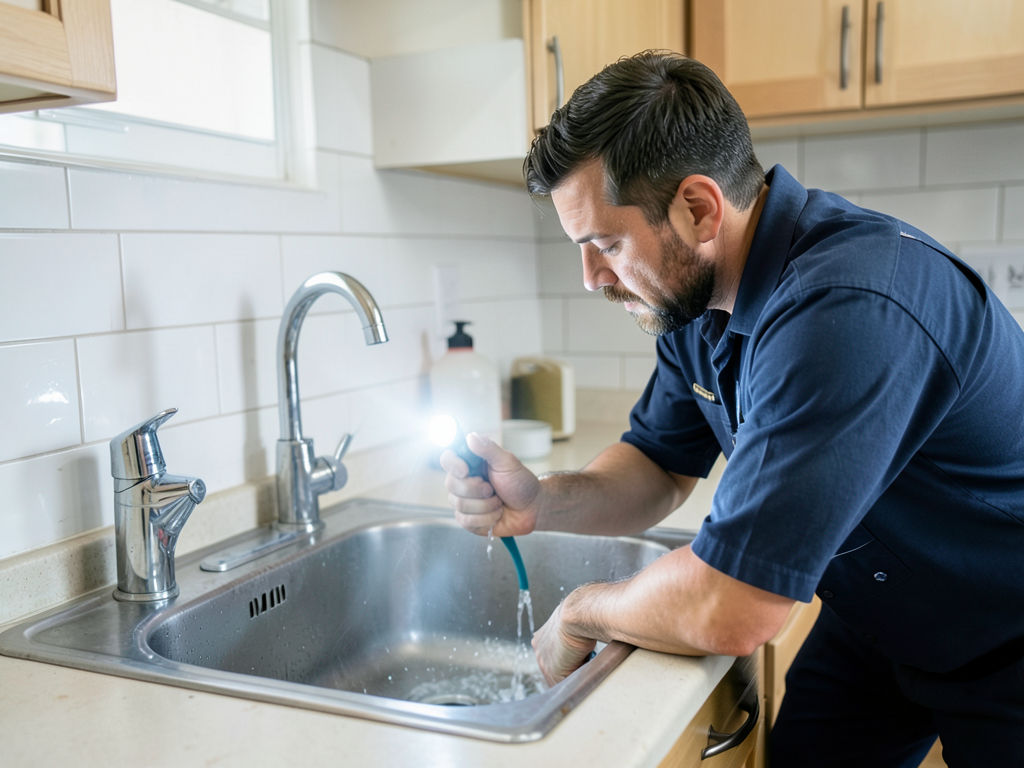
Why Your Near West Side Kitchen Sink Always Smells Like a Sewer
Your kitchen sink should never smell like a sewer. If you catch a whiff of rotten eggs or that distinct musty odor every time you walk into your kitchen in the Near West Side something is wrong. This is a warning sign that your plumbing system needs attention. Plumbing safety standards.
Many Chicago homes in the Near West Side are older buildings with unique plumbing challenges. The mix of vintage construction cold winters and aging infrastructure can cause sewer gases to back up into your kitchen. Understanding why this happens is the first step to getting rid of the smell for good. Wicker Park Sewer Line Repair Specialists for Older Chicago Homes.
What Causes That Sewer Smell in Your Kitchen Sink
Sewer gas is a mixture of gases that can include methane hydrogen sulfide ammonia and carbon dioxide. These gases are dangerous in high concentrations and can cause health problems like headaches nausea and dizziness. The smell you notice is often hydrogen sulfide which smells like rotten eggs.
Your plumbing system is designed to keep these gases out of your home. A curved pipe called a P-trap sits under every drain. It holds a small amount of water that blocks sewer gas from rising up into your kitchen. If this trap dries out or something blocks your vent stack those gases can escape.
Common Reasons Your P-Trap Is Not Working
The most common reason for a sewer smell is a dry P-trap. This happens when the water in the trap evaporates. In Chicago this often occurs in vacation homes or apartments that sit empty during winter months. When the water disappears there is nothing to block the gas.
Another issue is a clogged vent stack. Your plumbing system has pipes that vent to the outside to balance air pressure and let sewer gases escape safely. If leaves ice or debris block these vents pressure builds up and pushes gases back through your drains.
Biofilm buildup in your garbage disposal can also cause bad smells. Food particles get trapped in the disposal and start to rot. This creates a breeding ground for bacteria that produce foul odors. Sometimes the smell is just from dirty strainers or drains not actual sewer gas.. Read more about Why the Garbage Disposal in Your Printer’s Row Loft Smells Like Garbage (Even After Cleaning).
How to Tell if It Is Sewer Gas or Just a Dirty Sink
Sewer gas has a distinct overpowering rotten egg smell. It does not go away with regular cleaning. If the odor persists even after you clean your sink and disposal you likely have a plumbing issue.
A dirty sink smell is usually milder and comes from food debris or grease buildup. You can often fix this by running hot water using baking soda and vinegar or cleaning the drain trap. If the smell returns quickly or gets stronger when you run water that points to a sewer gas problem.
DIY Fixes You Can Try Today
Before calling a plumber there are a few things you can do yourself. First run water in all your sinks for a minute or two. This refills any dry P-traps and may solve the problem immediately.
Next clean your garbage disposal. Pour a half cup of baking soda down the drain followed by a cup of white vinegar. Let it fizz for ten minutes then flush with hot water. This removes biofilm and neutralizes odors.
Check under your sink for leaks or standing water. A leaking P-trap can let sewer gas escape. If you find a leak you can try tightening the slip nuts or replacing the washers. If the trap is cracked you will need to replace it.
When to Call a Professional Plumber in Chicago
Some sewer smells require professional help. If you smell gas after trying the DIY fixes or if the smell is very strong call a licensed plumber immediately. Sewer gas can be dangerous especially in enclosed spaces.
Signs you need a pro include gurgling sounds from drains slow drainage or water backing up into other fixtures. These symptoms suggest a blocked vent stack or a problem with your main sewer line. In older Near West Side buildings tree roots can grow into sewer pipes and cause cracks or blockages.
If you notice the smell only at night or when it rains that often means your vent stack is blocked or your sewer line is damaged. Heavy rain can overwhelm Chicago’s combined sewer system and push gases back into homes through floor drains or sinks.
Chicago Specifics: Why Older Homes Are More Susceptible
The Near West Side has many vintage buildings with cast iron plumbing. Cast iron pipes can corrode from the inside over decades. When the pipes deteriorate they develop cracks that let sewer gas escape. The freeze-thaw cycles in Chicago winters also put stress on older pipes and vent stacks.
Chicago’s high water table means groundwater can seep into sewer lines through cracks. This creates pressure that forces gases back into your home. The city’s combined sewer system which handles both stormwater and sewage can back up during heavy rains and push gases through drains.
Many Near West Side buildings have converted lofts or mixed-use spaces with complex plumbing layouts. These setups can have long vent runs or shared vent stacks that are more prone to blockages. If a neighbor’s plumbing problem affects the shared stack you might smell sewer gas even if your own plumbing is fine.
Safety First: Understanding the Risks of Sewer Gas
Sewer gas is not just smelly. It can be hazardous to your health. Hydrogen sulfide one of the main components can cause eye irritation coughing and breathing problems. At high concentrations it can be fatal.
Methane another component is flammable. A buildup of sewer gas in an enclosed space creates a fire risk. If you smell a strong sewer odor and feel dizzy or nauseous leave the area immediately and call for help.
Children elderly people and those with respiratory issues are more sensitive to sewer gas exposure. If you have vulnerable people in your home do not wait to address the problem. Call a professional plumber to inspect your system.
Preventing Future Sewer Smells
Regular maintenance can prevent most sewer gas problems. Pour a quart of water down any drain you do not use often. This keeps the P-trap full and blocks gases.
Clean your garbage disposal monthly with baking soda and vinegar. Avoid putting grease coffee grounds or fibrous vegetables down the drain. These materials can clog pipes and create odors.
If you live in an older building consider having your plumbing inspected every few years. A plumber can check for corrosion leaks and vent stack blockages before they become serious problems.
Cost Factors for Fixing Sewer Smells
The cost to fix a sewer smell depends on the cause. A simple P-trap replacement might cost $150 to $300. Cleaning a vent stack or removing a blockage could run $200 to $500.
More serious issues like cracked sewer lines or main line repairs can cost $1000 to $5000 or more. The age and condition of your plumbing the accessibility of pipes and whether you need permits all affect the price. EPA guide to sewer gas health risks.
Emergency calls during nights or weekends typically cost more. Ignoring a sewer gas problem can lead to bigger expenses if it causes damage or health issues. 24 Hour Emergency Plumbers in Lincoln Park for Immediate Help.
Frequently Asked Questions
Why does my kitchen sink smell like sewer only when it rains?
Heavy rain can overwhelm Chicago’s sewer system and create pressure that pushes gases back through your drains. This is common in areas with combined sewer systems.
Can sewer gas make you sick?
Yes. Sewer gas contains hydrogen sulfide and methane which can cause headaches nausea eye irritation and breathing problems. High concentrations are dangerous.
How do I know if my P-trap is dry?
If a drain has not been used for a while the water in the P-trap can evaporate. Shine a flashlight under the sink. If you see the curved pipe is dry or has very little water it needs to be refilled.
Should I use chemical drain cleaners for sewer smells?
Chemical cleaners can damage older pipes and may not solve the underlying problem. They are not effective against sewer gas issues caused by dry traps or blocked vents.
How often should I clean my garbage disposal?
Clean your disposal monthly with baking soda and vinegar to prevent biofilm buildup and odors. Run it with cold water after each use to flush debris.
Conclusion
A sewer smell from your kitchen sink is not something to ignore. It signals a problem with your plumbing system that could affect your health and home. In the Near West Side older buildings and Chicago’s unique infrastructure make these issues more common.
Start with simple fixes like running water in unused drains and cleaning your disposal. If the smell persists call a licensed Chicago plumber to inspect your system. Do not risk your family’s health by waiting.
At A Plus Plumbing Chicago we understand the specific challenges of Near West Side homes. Our experienced plumbers can quickly diagnose and fix sewer gas problems keeping your home safe and odor-free. Call us today at (773) 514-5111 for fast reliable service. Top Rated Plumbers for High Rise Condos in the Gold Coast.
- Check for Dry P-Traps
Run water in all sinks for one minute to refill any dry traps. This is the most common and easiest fix.
- Clean the Garbage Disposal
Pour half cup baking soda down the drain follow with one cup vinegar. Let fizz for ten minutes then flush with hot water.
- Inspect for Leaks
Check under the sink for standing water or wet pipes. Tighten slip nuts or replace washers if you find minor leaks.
- Test the Vent Stack
If the smell persists the vent stack may be blocked. This requires professional inspection and clearing.
- Call a Professional
If DIY fixes do not work or the smell is strong contact a licensed plumber immediately to check for serious issues. For more information, visit CDC information on hydrogen sulfide.
You may also find this helpful. Why Your Bronzeville Brownstone Always Has Gurgling Drains When the Neighbor Showers.
{
“@context”: “https://schema.org”,
“@type”: “BlogPosting”,
“headline”: “Why Your Near West Side Kitchen Sink Always Smells Like a Sewer”,
“description”: “Learn why your Near West Side kitchen sink smells like sewer and how to fix it. Get expert tips for Chicago’s vintage homes and plumbing systems.”,
“wordCount”: 1693,
“datePublished”: “2026-05-05T07:32:00.000Z”,
“dateModified”: “2026-05-05T07:32:00.000Z”,
“inLanguage”: “en-US”,
“mainEntityOfPage”: {
“@type”: “WebPage”,
“@id”: “https://aplusplumbingchicago.com”
},
“publisher”: {
“@type”: “LocalBusiness”,
“name”: “A Plus Plumbing Chicago”,
“url”: “https://aplusplumbingchicago.com”
},
“author”: {
“@type”: “Organization”,
“name”: “A Plus Plumbing Chicago”,
“url”: “https://aplusplumbingchicago.com”
},
“image”: {
“@type”: “ImageObject”,
“url”: “https://aplusplumbingchicago.com/wp-content/uploads/2026/03/why-your-near-west-side-kitchen-sink-always-smells-1.png”
}
}
{
“@context”: “https://schema.org”,
“@type”: “Plumber”,
“name”: “A Plus Plumbing Chicago”,
“url”: “https://aplusplumbingchicago.com”,
“address”: {
“@type”: “PostalAddress”,
“addressLocality”: “Chicago”
},
“areaServed”: {
“@type”: “City”,
“name”: “Chicago”
}
}
{
“@context”: “https://schema.org”,
“@type”: “FAQPage”,
“mainEntity”: [
{
“@type”: “Question”,
“name”: “Why does my kitchen sink smell like sewer only when it rains?”,
“acceptedAnswer”: {
“@type”: “Answer”,
“text”: “Heavy rain can overwhelm Chicago’s sewer system and create pressure that pushes gases back through your drains. This is common in areas with combined sewer systems.”
}
},
{
“@type”: “Question”,
“name”: “Can sewer gas make you sick?”,
“acceptedAnswer”: {
“@type”: “Answer”,
“text”: “Yes. Sewer gas contains hydrogen sulfide and methane which can cause headaches nausea eye irritation and breathing problems. High concentrations are dangerous.”
}
},
{
“@type”: “Question”,
“name”: “How do I know if my P-trap is dry?”,
“acceptedAnswer”: {
“@type”: “Answer”,
“text”: “If a drain has not been used for a while the water in the P-trap can evaporate. Shine a flashlight under the sink. If you see the curved pipe is dry or has very little water it needs to be refilled.”
}
},
{
“@type”: “Question”,
“name”: “Should I use chemical drain cleaners for sewer smells?”,
“acceptedAnswer”: {
“@type”: “Answer”,
“text”: “Chemical cleaners can damage older pipes and may not solve the underlying problem. They are not effective against sewer gas issues caused by dry traps or blocked vents.”
}
},
{
“@type”: “Question”,
“name”: “How often should I clean my garbage disposal?”,
“acceptedAnswer”: {
“@type”: “Answer”,
“text”: “Clean your disposal monthly with baking soda and vinegar to prevent biofilm buildup and odors. Run it with cold water after each use to flush debris.”
}
}
]
}
{
“@context”: “https://schema.org”,
“@type”: “HowTo”,
“name”: “How to Fix a Sewer Smelling Kitchen Sink”,
“step”: [
{
“@type”: “HowToStep”,
“position”: 1,
“name”: “Check for Dry P-Traps”,
“text”: “Run water in all sinks for one minute to refill any dry traps. This is the most common and easiest fix.”
},
{
“@type”: “HowToStep”,
“position”: 2,
“name”: “Clean the Garbage Disposal”,
“text”: “Pour half cup baking soda down the drain follow with one cup vinegar. Let fizz for ten minutes then flush with hot water.”
},
{
“@type”: “HowToStep”,
“position”: 3,
“name”: “Inspect for Leaks”,
“text”: “Check under the sink for standing water or wet pipes. Tighten slip nuts or replace washers if you find minor leaks.”
},
{
“@type”: “HowToStep”,
“position”: 4,
“name”: “Test the Vent Stack”,
“text”: “If the smell persists the vent stack may be blocked. This requires professional inspection and clearing.”
},
{
“@type”: “HowToStep”,
“position”: 5,
“name”: “Call a Professional”,
“text”: “If DIY fixes do not work or the smell is strong contact a licensed plumber immediately to check for serious issues. For more information, visit CDC information on hydrogen sulfide.”
}
],
“image”: “https://aplusplumbingchicago.com/wp-content/uploads/2026/03/why-your-near-west-side-kitchen-sink-always-smells-1.png”
}
{
“@context”: “https://schema.org”,
“@type”: “BreadcrumbList”,
“itemListElement”: [
{
“@type”: “ListItem”,
“position”: 1,
“name”: “Home”,
“item”: “https://aplusplumbingchicago.com”
},
{
“@type”: “ListItem”,
“position”: 2,
“name”: “Blog”,
“item”: “https://aplusplumbingchicago.com/blog”
},
{
“@type”: “ListItem”,
“position”: 3,
“name”: “Why Your Near West Side Kitchen Sink Always Smells Like a Sewer”
}
]
}
{
“@context”: “https://schema.org”,
“@type”: “Service”,
“serviceType”: “Plumbing”,
“provider”: {
“@type”: “LocalBusiness”,
“name”: “A Plus Plumbing Chicago”,
“url”: “https://aplusplumbingchicago.com”
},
“areaServed”: {
“@type”: “City”,
“name”: “Chicago”
},
“description”: “Learn why your Near West Side kitchen sink smells like sewer and how to fix it. Get expert tips for Chicago’s vintage homes and plumbing systems.”
}