
Replacing Old Galvanized Steel Pipes in Forest Glen Before They Start Leaking
Forest Glen homeowners with houses built before 1960 face a ticking time bomb in their walls. The galvanized steel pipes that once seemed indestructible are now nearing the end of their 50-year lifespan. These pipes quietly corrode from the inside out, reducing water pressure and contaminating your drinking water with rust and lead particles.
Chicago’s freeze-thaw cycles and the high clay content in Forest Glen soil accelerate pipe deterioration. The combination of Chicago’s harsh winters and aging infrastructure creates the perfect storm for plumbing failures. Many Forest Glen homes sit on foundations that have shifted slightly over decades, putting additional stress on already weakened pipe joints. Chicago’s Lead Service Line Replacement Program.
Water from Lake Michigan, while generally clean, contains minerals that react with galvanized steel. This reaction speeds up the corrosion process, especially in homes where the original pipes have never been replaced. The result is a plumbing system that’s working harder than it should, wasting water and energy while delivering poor quality water to your taps.
Warning Signs Your Galvanized Pipes Need Replacement
Brown or yellow water when you first turn on a faucet indicates rust breaking loose from inside your pipes. This discoloration often clears up after running the water for a minute or two, but that doesn’t mean the problem is gone. The rust is still there, just temporarily pushed through the system.
Low water pressure throughout your home suggests internal pipe corrosion has narrowed the water passages. What starts as a minor inconvenience becomes a major problem when multiple fixtures can’t run simultaneously. Your shower turns into a trickle when someone flushes a toilet or runs the kitchen sink.
Pinhole leaks that appear in multiple locations signal that your pipes are failing from the inside out. These tiny leaks often go unnoticed until they cause water damage to walls, ceilings, or floors. By the time you see the damage, the pipe has already deteriorated beyond simple repair. EPA information on lead in drinking water.
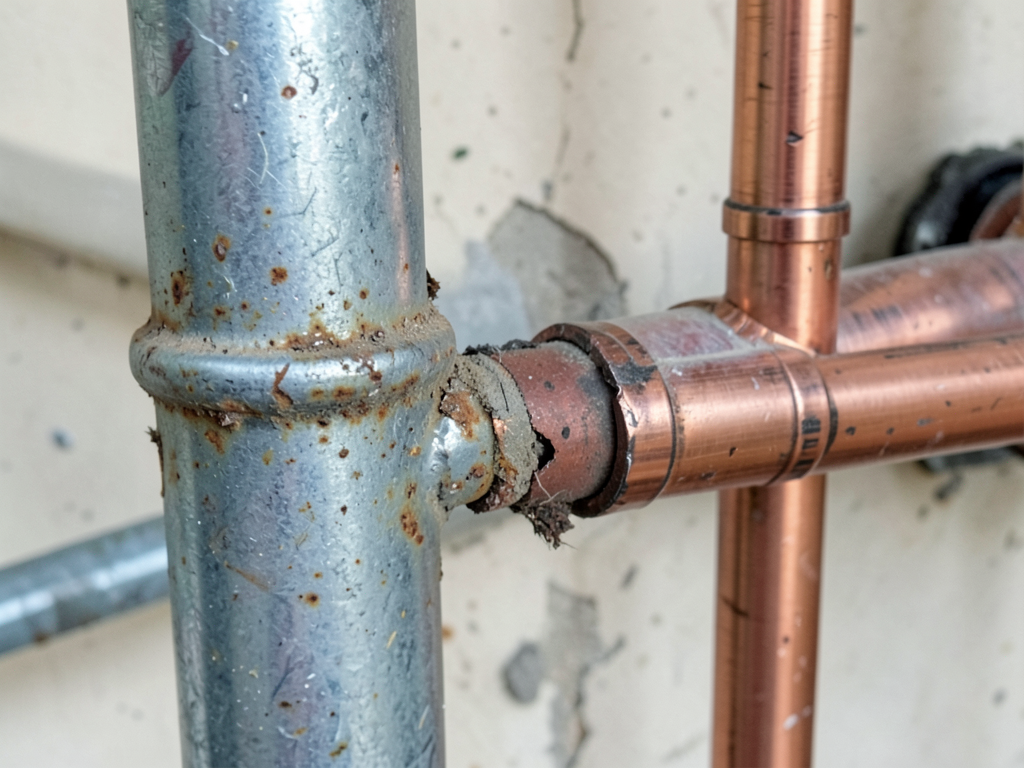
Visible rust spots on exposed pipes in basements or crawl spaces confirm what’s happening inside your walls. If you can see corrosion on the outside of accessible pipes, the inside is likely much worse. The protective zinc coating on galvanized pipes wears away over time, exposing the steel to moisture and oxygen.
Health Risks of Aging Galvanized Plumbing
Lead contamination represents the most serious health concern with old galvanized pipes. Many homes built before 1986 used lead solder to join pipes, and lead can also leach from brass fixtures. When galvanized pipes corrode, they release particles that can contain lead, which then enters your drinking water.
Children are especially vulnerable to lead exposure, which can cause developmental delays, learning difficulties, and behavioral problems. Adults face risks too, including high blood pressure, kidney damage, and reproductive issues. The Environmental Protection Agency has strict limits on lead in drinking water for good reason.
Bacterial growth in corroded pipes creates another health hazard. The rough, irregular surfaces inside deteriorating pipes provide perfect breeding grounds for bacteria like Legionella, which causes Legionnaires’ disease. The reduced water flow in partially blocked pipes allows water to stagnate, further promoting bacterial growth.
Heavy metal accumulation from decades of corrosion can affect your entire household. While your body can handle small amounts of metals like iron and copper, the constant exposure from contaminated water adds up over time. People with compromised immune systems face higher risks from these contaminants.
Chicago Building Codes and Permit Requirements
Chicago’s plumbing code requires permits for any whole-house repiping project. The city mandates that all work be performed by licensed plumbers who understand local requirements. Forest Glen homes, many of which are historic properties, must comply with both modern codes and any historic preservation guidelines that apply. Top Rated Plumbers for High Rise Condos in the Gold Coast.
The Chicago Department of Water Management oversees all major plumbing work. They require inspections at multiple stages of the repiping process to ensure compliance with safety standards. This oversight protects homeowners from substandard work that could cause property damage or health hazards.
Lead service line replacement programs have become a priority in Chicago. While Forest Glen isn’t as affected as some older neighborhoods, any home with lead service lines must follow specific protocols for replacement. The city offers some financial assistance for qualifying properties, particularly those in lower-income areas.
Building permits in Forest Glen typically take 2-3 weeks to process. The timeline can extend if your home is in a historic district or if additional documentation is required. Working with a plumber familiar with Forest Glen’s specific requirements can streamline this process significantly.
Material Options for Pipe Replacement
Copper piping remains the gold standard for whole-house repiping. Its 50-70 year lifespan matches or exceeds that of the original galvanized pipes. Copper resists corrosion from Chicago’s water chemistry and handles the freeze-thaw cycles common in Forest Glen winters. The material’s natural antimicrobial properties help prevent bacterial growth.
PEX (cross-linked polyethylene) offers advantages for Chicago’s climate. This flexible plastic piping expands slightly when water freezes, reducing the risk of burst pipes during extreme cold snaps. PEX installation typically costs 20-30% less than copper and can be completed faster, minimizing disruption to your household.
The choice between copper and PEX often depends on your home’s specific needs. Copper works best for exposed plumbing in unfinished basements where its durability matters most. PEX excels in walls and ceilings where its flexibility allows for easier installation around obstacles and through tight spaces.
Both materials meet Chicago’s plumbing code requirements when properly installed. The decision ultimately comes down to your budget, the layout of your Forest Glen home, and your long-term plans for the property. Some homeowners choose a hybrid approach, using copper for main lines and PEX for branch lines.
Cost Factors for Whole-House Repiping in Forest Glen
Project costs vary based on your home’s size, the chosen material, and the complexity of the installation. A typical Forest Glen bungalow might cost between $4,000 and $8,000 for PEX replacement, while copper could range from $6,000 to $12,000. These figures assume standard access conditions and no major complications.
Multi-story homes or those with finished basements require more labor and materials. Accessing pipes in finished walls often means cutting into drywall, which adds to the project cost. Some Forest Glen homes have plaster walls, which are more labor-intensive to repair than modern drywall.
Permit fees in Chicago typically range from $100 to $300 depending on the project scope. Additional inspections may cost $50 to $150 each. These fees are separate from the plumber’s charges and are required regardless of who performs the work.
Emergency replacements cost significantly more than planned projects. If your pipes fail catastrophically, you’ll pay premium rates for immediate service. Planning your repipe during off-peak seasons can save 10-15% on labor costs while giving you time to budget properly. 24 Hour Emergency Plumbers in Lincoln Park for Immediate Help.
Impact on Property Value and Insurance
Replacing old galvanized pipes can increase your home’s value by $5,000 to $15,000. Buyers in Forest Glen’s competitive market view updated plumbing as a major selling point. The peace of mind that comes with knowing the plumbing won’t fail is worth real money to most homebuyers.
Home insurance companies often offer premium discounts for homes with updated plumbing systems. Some insurers require documentation of the work and may ask for before-and-after photos. The discount typically ranges from 5% to 10% annually, which can offset a portion of the replacement cost over time.
Properties with known plumbing issues can become difficult to sell. Many buyers won’t even consider homes with galvanized pipes, knowing the replacement cost and potential for water damage. In Forest Glen’s hot real estate market, this can mean your home sits unsold while comparable properties move quickly.
Commercial properties in Forest Glen face even stricter requirements. Multi-unit buildings must often replace plumbing to maintain occupancy permits. The cost of not replacing aging pipes can include lost rental income, code violation fines, and potential liability for tenant health issues.
Replacement Process and Timeline
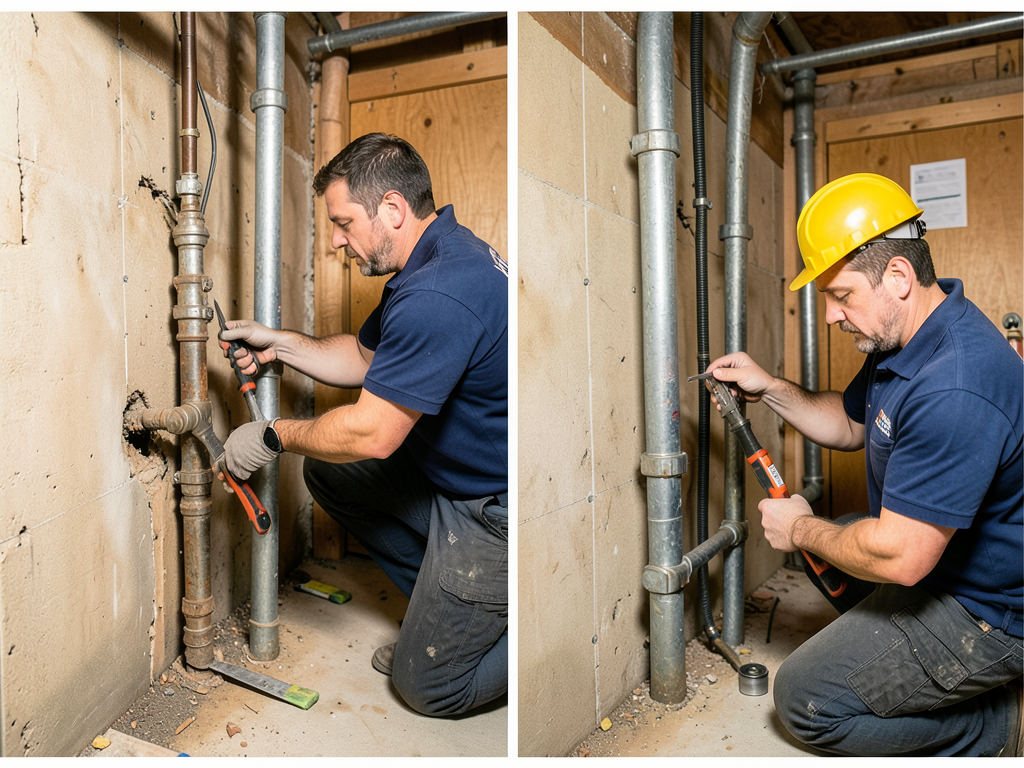
A typical whole-house repipe takes 2-5 days depending on home size and complexity. The process begins with a thorough inspection to map existing plumbing and identify any hidden issues. Your plumber will then develop a detailed plan showing how new pipes will be routed through your Forest Glen home.
Water service is usually shut off for 6-8 hours each day during active work. Most families can manage with temporary water connections for drinking, cooking, and basic sanitation. The goal is to minimize disruption while completing the work efficiently and safely.
Wall and ceiling access points are carefully planned to minimize damage. In Forest Glen’s older homes, preserving original plaster or woodwork takes extra care and time. Your plumber should discuss the repair process for any areas that need to be opened during the repipe.
Final inspection and testing ensures everything works correctly before walls are closed up. This includes checking for leaks, verifying water pressure, and testing all fixtures. The city’s final inspection typically occurs within 48 hours of work completion if all paperwork is in order.
Forest Glen’s Unique Plumbing Challenges
Forest Glen’s mix of architectural styles creates varied plumbing layouts. Bungalows often have simple, accessible plumbing in unfinished basements. Larger homes built in the 1920s and 1930s may have complex systems with multiple bathrooms and kitchens spread across several floors.
The neighborhood’s mature trees can cause foundation shifting, which puts stress on underground pipes. Clay soil in Forest Glen expands when wet and contracts when dry, creating movement that can damage rigid galvanized pipes over time. This soil movement is a major reason why galvanized pipes in this area fail prematurely.
Many Forest Glen homes have additions or renovations that created plumbing junctions between old and new systems. These connection points are often where failures occur first. A whole-house repipe eliminates these weak points and creates a unified, reliable system.
The area’s proximity to forest preserves means some homes have unique drainage considerations. Proper slope and venting become critical when dealing with properties near natural water features. Chicago’s building code has specific requirements for homes in these locations.
Choosing the Right Plumber for Your Repipe
Look for plumbers with specific experience in Forest Glen’s housing stock. The neighborhood’s mix of bungalows, colonials, and larger historic homes requires different approaches than standard suburban plumbing. Ask potential contractors about their experience with homes similar to yours.
Verify licensing and insurance before signing any contracts. Chicago requires all plumbers to hold current state licenses and city permits. Ask to see documentation and verify it with the Illinois Department of Financial and Professional Regulation.
Get detailed written estimates that include the scope of work, materials to be used, and timeline. The estimate should specify whether permit fees are included and what happens if unexpected issues arise during the project. A reputable plumber will be transparent about potential complications.
Check references from other Forest Glen homeowners who’ve had similar work done. Ask about the contractor’s communication style, cleanliness, and how they handled any problems that arose. Online reviews can be helpful, but local references specific to your neighborhood carry more weight.
Financing Options for Pipe Replacement
Many homeowners use home equity lines of credit to finance repiping projects. These loans typically offer lower interest rates than credit cards and may provide tax benefits. Some Forest Glen residents use proceeds from home equity loans to fund improvements that increase their property value.
Chicago offers various home improvement loan programs through the Department of Housing. These programs often feature below-market interest rates for qualifying homeowners. Some are specifically targeted at improving aging infrastructure in established neighborhoods like Forest Glen.
Payment plans through plumbing contractors can spread costs over several months. While these plans often carry higher interest rates than bank loans, they can make necessary repairs more manageable for homeowners without available equity. Always read the fine print and understand all fees involved.
Some homeowners negotiate with their plumber to complete the work in phases. This approach can spread costs over time but may extend the overall project duration. Phased work works best when the plumbing issues aren’t immediately critical.
Maintenance After Repiping
New copper or PEX pipes require minimal maintenance but benefit from occasional checks. Annual inspections can catch small issues before they become major problems. Look for signs of corrosion on copper fittings or discoloration on PEX pipes, which might indicate water quality issues.
Water pressure should be checked periodically, especially if you notice changes in flow. Most homes in Forest Glen do well with pressure between 40-60 psi. Higher pressure can stress new pipes and fixtures, potentially causing premature wear.
Consider installing a whole-house water filter if your home has hard water or other quality issues. Filters can extend the life of your new plumbing by removing minerals and sediments that could cause buildup over time. Some Forest Glen homes benefit from water softeners, particularly those with well water.
Keep documentation of your repipe project, including permits, inspection reports, and warranty information. This paperwork proves valuable for future home sales and can help resolve any warranty issues that arise. Many plumbers offer warranties on both materials and workmanship.
Frequently Asked Questions
How long do galvanized pipes typically last in Chicago homes?
Galvanized steel pipes in Chicago homes generally last 40-50 years. Forest Glen homes built in the 1950s and earlier are now at or beyond this typical lifespan. Chicago’s freeze-thaw cycles and the minerals in Lake Michigan water can shorten this timeline in some cases.
Can I replace just part of my galvanized plumbing instead of the whole house?
While partial replacement is possible, it often leads to ongoing problems. Mixing old galvanized pipes with new materials can cause galvanic corrosion at connection points. Most plumbers recommend whole-house replacement to ensure system reliability and prevent future failures.
Will repiping damage my walls and ceilings?
Professional repiping minimizes wall damage through careful planning. Plumbers use existing access points when possible and make strategic openings only where necessary. In Forest Glen’s older homes, special care is taken to preserve original plaster and woodwork. All access points are properly repaired after the work is complete.
How do I know if my home has lead service lines?
Chicago maintains records of lead service lines, but they’re not always complete. Homes built before 1960 are more likely to have lead lines. A licensed plumber can inspect your service line and test your water for lead content. The city offers free lead testing kits to residents concerned about contamination.
What’s the difference between PEX and copper for Chicago winters?
PEX has a slight advantage in extreme cold because it can expand slightly without breaking. However, both materials perform well when properly installed. Copper’s main vulnerability is at connection points, while PEX’s flexibility helps it handle foundation shifts common in Forest Glen’s clay soil.
How disruptive is a whole-house repipe?
Most families can stay in their homes during repiping. Water is shut off during work hours but restored each evening. Some dust and noise occur during the project, but professional plumbers use containment methods to minimize mess. The process typically takes 3-5 days for an average Forest Glen home.
Does homeowners insurance cover pipe replacement?
Insurance typically covers sudden pipe failures but not preventative replacement of aging pipes. Some policies offer discounts for updated plumbing systems. Check with your insurance provider about potential savings and coverage details before starting your repipe project.
What permits are required for pipe replacement in Forest Glen?
Chicago requires plumbing permits for whole-house repiping. The process includes submitting plans, paying fees, and scheduling inspections. Forest Glen homes in historic districts may need additional approvals. Your plumber should handle all permitting as part of the project.
How can I prepare my home for repiping work?
Clear access to plumbing areas, including basements and crawl spaces. Move furniture away from walls where pipes run. For finished spaces, remove wall hangings and cover valuables. Discuss specific preparation needs with your plumber during the planning phase.
What warranty should I expect on new plumbing?
Quality plumbers offer 10-25 year warranties on materials and 1-5 years on workmanship. Copper pipes often carry longer manufacturer warranties than PEX. Read warranty terms carefully, as they typically require professional installation and may exclude certain types of damage.
Protect Your Forest Glen Home from Plumbing Disasters
Waiting for galvanized pipes to fail is a gamble that often costs more than proactive replacement. The peace of mind that comes with reliable, clean water delivery is worth the investment. Forest Glen’s housing stock deserves plumbing systems that match the quality of these historic homes.
Don’t let another winter pass with failing pipes threatening your home. The combination of Chicago’s harsh weather and aging infrastructure makes now the perfect time to address your plumbing concerns. A whole-house repipe eliminates the stress of wondering when the next leak will appear.
Call us today at (773) 514-5111 to schedule your free plumbing inspection. We’ll assess your current system, discuss replacement options, and provide a detailed plan for bringing your Forest Glen home’s plumbing into the 21st century. Your family deserves safe, reliable water service without the worry of aging pipes.
Act now before small problems become major emergencies. The cost of waiting often exceeds the price of proactive replacement, and you can’t put a price on the security of knowing your home’s vital systems are in top condition.
{
“@context”: “https://schema.org”,
“@type”: “BlogPosting”,
“headline”: “Replacing Old Galvanized Steel Pipes in Forest Glen Before They Start Leaking”,
“description”: “Forest Glen homes built before 1960 often have failing galvanized pipes. Learn the warning signs, replacement options, and why acting now prevents costly water damage.”,
“wordCount”: 2915,
“datePublished”: “2026-05-07T09:43:00.000Z”,
“dateModified”: “2026-05-07T09:43:00.000Z”,
“inLanguage”: “en-US”,
“mainEntityOfPage”: {
“@type”: “WebPage”,
“@id”: “https://aplusplumbingchicago.com”
},
“publisher”: {
“@type”: “LocalBusiness”,
“name”: “A Plus Plumbing Chicago”,
“url”: “https://aplusplumbingchicago.com”
},
“author”: {
“@type”: “Organization”,
“name”: “A Plus Plumbing Chicago”,
“url”: “https://aplusplumbingchicago.com”
},
“image”: {
“@type”: “ImageObject”,
“url”: “https://aplusplumbingchicago.com/wp-content/uploads/2026/03/replacing-old-galvanized-steel-pipes-in-forest-gle-1.png”
}
}
{
“@context”: “https://schema.org”,
“@type”: “Plumber”,
“name”: “A Plus Plumbing Chicago”,
“url”: “https://aplusplumbingchicago.com”,
“address”: {
“@type”: “PostalAddress”,
“addressLocality”: “Chicago”
},
“areaServed”: {
“@type”: “City”,
“name”: “Chicago”
}
}
{
“@context”: “https://schema.org”,
“@type”: “FAQPage”,
“mainEntity”: [
{
“@type”: “Question”,
“name”: “How long do galvanized pipes typically last in Chicago homes?”,
“acceptedAnswer”: {
“@type”: “Answer”,
“text”: “Galvanized steel pipes in Chicago homes generally last 40-50 years. Forest Glen homes built in the 1950s and earlier are now at or beyond this typical lifespan. Chicago’s freeze-thaw cycles and the minerals in Lake Michigan water can shorten this timeline in some cases.”
}
},
{
“@type”: “Question”,
“name”: “Can I replace just part of my galvanized plumbing instead of the whole house?”,
“acceptedAnswer”: {
“@type”: “Answer”,
“text”: “While partial replacement is possible, it often leads to ongoing problems. Mixing old galvanized pipes with new materials can cause galvanic corrosion at connection points. Most plumbers recommend whole-house replacement to ensure system reliability and prevent future failures.”
}
},
{
“@type”: “Question”,
“name”: “Will repiping damage my walls and ceilings?”,
“acceptedAnswer”: {
“@type”: “Answer”,
“text”: “Professional repiping minimizes wall damage through careful planning. Plumbers use existing access points when possible and make strategic openings only where necessary. In Forest Glen’s older homes, special care is taken to preserve original plaster and woodwork. All access points are properly repaired after the work is complete.”
}
},
{
“@type”: “Question”,
“name”: “How do I know if my home has lead service lines?”,
“acceptedAnswer”: {
“@type”: “Answer”,
“text”: “Chicago maintains records of lead service lines, but they’re not always complete. Homes built before 1960 are more likely to have lead lines. A licensed plumber can inspect your service line and test your water for lead content. The city offers free lead testing kits to residents concerned about contamination.”
}
},
{
“@type”: “Question”,
“name”: “What’s the difference between PEX and copper for Chicago winters?”,
“acceptedAnswer”: {
“@type”: “Answer”,
“text”: “PEX has a slight advantage in extreme cold because it can expand slightly without breaking. However, both materials perform well when properly installed. Copper’s main vulnerability is at connection points, while PEX’s flexibility helps it handle foundation shifts common in Forest Glen’s clay soil.”
}
},
{
“@type”: “Question”,
“name”: “How disruptive is a whole-house repipe?”,
“acceptedAnswer”: {
“@type”: “Answer”,
“text”: “Most families can stay in their homes during repiping. Water is shut off during work hours but restored each evening. Some dust and noise occur during the project, but professional plumbers use containment methods to minimize mess. The process typically takes 3-5 days for an average Forest Glen home.”
}
},
{
“@type”: “Question”,
“name”: “Does homeowners insurance cover pipe replacement?”,
“acceptedAnswer”: {
“@type”: “Answer”,
“text”: “Insurance typically covers sudden pipe failures but not preventative replacement of aging pipes. Some policies offer discounts for updated plumbing systems. Check with your insurance provider about potential savings and coverage details before starting your repipe project.”
}
},
{
“@type”: “Question”,
“name”: “What permits are required for pipe replacement in Forest Glen?”,
“acceptedAnswer”: {
“@type”: “Answer”,
“text”: “Chicago requires plumbing permits for whole-house repiping. The process includes submitting plans, paying fees, and scheduling inspections. Forest Glen homes in historic districts may need additional approvals. Your plumber should handle all permitting as part of the project.”
}
},
{
“@type”: “Question”,
“name”: “How can I prepare my home for repiping work?”,
“acceptedAnswer”: {
“@type”: “Answer”,
“text”: “Clear access to plumbing areas, including basements and crawl spaces. Move furniture away from walls where pipes run. For finished spaces, remove wall hangings and cover valuables. Discuss specific preparation needs with your plumber during the planning phase.”
}
},
{
“@type”: “Question”,
“name”: “What warranty should I expect on new plumbing?”,
“acceptedAnswer”: {
“@type”: “Answer”,
“text”: “Quality plumbers offer 10-25 year warranties on materials and 1-5 years on workmanship. Copper pipes often carry longer manufacturer warranties than PEX. Read warranty terms carefully, as they typically require professional installation and may exclude certain types of damage.”
}
}
]
}
{
“@context”: “https://schema.org”,
“@type”: “BreadcrumbList”,
“itemListElement”: [
{
“@type”: “ListItem”,
“position”: 1,
“name”: “Home”,
“item”: “https://aplusplumbingchicago.com”
},
{
“@type”: “ListItem”,
“position”: 2,
“name”: “Blog”,
“item”: “https://aplusplumbingchicago.com/blog”
},
{
“@type”: “ListItem”,
“position”: 3,
“name”: “Replacing Old Galvanized Steel Pipes in Forest Glen Before They Start Leaking”
}
]
}
{
“@context”: “https://schema.org”,
“@type”: “Service”,
“serviceType”: “Plumbing”,
“provider”: {
“@type”: “LocalBusiness”,
“name”: “A Plus Plumbing Chicago”,
“url”: “https://aplusplumbingchicago.com”
},
“areaServed”: {
“@type”: “City”,
“name”: “Chicago”
},
“description”: “Forest Glen homes built before 1960 often have failing galvanized pipes. Learn the warning signs, replacement options, and why acting now prevents costly water damage.”
}