
Simple Steps to Winterize Your Outdoor Faucets Before the First Chicago Freeze
Chicago winters can turn your outdoor faucets into ticking time bombs. When water freezes inside copper pipes it expands with tremendous force cracking the metal and flooding your basement. A single burst pipe can cause thousands of dollars in damage and leave you without water for days. The good news is that preventing this disaster takes less than an hour and costs almost nothing.
The key is timing. Chicago’s first hard freeze typically arrives around October 31st but waiting until you see frost on your windows means you are already too late. The temperature drops quickly and once water inside a pipe freezes the damage is done. This guide shows you exactly what to do and when to do it to protect your home.
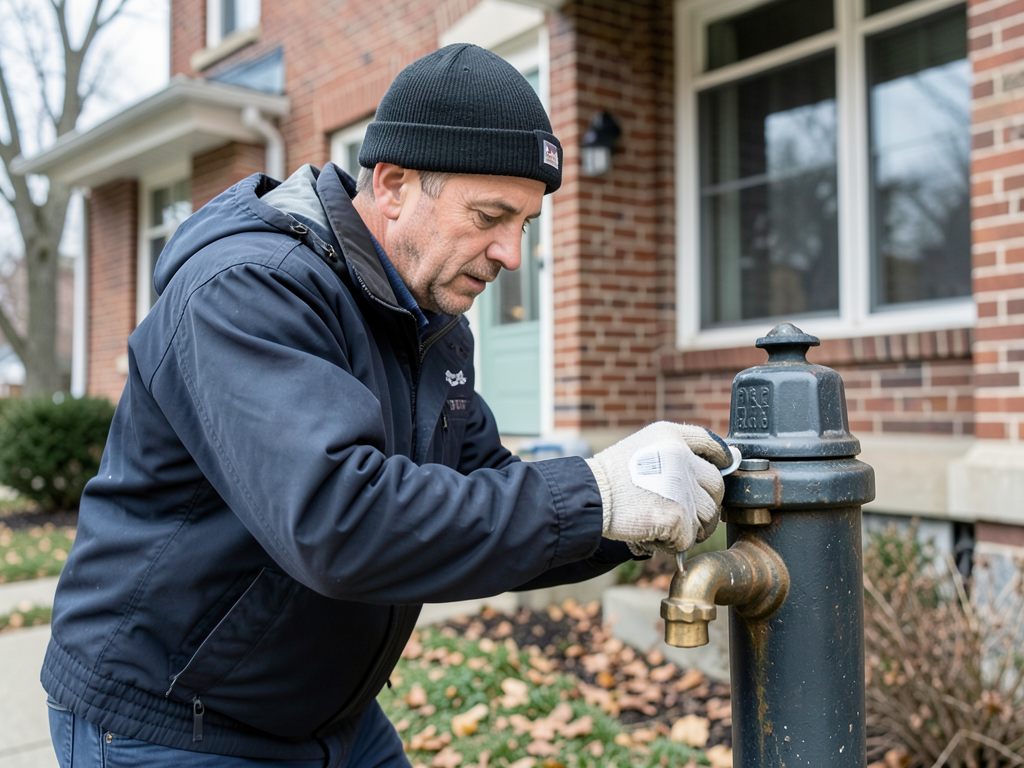
Why Chicago Winters Are Deadlier for Your Plumbing
Chicago sits in USDA Plant Hardiness Zone 5 where winter temperatures regularly drop below zero. The city’s famous Polar Vortex events can send temperatures plummeting to minus twenty or thirty degrees in a matter of hours. When this cold air hits uninsulated pipes it freezes the water inside creating a blockage that builds pressure until the pipe bursts. City of Chicago Winter Plumbing Tips.
Older Chicago homes built before the 1970s often have copper supply lines running through unheated crawl spaces or exterior walls. These pipes have no protection from the elements and are especially vulnerable. Even newer homes with PEX piping can suffer damage if the water inside freezes and expands.
The freeze-thaw cycle makes things worse. When ice partially melts during a warm spell then refreezes it expands further cracking already weakened pipes. This is why a pipe that survives one freeze might burst during the next cold snap.
When to Winterize Your Faucets in Illinois
Timing matters more than technique. In Chicago you need to winterize outdoor faucets by mid-October at the latest. Waiting until November risks missing the first hard freeze which can arrive without warning.
Watch the weather forecast for overnight lows in the twenties. When you see temperatures dropping below thirty-two degrees for several nights in a row it is time to act. Do not wait for the first snowfall or for your neighbors to start winterizing. By then it may be too late.
If you miss the window and discover your faucets are already frozen do not panic. You can still take steps to minimize damage but you will need to work quickly before the pipe bursts. Fixing Frozen and Burst Pipes in Bucktown During a Chicago Winter.
Step-by-Step Instructions for Standard Outdoor Spigots
- Locate the Indoor Shut-Off Valve
Most Chicago homes have a shut-off valve inside the house near where the outdoor faucet pipe exits the basement wall. In bungalows and two-flats this is usually in the ceiling near the front or back door. In high-rises it might be in a utility closet or mechanical room. Turn this valve clockwise until it stops.
- Disconnect Garden Hoses and Attachments
Remove every hose nozzle and splitter from the outdoor faucet. Even a small attachment can trap water inside the faucet creating a perfect spot for ice to form. Store hoses indoors where they will not freeze.
- Drain the Exterior Line
Go back outside and open the outdoor faucet fully. This allows any remaining water to drain out. Leave it open for several minutes until no more water comes out.
- Open the Bleeder Valve
Many shut-off valves have a small bleeder cap on the side. Place a bucket underneath and open this cap with pliers. This releases any water trapped between the shut-off valve and the outdoor faucet. Close it once the water stops dripping.
Identifying and Maintaining Frost-Proof Faucets
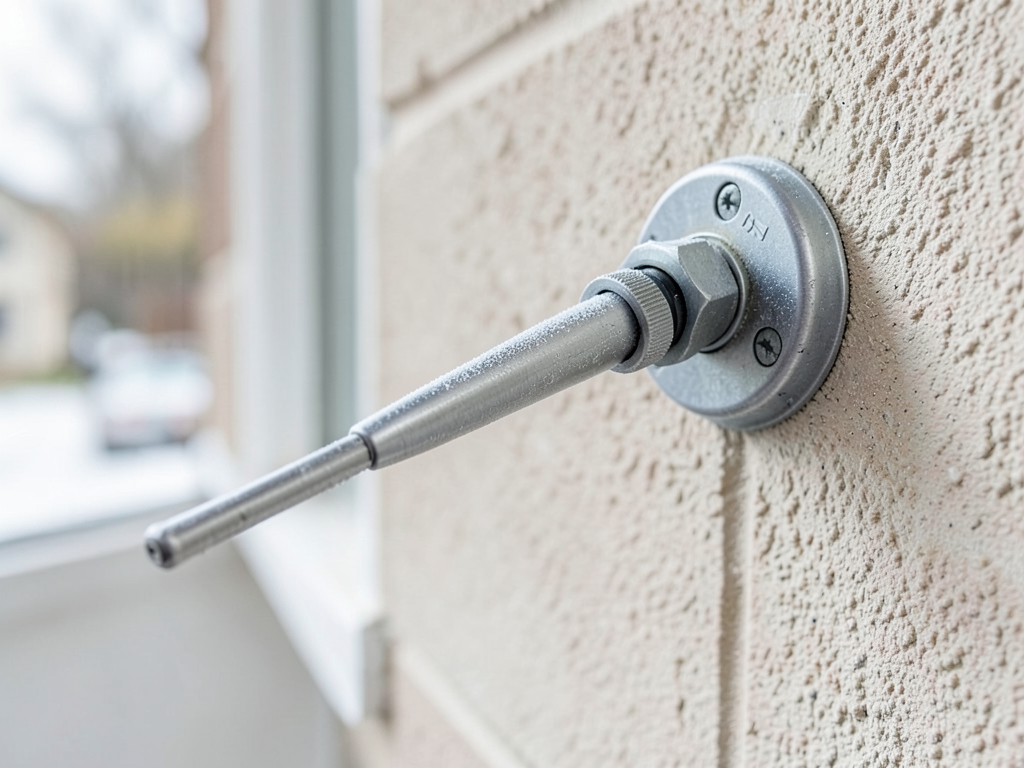
Frost-proof sillcocks look different from standard spigots. The handle is attached to a long metal rod that extends back into the wall. When you turn off the water the actual valve closes inside the heated part of your home not at the outdoor end.
Despite the name frost-proof does not mean freeze-proof. If you leave a hose attached to a frost-proof faucet water can still get trapped inside and freeze. The same expansion pressure that bursts standard pipes can crack frost-proof models from the inside out.
To winterize a frost-proof faucet remove the hose and make sure the faucet slopes slightly downward away from the house. This allows water to drain out when you turn it off. Some frost-proof models have a small cap on the side that you can remove to drain any remaining water.
What to Do if Your Faucet Is Already Frozen
If you turn on an outdoor faucet and no water comes out you may have a frozen pipe. Do not try to force it open with tools. This can crack the faucet or pipe.
First shut off the indoor valve to stop water from entering the frozen section. Then locate the frozen area. It is usually where the pipe is coldest such as near exterior walls or in unheated crawl spaces.
Use a hair dryer on low heat to gently warm the pipe. Never use an open flame or propane torch. Start at the faucet end and work toward the shut-off valve. As the ice melts water will begin to drip out.
If you cannot thaw the pipe or if you see water leaking inside your home shut off the main water supply immediately and call a professional plumber. A burst pipe behind a wall can cause major damage before you even know it happened.
Common Pipe Burst Locations in Chicago Homes
Pipes burst where they are most vulnerable to cold. In Chicago the most common locations include:
- Exterior walls with little or no insulation
- Unheated crawl spaces and basements
- Near windows and doors where cold air seeps in
- Where pipes run through uninsulated garages
- At the connection point between indoor and outdoor plumbing
Homes in Lincoln Park and Lakeview often have pipes running through old brick walls that provide minimal insulation. In Wicker Park and Bucktown many buildings have shared walls where a frozen pipe in one unit can affect multiple homes. Wicker Park Sewer Line Repair Specialists for Older Chicago Homes.
High-rise buildings in the Gold Coast face different challenges. Pipes in exterior walls on upper floors can freeze during extreme cold snaps even with building-wide heating systems running.
Insulated Faucet Covers vs. Frost-Proof Faucets
| Feature | Insulated Faucet Cover | Frost-Proof Sillcock |
|---|---|---|
| Cost | $5 – $15 per cover | $30 – $80 per faucet |
| Installation | Slips over existing faucet | Requires plumbing replacement |
| Effectiveness | Good for mild freezes | Excellent for extreme cold |
| Maintenance | Remove in spring | Annual inspection needed |
| Best for | Temporary protection | Permanent solution |
Insulated faucet covers work well for standard spigots in areas that only occasionally see freezing temperatures. They slip over the faucet like a sock and provide a layer of insulation. However they are not foolproof in Chicago’s extreme cold.
Frost-proof sillcocks cost more upfront but provide better long-term protection. They are worth considering if you are replacing old faucets or building a new home. The key is proper installation with the right slope for drainage.
Chicago Building Code Requirements
The Chicago Plumbing Code requires specific protections for outdoor water lines. All outdoor hose bibbs must have a vacuum breaker to prevent backflow contamination. This device can freeze and crack if not properly winterized.. Read more about Plumbing Requirements for Adding an Outdoor Kitchen to Your Sauganash Backyard.
Newer construction in Chicago requires frost-proof sillcocks for all exterior hose connections. However many older homes still have standard spigots that need manual winterization.
The code also mandates that all plumbing in unheated spaces be protected with insulation or heat tape when temperatures drop below freezing. This applies to crawl spaces, attics, and garages.
Emergency Winterization Checklist
Keep this checklist handy for quick winterization:
- Locate and mark all outdoor faucet shut-off valves
- Test each shut-off valve turns easily
- Remove all hoses and attachments by October 15
- Open outdoor faucets to drain remaining water
- Install insulated covers on all standard spigots
- Check for any visible pipe insulation damage
- Know the location of your main water shut-off valve
Having this done before the first freeze can save you from a flooded basement and thousands in repairs. EPA Winter Plumbing Maintenance Guide.
Cost of Ignoring Winterization
A burst pipe is one of the most expensive plumbing disasters a homeowner can face. The average cost to repair a burst pipe in Chicago ranges from $1,000 to $3,000 for the plumbing work alone.
When you factor in water damage to walls, floors, and personal belongings the total cost can easily exceed $5,000. If the burst occurs while you are away on vacation water can flow for days causing catastrophic damage.
Insurance may cover some of these costs but you will still face deductibles and potential rate increases. Many policies exclude damage from frozen pipes if you failed to maintain heat in the building.
Professional Winterization Services
While DIY winterization works for most homeowners some situations call for professional help. If you have multiple outdoor faucets complex plumbing layouts or live in an older home with unknown pipe conditions a professional inspection can identify risks you might miss.
Professional plumbers can also install frost-proof sillcocks upgrade insulation and add heat tape to vulnerable pipes. They can show you exactly where your shut-off valves are located and test them to ensure they work properly. Top Rated Plumbers for High Rise Condos in the Gold Coast.
For commercial properties in Chicago’s Loop and River North areas professional winterization is essential. A burst pipe in a high-rise can affect multiple units and cause extensive damage to common areas. Why River North Business Owners Trust Us for Rapid Commercial Plumbing Repairs.
Final Winterization Tips
Even with perfect winterization extreme cold can still cause problems. Here are some final tips to protect your plumbing:
- Keep your home heated to at least fifty-five degrees even when away
- Open cabinet doors under sinks to allow warm air circulation
- Let faucets drip slightly during extreme cold snaps
- Know where your main water shut-off valve is located
- Keep the number of a reliable plumber handy for emergencies
Taking these simple steps can mean the difference between a cozy winter and a plumbing disaster. The time you spend now on prevention can save you days of stress and thousands of dollars in repairs later.
Remember Chicago winters are unpredictable. A warm October can lull you into complacency but the first hard freeze often arrives without warning. Do not wait until it is too late. Winterize your outdoor faucets today.
Frequently Asked Questions
When should I winterize my outdoor faucets in Chicago?
You should winterize outdoor faucets by mid-October at the latest. Chicago’s first hard freeze typically arrives around October 31st but can come earlier. Watch for overnight temperatures dropping below thirty-two degrees for several nights in a row.
What happens if I forget to winterize my outdoor faucet?
If water freezes inside the pipe it expands and can crack the copper or PEX tubing. This causes the pipe to burst when it thaws releasing hundreds of gallons of water into your home. Repairs often cost $1,000 to $5,000 plus water damage cleanup.
How do I know if my outdoor faucet is frost-proof?
Frost-proof sillcocks have a long metal rod extending back into the wall with the valve located inside your heated space. The handle is attached to this rod. Standard spigots have the valve right at the outdoor end. If you are unsure check your home’s age and plumbing records.
Can I just use an insulated cover instead of winterizing?
Insulated covers provide some protection but are not a substitute for proper winterization. They work best as additional protection for already winterized faucets. In Chicago’s extreme cold they may not prevent freezing on their own.
What should I do if I discover a frozen pipe?
Shut off the indoor valve immediately to stop water flow. Use a hair dryer on low heat to gently thaw the pipe starting at the faucet end. Never use open flames. If you see water leaking or cannot thaw the pipe call a professional plumber right away.
Do I need to winterize frost-proof faucets?
Yes. Frost-proof does not mean freeze-proof. You still need to remove hoses and ensure proper drainage. Some frost-proof models have a small cap that should be opened to drain any remaining water.
How much does professional winterization cost?
Professional winterization typically costs $150 to $300 depending on the number of outdoor faucets and the complexity of your plumbing system. This is much less expensive than emergency repairs after a burst pipe. 24 Hour Emergency Plumbers in Lincoln Park for Immediate Help.
What is the main water shut-off valve and where is it located?
The main water shut-off valve controls all water entering your home. In Chicago homes it is usually in the basement near where the water main enters the house. In some cases it may be in a utility closet or near the water heater. Know its location before an emergency occurs.
Should I let my faucets drip during extreme cold?
Yes. Letting faucets drip slightly during extreme cold snaps keeps water moving through the pipes making it less likely to freeze. This is especially important for pipes in exterior walls or unheated spaces.
How can I tell if my pipe has already burst?
Signs of a burst pipe include no water pressure when you turn on a faucet, water stains on walls or ceilings, the sound of running water when no fixtures are on, or unexpectedly high water bills. If you suspect a burst pipe shut off your main water supply immediately.
Do not wait until the first freeze hits Chicago. Winterize your outdoor faucets today and protect your home from costly water damage. If you need help or discover frozen pipes call our expert team at (773) 514-5111. We are ready to help 24/7.
You may also find this helpful. How to Find the Source of a Mystery Spike in Your Chicago Water Bill.
{
“@context”: “https://schema.org”,
“@type”: “BlogPosting”,
“headline”: “Simple Steps to Winterize Your Outdoor Faucets Before the First Chicago Freeze”,
“description”: “Protect your Chicago home from burst pipes this winter. Learn how to winterize outdoor faucets with our step-by-step guide from local plumbing experts.”,
“wordCount”: 2308,
“datePublished”: “2026-04-09T12:41:00.000Z”,
“dateModified”: “2026-04-09T12:41:00.000Z”,
“inLanguage”: “en-US”,
“mainEntityOfPage”: {
“@type”: “WebPage”,
“@id”: “https://aplusplumbingchicago.com”
},
“publisher”: {
“@type”: “LocalBusiness”,
“name”: “A Plus Plumbing Chicago”,
“url”: “https://aplusplumbingchicago.com”
},
“author”: {
“@type”: “Organization”,
“name”: “A Plus Plumbing Chicago”,
“url”: “https://aplusplumbingchicago.com”
},
“image”: {
“@type”: “ImageObject”,
“url”: “https://aplusplumbingchicago.com/wp-content/uploads/2026/03/simple-steps-to-winterize-your-outdoor-faucets-bef-1.png”
}
}
{
“@context”: “https://schema.org”,
“@type”: “Plumber”,
“name”: “A Plus Plumbing Chicago”,
“url”: “https://aplusplumbingchicago.com”,
“address”: {
“@type”: “PostalAddress”,
“addressLocality”: “Chicago”
},
“areaServed”: {
“@type”: “City”,
“name”: “Chicago”
}
}
{
“@context”: “https://schema.org”,
“@type”: “FAQPage”,
“mainEntity”: [
{
“@type”: “Question”,
“name”: “When should I winterize my outdoor faucets in Chicago?”,
“acceptedAnswer”: {
“@type”: “Answer”,
“text”: “You should winterize outdoor faucets by mid-October at the latest. Chicago’s first hard freeze typically arrives around October 31st but can come earlier. Watch for overnight temperatures dropping below thirty-two degrees for several nights in a row.”
}
},
{
“@type”: “Question”,
“name”: “What happens if I forget to winterize my outdoor faucet?”,
“acceptedAnswer”: {
“@type”: “Answer”,
“text”: “If water freezes inside the pipe it expands and can crack the copper or PEX tubing. This causes the pipe to burst when it thaws releasing hundreds of gallons of water into your home. Repairs often cost $1,000 to $5,000 plus water damage cleanup.”
}
},
{
“@type”: “Question”,
“name”: “How do I know if my outdoor faucet is frost-proof?”,
“acceptedAnswer”: {
“@type”: “Answer”,
“text”: “Frost-proof sillcocks have a long metal rod extending back into the wall with the valve located inside your heated space. The handle is attached to this rod. Standard spigots have the valve right at the outdoor end. If you are unsure check your home’s age and plumbing records.”
}
},
{
“@type”: “Question”,
“name”: “Can I just use an insulated cover instead of winterizing?”,
“acceptedAnswer”: {
“@type”: “Answer”,
“text”: “Insulated covers provide some protection but are not a substitute for proper winterization. They work best as additional protection for already winterized faucets. In Chicago’s extreme cold they may not prevent freezing on their own.”
}
},
{
“@type”: “Question”,
“name”: “What should I do if I discover a frozen pipe?”,
“acceptedAnswer”: {
“@type”: “Answer”,
“text”: “Shut off the indoor valve immediately to stop water flow. Use a hair dryer on low heat to gently thaw the pipe starting at the faucet end. Never use open flames. If you see water leaking or cannot thaw the pipe call a professional plumber right away.”
}
},
{
“@type”: “Question”,
“name”: “Do I need to winterize frost-proof faucets?”,
“acceptedAnswer”: {
“@type”: “Answer”,
“text”: “Yes. Frost-proof does not mean freeze-proof. You still need to remove hoses and ensure proper drainage. Some frost-proof models have a small cap that should be opened to drain any remaining water.”
}
},
{
“@type”: “Question”,
“name”: “How much does professional winterization cost?”,
“acceptedAnswer”: {
“@type”: “Answer”,
“text”: “Professional winterization typically costs $150 to $300 depending on the number of outdoor faucets and the complexity of your plumbing system. This is much less expensive than emergency repairs after a burst pipe. 24 Hour Emergency Plumbers in Lincoln Park for Immediate Help.”
}
},
{
“@type”: “Question”,
“name”: “What is the main water shut-off valve and where is it located?”,
“acceptedAnswer”: {
“@type”: “Answer”,
“text”: “The main water shut-off valve controls all water entering your home. In Chicago homes it is usually in the basement near where the water main enters the house. In some cases it may be in a utility closet or near the water heater. Know its location before an emergency occurs.”
}
},
{
“@type”: “Question”,
“name”: “Should I let my faucets drip during extreme cold?”,
“acceptedAnswer”: {
“@type”: “Answer”,
“text”: “Yes. Letting faucets drip slightly during extreme cold snaps keeps water moving through the pipes making it less likely to freeze. This is especially important for pipes in exterior walls or unheated spaces.”
}
}
]
}
{
“@context”: “https://schema.org”,
“@type”: “HowTo”,
“name”: “How to Winterize Standard Outdoor Spigots”,
“step”: [
{
“@type”: “HowToStep”,
“position”: 1,
“name”: “Locate the Indoor Shut-Off Valve”,
“text”: “Most Chicago homes have a shut-off valve inside the house near where the outdoor faucet pipe exits the basement wall. In bungalows and two-flats this is usually in the ceiling near the front or back door. In high-rises it might be in a utility closet or mechanical room. Turn this valve clockwise until it stops.”
},
{
“@type”: “HowToStep”,
“position”: 2,
“name”: “Disconnect Garden Hoses and Attachments”,
“text”: “Remove every hose nozzle and splitter from the outdoor faucet. Even a small attachment can trap water inside the faucet creating a perfect spot for ice to form. Store hoses indoors where they will not freeze.”
},
{
“@type”: “HowToStep”,
“position”: 3,
“name”: “Drain the Exterior Line”,
“text”: “Go back outside and open the outdoor faucet fully. This allows any remaining water to drain out. Leave it open for several minutes until no more water comes out.”
},
{
“@type”: “HowToStep”,
“position”: 4,
“name”: “Open the Bleeder Valve”,
“text”: “Many shut-off valves have a small bleeder cap on the side. Place a bucket underneath and open this cap with pliers. This releases any water trapped between the shut-off valve and the outdoor faucet. Close it once the water stops dripping.”
}
],
“image”: “https://aplusplumbingchicago.com/wp-content/uploads/2026/03/simple-steps-to-winterize-your-outdoor-faucets-bef-1.png”
}
{
“@context”: “https://schema.org”,
“@type”: “BreadcrumbList”,
“itemListElement”: [
{
“@type”: “ListItem”,
“position”: 1,
“name”: “Home”,
“item”: “https://aplusplumbingchicago.com”
},
{
“@type”: “ListItem”,
“position”: 2,
“name”: “Blog”,
“item”: “https://aplusplumbingchicago.com/blog”
},
{
“@type”: “ListItem”,
“position”: 3,
“name”: “Simple Steps to Winterize Your Outdoor Faucets Before the First Chicago Freeze”
}
]
}
{
“@context”: “https://schema.org”,
“@type”: “Service”,
“serviceType”: “Plumbing”,
“provider”: {
“@type”: “LocalBusiness”,
“name”: “A Plus Plumbing Chicago”,
“url”: “https://aplusplumbingchicago.com”
},
“areaServed”: {
“@type”: “City”,
“name”: “Chicago”
},
“description”: “Protect your Chicago home from burst pipes this winter. Learn how to winterize outdoor faucets with our step-by-step guide from local plumbing experts.”
}